REVIEW · TENERIFE
Try Scuba Diving in a turtle area (boat)
Book on Viator →Operated by Zero Gravity · Bookable on Viator
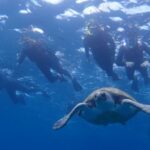
That first breath underwater? It changes how you see the ocean. This try-scuba experience in Costa Adeje pairs a calm training setup with a snorkel safari, with a strong chance of seeing cuttlefish, octopus, rays, and sometimes turtles.
I especially like the small group size (max 10) and the fact you’re paired with a personal instructor moment by moment. The result feels controlled for a first timer, but still fun and hands-on.
One thing to keep in mind: wildlife sightings depend on conditions and where you’re swimming that day, so if you’re hoping for turtles on command, you may come away with more fish than reptiles.
In This Review
- Key Things I’d Watch for Before You Go
- First-Time Scuba in Tenerife’s South: What You’re Really Buying
- Getting to Costa Adeje: Location, Timing, and What to Expect on Arrival
- What Happens Before the Water: Gear, Rules, and Instructor Attention
- The Try-Scuba Session (Zero Gravity Stop): Skills First, Then Swimming
- Snorkel Safari Time: Your Best Shot at Octopus, Cuttlefish, Rays, and Turtles
- Wildlife Expectations: How to Think Like a Reef Spotter
- Price and Value: Is $84.66 a Good Deal Here?
- What’s Included vs. What You Should Bring (Without Overthinking It)
- Safety and Health Reality Check: Weather, Altitude, and Medical Limits
- Who This Works Best For (And Who Might Want to Choose Another Plan)
- Should You Book This Try-Scuba Experience?
- FAQ
- How long is the try scuba and snorkeling experience?
- What is the minimum age?
- How big is the group?
- What’s included in the price?
- What should I wear?
- What happens if weather is bad?
- Is there an altitude or flying restriction after the session?
Key Things I’d Watch for Before You Go
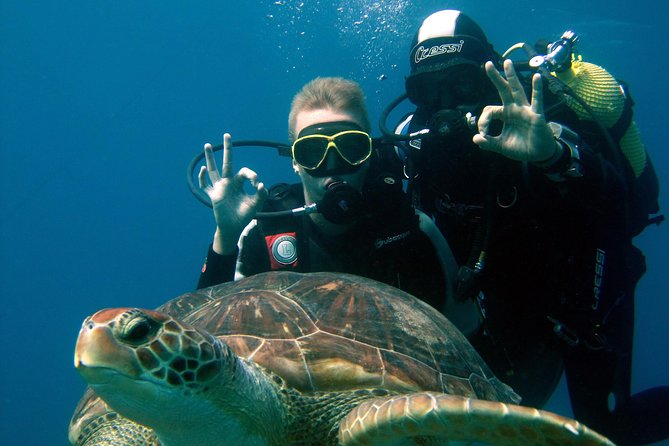
- One instructor per participant for hands-on support and a calmer first session
- Shallow, quiet water in southern Tenerife, built for first-timers to learn safely
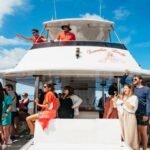
- Boat-based option in most cases (from the Port Colón area), which usually helps you reach better underwater spots
- High-touch coaching you can feel immediately, including for kids (I noticed names like Christina and Carmen)
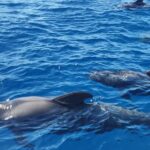
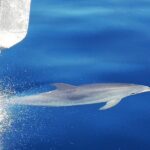
- Wildlife mix you might see: schools of fish, cuttlefish, octopus, crabs, rays, and sometimes turtles
First-Time Scuba in Tenerife’s South: What You’re Really Buying
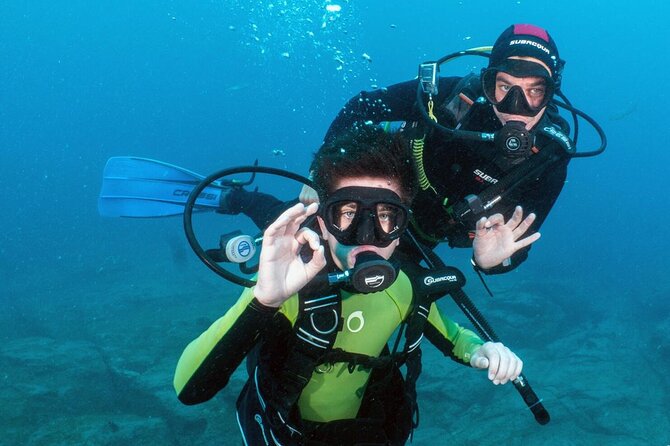
This isn’t a long, complicated program. You’re paying for a short, guided on-ramp into scuba: learning how breathing works underwater, getting a feel for buoyancy, and then spending time in a nearby marine habitat that’s known for wildlife.
The value here is the way training is handled. The company’s approach is “you, instructor, one step at a time,” not “follow the group and hope you get it.” With a maximum of 10 participants, you should get more attention than you would on bigger operations.
Another smart part: the activity is set in a quieter, shallower area in the south of Tenerife. That matters because first-time learning goes smoother when you’re not fighting waves, depth, or confusing currents. You get the feeling of scuba without turning it into a stress test.
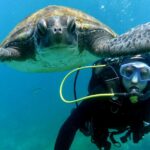
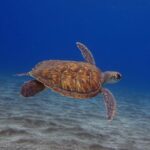
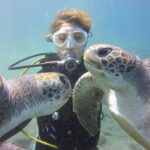
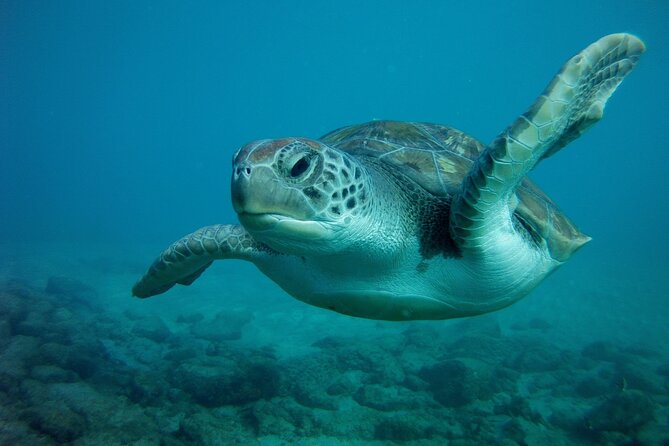
And yes, the turtles are the headline. But the more practical win is the broader list of life you may see: schools of fish, cuttlefish, octopus, crabs, rays, and sometimes turtles. Even when turtles don’t show up, the underwater scenery is still the point.
You can also read our reviews of more boat tours in Tenerife

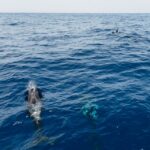
Getting to Costa Adeje: Location, Timing, and What to Expect on Arrival
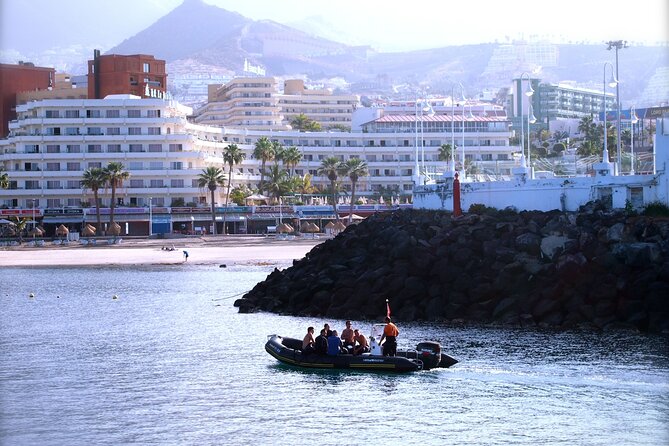
You meet at Av. de Colón, 130, 38660 Costa Adeje, Santa Cruz de Tenerife. The area is noted as near public transportation, which is helpful if you don’t want to wrestle with parking.
The session runs about 2 hours 30 minutes. That’s long enough to do real instruction, gear setup, and underwater time, but short enough that you’re not stuck all day in swimwear and gear.
You’ll want to come in swimwear (that’s the dress code). Bring yourself to the meeting point ready to get changed quickly, and plan for a bit of waiting depending on sea conditions. Confirmation is handled digitally, and you’ll receive it at booking unless you’re booking close to departure time.
Before anyone gets in the water, expect a health questionnaire requirement. You’ll also be asked to share anything that might make scuba unsuitable. If you have asthma, heart issues, diabetes, blood pressure problems, lung conditions, or anything similar, you should talk to your doctor first.
What Happens Before the Water: Gear, Rules, and Instructor Attention
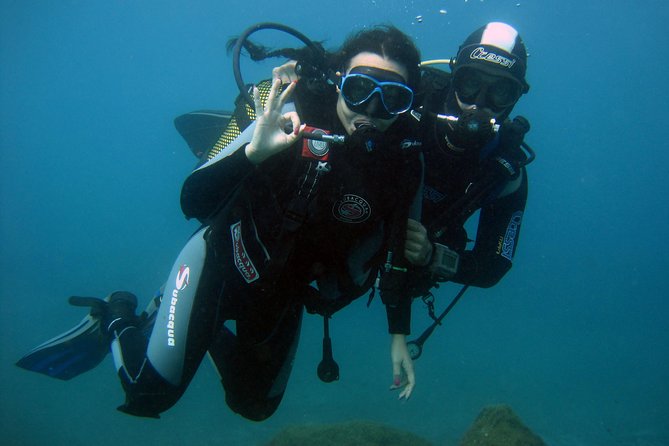
For first-timers, the most important question isn’t whether the ocean is cool. It’s whether you’ll feel safe and clearly guided while you learn.
This experience is built around personalized instruction. The setup description says you’ll be accompanied by your own personal instructor with maximum safety, and the reviews back up the “calm, attentive” vibe. You’ll typically get clear explanations on what to do, what to watch, and how to react if something feels unfamiliar.
I also like that you’re not just handed equipment and sent off. The program is described as a “try” format, designed to help you make your first underwater breathing session without guesswork. For kids, instructors are reported to be especially patient and encouraging, with examples like Christina helping a 10-year-old, including tips like how to move in the water more fluidly.
One practical note: travelers are advised to have moderate physical fitness. You don’t need to be a swimmer-racer, but you should be comfortable in the water and able to follow instructions.
The Try-Scuba Session (Zero Gravity Stop): Skills First, Then Swimming
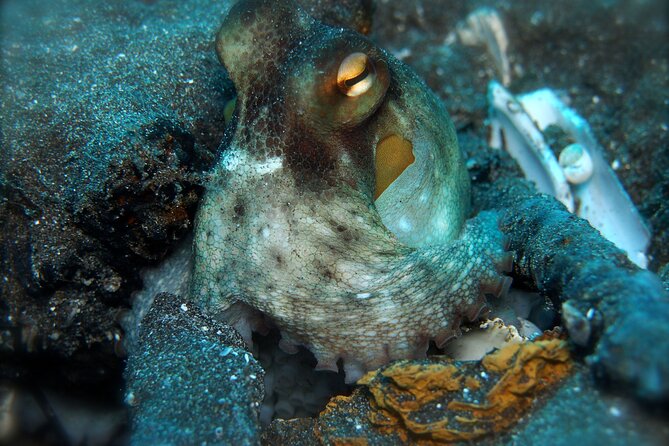
The heart of the experience is the try-scuba part run by Zero Gravity. In plain terms, you’ll:
- Get geared up with the scuba equipment provided
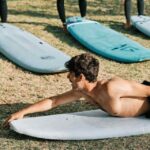
- Follow step-by-step instruction from your instructor
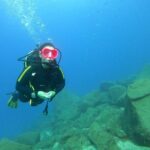
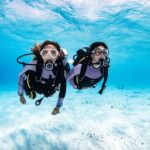
- Practice the basics in a shallow, calm setting
- Move into underwater time designed to let you enjoy what you’re seeing
The goal is to help you understand the sensation of scuba: breathing underwater, managing your buoyancy, and learning how your body adapts when the ocean becomes your ceiling and floor.
The “quiet and shallow place” detail is not just marketing. In a shallow learning zone, you can focus on the fundamentals. In deeper or choppier conditions, first-timers waste energy staying stable instead of building confidence.
One more detail that matters: the trip includes snorkelling as well. So the day isn’t only about learning scuba mechanics. There’s time in a snorkel safari format to look for marine life you might otherwise miss.
Snorkel Safari Time: Your Best Shot at Octopus, Cuttlefish, Rays, and Turtles
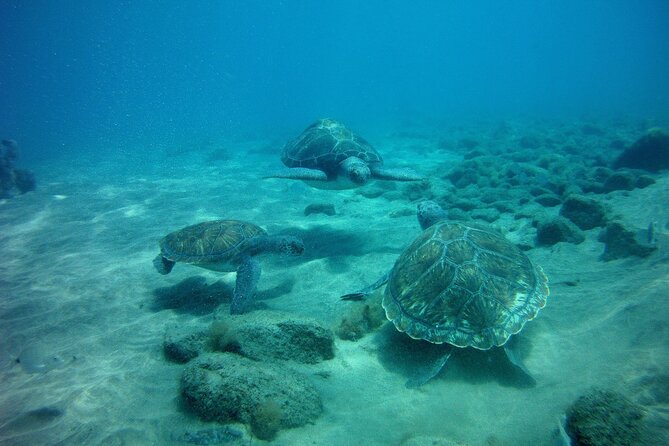
After the try-scuba learning piece, you’ll be in a mode that’s more about spotting wildlife and enjoying the ocean on your terms.
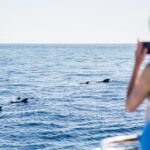
The tour description spells out the kind of species you might see in this turtle-area region: schools of fish, cuttlefish, octopus, crabs, rays, and sometimes turtles. Those aren’t guarantees, but they’re realistic “you might actually get this” targets rather than vague ocean dreams.
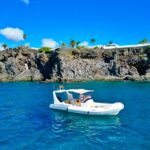
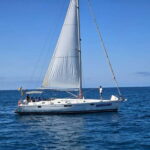
This is where the boat element can help. One review response indicated that try-scuba sessions are normally organized from a boat for easier logistics because they’re operating from the Port Colón area, with beach starts only on special request. If you’re trying to maximize your chance of better underwater viewing, the boat-based approach is often the smarter default.
Even when the famous animal doesn’t show, snorkeling time can still be rewarding. You can still spend the session scanning for movement, watching fish group behavior, and looking at the small details like crabs on the seabed or cuttlefish appearing in short bursts.
You can also read our reviews of more scuba diving tours in Tenerife
Wildlife Expectations: How to Think Like a Reef Spotter
Here’s the mindset that makes this experience better: don’t only hunt turtles. Hunt patterns.
In clear shallow water, you can often find life by tracking:
- Where schools of fish compress and expand
- Where seabed textures change (rock edges often attract small creatures)
- When the water calms or clears slightly—movement becomes easier to see
That approach also reduces the “empty feeling” if turtles don’t show. The experience is structured to give you a look at multiple species types, and it’s common for animal sightings to be uneven across days and weather windows.
On the downside, one participant reported being kept close to the shore and seeing only a small amount of fish and underwater features. That’s a reminder that your route matters. If you care about maximizing variety, ask on the day how conditions affect where you’ll be swimming.
Price and Value: Is $84.66 a Good Deal Here?
At $84.66 per person, you’re getting a lot bundled into one price. Included items cover:
- All taxes, fees, and handling charges
- A professional guide/instructor support
- Insurance
- Equipment
That’s why the price can feel fair compared with booking “gear + instructor + insurance” separately. You’re also buying time: about 2.5 hours, which is enough to do instruction plus underwater time.
What’s not included is also straightforward:
- Parking fee (if you drive)
- Food and drinks
- Souvenir photos (available to purchase)
Photos are worth mentioning because one negative review called out photo/video quality issues (including blur and framing). If you’re photo-sensitive, you might plan to treat any souvenir set as optional, not core to the value.
For most first-timers, the best “return” isn’t a photo. It’s learning to control your body underwater while someone else handles the safety and the logistics.
What’s Included vs. What You Should Bring (Without Overthinking It)
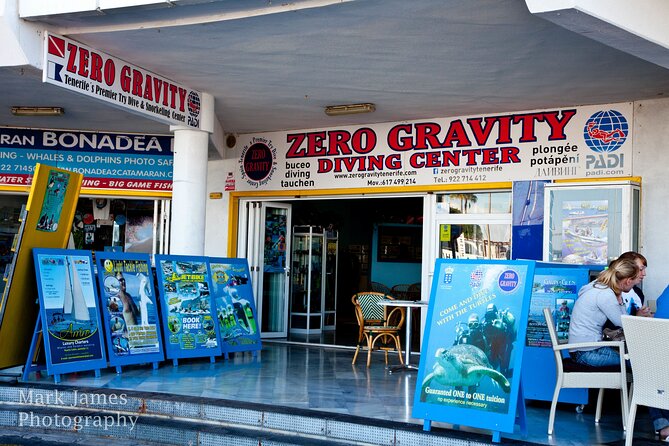
You don’t need to pack scuba equipment. The tour includes equipment, insurance, taxes, and fees, plus a professional guide.
What you should bring:
- Swimwear (required dress code)
- Anything you need for comfort before and after the water (like a towel)
- Your sense of humor, because you’ll probably want to tell someone later that you learned how to breathe underwater
Then plan for extras:
- Parking might cost extra if you’re driving
- You’ll want snacks or water outside the experience window since food and drinks aren’t included
- Souvenir photos are optional
Safety and Health Reality Check: Weather, Altitude, and Medical Limits
This is the part you should take seriously, even if you’re excited.
The program requires participants to complete a health questionnaire. Some conditions may prevent you from scuba. If you’re unsure about your situation, that instruction says to consult your doctor.
There are also specific guidance rules after the experience:
- Diving within 12 hours of flying is not recommended
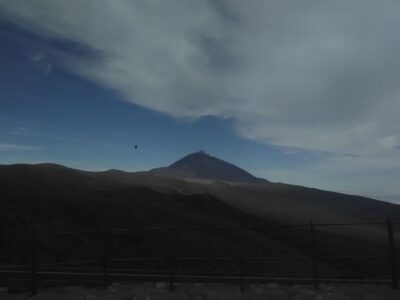
- Also, avoid going up the Teide or high altitudes within 12 hours after scuba
Finally, the tour needs good weather. If it’s canceled due to poor weather, you’ll be offered a different date or a full refund.
In practice, that means you should schedule this with a buffer in your Tenerife plans. If you’re cramming flights the same day, your scuba session can get complicated.
Who This Works Best For (And Who Might Want to Choose Another Plan)
This trip is a great fit if:
- You’re trying scuba for the first time
- You want extra attention and clear instruction
- You’re traveling with kids and want instructors who can be patient and supportive (names like Carmen and Christina show up in the feedback)
It also makes sense if you want a blend: learn scuba basics and then do snorkel safari time for wildlife.
You might want to think twice if:
- You’re expecting a guaranteed turtle encounter (no scuba program can promise specific animals)
- You’re sensitive to shallow, near-shore limitations if conditions force a shorter route (a review example highlighted a less exciting outcome when swimming stayed close to shore)
- You’re relying on souvenir photo/video quality as a major part of your day
Should You Book This Try-Scuba Experience?
I’d book it if you want a first-time scuba session with strong structure, a small group, and instructor attention that helps you feel comfortable. The included equipment and insurance make it easier to justify than DIY bookings, and the wildlife target list gives your underwater time a clear purpose beyond learning mechanics.
If turtles are your only goal, book with flexible expectations. The smarter plan is to go in wanting fish, cuttlefish, octopus, crabs, and rays too. And if your priority is photo-perfect souvenirs, treat photos as a nice bonus, not the reason to go.
In short: if you want a safe, beginner-friendly way to experience scuba and then see real ocean life in Tenerife’s south, this is a solid choice.
FAQ
How long is the try scuba and snorkeling experience?
It lasts about 2 hours 30 minutes.
What is the minimum age?
The minimum age is 10 years. Children up to 15 must be accompanied by an adult.
How big is the group?
This activity has a maximum of 10 travelers.
What’s included in the price?
The price includes a professional guide, insurance, equipment, and all taxes/fees/handling charges.
What should I wear?
You should come in swimwear (dress code is swimwear).
What happens if weather is bad?
The experience requires good weather. If it’s canceled due to poor weather, you’ll be offered a different date or a full refund.
Is there an altitude or flying restriction after the session?
Yes. Flying within 12 hours is not recommended, and you should not go up the Teide or higher altitudes within 12 hours after scuba. You’ll also complete a health questionnaire before diving.