REVIEW · TENERIFE
Costa Adeje: Whale Watching Eco Experience with Hydrophone.
Book on GetYourGuide →Operated by Atlantic Eco Experience · Bookable on GetYourGuide
Wild sounds. Real wildlife.
This Costa Adeje outing is built around the only whale sanctuary in Europe, so the experience has a calm, protected feel instead of a loud, feed-the-tourist vibe. I like that the focus isn’t just spotting. It’s understanding what you’re seeing and hearing in the Atlantic.
Two big things I love: first, the hydrophone lets you listen to whale and dolphin communication and hunting sounds, not just watch from a distance. Second, the crew is small (max 10), so you get closer attention from the on-board biologist and you’re not lost in a crowd.
One consideration: the trip is deliberately quiet during sightings—engines are turned off—so if you’re hoping for nonstop action and constant noise, you may find it a bit more patient and thoughtful than other boat tours.
In This Review
- Key points to know before you go
- Costa Adeje’s whale sanctuary: what makes this feel different
- The Papacho 2 boat and the small-crew setup
- Hydrophone listening: the coolest part you can’t fake
- What you might see: whales, dolphins, turtles, seabirds
- Sustainability in action: safe distance, science, and rescue
- How the 2.5 hours typically runs on the water
- Tips that make a real difference (not just boat-tips)
- Value for your time: why the small details matter
- Who should book this whale and dolphin eco experience?
- Should you book Atlantic Eco Experience in Costa Adeje?
- FAQ
- How long is the whale watching tour?
- What is the group size?
- Does the tour use a hydrophone?
- Do they turn off the engines during sightings?
- What animals might we see?
- What languages are available?
- What should I bring?
- Is cancellation free?
Key points to know before you go
- Europe-only whale sanctuary setting: you’re watching in a protected zone designed for marine wildlife.
- Hydrophone listening: you don’t just look for whales; you can hear them too.
- Small group limit (10 passengers): easier spotting, more personalized guidance.
- Motors off during sightings: less disturbance, more natural behavior.
- Biologist on board: science-first explanations tied to conservation.
- Rescue involvement: the operator participates in rescue and rehabilitation in the animals’ natural habitat.
Costa Adeje’s whale sanctuary: what makes this feel different
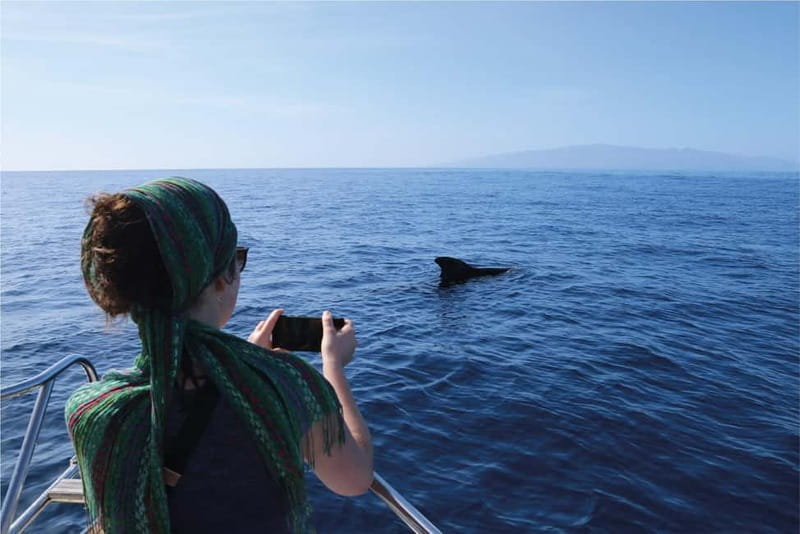
Costa Adeje sits on the south coast of Tenerife, and this tour takes you into the only whale sanctuary in Europe. That matters. A sanctuary changes the tone. You’re not dealing with a free-for-all approach where everyone chases the animal wherever it goes. The whole operation is built around respecting distance and minimizing disruption.
In practice, that shows up in how the boat behaves when wildlife is around. The crew doesn’t treat whales and dolphins like a moving theme park exhibit. They approach groups while keeping the animals’ space first, and they aim to observe without interfering in natural behavior. That’s the kind of approach that makes you feel like you’re part of the ecosystem, not just a spectator.
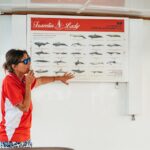
You’ll also get more than a generic nature talk. There’s a biologist on board who explains what fauna you can find and why conservation matters. If you like wildlife experiences that connect behavior to protection, this is the right style.
You can also read our reviews of more whale watching tours in Tenerife


The Papacho 2 boat and the small-crew setup
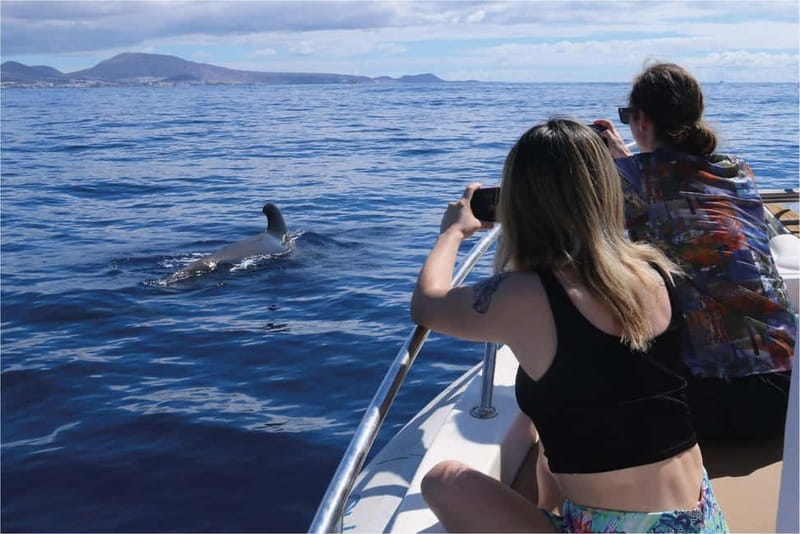
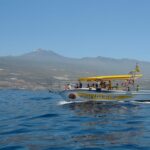
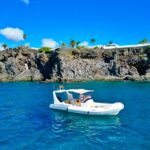
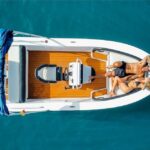
You’ll meet at the designated meeting point and board the boat Papacho 2. The max capacity is ten passengers, which is a big deal for whale watching. With fewer people, spotting tends to be faster. It’s easier for the crew to guide you to what matters instead of shouting over a big deck.
There are two crew members, including the biologist on board. That small team means you get a more direct, human experience. You’re not just on a ride; you’re being coached on what to look for and what to listen for.
You’ll also have drinks during the tour. That sounds small, but it helps on a 2.5-hour outing where you’ll likely spend most of the time scanning the water and watching for cues.
If you’re traveling with kids, the small-group format can be a plus. The experience is described as suitable for families with small children, likely because the attention stays personal and the boat stays under control rather than chaotic.
Hydrophone listening: the coolest part you can’t fake
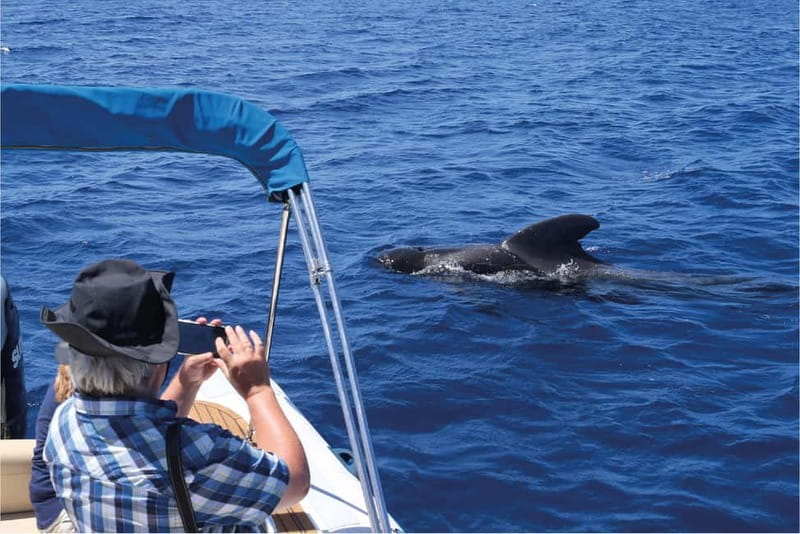
If you’ve ever wondered what it would be like to hear whales as they move through the water, this is the moment. During sightings, the crew completely turns off the boat’s engines and then launches a hydrophone. You listen to the sounds cetaceans use to communicate and to hunt.
This is more than a gimmick. It changes how you watch. Once you have audio in the mix, you stop thinking only in terms of distance and instead think in terms of behavior. You can start paying attention to timing—when the animal is active, when it changes direction, when the sound pattern shifts. Even if you’re not a science person, the sensory experience feels real.
And since the engines are off during the listening phase, you’re not just hearing noise. You’re hearing more of what the animals are doing. That’s exactly the kind of thoughtful operational detail that makes eco tourism feel credible instead of labeled.
What you might see: whales, dolphins, turtles, seabirds
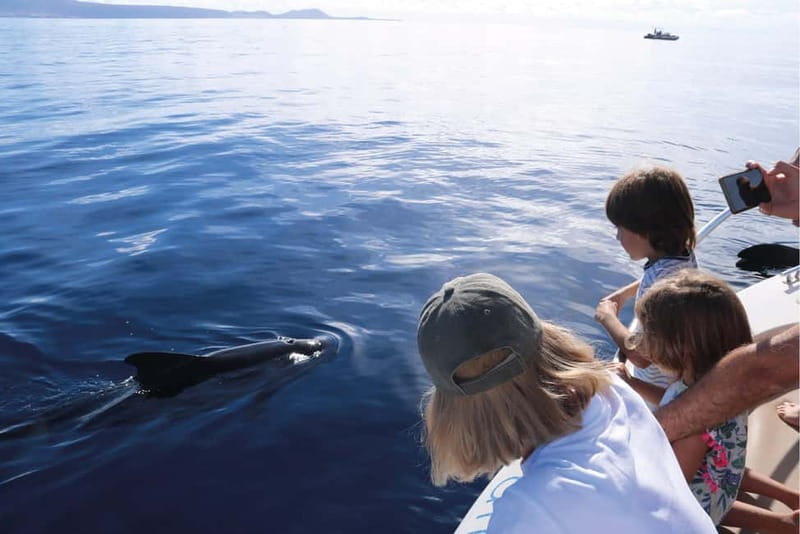
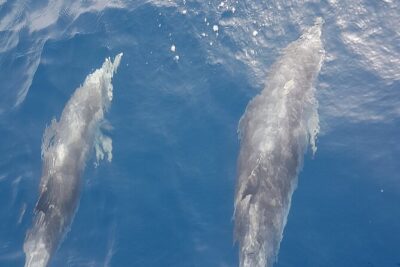
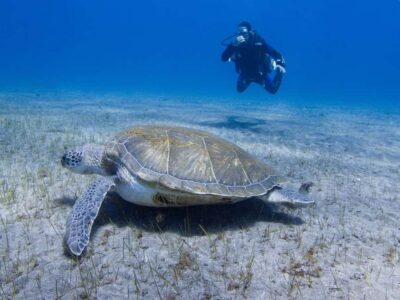
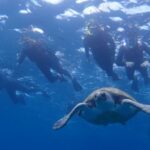
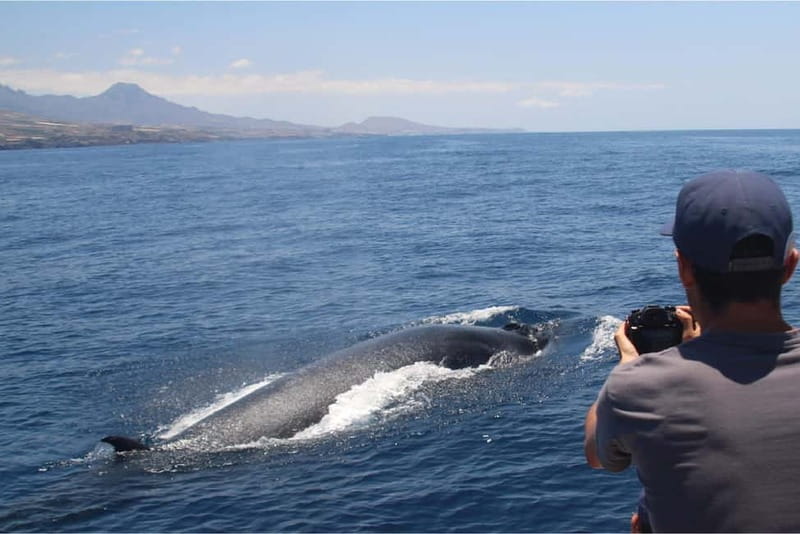
This is a wildlife tour in Costa Adeje’s protected marine area, and the crew looks for multiple types of animals. During the trip, you may encounter different groups of cetaceans, along with turtles and seabirds.
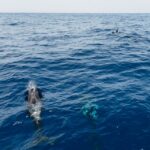
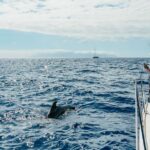
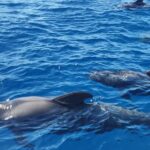
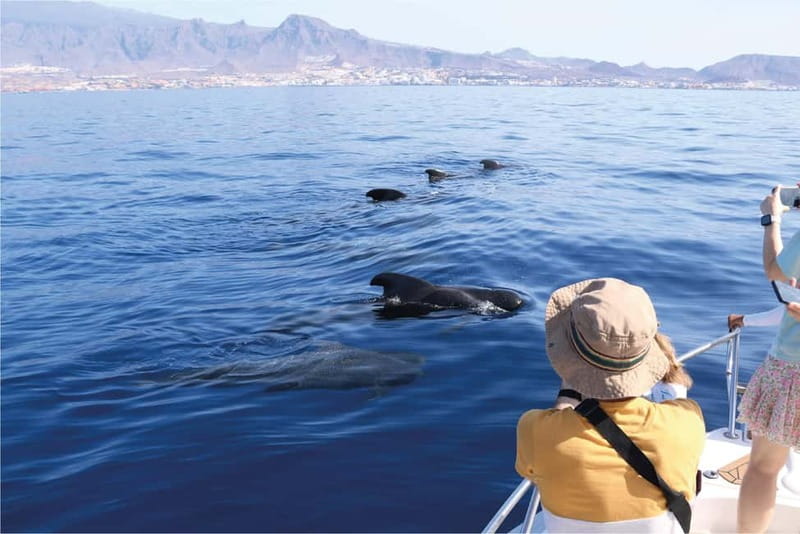
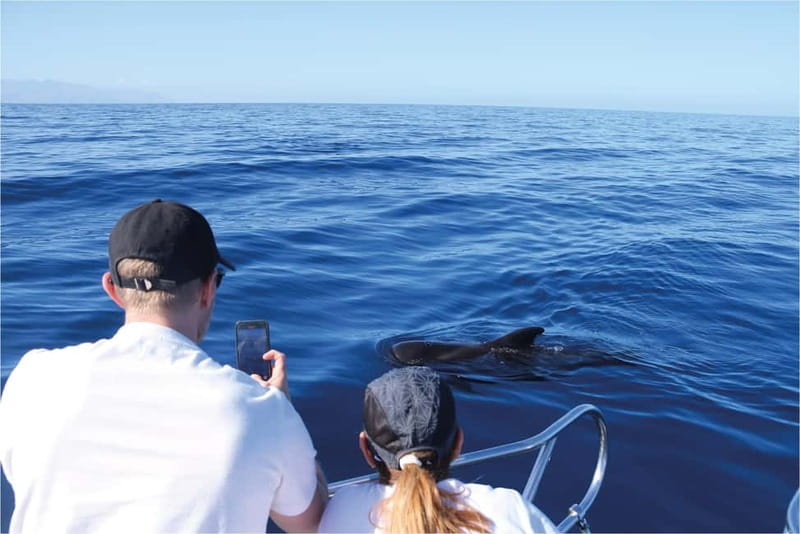
One animal in particular gets a lot of positive attention: pilot whales. The tour experience is repeatedly described as seeing plenty of pilot whales, sometimes close to the boat. You should still treat this as wild wildlife viewing, not a guarantee. But the fact that pilot whales show up often enough to become a headline tells you the area can be productive.
The best part is the way sightings are handled. They approach groups while respecting the animal’s space and behavior. You’re not there to force a moment. You’re there to interpret what’s already happening.
And because the biologist is on board, you’re not left with guesswork. You get context while you’re on the water, which makes your sightings more satisfying when the moment arrives.
Sustainability in action: safe distance, science, and rescue
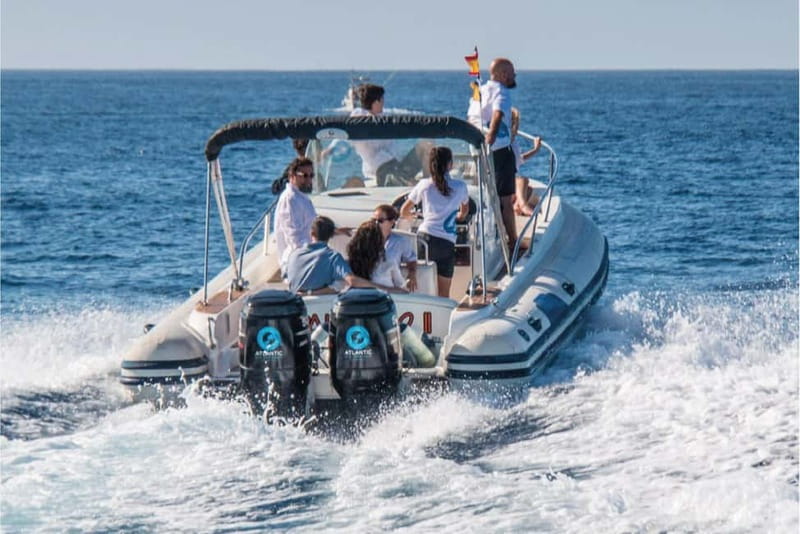
The “eco” here isn’t just marketing language. The operator is connected with ACEST, the Association of Companies for the Sustainability of Tourism, and the approach is centered on lowering impact on marine life.
The operational behavior is key:
- Motors off during sightings
- safe distance while approaching groups
- no interference with natural behavior
Those choices reduce noise and disruption. That’s a big deal for animals that rely on sound and communication.
There’s also a practical conservation angle beyond the boat trip. The tour operator participates in rescue of injured animals in their natural habitat, and it’s described as part of rescue and rehabilitation efforts. That adds weight to the conservation theme—this isn’t only about observation, it’s also about helping when things go wrong in the wild.
Finally, there’s a research tie-in. The company collaborates in the photo-identification catalog of pilot whales in the Canary Islands. If you like experiences that contribute to long-term understanding, this is the kind of behind-the-scenes work that makes the whole day feel more purposeful.
How the 2.5 hours typically runs on the water
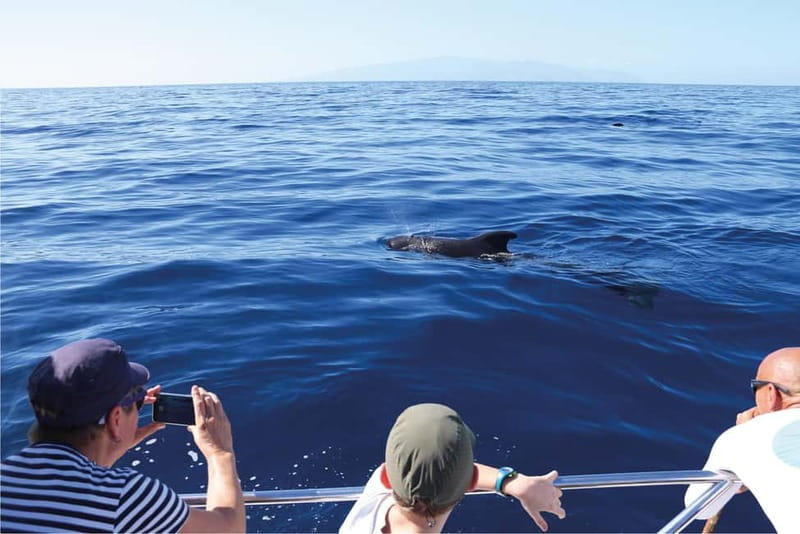
The experience lasts about 2.5 hours, and you’ll board at the agreed time. From there, the tour is structured around time on the water plus guided interpretation.
Once you’re aboard, the biologist explains what fauna you might find and how to think about conservation in this sanctuary environment. This is useful because it helps you know what cues to watch for—movement patterns, grouping behavior, and the general rhythm of wildlife activity.
When sightings happen, the key moment arrives: the crew turns off the boat’s engines and deploys the hydrophone. That quiet switch is the difference between normal sightseeing and a listening-focused experience.
During the outing, they’ll approach different groups of cetaceans, plus turtles and seabirds if conditions line up. The tour is designed so you interpret together—crew guidance plus what you can see and hear. It’s not just a checklist of animals. It’s a shared reading of animal behavior.
Tips that make a real difference (not just boat-tips)
This tour is sunshine-and-sea time, even when the boat gets quiet. Bring what they ask for: sunglasses, a sun hat, and sunscreen. You’ll be outside for a good chunk of the 2.5 hours, and you don’t want to ruin the trip by getting overcooked by Tenerife sun.
Wear comfortable clothing you can move in while scanning the water. You’ll want to stay flexible so you can look in the right direction fast when the crew spots something.
Also think about your comfort level with listening. The hydrophone part means you might spend time paying attention to audio cues in a quiet setting. If that sounds fun to you, you’ll probably love this format. If you need loud entertainment every minute, this one may feel slower.
Finally, choose your language comfort ahead of time. Tours run with a live guide in English and Spanish, so pick the option that matches how you want your narration to land.
Value for your time: why the small details matter
There’s a reason the ratings are so high: the experience is built around restraint and clarity. You’re not just paying for a boat ride. You’re paying for a method.
Here’s what you’re actually getting that makes it good value:
- Small group size (10 passengers): easier to spot and follow the guide
- On-board biologist: you learn while you’re watching
- Hydrophone: a rare add-on that upgrades the entire experience
- Engines off at sightings: better listening and less disturbance
- Conservation work: rescue involvement and pilot whale photo-identification efforts
If you love wildlife experiences where you come away with understanding, this one fits. If you only care about ticking off a species list, you might still enjoy it—but you’ll miss a lot of the point.
Pricing can vary by date and starting time, but the structure makes it feel like you’re paying for quality choices. Not for hype.
Who should book this whale and dolphin eco experience?
Book this if:
- you want whale watching with environmental awareness, not just sightseeing
- you’re excited by the idea of listening to marine mammal sound with a hydrophone
- you prefer small groups and guided attention
- you like experiences that connect with conservation work (rescue, rehabilitation, and research)
It also sounds like a reasonable family option, since it’s described as suitable for families with small children. The small boat and steady crew attention can help kids stay engaged without getting overwhelmed.
If you’re the type who wants a fast, loud, party-style boat tour, you may prefer something else. This experience leans quiet, focused, and nature-respectful.
Should you book Atlantic Eco Experience in Costa Adeje?
In my view, yes—if your goal is a thoughtful, high-quality wildlife experience with a real conservation mindset. The combination of a sanctuary setting, hydrophone listening, and motors-off behavior is the kind of practical eco approach that actually changes what you experience.
Add in the small group format and the biologist-led interpretation, and it becomes more than a ride. It’s a structured window into how whales and dolphins communicate and behave in their world.
If that appeals to you, book it. If you want constant action and noise, it might feel too calm. Choose based on what you want to remember from Tenerife: the sound of whales in a quiet boat, or a louder checklist.
FAQ
How long is the whale watching tour?
The duration is 2.5 hours.
What is the group size?
It’s a small group, limited to a maximum of 10 participants.
Does the tour use a hydrophone?
Yes. During sightings, the hydrophone is launched so you can listen to whale and dolphin sounds used to communicate or hunt.
Do they turn off the engines during sightings?
Yes. During the sightings, the boat’s engines are completely turned off to avoid disturbing the animals.
What animals might we see?
You’ll approach different groups of cetaceans, and you may also see turtles and seabirds, while respecting the animals’ natural behavior.
What languages are available?
The live tour guide is available in English and Spanish.
What should I bring?
Bring sunglasses, a sun hat, and sunscreen.
Is cancellation free?
Free cancellation is available up to 24 hours in advance for a full refund.