REVIEW · TENERIFE
Whale and Dolphin Watching EcoAdventure in Tenerife
Book on Viator →Operated by Eco Whale Watching Tenerife · Bookable on Viator
You’ll hear whales before you even see them.
This eco-focused whale and dolphin watching trip in Tenerife pairs a small boat experience with an expert guide who talks continuously about cetaceans and conservation. You also get an onboard hydrophone so the sound of whales and dolphins is part of the show, not just a bonus.
What I like most is the way the guide (often Chema, a fan favorite) teaches while you’re moving, and how the operators keep things responsible, including marine litter collection by the team. The other big win is the small group size, capped around 8–10 people, which makes questions feel normal and spotting feel more personal.
One thing to keep in mind: you’re dependent on weather and wildlife behavior. Even with skill and effort, you might go quiet at first hour if animals aren’t nearby, though the crew typically tries to reposition to find sightings.
In This Review
- Key Things That Make This Tenerife Whale Trip Worth It
- Costa Adeje Whale Watching, But Make It Educational
- The Hydrophone Experience You Don’t Get on Big Boats
- What the 2-Hour Format Feels Like (And Why It Works)
- Meeting at Avenida de Colón in Costa Adeje
- Before You Board: A Quick Education Session
- On the Water: How the Guide Helps You Spot Cetaceans
- Responsible by Design: Marine Litter Collection at Sea
- Small Boat Energy: Better Viewing, Less Noise
- Possible Highlights to Expect (Without Promising a Guaranteed Zoo)
- Price and Value: What You’re Really Paying For
- Who This Trip Suits Best
- A Practical Tip: Bring Snacks and Stay Flexible
- Should You Book This Eco Whale Watching in Tenerife?
- FAQ
- How long is the whale and dolphin watching eco-adventure?
- Is the hydrophone included?
- What is the meeting point?
- Are snacks or drinks included?
- How big are the groups?
- What if the weather is bad?
- Can I cancel and get a refund?
Key Things That Make This Tenerife Whale Trip Worth It
- Onboard hydrophone: listen to calls and communication, not just watch
- Small group limit (8–10): easier questions, less crowding, calmer viewing
- Expert guide storytelling: constant explanation about what you’re seeing
- Responsible operation: marine litter collection is built into the outing
- Chance at rarer sightings: fin whales and grey dolphins can happen in this area
- Real-world action: pilot whales, dolphins, and even turtles are possible depending on the day
Costa Adeje Whale Watching, But Make It Educational
Tenerife is a strong choice for whale and dolphin watching, but most trips feel like a quick search-and-go. This one leans harder into the learning part, and that changes the whole mood.
I like that you’re not just handed a life jacket and sent out. You get ongoing talk about cetaceans—how they live, what they eat, and how they interact. The tone is very matter-of-fact, with a conservation focus that doesn’t feel preachy. It’s also the kind of approach that helps you spot faster, because you start recognizing behaviors instead of staring randomly at the water.
And because it’s a small-group trip (up to about 8–10 people), you’re close enough to hear the guide’s explanations clearly and see the animals when they show up.
You can also read our reviews of more whale watching tours in Tenerife


The Hydrophone Experience You Don’t Get on Big Boats
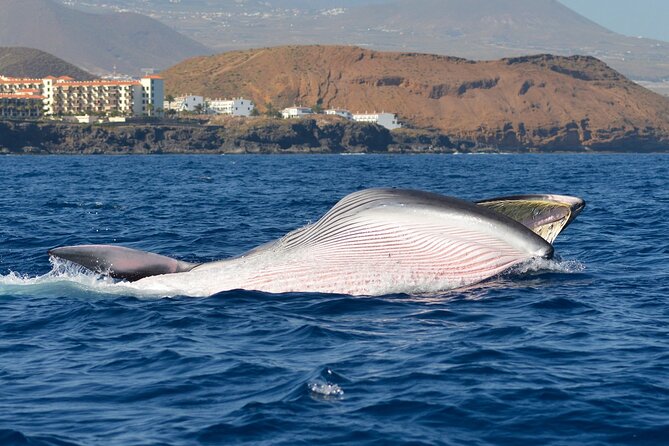
Here’s the big reason to consider this tour: the trip includes a hydrophone on board. That means when whales or dolphins are nearby, you’re not limited to visual guesses. You get sound—communication and activity—so you can connect what you’re seeing with what’s happening underwater.
In practice, this makes even a partial sighting feel richer. If animals stay at the edge of visibility, you still have a sensory “hook” thanks to the microphone setup. Several highlights from past trips mention hearing the animals through the hydrophone, which turns the outing into something more like an interactive nature lesson.
If you’ve only ever done standard spotting tours, this is the upgrade.
What the 2-Hour Format Feels Like (And Why It Works)
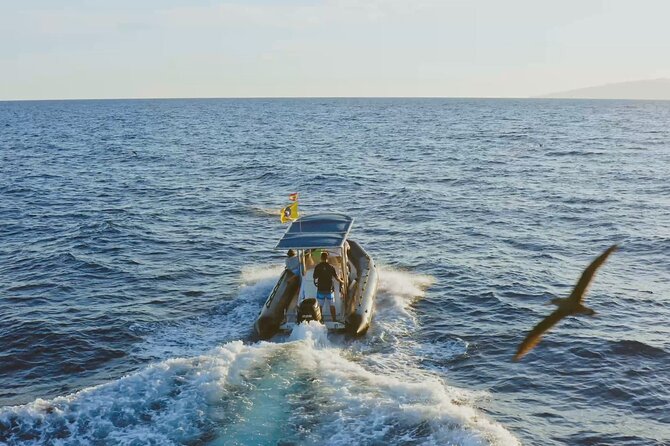
This is a short outing, around 2 hours. That’s a plus for a lot of people in Tenerife, especially if you’re mixing it with beach time, Teide views, or restaurant stops.
The format also matters because cetaceans can move through the area. A shorter trip can be more efficient: less time sitting, more time actually searching, adjusting, and waiting at the right moment. Some experiences also start slow, and you may need patience early on. The good news is that the captain and guide approach sightings proactively rather than treating the first hour as your only shot.
So plan to treat this as a focused burst, not a half-day cruise.
Meeting at Avenida de Colón in Costa Adeje
You’ll start and end at Avenida de Colón, Av. de Colón, 38660 Costa Adeje, Santa Cruz de Tenerife, Spain. The location is also described as near public transportation, which helps if you’re not driving.
What I’d do: give yourself extra time to find the meeting area and settle in before boarding. Whale watching depends on weather and timing, and you don’t want to be stressed while waiting for the group to assemble.
Before You Board: A Quick Education Session
One of the most praised parts is what happens right before sailing. You’re brought into a room next to the pier area for education—hands-on displays and a lot of explanation—so you’re not learning basics while you’re already out at sea.
I love this setup because it gives you context you can use immediately:
- you start to understand what kinds of cetaceans the guide expects in the region
- you learn what to watch for (behavioral cues matter)
- you get conservation background that makes the sightings feel connected to real protection work
When the briefing is done well, the boat ride becomes a live workshop, not just a sightseeing trip.
You can also read our reviews of more dolphin watching tours in Tenerife
On the Water: How the Guide Helps You Spot Cetaceans
Once you’re navigating, the guide stays involved at all times—explaining while you look. This is a key difference from tours where the “talk” happens once and then everyone goes quiet.
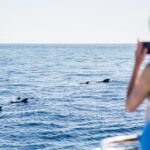
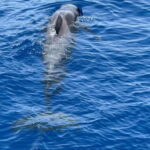
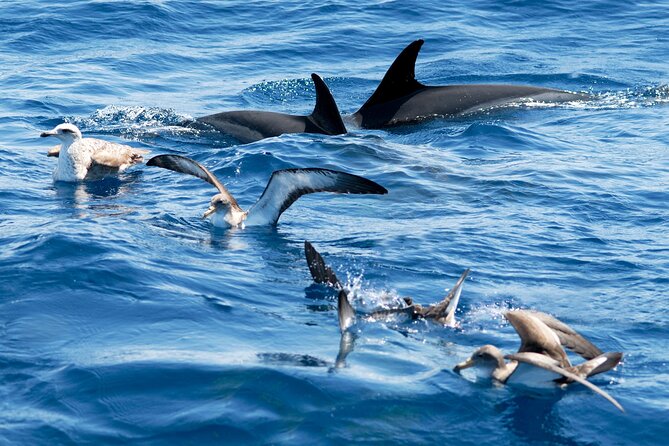
In past trips, the guide has pointed out multiple kinds of wildlife and explained what you’re seeing in real time. That includes sightings like:
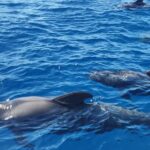
- resident pilot whales
- other cetaceans such as fin whales and grey dolphins (described as rare in this region)
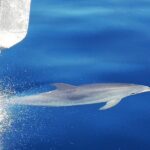
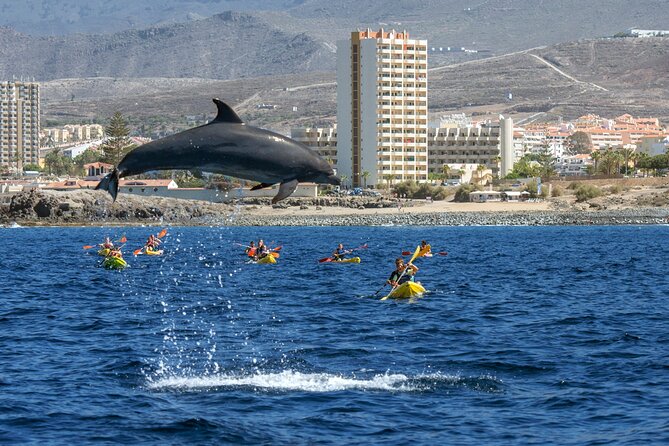
- dolphins swimming close to the boat
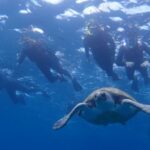
- turtles on the same trip
You’ll also notice a pattern in the way the crew handles sightings: if nothing happens at first, they don’t shrug. They keep searching and move toward the right area once they’ve located signs.
The result is that you don’t feel like your fate depends only on luck. You’re watching a team work.
Responsible by Design: Marine Litter Collection at Sea
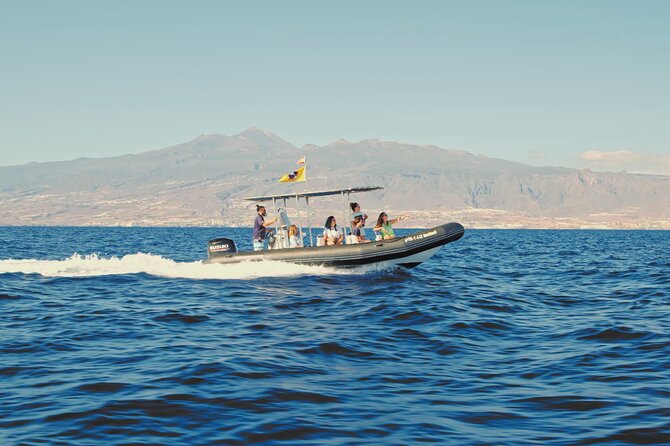
This isn’t just a “we care about nature” statement. The operator team is involved in collecting marine litter during the excursion.
That’s meaningful to me because it turns the trip into something practical. You’re not only learning about ocean threats; you’re seeing an action-based response. Marine plastic and other waste can harm marine life, and the crew taking part is a tangible step toward cleaner waters.
In other words: the eco part isn’t only for marketing photos.
Small Boat Energy: Better Viewing, Less Noise
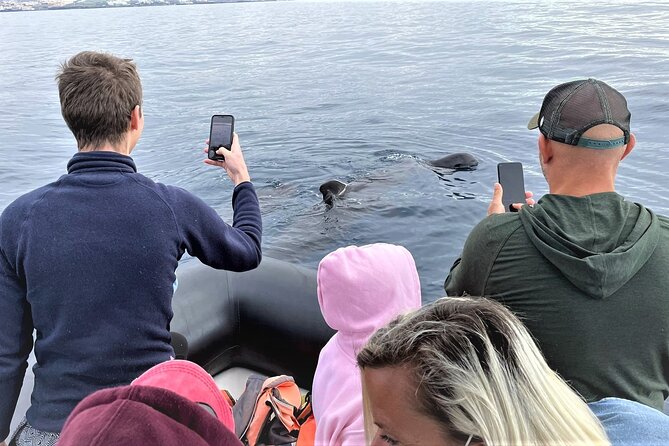
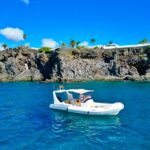
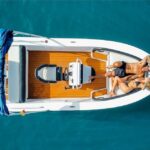
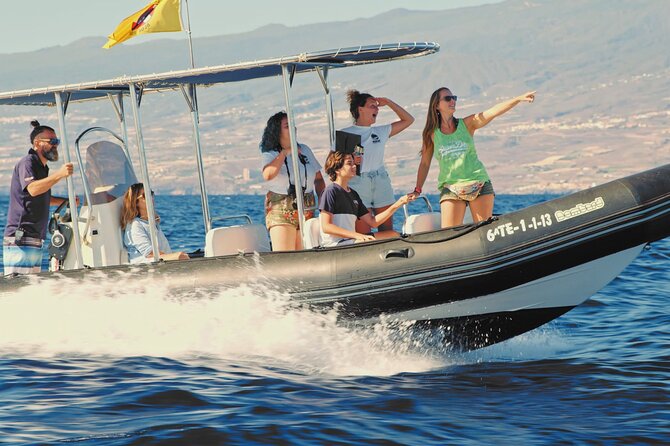
A lot of whale watching tours rely on big boats and long lines, which can mean crowded viewing and lower-quality explanations. Here, the group size is kept small, and the boat setup is described as comfortable and well equipped with safety gear.
Some past experiences also note the boat as “no frills” but fine—more important is that you get the chance to see animals clearly and stay engaged with the guide. When animals come close, you want a crew and boat that can keep the experience calm rather than chaotic.
And the small group makes a difference for families too. One family tour highlight includes kids aged 8 and 5 having a good time, with the energy of the captain and the thrill of nearby wildlife.
Possible Highlights to Expect (Without Promising a Guaranteed Zoo)
Let’s be honest: the ocean doesn’t read schedules. That’s true for any whale and dolphin watching trip.
Still, the most commonly reported kinds of sightings here include:
- pilot whales in the area
- dolphins that may swim near the boat
- and occasionally other rare or notable species, including fin whales and grey dolphins
- sometimes sea turtles
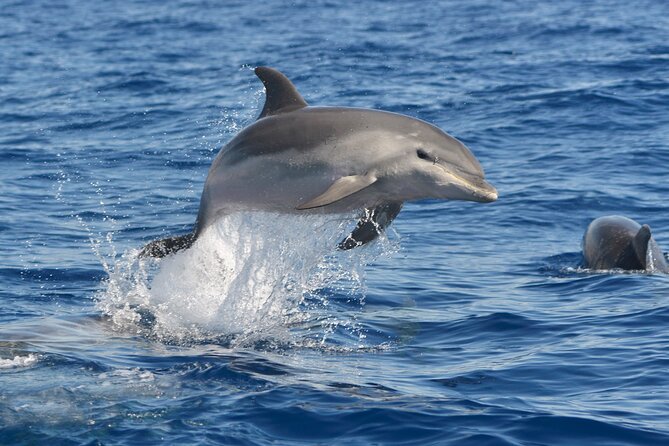
There are also memorable behavior moments described, like family groups swimming near the vessel. When whales or dolphins move toward you, it’s not just a sighting. It’s a real up-close moment.
My advice: treat each sighting as a bonus, and let the guide’s education enrich whatever you see.
Price and Value: What You’re Really Paying For
At $65.17 per person, this isn’t the cheapest whale trip in Tenerife. But when I look at the value, I see a few clear reasons it can feel worth it:
- Hydrophone is included, which is a real add-on value compared to standard cruises
- the group is capped around 8–10, improving the experience and making the guide’s talk more useful
- you get a pre-boarding educational session with hands-on material
- the trip includes a conservation practice (marine litter collection) rather than only sightseeing
What’s not included matters too: snacks, food, and drinks aren’t included. The good part is that you can bring your own snacks and non-alcoholic beverages on board. For a 2-hour outing, that’s usually enough. If you tend to get hungry, pack something simple so you’re not relying on a purchase mid-activity.
Also note that the tour is often booked about 6 days in advance on average. That tells me it’s not something I’d “wait until the last minute” on, especially in busy seasons.
Who This Trip Suits Best
This is a strong fit if you:
- want a whale/dolphin outing with a real education component
- care about wildlife viewing done with care for the ocean
- like smaller groups (you don’t want to shout over engines)
- are curious about cetacean communication via sound, not just sight
It can also work well for families, since the guide’s explanations and the chance to see dolphins up close can keep kids interested. Just remember you’re at sea for 2 hours, so bring appropriate comfort items if you get chilly or motion-sensitive.
If you’re only interested in being on the water as long as possible, you might prefer longer cruises. But if you want quality attention plus an onboard hydrophone, this format is hard to beat.
A Practical Tip: Bring Snacks and Stay Flexible
Since food isn’t included, pack a small snack and water or a non-alcoholic drink before you go. That keeps the outing enjoyable even if sightings take a bit to line up.
And stay flexible about timing. This experience needs good weather. If conditions aren’t right, it may change dates or be refunded—so build in a little buffer time in your Tenerife plan.
Finally, bring patience. Some trips start slow and then turn excellent once the crew finds the animals.
Should You Book This Eco Whale Watching in Tenerife?
I’d book it if your goal is more than a quick boat ride. The included hydrophone, the small group setup, and the constant guide explanations make this a more complete cetacean experience than the generic “look for spouts” style of tours.
Choose it if you care about responsible ocean practices and you enjoy learning while you travel. Even if wildlife doesn’t cooperate perfectly on day one, the structure is designed to keep you engaged—through education on land and sound-based whale watching at sea.
If your only priority is maximum time on a boat or you hate the idea of waiting for wildlife behavior to align, then you might prefer a different kind of cruise. But for most people in Tenerife who want a smart, thoughtful whale-and-dolphin outing, this one is a solid pick.
FAQ
How long is the whale and dolphin watching eco-adventure?
It lasts about 2 hours (approx.).
Is the hydrophone included?
Yes. A hydrophone is provided on board as part of the experience.
What is the meeting point?
The tour starts and ends at Avenida de Colón, Av. de Colón, 38660 Costa Adeje, Santa Cruz de Tenerife, Spain.
Are snacks or drinks included?
No. Snacks, food, and drinks are not included, but you can bring snacks and non-alcoholic beverages on board.
How big are the groups?
The activity has a maximum of 8 travelers.
What if the weather is bad?
The experience requires good weather. If it’s canceled due to poor weather, you’ll be offered a different date or a full refund.
Can I cancel and get a refund?
Yes, free cancellation is available. You can cancel up to 24 hours in advance for a full refund. If you cancel less than 24 hours before the start time, you won’t get a refund.