REVIEW · TENERIFE
small group surf lesson in Playa de las Américas,Tenerife
Book on Viator →Operated by Kontraola Surf School · Bookable on Viator
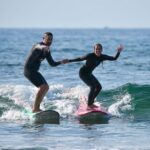
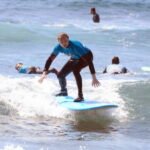
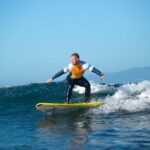
Surfing in Tenerife is fun, and this small-group setup makes it feel personal. I like that the lesson runs with qualified instruction and top-notch gear, and you practice at the beach near the school so you’re not wasting time.
What I love most: you get equipment included (board, booties, neoprene suit, plus Lycra) and you’re coached with clear, supportive feedback that aims for real progress on your first session. The one drawback to plan for: if the ocean is on the louder side that day, the transition from quick instructions to getting in the water can feel fast, so you’ll want to be ready to ask for extra help.
You’ll meet at Kontraola Surf School on Playa de las Américas, then head to the surf. The instructors focus on learning fundamentals and building confidence, with extra attention in a group capped at 6 travelers. And yes, low tide plays a big role in making it safer and easier to find space to try again and again.
In This Review
- Why this is a good bet for first-timers
- Key highlights worth showing up for
- Entering Playa de las Américas the easy way
- Meeting the instructor and getting briefed without drama
- Why low tide is part of the lesson plan
- What you do on the beach (and why it works)
- Gear that saves you from guessing
- Small-group teaching: what “max 6” means in practice
- Timing, session length, and how to plan your day
- Value for $42.05: what you actually get
- Who should book this surf lesson (and who might hesitate)
- After the lesson: clean up and keep enjoying Tenerife
- Should you book Kontraola Surf School in Playa de las Américas?
- FAQ
- What is the duration of the surf lesson?
- How much does the small group surf lesson cost?
- What group size should I expect?
- What language is the lesson offered in?
- What’s included in the price?
- Where do I meet the surf school?
- What happens if the weather is poor?
Why this is a good bet for first-timers
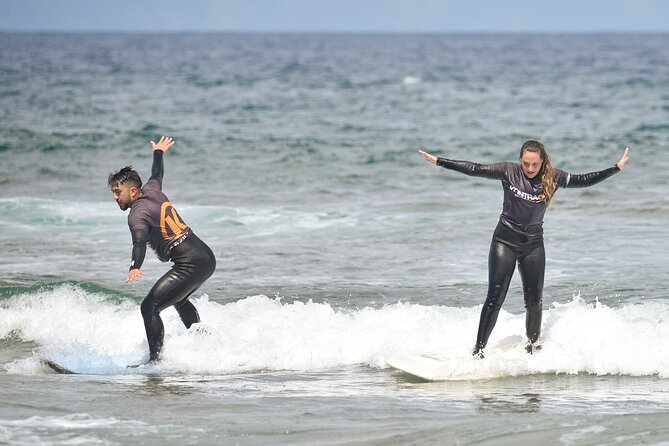
This session is only about 2 hours, but it’s built around meaningful time in the water, not endless waiting. You also get lockers, showers, and accident insurance, which is the kind of “boring but important” detail that makes beach activities smoother. If you want a hands-on Tenerife activity that feels organized and worth the money, this one fits the bill.
Key highlights worth showing up for
- Max 6 people means more attention and less standing around
- Low-tide surfing is used to create safer, more workable conditions
- All core gear included (board, booties, wetsuit, Lycra) plus lockers and showers
- In-water coaching with patience helps even when waves feel big
- Beachfront location keeps the walk short and your energy in the right place
You can also read our reviews of more tours and experiences in Tenerife
Entering Playa de las Américas the easy way
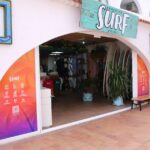
Kontraola’s meeting point is right in Playa de las Américas, at Calle México, C.C. Las Pameras, Local 11. It’s also near public transportation, which matters on Tenerife because parking can get annoying around the commercial areas. If you’re driving, I’d plan extra time to find a spot—this is one of those places where you can waste your session stress before you even grab your board.
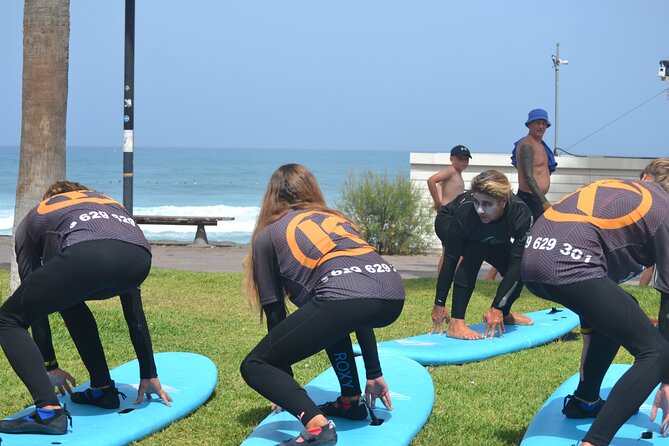
When you arrive, you check in at the activity provider’s office and then head toward the beach right in front of it. The setup is convenient: you’re already near the sand and sea, so you spend more of your 2-hour slot learning and less time traveling between locations.
Also, you’re dealing with a beach school brand tied to Quiksilver and Roxy, and that’s a small clue about what to expect: practical surf gear, a casual beach vibe, and an attitude focused on getting you out there.
Meeting the instructor and getting briefed without drama
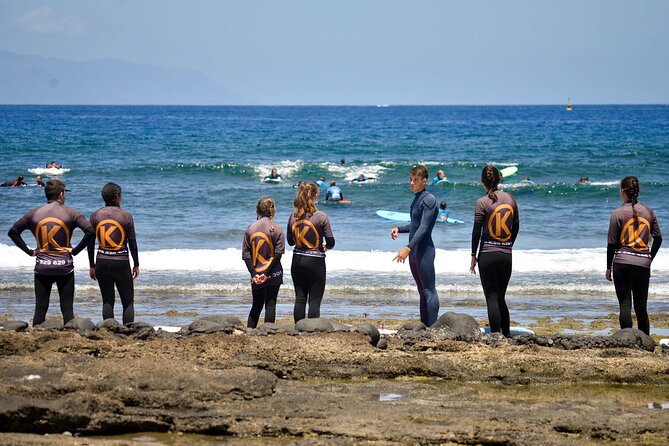
Your instructor’s job starts before you paddle. You’ll get clear guidance on what to do and how to do it. The pace is geared to action: learn a few key points, then get to the water while the lesson is still fresh.
I like that the instruction isn’t just theory. You’re coached with a focus on technique and small corrections. In the real world, that means you’re not just pushed toward random waves—you get feedback on how to position yourself, what to change, and how to handle the board when things feel new.
And because it’s small-group teaching (maximum 6), you’re less likely to get stuck waiting your turn. That matters a lot on your first surf lesson, because momentum is everything. If you spend too long on the sand, your confidence drops. Here, the flow is designed to keep you trying again.
Why low tide is part of the lesson plan
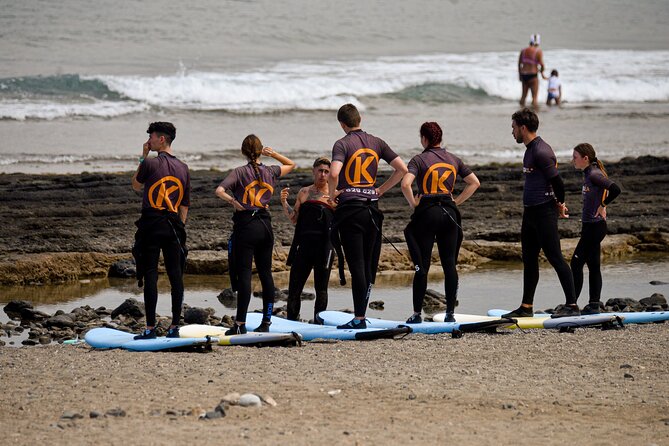
This surf school schedules surfing for low tide when conditions are safer and there’s more room to enjoy the surf. That’s not just a random detail—it’s one of the smartest ways to set beginners up for success.
At low tide, you typically get a better sense of where the water depth works with your board skills. You’re also more likely to have space around you. Space sounds boring until you’re actually on a board and realizing that surfing is chaos if everyone is trying to stand at once.
The result is that low tide helps you do two things:
- Practice repeatedly without feeling trapped or overwhelmed
- Learn how to catch waves and stand up in a more forgiving setting
That said, the ocean can still be the ocean. Some days bring larger waves or more challenging conditions. When that happens, the instructor’s role becomes even more important, and the school’s approach is to keep working with the group until people can stand and move forward.
What you do on the beach (and why it works)
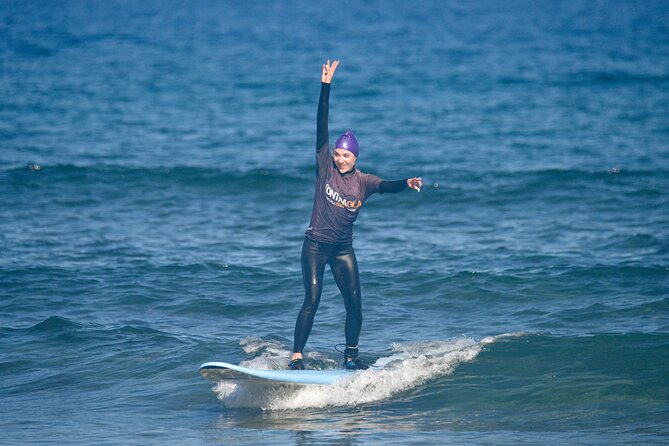
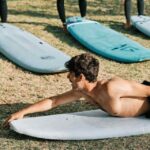
Your session runs in a simple rhythm: brief instruction, then into the water, then coached attempts. You start with fundamentals—how to handle your board, how to read what the water is doing, and how to position yourself to go from prone to standing.
What’s especially useful for first-timers is the way the coaching targets the moment you’re about to fail. Surf lessons can waste time if the instructor only explains technique from the sand. Here, the focus is on correcting in real time—adjustments that help you catch waves more confidently and stand with better balance.
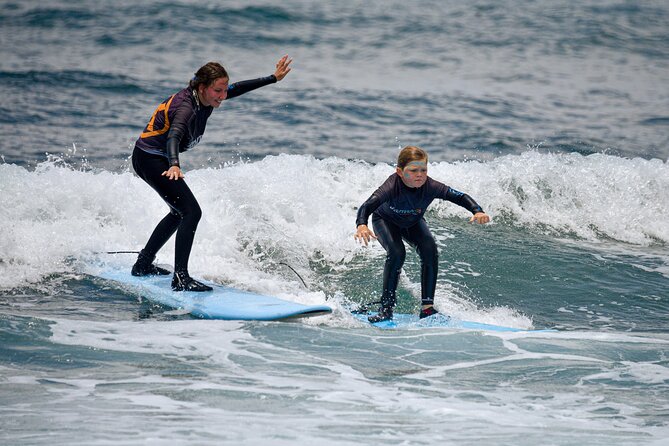
You’ll also learn through repetition. The instructors aim for progression, not just participation. On a session where conditions were stronger than some beginners expected, the teaching didn’t stop at try once and move on. The goal was supportive improvement until every person in the group managed to stand up.
If you’re the type who learns by doing, that’s a win. If you’re the type who wants slow and careful instruction, be proactive: ask questions early and speak up if you need extra help getting comfortable entering the water or getting your first steps right.


Gear that saves you from guessing
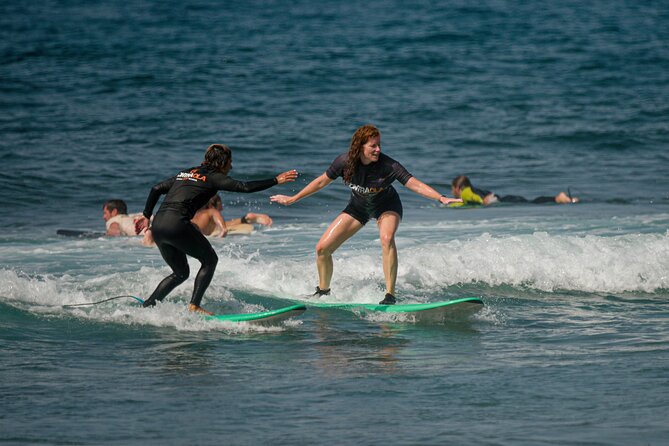
This lesson includes the key surf gear, so you’re not stuck figuring out what to rent or what to wear in a beach store at the last minute. You get:
- A surfboard
- Booties
- Neoprene suit
- Lycra
You also get lockers and showers, plus toilets and bath gel in the shower area. Accident insurance is included too, which is exactly what you want to see on an active lesson.
Here’s why these details matter beyond convenience:
- Booties and wetsuit help you focus on balance and wave timing instead of being distracted by cold or rough contact
- Lockers keep your valuables secure without turning the beach into a watch-your-phone circus
- Showers let you rinse off quickly so you don’t spend the rest of your day carrying saltwater and sand smell
- Insurance reduces stress if something goes sideways (and surfing has plenty of sideways moments)
One caution: in any gear-based sport, the equipment can vary by session. If you notice something wrong—fit, wear, or anything that feels unsafe—tell the staff right away. That’s the best way to protect your lesson quality.
Small-group teaching: what “max 6” means in practice
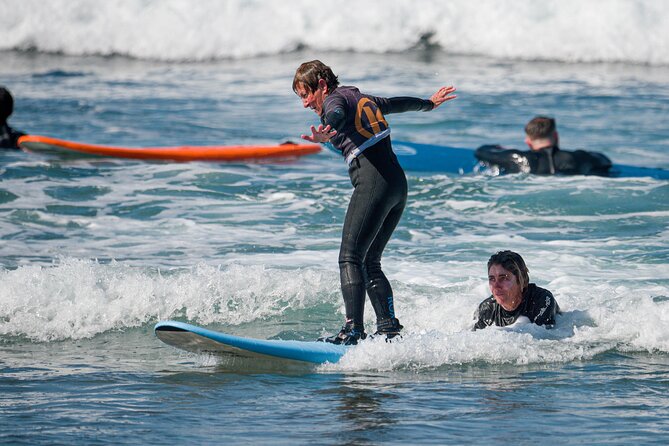
A group of up to 6 changes the entire lesson dynamic. Instead of being one face in a crowd, you get more chances to try, more attention when you’re stuck, and more tailored corrections.
From an expectations standpoint, this is a beginner-friendly format. The instructors can adapt the coaching because they can actually see what each person is doing. In interviews and responses tied to past classes, staff members highlight patience, kindness, and personal attention, including for middle-aged beginners trying something brand new.
You’ll still feel the ocean’s unpredictability, especially on days with bigger surf. But the teaching style is clearly about sticking with you. In one session context, the instructor even celebrated when people caught waves and stood, which is a small thing that makes a big difference when you’re learning and your confidence is fragile.
If you want a surf lesson that feels like coaching, not a conveyor belt, this group size is a major reason to book.
Timing, session length, and how to plan your day
The lesson runs for about 2 hours. That’s long enough to learn something real and try multiple wave attempts, but short enough that you can still enjoy the rest of Tenerife the same day.
Because the session is weather-dependent and condition-dependent, you should build your schedule with flexibility. If your plan has back-to-back tours and tight connections, you’ll want a buffer around the surf time.
If you’re driving, I’d also give yourself extra time for parking near Las Pameras. It’s a place where spaces can disappear fast.
A practical tip: wear clothes you’re comfortable changing out of. You’ll be in and out of the surf gear, and the included showers make it easy to clean up afterward. Bring a towel only if you prefer one you control, but the showers are part of the experience plan.
Value for $42.05: what you actually get
At about $42.05 per person for roughly 2 hours, this isn’t a luxury spa day price. It’s a straightforward activity cost—and you’re getting real components included:
- Instructor coaching
- Surfboard and full wetsuit kit (booties, neoprene suit, Lycra)
- Lockers, toilets, and showers
- Accident insurance
When you compare that to the typical cost of renting a board and wetsuit plus paying for instruction, the math usually lands better when the school handles everything. You don’t pay extra to assemble the pieces. And because it’s a small-group lesson, you’re not just paying for access—you’re paying for attention and feedback.
The only extra cost you should expect is getting yourself to the meeting point. Private transportation is not included, so plan your commute like a local.
Who should book this surf lesson (and who might hesitate)
I think this lesson is ideal for:
- First-time surfers who want instruction and a structured shot at standing up
- People who prefer small groups and clear coaching
- Visitors staying in or near Playa de las Américas who want a short, action-heavy activity
- Travelers who value safety details like accident insurance and locker access
You might hesitate if:
- You’re very sensitive to feeling rushed from instruction to water
- You need a slower, longer explanation phase before getting in the surf
- You’re expecting a gentle, always-calm experience. Some days can bring bigger waves, and beginners can still get coached through them.
If you do book and the surf is stronger that day, the best approach is to communicate early. Ask how to enter the water safely and what to prioritize for your first successful attempts.
After the lesson: clean up and keep enjoying Tenerife
One of the underrated wins here is that you don’t finish covered in salt and sand with nowhere to go. You get lockers and showers as part of the session, plus toilets. You can rinse off quickly, change back into dry clothes, and keep your day moving.
And because the school is right on the beachfront, you’re not ending your activity in the middle of nowhere. You’re right back in the Playa de las Américas rhythm, with plenty of options for food and downtime nearby.
Should you book Kontraola Surf School in Playa de las Américas?
Yes, I’d book it if you want a beginner-friendly surf lesson that’s built around real practice time. The biggest “go” factors for me are the small group size (max 6), the included gear, and the coaching approach that keeps working until people can stand up.
Before you go, do two simple things:
- Give yourself extra time to park if you’re coming by car.
- If you’re anxious about getting in the water, tell the instructor early so you can get guidance right away.
If you want a smooth, well-run way to try surfing on Tenerife—without turning it into a complicated logistics project—this is a solid choice.
FAQ
What is the duration of the surf lesson?
The experience lasts about 2 hours.
How much does the small group surf lesson cost?
It costs $42.05 per person.
What group size should I expect?
The lesson has a maximum of 6 travelers.
What language is the lesson offered in?
The lesson is offered in English.
What’s included in the price?
It includes an instructor, surf equipment (surfboard, booties, neoprene suit, and Lycra), accident insurance, lockers, toilets, and showers with bath gel.
Where do I meet the surf school?
You meet at Kontraola – Tenerife Surf School powered by Quiksilver and Roxy, Calle México, C.Comercial Las Pameras, Local 11, 38660 Playa de la Américas, Santa Cruz de Tenerife, Spain. The activity ends back at the meeting point.
What happens if the weather is poor?
This experience requires good weather. If it’s canceled due to poor weather, you’ll be offered a different date or a full refund.