REVIEW · TENERIFE
Private Surfing Lesson at Playa de las Américas
Book on Viator →Operated by Tenerife Surf Point · Bookable on Viator
Surfing is easier when someone’s on your side. This private lesson in Playa de las Américas pairs one-on-one instruction with a technique check using photo analysis after you hit the water, so you learn fast without second-guessing. I like that the school keeps it welcoming for complete beginners, but you do want to remember this activity depends on good weather and you’ll need a moderate fitness level to enjoy the session.
What really impressed me is how well the instruction removes the usual friction: you get lessons in English, Spanish, Russian, and Latvian, so you’re not stuck playing telephone with surfing basics. One possible drawback: because it’s a private session for only your group, you’ll want to show up on time and stay mentally ready for the full 2 hours, not just a quick trial.
In This Review
- Key highlights at a glance
- Why Playa de las Américas is a smart choice for your first surf
- Private instruction that actually helps your technique
- Gear is handled for you (so you can travel light)
- The 2-hour lesson format: theory, practice, and photo feedback
- 1) Start with the lesson basics (theory)
- 2) The practical portion: time on the water
- 3) Photo analysis after surfing
- Where Tenerife Surf Point fits into your day
- What you’re really paying for: $133.08 for a private learning session
- Beginner-friendly, but not casual fitness-free
- Language support that keeps the lesson flowing
- What to bring and how to plan your day
- Should you book this private surfing lesson at Playa de las Américas?
- FAQ
- How long is the private surfing lesson?
- Is this a private tour/activity?
- Do I need surfing experience?
- What’s included in the lesson for gear?
- What languages are the lessons taught in?
- Where do I meet for the lesson?
- What happens after the surfing practice?
- Is the activity near public transportation?
- What fitness level is required?
- What if the weather is bad?
Key highlights at a glance
- Private instructor coaching just for your group, so you get quicker feedback
- Multilingual lessons in English, Spanish, Russian, and Latvian
- Beginner-friendly plan with no experience required
- Gear included: surfboard, reef booties, and wetsuit rental
- Theory + practice + photo analysis to help you improve after the waves
Why Playa de las Américas is a smart choice for your first surf
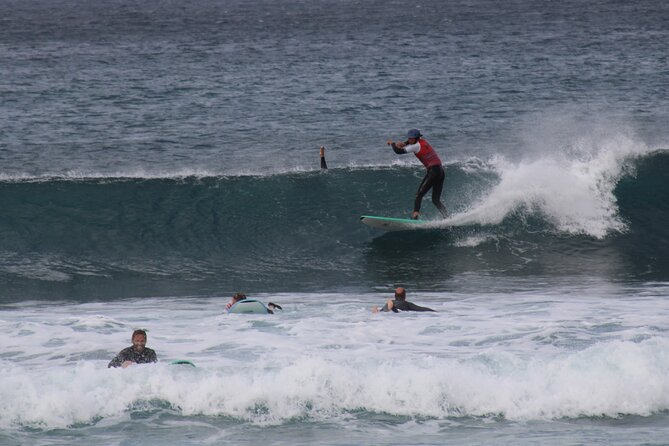
Playa de las Américas is built for water sports tourism, so it’s an easy place to set your first surfing goal. The vibe is practical: you’re not dealing with complicated logistics or lots of uncertainty about where to start. For a first timer, that matters. You want to focus on balance, timing, and getting up—not on figuring out the whole beach setup.
The lesson format also makes sense for real learning. You get some before you go in the water, then you go in and practice, then you get a photo review after. That flow is great for building confidence. You don’t just get tossed into the ocean and hoped-for-the-best.
Also, you’re doing all of this in a private setting. That means your instructor can adjust pace and explanations to match what you need, whether you’re nervous or you’re just eager to stand up and ride.
You can also read our reviews of more private tours in Tenerife

Private instruction that actually helps your technique
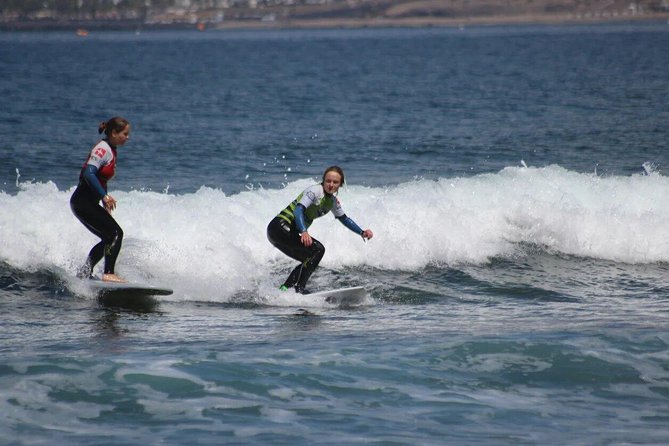
This isn’t a crowd lesson. It’s a private tour/activity, meaning only your group participates. That one detail changes the whole feel of the session. In a private setup, you’re more likely to get immediate correction when something small is going wrong—like where your weight is landing when you try to pop up.
You’ll also hear coaching in multiple languages. The school offers lessons in English, Spanish, Russian, and Latvian. If language is what normally slows you down, this takes away that barrier. You can understand what your instructor is saying the first time and get to practicing sooner.
From the review notes, I’d put extra weight on the teaching style. People highlight instructors who are fun and funny, and who explain things in a way that makes beginners feel comfortable. One reviewer specifically called out George as an amazing tutor—helpful and clearly good at coaching in a way that made the day work.
Gear is handled for you (so you can travel light)
Here’s the value that often gets overlooked: you’re not showing up and immediately realizing you need half a gear shop. The surf school includes surfboard use plus reef booties and a wetsuit rental.
That means you can pack normally and avoid the “did I bring the right stuff” stress. For many visitors, surf gear is either bulky or expensive to buy for one trip. Renting it locally is the simpler move.
One more practical point: reef booties matter for comfort. You’ll be standing, walking around, and getting in and out near the water. Having the right footwear makes you more likely to stay relaxed and focused instead of dealing with pain or distraction.
The 2-hour lesson format: theory, practice, and photo feedback
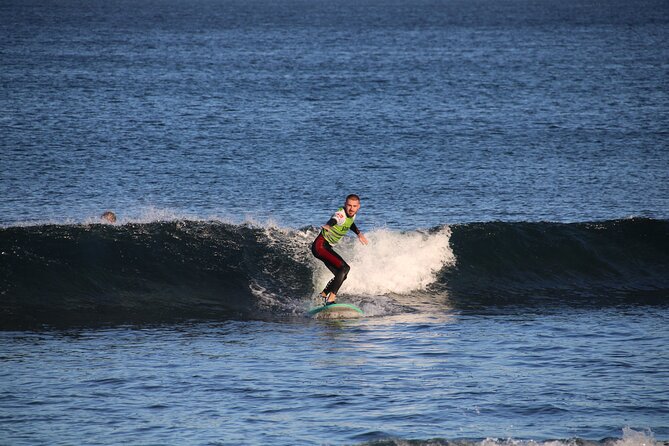
This session is designed around a clear rhythm. You get theory, then a practical surf block for about 2 hours in total, and then photo analysis after the lesson. Even if you don’t consider yourself athletic, that structure gives you something concrete to aim for at each stage.
1) Start with the lesson basics (theory)
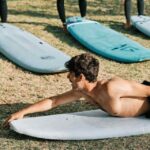
The theory part isn’t meant to be a lecture. It’s there so you understand the key movements and safety basics before you’re out trying them. For first-time surfers, the goal is usually to stop guessing. You’ll typically learn how to position yourself on the board, what to do with your arms for balance, and how to manage the timing with incoming waves.
If you’re the nervous type, theory helps you feel in control. You’ll know what you’re supposed to do before you test it.
You can also read our reviews of more tours and experiences in Tenerife
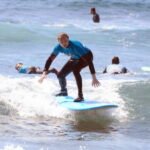
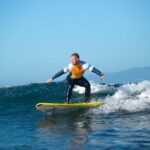

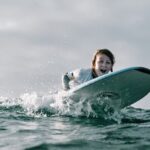
2) The practical portion: time on the water
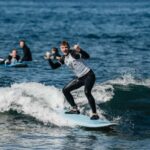
Then it’s straight into practice. This is where the private format helps most. You’re likely to get repeated coaching cues tailored to you. For example, if you’re popping up awkwardly or losing stability, the instructor can adjust you right away.
The review comments emphasize fast learning and a good teacher who makes it feel like fun instead of a hard task. That lines up with the best beginner experience: lots of attempts, quick corrections, and encouragement that keeps you from freezing up.
3) Photo analysis after surfing
The part I particularly like is the photo review after you’re done. Surfing is visual. Your body position can be hard to “feel” in the moment. Seeing what happened—how your stance looked or how your timing worked—makes improvement easier.
Even for people who don’t ride waves perfectly, photo feedback gives you something you can remember. You’ll leave with a few clear fixes instead of vague, I think I did okay.
Where Tenerife Surf Point fits into your day
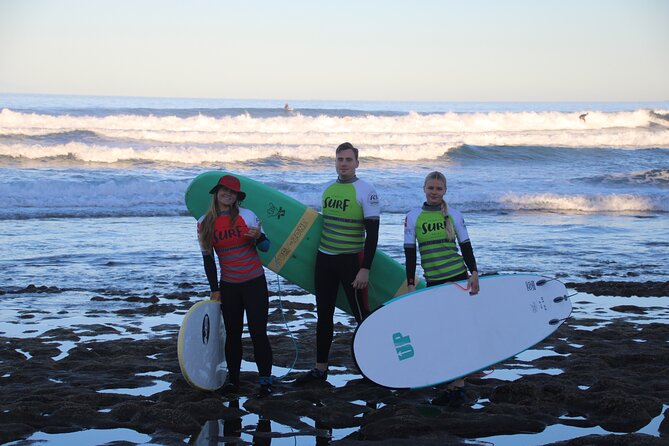
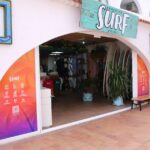
The meeting point is Tenerife Surf Point, at Av. Rafael Puig Lluvina, 32, 38650 Playa de las Américas, Santa Cruz de Tenerife. The activity ends back at the meeting point, so you’re not stuck figuring out transport to a distant drop-off.
It’s also near public transportation. That matters if you’re trying to make this fit into a day that already has beach time, sightseeing, or dinner plans.
What I recommend is treating the start time seriously. Since the lesson includes gear, setup, and a planned flow from theory to practice to photo analysis, arriving late can shorten the actual “surf time” you came for.
What you’re really paying for: $133.08 for a private learning session
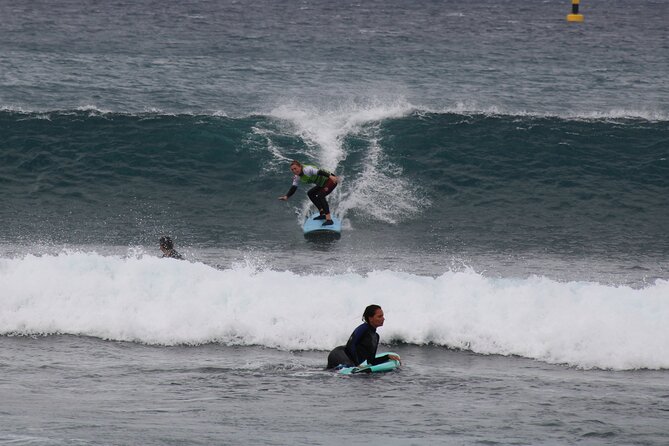
The price is $133.08 per person for approximately 2 hours. At first glance, that’s not the cheapest way to try surfing. But you’re paying for three things that add real value:
1) Privacy: you’re the only group, so coaching is more targeted and adjustments happen faster.
2) Time efficiency: theory + practice + photo analysis is a structured learning loop, not just hanging out at a beach.
3) Included equipment: surfboard, reef booties, and wetsuit rental are part of the deal.
If you compare it to “cheap group surf” options, the math usually comes out to this: you might pay less up front, but you can spend more time waiting, misunderstanding cues, or trying without corrections. With private instruction, you’re more likely to get your feet under you sooner—and feel proud of what you learned.
The reviews also back up the value signal. A 4.9 rating from 167 reviews, with 99% recommended, suggests people felt they got what they paid for: fun instructors, real teaching, and a beginner experience that turns into a new passion for some.
Beginner-friendly, but not casual fitness-free
No experience is needed, which is great if you’ve never stood on a board before. But the tour notes do ask for moderate physical fitness. That’s normal for surfing. Even when you’re learning, you’ll be doing repeated paddling, balancing, getting up, and getting back down.
So think of it like this: you don’t need to be a gym athlete. You do need to be willing to work with your body for a short stretch of time.
If you have mobility limitations or you know you get winded quickly, you might want to plan a different type of activity. But if you’re generally active and you can handle water and basic exertion, you’re in the right zone.
Language support that keeps the lesson flowing
A big plus here is the language coverage. The surf school teaches in English, Spanish, Russian, and Latvian. That means you’re less likely to lose instruction details because of translation gaps.
In practice, that helps you learn faster. Surf technique often depends on a few specific cues. If you understand those cues immediately, you can spend more time practicing the right thing.
It also makes the whole experience calmer. You’re not standing there nodding while hoping you guessed correctly.
What to bring and how to plan your day
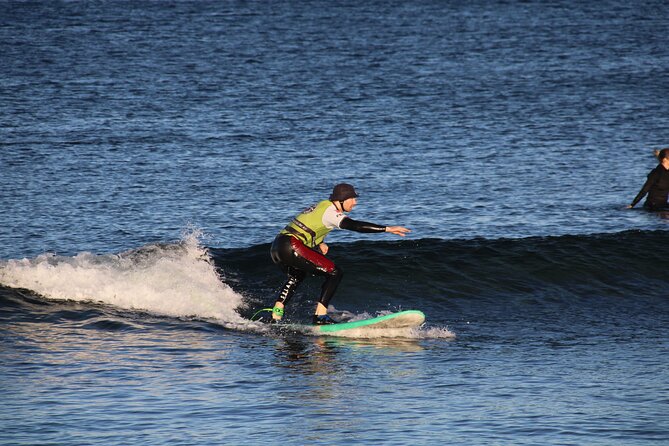
The tour data focuses on rental equipment, so what you bring is mostly about comfort. Plan to dress for sun and saltwater, and expect you’ll likely be wet during parts of the lesson.
I’d also plan your schedule around the lesson timing. Since the session includes theory, practical surf time, and photo analysis afterward, treat the 2 hours as a block. It’s not just a quick hour at the beach.
One more practical thing: because good weather is required, keep your expectations flexible. If the activity can’t run due to poor conditions, you’ll either be offered a different date or a full refund, so it’s worth choosing a day when you’re not locked into tight plans.
Should you book this private surfing lesson at Playa de las Américas?
Book it if you want the fastest path from first-timer nerves to real wave skill. The private format, the multilingual coaching, and the included gear all help you focus on learning instead of logistics. The icing on the cake is the photo analysis—especially for beginners, it’s a clear way to understand what to fix next.
Skip (or at least consider alternatives) if you’re not up for moderate physical effort or if your schedule can’t handle potential weather changes. Surf works when conditions cooperate. If they don’t, you’ll be rescheduled or refunded.
If you’re on the fence, here’s my straight take: this is the kind of lesson that can turn surfing from a bucket-list idea into something you want to repeat. And with a 4.9 score and consistent praise for instructors who teach in a fun, effective way, you’re not walking into a gamble.
FAQ
How long is the private surfing lesson?
The lesson is approximately 2 hours.
Is this a private tour/activity?
Yes. It’s private, and only your group will participate.
Do I need surfing experience?
No experience is needed. The lesson is designed for first-timers.
What’s included in the lesson for gear?
A surfboard, reef booties, and wetsuit rental are included.
What languages are the lessons taught in?
The lessons are taught in English, Spanish, Russian, and Latvian.
Where do I meet for the lesson?
You meet at Tenerife Surf Point, Av. Rafael Puig Lluvina, 32, 38650 Playa de las Américas, Santa Cruz de Tenerife, Spain.
What happens after the surfing practice?
After the practical part, there’s photo analysis as part of the experience.
Is the activity near public transportation?
Yes, it’s near public transportation.
What fitness level is required?
A moderate physical fitness level is recommended.
What if the weather is bad?
This experience requires good weather. If it’s canceled due to poor weather, you’ll be offered a different date or a full refund.