REVIEW · TENERIFE
Mojo Workshop Cooking Class in Ancient Canarian Village
Book on GetYourGuide →Operated by Casa Carmen · Bookable on GetYourGuide
Mojo tastes better when you make it yourself. In the historic village of Chirche, South Tenerife, you’ll learn to build red and green mojos with a mortar and pestle while Chef Ave and Erik share where the flavors come from. It’s a small, human experience, not a scripted food show.
I also love the way the tasting is built for real learning: you’re not just eating—you’re understanding food pairing with local ingredients in an authentic rural setting. One consideration: the class happens in a village home and isn’t suitable for people with mobility impairments or wheelchair users.
In This Review
- Key Highlights Worth Prioritizing
- Why Chirche Turns Mojo Into More Than a Class
- Casa Carmen and the Historical Village Atmosphere
- Your Mojo Lesson: Red and Green, Made by Hand
- Storytelling That Improves How You Taste
- The Tasting and Food Pairing You’ll Actually Remember
- Refreshments, “Chef-Run” Flow, and Group Size Benefits
- Price and Value: Why $34 Can Feel Like a Lot More
- Practical Notes: Time, Language, and How to Plan Your Arrival
- Who This Workshop Suits Best (and Who Might Skip It)
- Should You Book the Mojo Workshop in Chirche?
- FAQ
- How long is the Mojo Workshop Cooking Class?
- How big is the group?
- Is the workshop taught in English?
- What will be included in the experience?
- Where do I meet, and is pick-up available?
- Who is this activity not suitable for?
- Can I book flexibly or cancel if plans change?
Key Highlights Worth Prioritizing
- Chirche village setting: terrace fields and old threshing areas set the scene for Canarian food culture
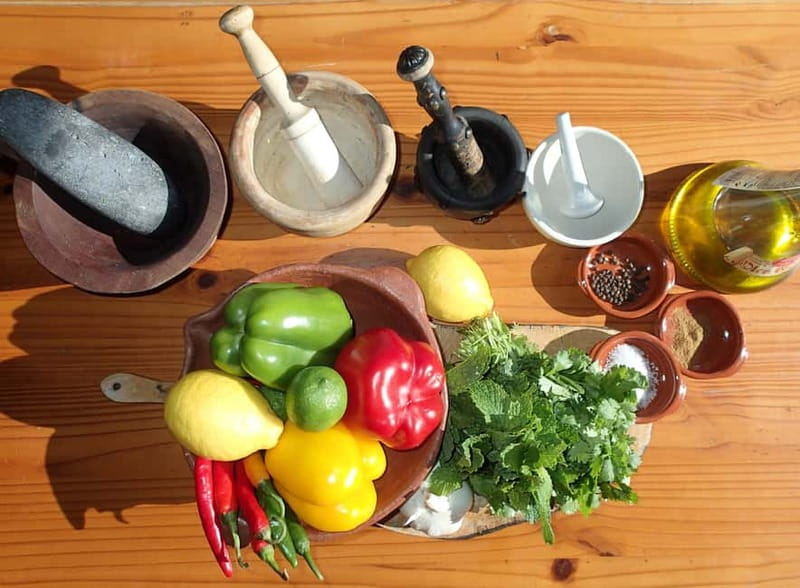
- Hands-on mortar-and-pestle mojo: you’ll actively make red and green sauces, not just watch
- Chef Ave + Erik storytelling: two voices, one focus—how and why these ingredients matter
- Tasting with real pairing: mojos plus local foods and drinks (more than bread and sauce)
- Small group size (max 8): you get time to ask questions and follow the steps closely
Why Chirche Turns Mojo Into More Than a Class
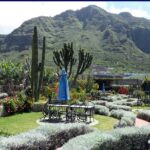
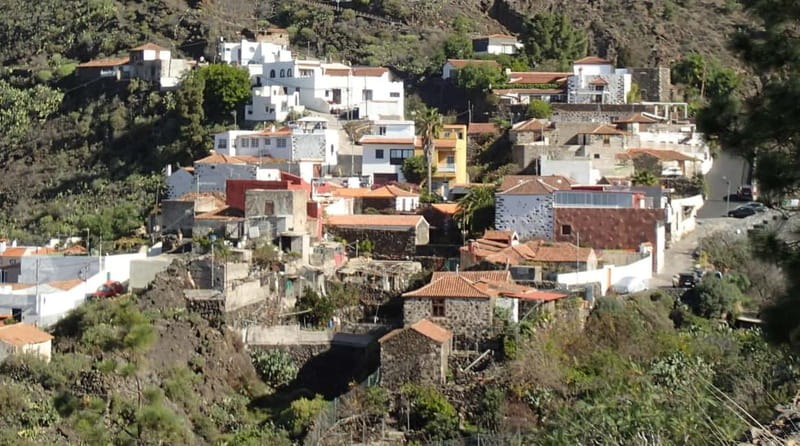
Tenerife has plenty of food tours. This one feels different because the sauce is the lesson, but the village is the context. You start in Chirche, a historic spot where you can see terrace fields and threshing grounds. That matters, because mojos grew up in a place where food had to be practical, seasonal, and flavorful without being complicated.
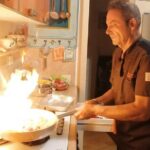
You’ll work with local fresh ingredients and make traditional mojos the Canarian way. Chef Ave runs the cooking side, and she has long-standing kitchen experience as chef de cuisine on cruise lines. That kind of background usually shows up in how smoothly the class runs and how clearly the steps are explained.
Then Erik adds the other half: the stories. He’s the one who keeps the mood light while talking about island history and the culinary reasons behind what you’re making. I like that mix. It keeps you curious while your hands learn the recipe.
You can also read our reviews of more cooking classes in Tenerife
Casa Carmen and the Historical Village Atmosphere
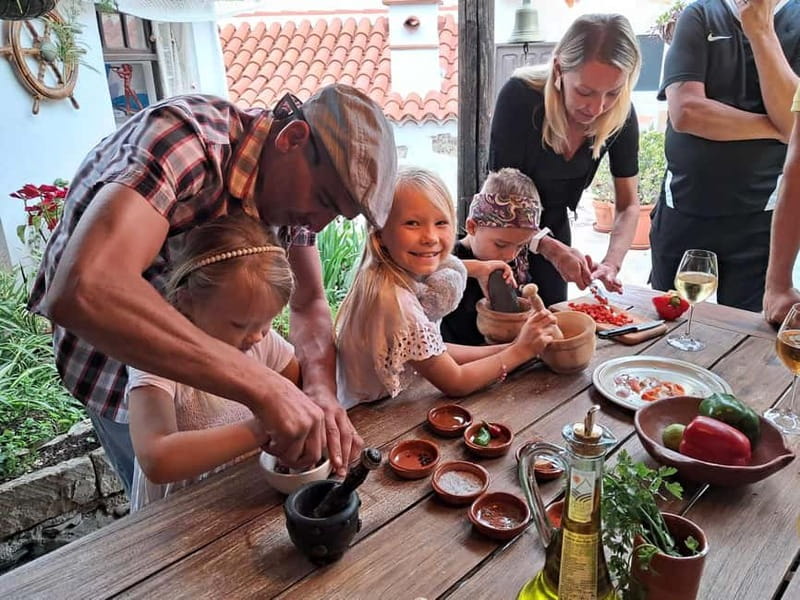
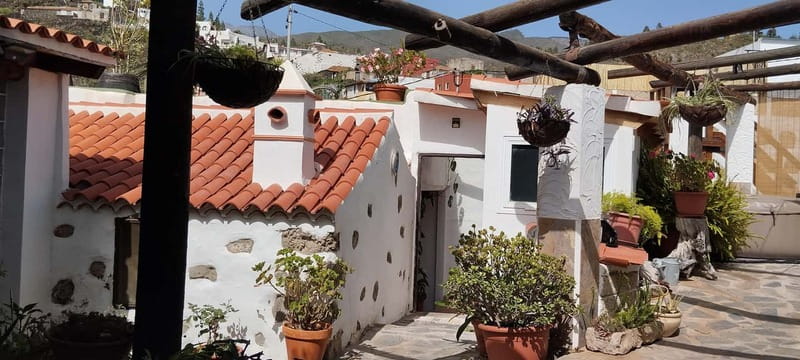
Your meeting point is Casa Carmen on C/ San Felipe, Nº 18, 38688 Chirche (South Tenerife). Even if you only think of it as a location, the house matters. The workshop setting has a clear Spanish character, and it feels like a real home rather than a staged venue.
Chirche itself is the star background. You’re not spending two hours in a generic tasting room. You’re in a rural, older village where daily life historically revolved around small plots and traditional methods. That’s why the food stories land better. When you understand the land and the routine behind ingredients, mojos stop being random sauces and start feeling like a living tradition.
If you’re driving, plan for the village roads. Some people find Chirche a bit of a challenge to reach by car, but the payoff is that you arrive somewhere quiet and genuinely local.
Your Mojo Lesson: Red and Green, Made by Hand
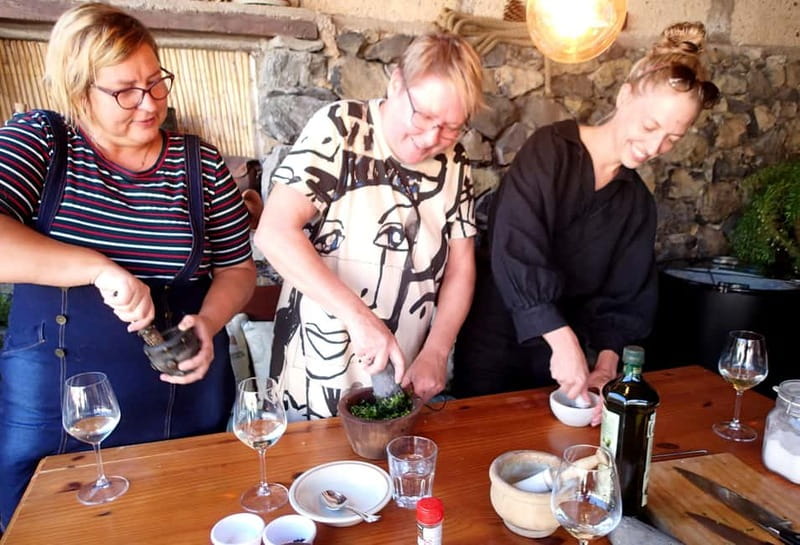
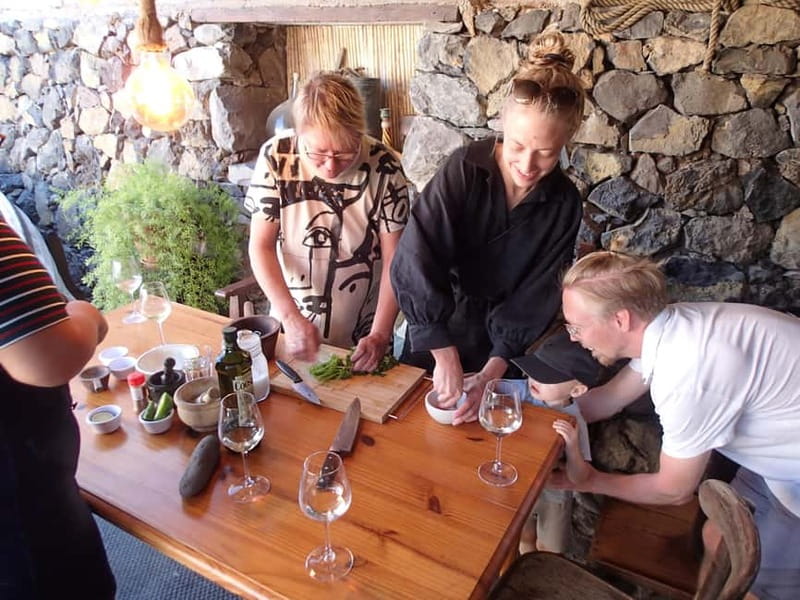
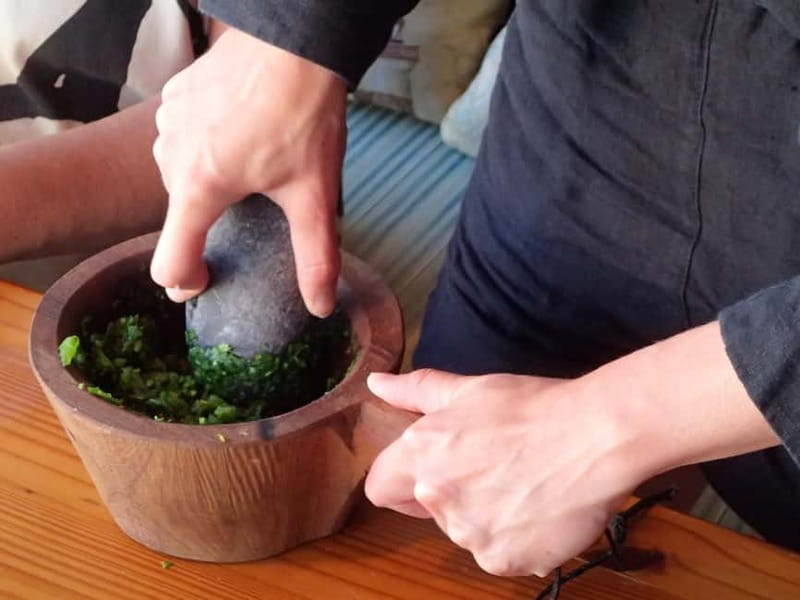
This workshop centers on mojo-making, specifically traditional red and green mojos. Expect hands-on time with a mortar and pestle. That tool is more than a novelty. Grinding and mixing this way forces you to slow down and pay attention to texture. You’ll feel the paste change as ingredients break down and blend.
The instructor-led approach works well for beginners. One of the great things about having Chef Ave guide you is that the technique is taught as something you can actually do, even if it’s your first cooking class. The steps are easy to follow, and you’re not left guessing at any point.
What you’re learning isn’t just how to make a sauce that tastes good. You’re picking up the logic behind the flavors—how the ingredients work together and why certain versions show up across the Canaries. Erik’s stories connect those dots, so your mojos don’t taste like they came out of a jar.
Storytelling That Improves How You Taste
I’ve done plenty of tours where the talk feels separate from the food. Here, the stories act like a flavor guide. Erik shares entertaining commentary about the origins of ingredients and the island’s culinary culture. It’s not dry. It’s the kind of explanation that keeps you listening while you cook.
This is where the small group size helps. With a limited number of participants (up to 8), the conversation has room to breathe. You can ask questions and get answers that are actually relevant to what you’re working on. If you like food history but hate lectures, this format is a nice compromise: learn enough to make the taste make sense, without turning the evening into a classroom.
The Tasting and Food Pairing You’ll Actually Remember
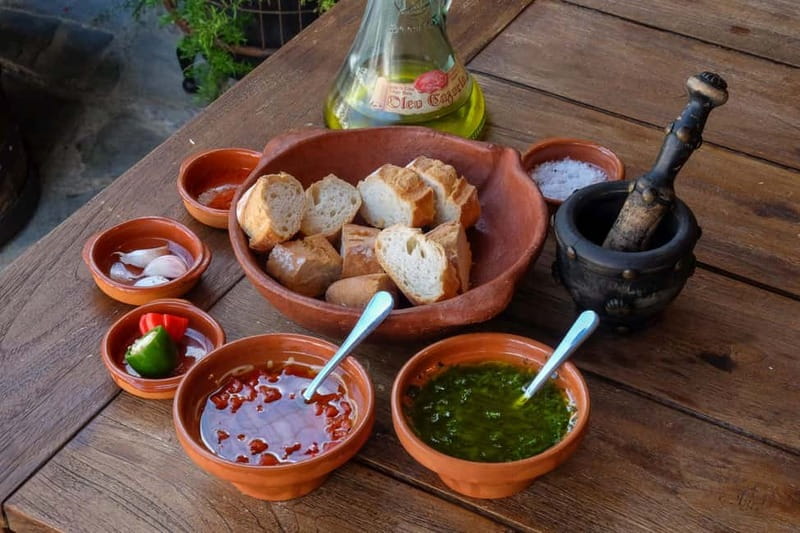
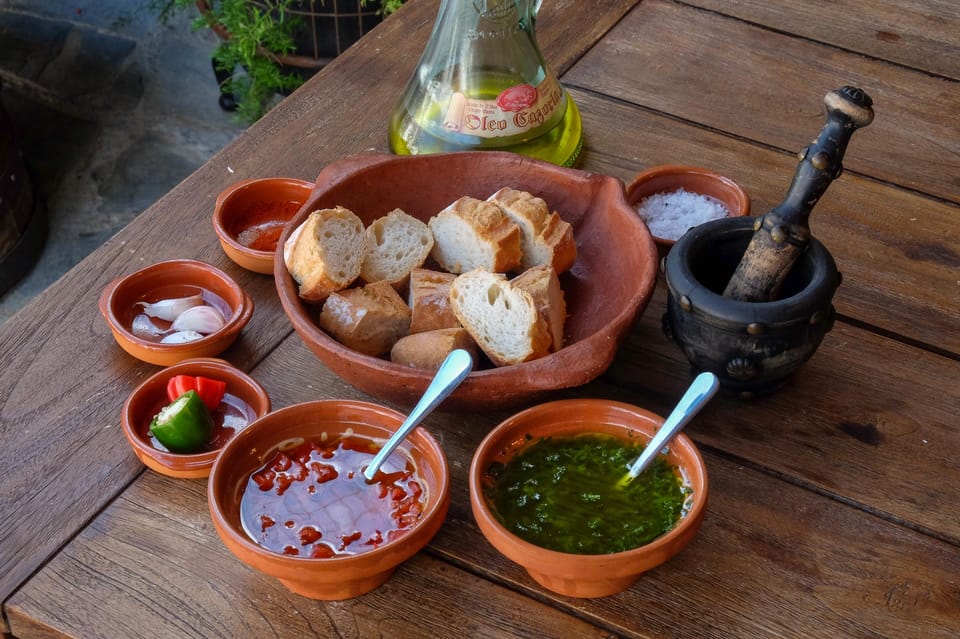
The experience includes a tasting and food pairing. And based on what you’ll be served at the end, it’s not just a quick bite to finish the class. The tasting tends to feel like a shared meal.
You’ll enjoy the mojos you made, then expand from there with local foods and pairings. Many people describe Canarian potatoes and tapas as part of the tasting spread, along with drinks such as wine or beer and lemongrass lemonade. The specifics can vary from day to day, but the consistent message is clear: you eat well, using local ingredients, not tourist-style filler.
This is a big value point for me. At $34 per person for a 2-hour session, the cost only makes sense if you’re leaving full and informed. The way the tasting is structured makes it feel like you got more than a recipe. You get a mini lesson in how mojos behave next to carbs, snacks, and drinks.
And because you made the sauce yourself, the tasting isn’t passive. You notice differences more clearly, and you start thinking about how you might recreate the balance at home.
You can also read our reviews of more tours and experiences in Tenerife



Refreshments, “Chef-Run” Flow, and Group Size Benefits
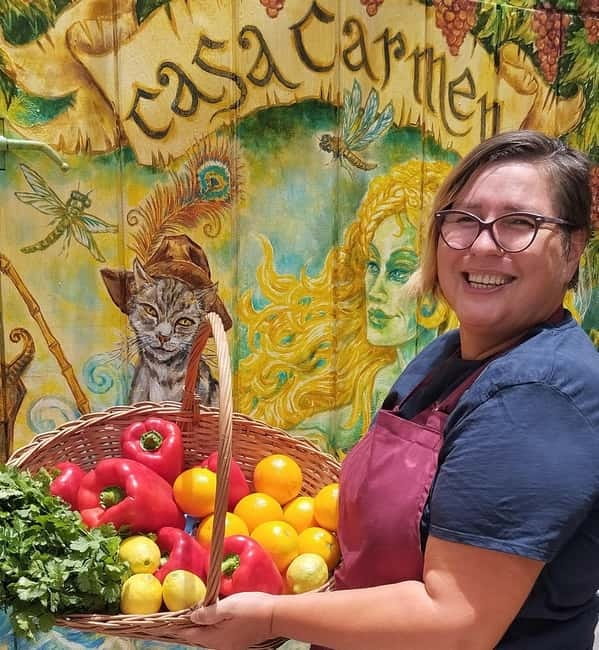
The class includes refreshments during the event. That might sound minor, but it supports the pace of a hands-on workshop. Cooking makes you work, tasting makes you evaluate, and storytelling makes you pay attention. You want energy and comfort in the middle of that loop.
Chef Ave and Erik also keep things smooth. A lot of guests comment on how welcoming and warm the hosts are, and that matters more than people expect. When you’re working with food tools like a mortar and pestle, it helps to feel relaxed, not rushed.
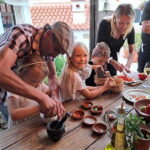
The group is limited to 8 participants, and that changes the vibe. You’re not waiting for someone else to finish before you can ask your question. You’re guided step by step and held to the cooking basics that make mojos taste right.
Price and Value: Why $34 Can Feel Like a Lot More
At $34 per person for 2 hours, this is one of the better-priced food experiences I’ve seen for what you actually get. The main reason is simple: you’re paying for three things at once.
First, you’re paying for real technique—hands-on mojo-making with Chef Ave’s instruction. Second, you’re paying for tasting and pairing, which usually means more than just bread and sauce. Third, you’re paying for storytelling and context from Erik, so you leave with a better understanding of Canarian food culture.
If you only wanted a quick bite, you could do cheaper. But if you want a small-group, local, educational meal in a real village setting, the price feels fair. It’s also the kind of activity that can genuinely serve as a highlight day, not just another stop on your itinerary.
Practical Notes: Time, Language, and How to Plan Your Arrival
The workshop runs for 2 hours. That’s long enough to cook, taste, and get the story thread. It’s short enough that you won’t feel stuck on a schedule all day.
The instruction is in English. That’s a big plus if you don’t want to piece together cooking instructions while you’re hungry.
Transport is not included. You can arrange optional pick-up from the South-Tenerife area, but you’ll want to plan ahead. If you’re renting a car, remember that Chirche can be a bit tricky to drive through. If you’d rather avoid that stress, the optional pick-up option can be worth considering.
For comfort, wear shoes you can stand in. The activity isn’t presented as an accessibility-friendly experience, so plan for a bit of walking and settling into a home setting.
Who This Workshop Suits Best (and Who Might Skip It)
This is a strong fit if you want local food taught by people who care, in a small group, with stories that make flavors click. It’s especially good for:
- Food lovers who want hands-on sauce-making skills
- Travelers who are tired of “tourist-only” tastings
- Families with older kids who can handle a cooking workshop (many families describe it as a fun shared activity)
- Couples and friends who like a relaxed evening that feels genuinely Tenerife
It’s not suitable for people with mobility impairments, wheelchair users, or babies under 1 year. If any of those apply, skip this one and look for a different format in Tenerife that’s designed for accessibility.
Should You Book the Mojo Workshop in Chirche?
If you’re asking yourself whether a cooking class is worth it, this one makes a good case. You get hands-on mojo-making, storytelling with real context, and a tasting that often feels like a full meal. And all of it happens in Chirche, in South Tenerife, where terrace fields and old threshing areas give the food meaning.
Book it if you want authentic rural Tenerife energy and you enjoy learning while you eat. Skip it if accessibility is a concern, or if you only want a quick snack without the cooking portion. For most people who come to Tenerife to experience real culture, this is a high-value, low-drama way to spend two hours.
FAQ
How long is the Mojo Workshop Cooking Class?
The class lasts 2 hours.
How big is the group?
It’s a small group limited to 8 participants.
Is the workshop taught in English?
Yes, the instructor teaches in English.
What will be included in the experience?
You’ll get the cooking class, an instructor, tasting, storytelling, and refreshments.
Where do I meet, and is pick-up available?
You’ll meet at Casa Carmen, C/ San Felipe, Nº 18, 38688 Chirche, South Tenerife. Optional pick-up is available from the South-Tenerife area, but transport is not included.
Who is this activity not suitable for?
It isn’t suitable for people with mobility impairments, wheelchair users, or babies under 1 year.
Can I book flexibly or cancel if plans change?
You can cancel up to 24 hours in advance for a full refund. You can also reserve now and pay later to keep your plans flexible.