REVIEW · TENERIFE
Rural Life Experience: Mojo Workshop and botanical Walk
Book on GetYourGuide →Operated by Corazón Verde La Gomera · Bookable on GetYourGuide
Mojo tastes different when you make it. This small-group La Laja walk and workshop gives you the plants, climate, and farm know-how behind the classic Canary Islands sauce, guided by botanist Zdenka and a gardener. I especially like the hands-on part where you grind ingredients with a mortar and stone, and the plant-focused explanation that turns food into real context. The main thing to consider: it can get hot on the walking portion, and the route is not a fit if you’re low on fitness or uncomfortable with heights.
You meet at the bus stop in central La Laja, beside the Plaza/Centro Social, then head into the village fields and valley area around La Laja. Groups are limited to just 4 people, so questions don’t get pushed to the end, and the guide can tailor explanations on the fly. The whole experience runs about 3.5 hours, and it’s led in German, Czech, English, and Spanish.
You’ll start with a botanical walk through local agriculture, then move into a practical lesson on planting, harvesting, and making mojo the traditional way. Expect tasting after the workshop too, usually with local potatoes or bread. If you go, bring a sun hat, sunscreen, and drinks, because this is an outdoors-forward experience.
In This Review
- Key highlights worth planning around
- Mojo in 3.5 Hours: how the day flows
- Meeting in La Laja: where to start and why location matters
- The botanical walk with Zdenka: plants, climate, and farm logic
- Fields and ingredients: learning to plant and harvest for mojo
- The traditional mojo workshop: mortar and stone technique
- What you’ll taste: mojo with local potatoes or bread
- Price and value: why $74 can make sense here
- Who should book, and who should skip
- Practical tips so the walk feels easy
- Should you book the Mojo Workshop and botanical walk?
- FAQ
- How long is the rural life experience?
- Where do I meet for the activity in La Laja?
- How many people are in each group?
- What languages are available for the instructor?
- What should I bring with me?
- Is this experience suitable for everyone?
- Can I cancel and get a full refund?
Key highlights worth planning around
- Botanist-led valley walk: Zdenka connects plants to the island’s climate and farming story
- Only 4 people per group: plenty of time to ask questions and slow down when needed
- Traditional mojo workshop: mortar-and-stone method for the real texture and flavor
- Harvest + plant examples: you’ll learn about planting coriander and Canary chilies
- Tasting with local basics: mojo gets paired with local potatoes or bread after you make it
Mojo in 3.5 Hours: how the day flows
This is a short, focused half-day that mixes two things people often separate on vacation: nature learning and food practice. You spend the morning (or whichever starting time is offered) walking through La Laja’s agricultural area with Zdenka, then you get your hands involved in the mojo-making process right after.
The total time is about 3.5 hours, which is a big deal on La Gomera. A lot of island experiences are either too long to fit into a day of ferries and viewpoints or too brief to feel meaningful. Here, the pacing is tight: enough walking to understand the local plant setting, enough workshop time to actually make sauce and taste how it differs when you do it yourself.
Also, the small group size changes the whole experience. With up to 4 participants, the guide can slow down for questions about specific plants or ingredients. That matters for mojo, because flavor isn’t only about a recipe. It’s about how ingredients are chosen, what they’re like in local conditions, and the physical method used to blend them.
You can also read our reviews of more walking tours in Tenerife

Meeting in La Laja: where to start and why location matters
You begin at the bus stop in the center of La Laja, right next to the Plaza / Centro Social. That’s useful information because it means you’re not trekking to a remote pickup point. You can usually connect the activity with your day using local movement options rather than dedicating extra time to transfers.
From that central starting point, the experience shifts into the everyday rhythm of a small mountain village: a walk toward the valley, then into the fields area where farming happens. You’re seeing the space the way a local would experience it, not as a staged attraction.
Language support is built in, which also helps you get more out of the walk. The instructor team offers instruction in German, Czech, English, and Spanish, so you’re not stuck guessing about plant names, soil conditions, or why certain ingredients are used.
The botanical walk with Zdenka: plants, climate, and farm logic
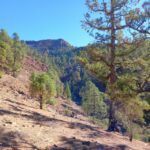
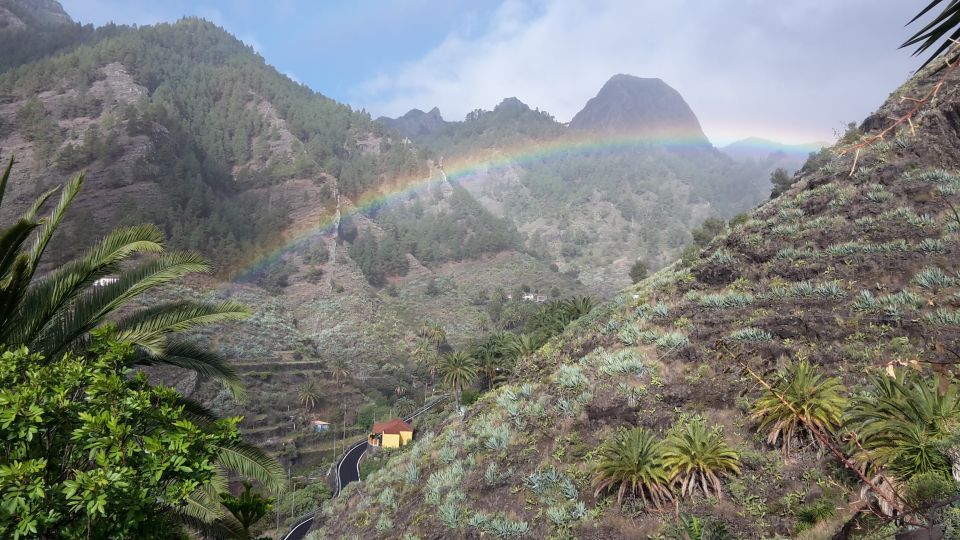
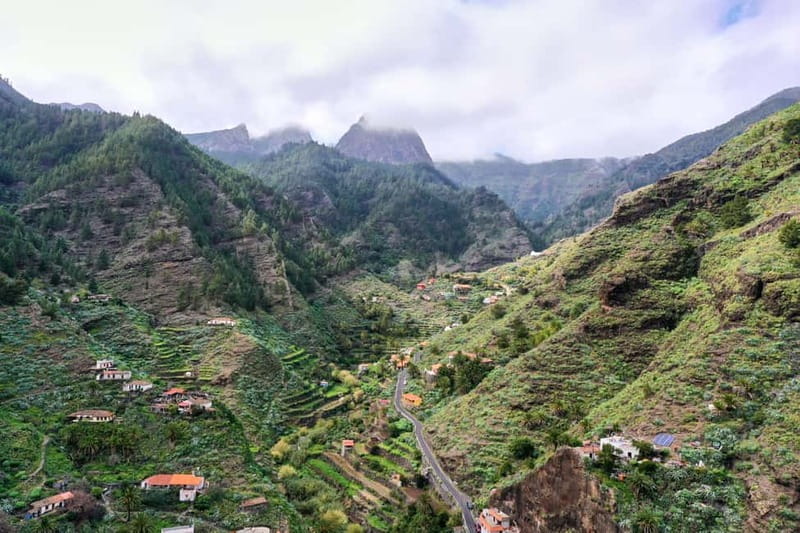
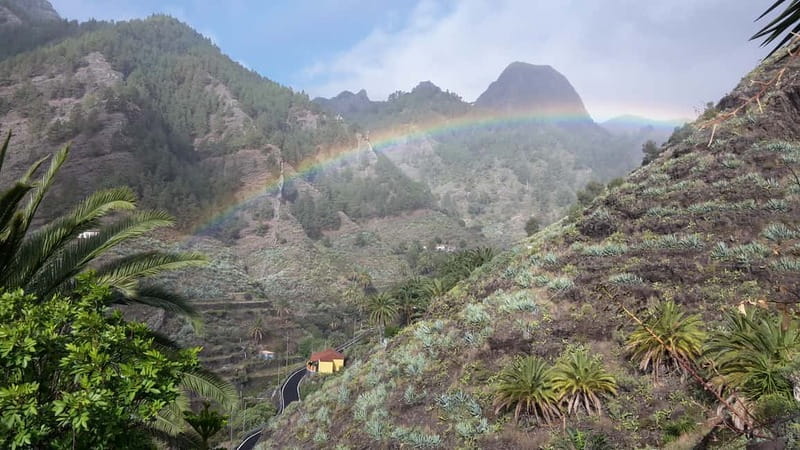
The core of the experience starts with a walk through the green valley area around La Laja. The point isn’t just scenic photos. It’s to understand why La Gomera’s agriculture looks the way it does, and how local plants fit the island’s conditions.
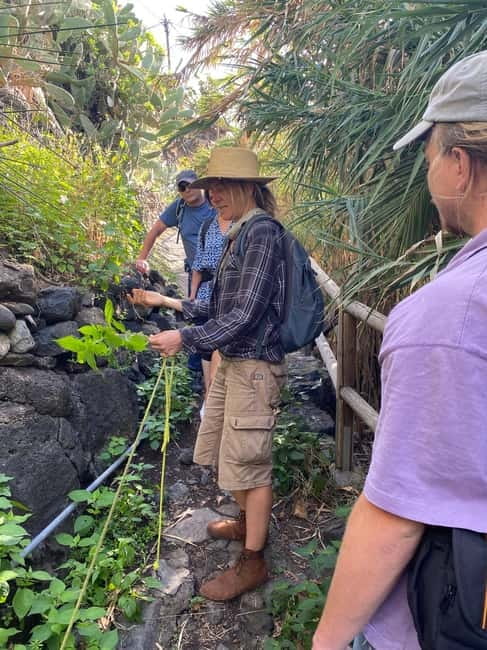
Zdenka, a gardener and botanist, explains the history and the island’s climate in a way that connects directly to what you’re seeing. When someone links plant behavior and farming decisions together, it makes the whole place feel more readable. You start noticing patterns: what grows where, what gets used in everyday cooking, and how seasonal conditions influence the work in the fields.
You’ll also have time to explore the agriculture during the walk. That’s where the experience becomes practical, because you’re not just receiving facts. You’re connecting those facts to real growing spaces—coriander beds, chili plants, and the kind of crop knowledge that’s passed down through daily work.
One more practical note: this is outdoors. It can get hot while you walk, so planning matters. I’d treat sun protection as essential gear, not optional.
Fields and ingredients: learning to plant and harvest for mojo
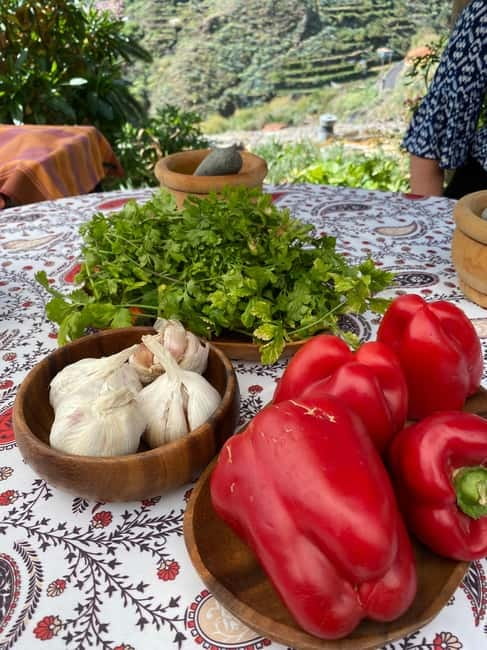
After the walk, you shift from looking to doing. In the fields area, you’ll learn how to plant things used in mojo, including coriander and Canary chilies. That’s a simple detail, but it’s the kind that changes how you think about flavor.
Instead of treating mojo like a packaged taste, you’ll see it as an ingredient story. Herbs and chilies don’t behave the same way everywhere, and the local versions used in La Gomera cooking carry their own character. When you learn what goes into the sauce, it also becomes easier to understand what you like, and why.
Then there’s the harvest part. You get the chance to harvest ingredients, which makes the workshop feel earned. You’re not just watching someone else work; you’re participating in the step that turns raw plants into mojo-ready components.
If you’re the kind of person who likes to leave tours with something you can recreate, this field-to-workshop flow is a big advantage. You walk out knowing not only the final flavor, but where the flavor comes from and how it changes through preparation.
The traditional mojo workshop: mortar and stone technique
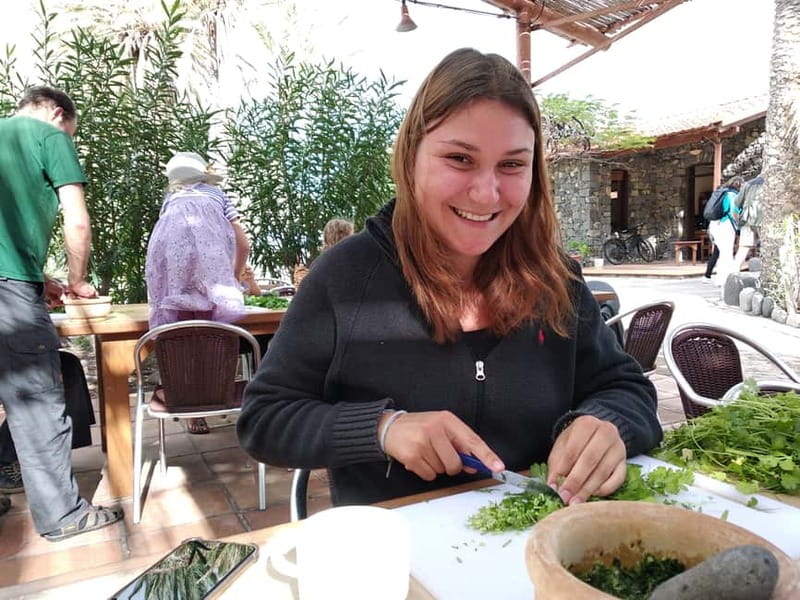
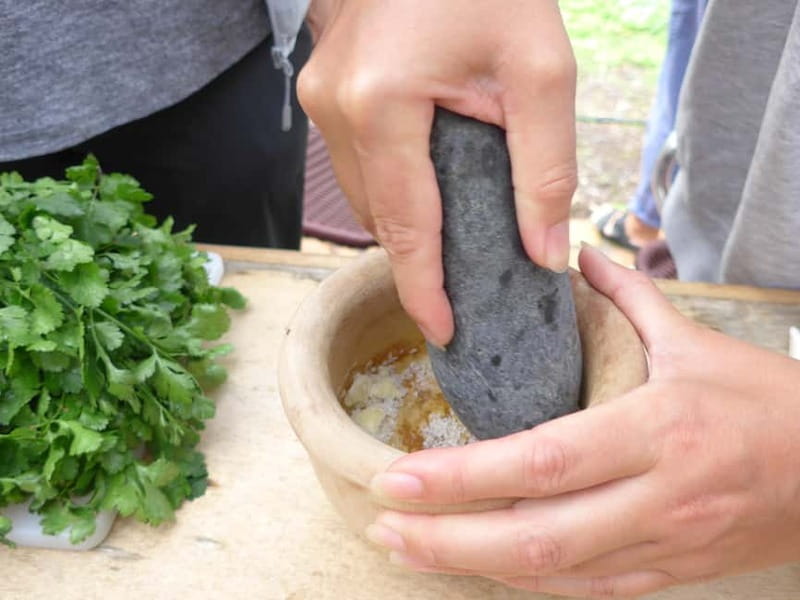
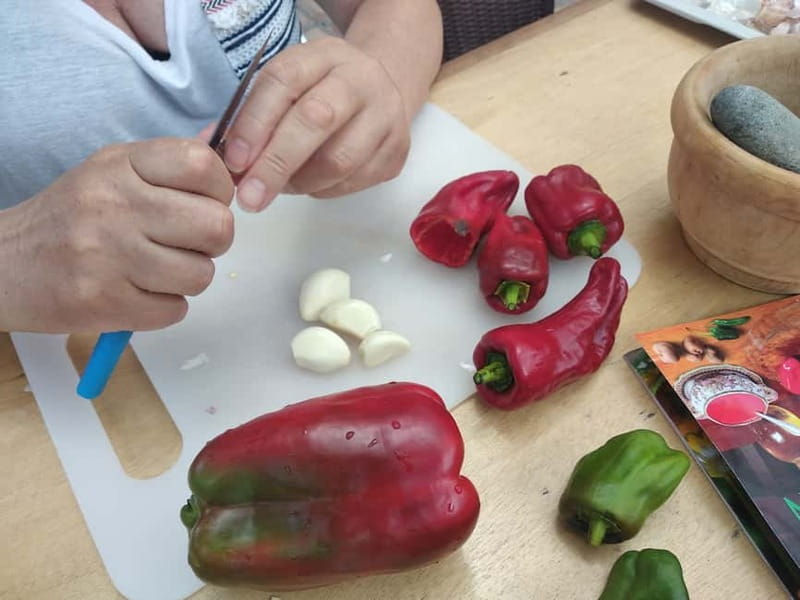
This is the main event: making mojo the traditional way. You’ll learn how to make the typical Canary Islands mojo using a mortar and a stone, and that method is more than a quaint tradition. It affects texture and how flavors meld, especially when you’re working with chilies, herbs, and garlic-type ingredients that you want properly broken down.
You’ll grind and prepare the sauce using the ingredients you’ve seen and harvested. This is where the small group size pays off again. With only a handful of people, the instructor can guide you step-by-step and correct technique before you end up with a sauce that tastes good but lacks the right body.
The workshop style here is practical. You’ll taste while you work, and you’ll get a feel for how adjustments change the result. If you love cooking, you’ll likely leave thinking about mojo as a method rather than just a fixed recipe.
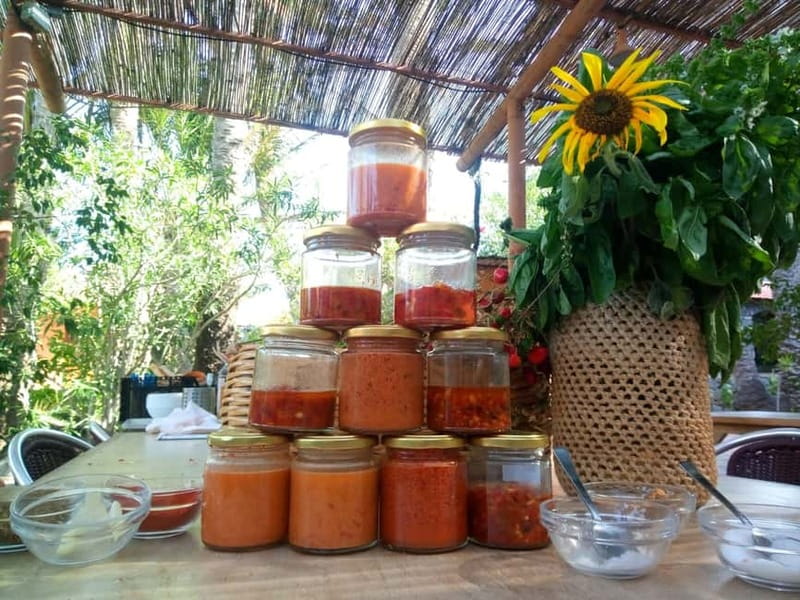
Also, you get a comparison tasting step: you’ll have the opportunity to taste another mojo along with local potatoes or bread. That contrast is useful because mojo isn’t one single sauce forever. It comes in variations, and tasting more than one version helps you notice what’s different and what you prefer.
You can also read our reviews of more tours and experiences in Tenerife





What you’ll taste: mojo with local potatoes or bread
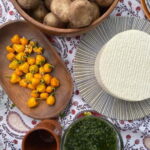
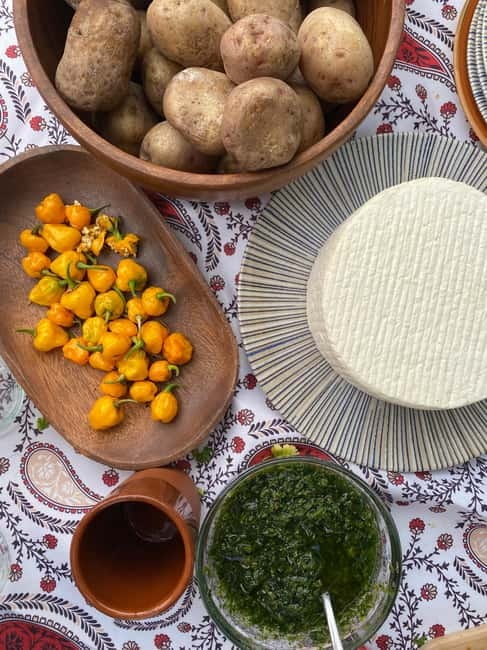
After the sauce-making, you get to taste mojo with some local potatoes or bread. This pairing matters because mojo is built to sit comfortably alongside everyday staples. In other words, you’re tasting it the way it’s likely eaten in real village life, not as an isolated condiment.
The workshop also includes tasting another mojo, so you can compare styles. That’s a smart approach for anyone who thinks mojo is simply red or green and done. Different preparation choices can shift heat level, herb intensity, and how thick or smooth the sauce feels.
If you’re planning a food-focused day on La Gomera, this is one of the better ways to build a flavor memory. You’re not just eating; you’re connecting what you did with what you taste.
Price and value: why $74 can make sense here
At $74 per person for about 3.5 hours, this tour isn’t trying to compete with the cheapest island activities. What you’re paying for is the combination of guidance, small group attention, and the workshop outcome.
Here’s where the value shows up:
- You get instruction from a botanist and gardener, not just a general guide.
- You make mojo yourself, using a traditional technique.
- You get a tasting with local potatoes or bread.
- The group is limited to 4, which directly improves the experience quality.
The one thing that can affect your real cost is transport to La Laja. Transport to La Laja is not included, so you’ll want to factor that in if you’re staying outside the area.
If you enjoy hands-on food learning, and you like nature and agriculture explanations, the price feels more reasonable. If you only want a short stroll and a sample, you might compare it with other free-access walks. But for a structured workshop with a botanist, you’re paying for expertise plus a tangible result.
Who should book, and who should skip
I think this fits best for people who like small groups, outdoor time, and learning through action. If you’re the type who asks how ingredients are grown, or you enjoy food history explained through daily farming, you’ll probably have a great time.
It’s also a strong pick if you want a single experience that covers more than one interest: plants and agriculture in the morning, then cooking and tasting right after. The day works well for food lovers who don’t want to spend all day inside.
A few practical caution flags:
- It is not suitable for people afraid of heights.
- It is not suitable for people with low level of fitness.
- It can be hot while walking, so you need sun protection and hydration.
If any of those points make you hesitate, you might still enjoy La Gomera, but you’ll likely want a gentler activity on your schedule.
Practical tips so the walk feels easy
This is where you can make the experience smoother fast. Keep it simple.
Bring:
- Sun hat
- Drinks
- Sunscreen
Wear:
- Comfortable shoes, since you’ll be walking through agricultural and valley terrain.
Plan:
- Take water breaks when offered or when you feel warm.
- If you have questions about plants or farming, don’t save them for later. With only four participants, your chance to ask is actually built into the flow.
And remember: you’re walking in a rural setting, so keep your expectations grounded. This isn’t a paved museum tour. It’s a working village environment with real agriculture as the backdrop.
Should you book the Mojo Workshop and botanical walk?
If you want a La Gomera experience that connects nature and agriculture to real cooking, I’d book it. You’ll leave with a better understanding of why mojo tastes the way it does, plus the satisfaction of making it with your own hands using a traditional mortar-and-stone method.
Book it especially if:
- You enjoy small-group learning.
- You like food workshops where you actively participate.
- You want explanations in multiple languages and you appreciate having time to ask questions.
Consider skipping it if:
- You’re worried about heights or uneven terrain.
- You know you struggle with longer hot walks outdoors.
- You mainly want a quick snack stop rather than a full guided workshop and tasting.
FAQ
How long is the rural life experience?
It lasts about 3.5 hours.
Where do I meet for the activity in La Laja?
You meet at the bus stop in central La Laja, next to the Plaza / Centro Social.
How many people are in each group?
The group is limited to 4 participants, so it’s kept small.
What languages are available for the instructor?
The instructor offers German, Czech, English, and Spanish.
What should I bring with me?
Bring a sun hat, drinks, and sunscreen.
Is this experience suitable for everyone?
It is not suitable for people afraid of heights or people with a low level of fitness. The walk can also be hot while walking.
Can I cancel and get a full refund?
Yes. You can cancel up to 24 hours in advance for a full refund.