REVIEW · TENERIFE
Private Excursions For Cruise Ship Passengers
Book on Viator →Operated by Gloma Travel · Bookable on Viator
A Teide day with no crowds? Yes. This private Tenerife tour is built for cruise timing, with port pickup and a route packed with the island’s most dramatic viewpoints. I like that you can keep the day focused on what you actually want to see, not whatever a big bus forces on everyone.
Two things I really like: port pickup that makes the logistics easier, and proper time at Teide-area stops where you can actually look around, not just be dropped off for a photo and rushed out. One thing to keep in mind: the schedule is weather-sensitive, and mountain temps can change fast—bring warm layers even if it feels mild down at sea level.
In This Review
- The big wins you’ll feel fast
- Cruise-port pickup and why a private Teide day can be worth it
- From Santa Cruz toward the Teide route: first views, then the forest-to-volcano feel
- Mirador de Chipeque: the Orotava Valley viewpoint you’ll remember
- Centro de Visitantes El Portillo: learning without making it boring
- Teide National Park: the main event, with smart time planning
- Los Roques de García: alien-rock vibes with Teide in the backdrop
- Mirador Minas de San José: the white-sand mirage moment
- Casa de los Balcones plus La Orotava gardens: where the day calms down
- Guide quality and the English factor: what matters in practice
- Timing, weather, and what to pack for a Teide day
- Price vs what you actually get in six hours
- Should you book this private Tenerife cruise highlights tour?
- FAQ
- What time does the tour start and where?
- Is this tour private?
- How long is the Tenerife highlights tour?
- What languages are offered?
- Is lunch included?
- Do you pay admission at the stops?
- Is there a mobile ticket?
- What happens if weather is bad?
The big wins you’ll feel fast
- Private by design: just your group, so the pace is adjustable and you avoid the herd
- Cruise-port pickup from Muelle Santa Cruz de Tenerife at 9:00 am makes the day feel organized
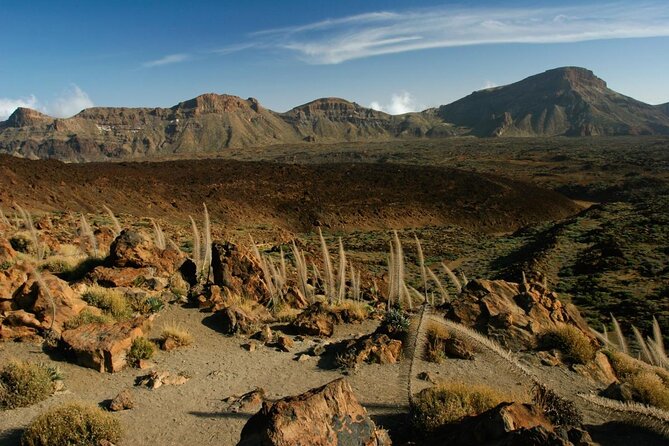
- Teide-area viewpoints like Mirador de Chipeque and Los Roques de García deliver big panoramas for photos
- El Portillo Visitor Centre includes a small museum stop with free entry and a look at a volcanic tube
- La Orotava finish: Casa de los Balcones plus botanical and Victoria Gardens for a calmer, culture-and-plants ending
- Not just sightseeing: multiple guides (including Diego, Joel, Johnny, and Indira) were praised for clear English and smart, local explanations
Cruise-port pickup and why a private Teide day can be worth it
This is the kind of Tenerife trip that makes sense when you’re on a cruise and time is tight. You start at Muelle Santa Cruz de Tenerife with pickup arranged from inside the port, so you’re not guessing where a driver is parked or sprinting across town. Your day is built around about 6 hours total, and it’s private transportation, so you’re not tied to a bus schedule or random seat assignments.
Price runs about $118.27 per person, which is not “cheap,” but it often pencils out for cruise travelers. You’re paying for convenience (port pickup), a private vehicle, and a route that hits Teide National Park and the La Orotava side in one go. Add that many stops have free admission, and the day starts to feel like more than just a drive-and-look routine.
The private part matters most when you want flexibility. The tour is described as customizable, and the best reviews you’ll see highlight guides adjusting the plan to your interests—so if your group is more about geology, you can lean that way, and if you care more about gardens and old-town atmosphere, the pace can match that.
You can also read our reviews of more boat tours in Tenerife

From Santa Cruz toward the Teide route: first views, then the forest-to-volcano feel
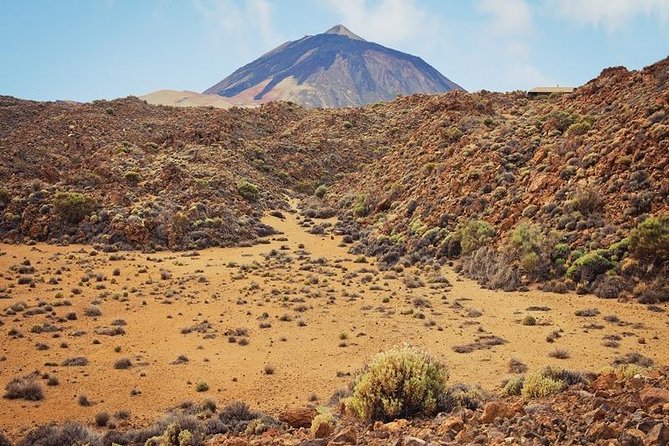
You’ll begin at the port with a 9:00 am start. Then the day shifts into a Teide-facing drive that’s part scenery, part education. One of the charming things about Tenerife is how quickly the scenery changes with elevation: the closer you get to Teide, the more the air feels different and the more the island looks like a movie set.
Even before you reach the big-name viewpoints, you’re likely to notice the mood shift—from green valleys toward the stark, volcanic character of the higher areas. It’s also the kind of route where photos work even when you aren’t at a specific viewpoint yet. If you’re the type who likes to photograph as you go, this leg is where you’ll collect a lot of “in-between” shots.
Practical tip: wear layers. I’m not being dramatic. Mountain weather around Teide can feel colder than the coast, and at least one review called out the need for extra layers because they got cold during time on the mountain. A light jacket and something warmer underneath will save your day.
Mirador de Chipeque: the Orotava Valley viewpoint you’ll remember
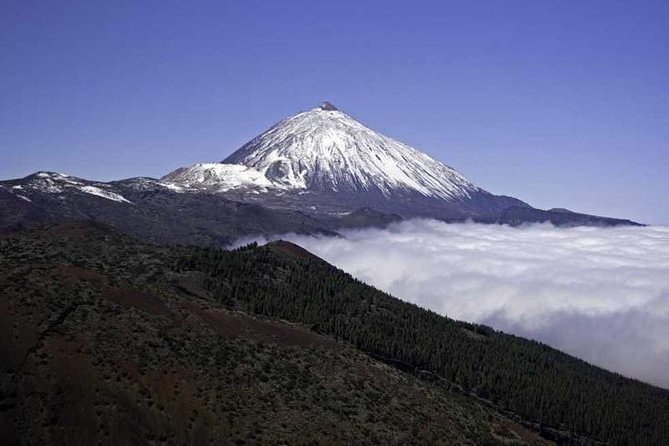
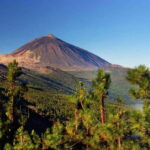
The first scheduled stop is Mirador de Chipeque for about 15 minutes. This is one of those places where the geography does half the explaining for you. You look out over the Orotava Valley, and on clear days you can spot the silhouette of Teide like a distant giant. The view isn’t just “pretty”—it helps you understand the island’s layout fast.
Why I’d prioritize this stop: it’s early, so it sets context before you start bouncing between visitor centers and national park areas. Also, it’s built for photos without feeling like a sprint.
Time reality check: 15 minutes sounds short, but that’s enough time for a few angles, a couple of long pauses for the panorama, and a quick chat with your guide about what you’re seeing. If your group wants longer, the private setup can make it easier—just ask.
Centro de Visitantes El Portillo: learning without making it boring
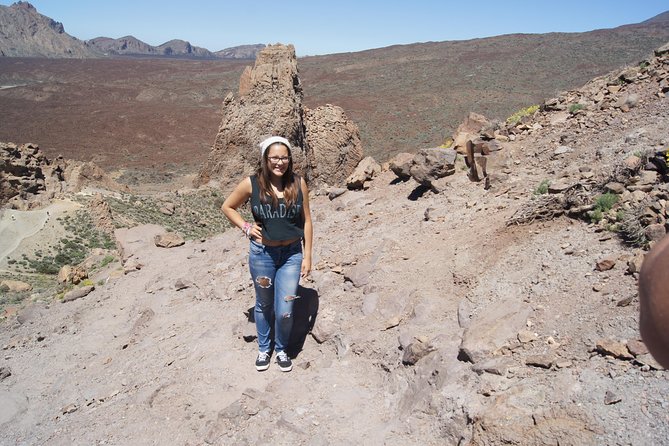
Next comes Centro de Visitantes El Portillo for about 20 minutes, and entry is free. This stop is a nice break from just looking. The small museum area is there to give you real context about Teide—where it came from, why it matters, and what makes the area’s lifeforms special.
One detail I’d call out: you get a glimpse of a volcanic tube. That’s the kind of thing that makes a viewpoint later feel more alive because you’re no longer just staring at rocks—you’re picturing the processes that shaped them.
If you’re worried that “visitor centre” means boring, don’t. The best guides keep this part moving with good stories. Several guides have been praised for clear explanations in English, and that’s exactly what makes this stop click.
Teide National Park: the main event, with smart time planning
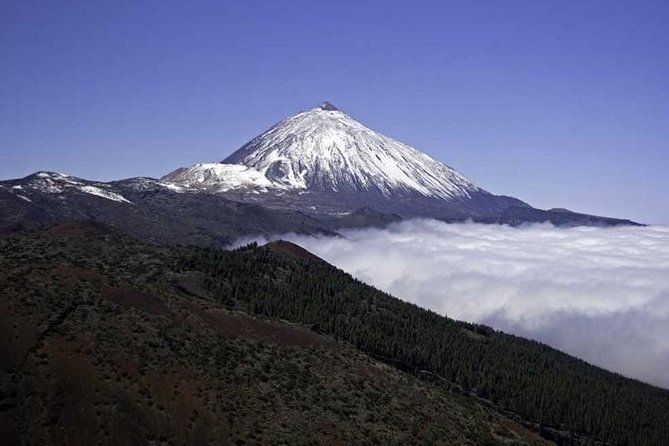
Then you get Teide National Park for about 1 hour, again with free admission. Teide is the island’s heavyweight: Spain’s highest peak in the Canary Islands area, famous for its height and for being a World Heritage Site. You’ll also learn where Teide fits in the larger volcanic story—Teide isn’t just a tall mountain; it’s part of a much bigger volcanic system.
This is where you’ll want to slow down. A national park stop is your chance to take in the scale: the stark terrain, the wide-open views, and the way the island’s “texture” changes as elevation rises.
A couple of practical considerations:
- Bring a hat and water. It can still feel dry up high.
- If visibility is poor, don’t panic. Your guide can shift to the best angles you can actually see.
- If you’re sensitive to cold, layer up. One of the recurring issues in feedback was getting cold due to the mountain conditions and time spent at stops.
You can also read our reviews of more private tours in Tenerife
Los Roques de García: alien-rock vibes with Teide in the backdrop
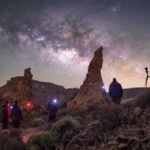
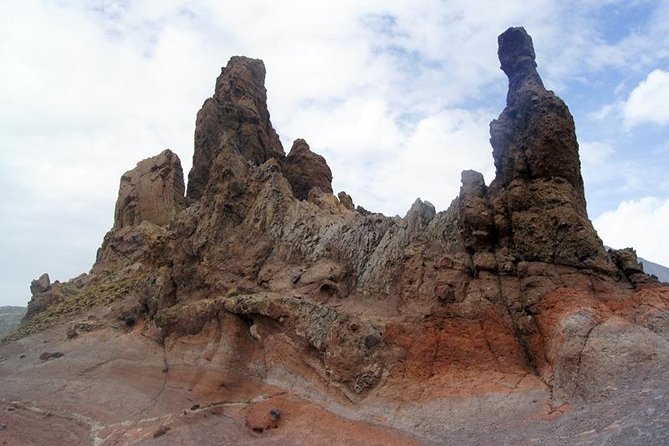
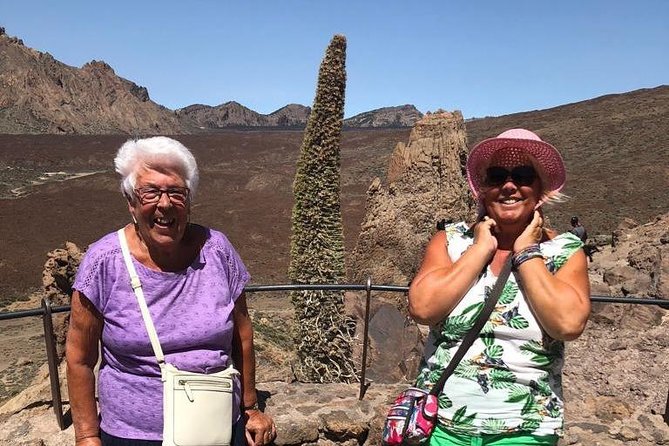
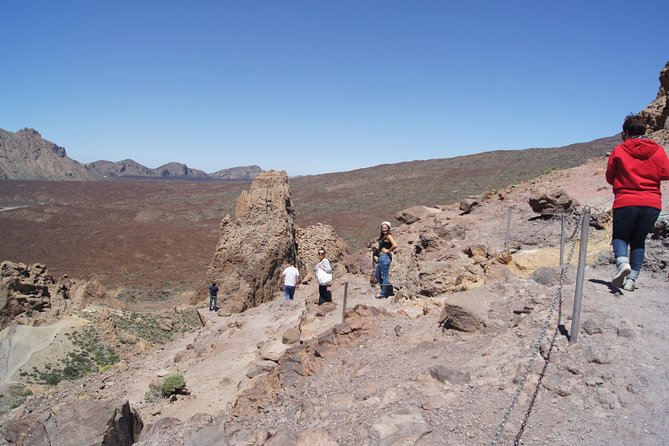
For about 30 minutes, you’ll head to Los Roques de García. This is the kind of place where the rocks feel like sentinels—tall formations shaped over millions of years, set against the larger Teide and Cañadas del Teide scenery.
What makes this stop special isn’t only the dramatic look. It’s the way your brain switches from “vacation mode” to “geology mode” for a short while. You’ll have a better appreciation for how erosion and volcanic history sculpted this corner of Tenerife.
If you care about photos: this is a strong candidate for your best shots of the day. Take a few minutes to step back and frame the rock formations against the wider volcanic setting, not just close-ups.
Mirador Minas de San José: the white-sand mirage moment
The route down toward La Orotava includes Mirador Minas de San José for about 20 minutes. The story here is visual contrast. After volcanic terrain, you see a surreal expanse of white, powdery sand, like a mirage.
This stop works for two types of travelers:
- If you like variety, it breaks up the Teide-heavy mood with something unexpected.
- If you like oddball landscapes, this is a fun “how is this real?” moment.
It also gives you a breath before you shift from natural wonders to towns, gardens, and architecture.
Casa de los Balcones plus La Orotava gardens: where the day calms down
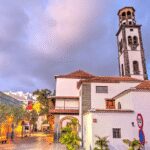
The final third of the tour turns human-scale. Casa de los Balcones is about 30 minutes, and admission is included. This 17th-century mansion (completed in 1632) is a prime example of Canarian architecture, with a courtyard and the wooden balconied façade across two floors. Lush tropical plants add shade and make it feel like a quiet pocket inside the town.
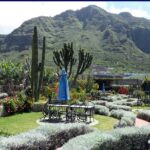
Then you’ll spend about 20 minutes at Hijuela del Botanico – La Orotava, a historic garden created in 1788 and listed as Cultural Heritage since 2008. One standout is the variety of plants—plus the garden’s big old characters like the dragon tree. Even if you’re not a hardcore garden person, this feels peaceful and easy to enjoy.
Finally, you’ll reach Jardines Victoria for about 30 minutes. These are terraced gardens designed by French artist Adolph Coquet in the 19th century. You get fountains, flower-filled views, and the pleasure of looking out over La Orotava from higher terraces.
Why this ending is smart: it balances the volcanic intensity of Teide with calmer scenery. If your cruise day has you tired from constant motion, these stops are your decompression.
Guide quality and the English factor: what matters in practice
This tour depends heavily on the guide because the day is a mix of viewpoints, short museum time, and quick transitions. The good news is that this service has gotten strong praise for English and for guiding style. Names that showed up repeatedly in feedback include Diego, Joel, Johnny, Indira, Mariana, Hassan, and Miriam Perez.
What to look for in a strong guide (and what I’d bet you’ll get here): clear explanations of what you’re seeing at Teide-area stops, plus smart suggestions for where to stand for better photos. In several accounts, guides also adjusted the tour to interests—meaning you’re less likely to feel like you’re being dragged through a checklist.
One practical note: communication can make or break the first 10 minutes. A few people reported confusion about meeting instructions or meeting points. Your best move is simple: before the day, confirm the exact port pickup location and keep an eye on messages. If you’re traveling with limited mobile data, plan for that so you don’t miss the details.
Timing, weather, and what to pack for a Teide day
Teide-area weather can change quickly, and this tour explicitly requires good weather. That means you should expect that plans can shift if conditions aren’t safe or workable.
Because you’ll be on higher ground, pack like it’s colder than you think:
- A warm layer (fleece or sweater)
- A windproof outer layer if you have one
- Closed-toe shoes with grip (volcanic areas can be uneven)
- Sunglasses and sunscreen, even if it feels chilly
Also, lunch isn’t included. For a cruise day, that’s usually fine, but it does mean you should either bring a snack or plan for a short meal stop on your own before/after the tour. If your guide suggests a local option, that can be a great chance to eat something simple and local—but don’t count on lunch being provided.
Price vs what you actually get in six hours
Let’s be honest: you’re paying for a lot of value-adds, not just sightseeing. This isn’t “see a viewpoint, hop out, hop back in.” It’s:
- Private transport
- Port pickup
- A packed route covering Teide National Park and La Orotava
- Multiple stops with free entry
- Included admission for Casa de los Balcones
At $118.27 per person, the best value tends to happen when you’re traveling in a small group (since private tours get more reasonable per person compared to a group-connector bus). It’s also good value when your cruise port schedule means you need a reliable return timing rhythm—because a private vehicle is usually easier to manage than big-group chaos.
Should you book this private Tenerife cruise highlights tour?
I’d book it if you want a Teide-and-La Orotava day without crowds and with port logistics handled for you. The combination is strong: dramatic geology at Teide-area stops, then a gentle finish in gardens and historic architecture. Guides like Diego, Joel, and Johnny (among others) have been praised for adjusting the day and explaining what you’re seeing.
Skip it—or at least think twice—if you’re the type who hates schedule changes. Since the tour depends on good weather, you might have your day rerouted or canceled if conditions aren’t right. Also, if you’re worried about meeting-point clarity, do yourself a favor: confirm the pickup instructions and keep your phone ready for message updates the day before.
If you want a focused, high-impact Tenerife day from your cruise port, this is one of the better “one tour does the big stuff” options—just pack for cold at altitude and you’ll be set.
FAQ
What time does the tour start and where?
The tour starts at 9:00 am at Muelle Santa Cruz de Tenerife (38001 Santa Cruz de Tenerife, Spain). Pickup details are sent once you reserve, and the meeting point is inside the port.
Is this tour private?
Yes. It’s a private tour/activity, so only your group participates.
How long is the Tenerife highlights tour?
It runs about 6 hours (approx.).
What languages are offered?
The tour is offered in English.
Is lunch included?
No. Lunch is not included.
Do you pay admission at the stops?
Most stops list free admission. Casa de los Balcones has admission included.
Is there a mobile ticket?
Yes, a mobile ticket is provided.
What happens if weather is bad?
The experience requires good weather. If it’s canceled due to poor weather, you’ll be offered a different date or a full refund.