REVIEW · TENERIFE
Tenerife: Whale Watching Boat Tour with a Marine Biologist
Book on GetYourGuide →Operated by Biosean Whale Watching and Marine Science · Bookable on GetYourGuide
Whales, but with a scientist onboard. I like how this trip pairs the big drama of Tenerife’s southern coast with hands-on marine learning, all on a small boat with a marine biologist.
You’ll spend the ride scanning the water, then use a hydrophone to listen to underwater cetacean sounds, not just guess based on what you see. That mix of sight plus sound is what makes the experience feel real.
My other favorite part is the respectful approach. You’re kept to a maximum of 10 passengers, so there’s less chaos and more calm watching from a reasonable distance. The only real drawback is practical: the tour isn’t suitable if you have recent surgery or back/neck problems (and there’s a weight limit of 287 lbs / 130 kg), since you’ll be out on the boat.
In This Review
- Key highlights at a glance
- From Dock Number 4 to the open water in under 2.5 hours
- Sailing the Malpaís de Rasca: lava formations, southern coast, and La Gomera
- Hydrophone time: hearing cetaceans, not just guessing
- Respectful wildlife watching from a boat built for attention
- Marine biologist guide: turning sightings into real understanding
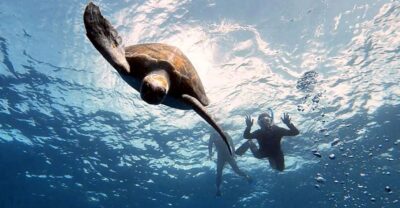
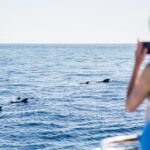
- What you might see: dolphins, turtles, and the big lucky moment
- Timing, comfort, and what to pack for a smoother ride
- Price and value: why $77 can make sense here
- Who should book this whale watching with a marine biologist?
- Should you book this tour?
- FAQ
- How long is the whale watching cruise?
- Where is the meeting point in Las Galletas?
- How many people are on the boat?
- What’s included in the price?
- What languages does the guide speak?
- What should I bring?
- What items or actions are not allowed?
- Is this tour suitable for everyone with health concerns?
Key highlights at a glance
- Hydrophone listening: hear underwater calls during the hunt for cetaceans
- Marine biologist guidance: learn behavior and habitat details as you watch
- Small group size (max 10): calmer viewing and better attention from the guide
- Malpaís de Rasca route: sail past dramatic jagged lava formations
- Respect-first rules: no feeding, no touching marine life, and distance matters
- Field-study style participation: you do more than just sit and look
From Dock Number 4 to the open water in under 2.5 hours
The tour starts at Biosean – Whale watching & marine science in Las Galletas. Getting to the water is simple, and the schedule moves fast: you’ll do a short on-foot transfer, then get a safety briefing (around 15 minutes) before the main time on the sea.
Meeting point details matter here because you’re on a working port. Plan to go to Dock Number 4, gate 4. There’s a big free parking lot in front of the beach next to the port, and you can also park inside the port for €1.20/hour. If you’re arriving by car, do it early enough to park without stress.
This is also one of those tours where “light packing” is not optional. You won’t be allowed to bring luggage or large bags, so bring what you’ll use on the boat: a camera, sunscreen, a hat, and something warm-ish if the wind turns chilly. If you’re sensitive to boat movement, you’ll want to dress for comfort and keep expectations realistic for time on open water.
You can also read our reviews of more boat tours in Tenerife

Sailing the Malpaís de Rasca: lava formations, southern coast, and La Gomera
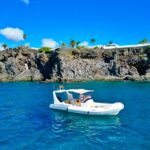
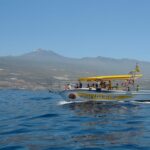
Once you’re out on the water, the route takes you along the impressive jagged volcanic stretches of Malpaís de Rasca on Tenerife’s southern coast. This is more than scenic filler. The lava formations shape the coastline and the seascape you’re scanning, so your eyes naturally track the water where marine life can surface.
As you cruise, you’ll also get broad views of Tenerife’s south coast and the distant presence of La Gomera. It’s a nice contrast: stark rock on one side, open ocean on the other. If you like travel moments that feel both wild and grounded in geography, this route delivers.
One practical note: the real action is in the water, but you’ll be turning your head a lot. That’s not a problem for most people, but if you have neck issues, you should take the tour’s suitability limits seriously. The boat ride is just long enough to be satisfying and short enough that you can’t zone out too much.
Hydrophone time: hearing cetaceans, not just guessing
The most distinctive part of the experience is the hydrophone. Watching marine mammals from the surface is fun, but it can turn into educated guessing if you only rely on sight. The hydrophone changes the whole texture of the trip because it lets you listen to underwater sounds from cetaceans.
That’s also why the marine biologist component matters so much. They can explain what those sounds might mean in context—communication, movement, or feeding behavior—so you’re not just collecting noises. You’re building a story you can actually connect to what you’re seeing above the surface.
There’s also mention of participating in a field study. Even without getting overly technical, expect that you’re invited to be an active observer: pay attention, ask questions, and follow the guide’s cues about what to listen for and when. If you’re the type who likes science explanations that fit the real world, this section is where you’ll feel most engaged.
Respectful wildlife watching from a boat built for attention
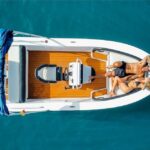
This tour is designed for calmer wildlife watching, with a maximum of 10 passengers. That small group size isn’t just a comfort perk. It helps keep boat activity low and makes it easier for the guide to manage positioning during sightings.
The rules are very clear: you don’t feed animals, you don’t touch marine life, and you follow the guide’s instructions during close encounters. The idea is to keep your behavior respectful and your distance intact, so the animals aren’t pushed into stressful patterns.
A smaller boat also tends to make the experience more personal. You’re not fighting for a view or trying to hear explanations over a crowd. And when the guide points something out—like a quick surfacing or a change in movement—you’ll actually notice, because there’s less noise and less chaos around you.
Expect the viewing window to be active rather than slow. You’ll do a full stretch of marine life viewing (about 2.25 hours after the safety briefing), which gives you time for repetition: look, listen, adjust, and look again.
Marine biologist guide: turning sightings into real understanding
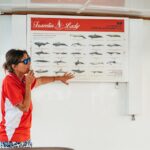
I love tours where the guide can answer the questions you didn’t know you had. Here, the marine biologist does exactly that. You’re not just told what species might be present; you’re given insight into cetaceans and their habitat—how they behave, what their sounds can indicate, and how to interpret what you’re seeing.
One review specifically calls out the guide named Raul, and the praise is consistent: he’s described as professional, passionate, and ready to answer curiosity on the spot. That matters because whale watching can become frustrating if all you get are vague statements. With a strong guide, you start noticing patterns, like changes in direction, surface behavior, or how the boat positions itself for listening.
This is also where the sustainable approach becomes more than a slogan. When you understand why distance matters and how animals use their environment, you’re more likely to stay patient and observant. You’ll probably leave with better instincts for spotting behavior, not just the moment of a quick sighting.
You can also read our reviews of more whale watching tours in Tenerife

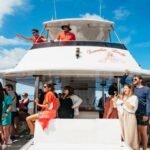
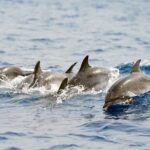
What you might see: dolphins, turtles, and the big lucky moment
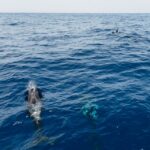
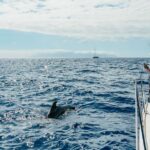
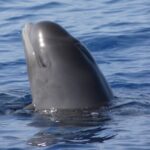
Cetacean sightings aren’t guaranteed—nobody can promise whales on a schedule—but the experience is set up to maximize your chances through time, listening, and small-group viewing.
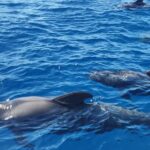
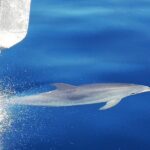
Based on real reported sightings from this type of trip, you may see dolphins and turtles. And in at least one strong experience, the group reports encountering a group of capodogli (sperm whales), led by Raul with very detailed explanations. That kind of sighting is the whale-watching jackpot, and it’s the reason this tour feels worth it even if you don’t get the biggest animal every time.
Here’s how I suggest you manage expectations: if you’re lucky enough to spot something, let your brain do more than mark it on a list. Watch how it moves, then connect it to what you hear during hydrophone moments. That’s where the trip stops being a checklist and starts being an observational experience.
Timing, comfort, and what to pack for a smoother ride
Your total time commitment is about 2.5 hours. You’ll have a short transfer, then a 15-minute safety briefing, then roughly 2.25 hours focused on marine life viewing. That structure means you’ll be on the water for the bulk of your time, which is exactly what you want from whale watching.
What to bring is straightforward, but don’t underestimate it:
- Sunglasses and hat for glare
- Sunscreen (the sun off the water can be sneaky)
- Camera so you can record moments worth revisiting later
- Jacket and comfortable clothes, since wind can change the feel fast
Also, remember the “no large bags” rule. If you pack light, you’ll have fewer problems and less hassle moving around the dock and onboard.
And if you have health limitations, please take the tour’s warnings seriously. The boat ride isn’t flagged as suitable for people with recent surgery, back problems, or neck problems. There’s also a weight limit of 287 lbs / 130 kg.
Price and value: why $77 can make sense here
At $77 per person, you’re paying for more than a generic boat ride. This price includes the whale watching cruise, a marine biologist guide, and a hydrophone. That’s a meaningful difference versus tours that focus mostly on spotting from the surface.
Value is about what you get per hour and how well you’re guided. With a maximum of 10 passengers, you’re also getting more attention and less waiting around for instructions. If hydrophone listening and biology explanations are important to you, the cost starts to feel fair, because those elements aren’t common add-ons in many whale watch experiences.
So how do you decide if it’s worth it? I’d book if:
- you want to listen as well as look
- you like science delivered in plain terms
- you prefer small-group attention over crowd energy
If you only care about a guaranteed animal sighting, you might be disappointed. But if you want a guided, respectful way to watch and learn, this price lines up with the experience you’re actually buying.
Who should book this whale watching with a marine biologist?
This tour fits best if you want a blend of nature and real guidance. It’s especially good for people who:
- enjoy marine science explanations while they’re happening
- like small-group outings and calmer boat time
- want a respectful distance approach instead of frantic chasing
It’s not a great fit if you:
- have back or neck problems, or recent surgery
- need to bring luggage or large bags
- rely on baby carriages (they’re listed as not allowed)
Language coverage is also a strong plus. The live guide operates in Spanish, English, French, and Italian, which makes it easier to follow along without feeling lost.
Should you book this tour?
If you like your whale watching with context—sound as well as sight—this is a smart pick. The combination of small-group viewing, a marine biologist, and hydrophone listening turns the trip into more than a hope-for-whales cruise. Plus, the route along Malpaís de Rasca gives you those rugged volcanic views that make the whole experience feel tied to the place.
Book it if you’re comfortable with a boat outing and your health situation fits the stated limits. Skip it if you need a more accessible, low-movement experience or if you’re managing conditions that affect mobility.
FAQ
How long is the whale watching cruise?
The experience lasts about 2.5 hours total, including time for a safety briefing and about 2.25 hours of marine life viewing.
Where is the meeting point in Las Galletas?
Meet at Dock Number 4, gate 4 at the Las Galletas port. There is a free parking lot in front of the beach next to the port and additional parking inside the port.
How many people are on the boat?
The tour is limited to a small group with a maximum of 10 participants.
What’s included in the price?
Included items are the whale watching cruise, a marine biologist guide, and a hydrophone to listen to cetaceans.
What languages does the guide speak?
The live guide speaks Spanish, English, French, and Italian.
What should I bring?
Bring sunglasses, a hat, a camera, sunscreen, a jacket, and comfortable clothes appropriate for the weather.
What items or actions are not allowed?
Luggage or large bags aren’t allowed, and alcohol and drugs are not allowed. You also can’t feed animals, touch marine life, or bring explosive substances. Baby carriages are listed as not allowed too.
Is this tour suitable for everyone with health concerns?
It’s not suitable for people with recent surgery or for people with back or neck problems. There’s also a weight limit of 287 lbs (130 kg).