REVIEW · TENERIFE
Adeje: Whale and Dolphin Watching Cruise with Lunch and Swim
Book on GetYourGuide →Operated by Tenerife Dolphin · Bookable on GetYourGuide
Pilot-whales are on the menu here. This Adeje cruise pairs Tenerife marine spotting with a 16-window underwater view, plus a lunch-and-swim stop on the west coast. Pick the shorter trip for Diego Hernandez Bay or the longer one for the dramatic cliffs of Los Gigantes.
Two things I really like: you don’t just watch wildlife from the surface—those panoramic submarine windows let you study what’s happening below, and the crew keeps the experience moving without feeling rushed. I also like the value: for around $59, you get lunch, drinks, and a swim stop in one go. One thing to consider: the sea can be a bit choppy, so plan for motion if you’re sensitive.
In This Review
- Key points worth knowing
- Tenerife from the water: why this cruise works
- Choosing your route: Diego Hernandez Bay vs Los Gigantes cliffs
- The 3-hour option: Diego Hernandez Bay (swim + lunch)
- The 4.5-hour option: Masca / Los Gigantes (longer sightseeing + swim)
- Boarding and the first hour: getting set up for spotting
- Underwater viewing with 16 panoramic submarine windows
- Lunch and drinks: simple, filling, and timed well
- The swim stop: crystal water and limited fuss
- Whales and dolphins: how the experience feels when they show up
- Crew vibe and the multi-language guide advantage
- Practical tips that make the day easier
- Bring
- Motion and comfort
- What you should not do
- Price and value: what you’re really paying for at about $59
- Who should book this cruise?
- Should you book Adeje’s whale and dolphin cruise with lunch and swim?
- FAQ
- How long is the cruise?
- Where does the cruise go on the shorter option?
- Where does the longer option go?
- Is lunch included?
- Are drinks included?
- Does the boat have underwater viewing?
- Is snorkeling gear provided?
- What should I bring for the trip?
- Is the cruise accessible for wheelchair users?
Key points worth knowing
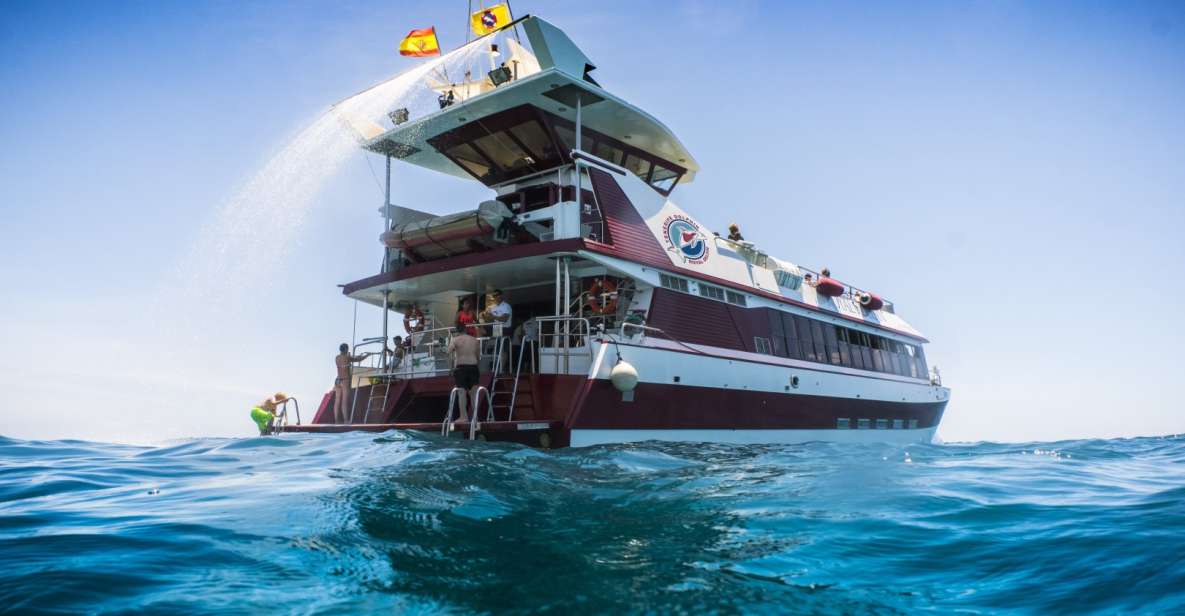
- Two route options: Diego Hernandez Bay (3 hours) or Los Gigantes/Masca area (4.5 hours)
- 16 panoramic submarine windows for underwater viewing while you cruise
- Teno-Rasca Whale Sanctuary vibes, with the trip focused on whales and dolphins in a protected area
- Swim stop with lunch and drinks, served right after you cool off in clear Atlantic water
- On-board guide with multi-language commentary (Spanish, Dutch, English, German, Italian, French)
- Family-friendly pace: safety briefing, wildlife searching, then a structured swim-and-lunch window
Tenerife from the water: why this cruise works
If you’re staying in Adeje and you want a real Tenerife highlight that isn’t a bus-and-museum day, this cruise hits the sweet spot. You get a guided trip along the island’s west coast, with time specifically set aside for looking and learning about whales and dolphins in their natural habitat.
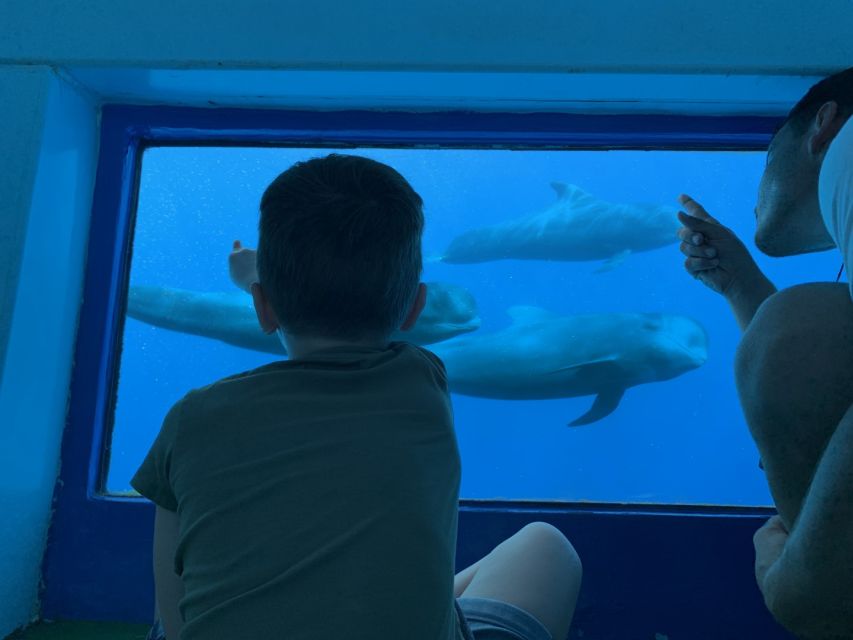
What makes it better than a basic boat ride is the mix of experiences. You’re not only scanning the horizon for fins; you’re also seeing the sea life from underneath via those panoramic windows. When the boat slows and the guide starts calling out activity, you’re watching the animals in two ways at once: from above and from below.
And the day has a built-in “reward cycle.” You search for cetaceans, then you anchor for a swim and lunch, so you’re not spending the whole trip waiting. Even if wildlife spotting is slower one moment, you still have a great reason to be out on the water.
You can also read our reviews of more boat tours in Tenerife

Choosing your route: Diego Hernandez Bay vs Los Gigantes cliffs
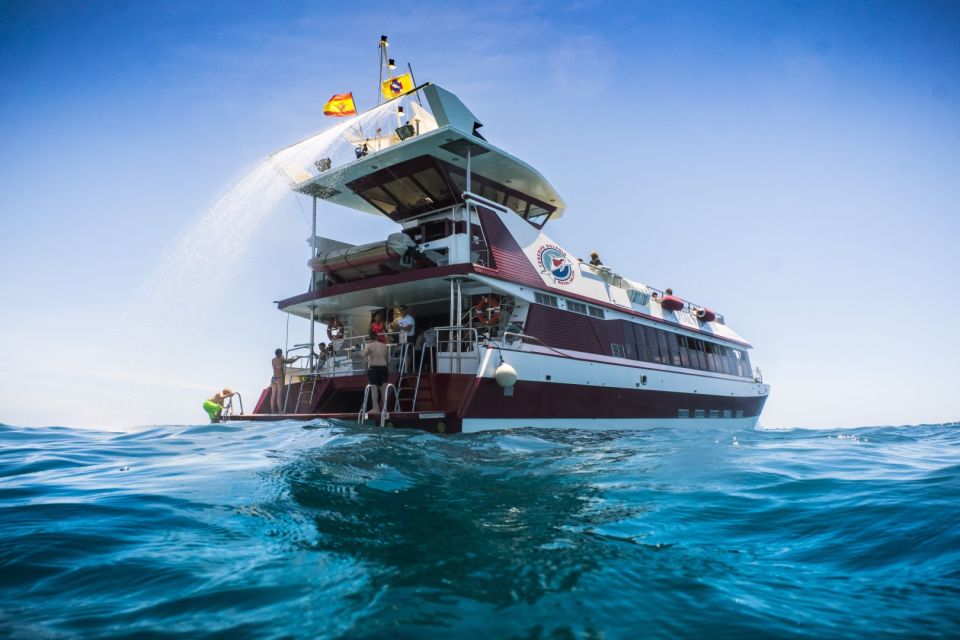
You’ll choose between two cruise lengths, and the differences matter.
The 3-hour option: Diego Hernandez Bay (swim + lunch)
This is the easy choice if you want your wildlife time focused and your day kept simple. You head toward Diego Hernandez Bay, then stop so you can swim in the Atlantic. Lunch is served during the break, and drinks are included throughout the excursion.
This route tends to feel like a clean “out-and-about” half-day. If you’ve got limited time, you’re also less likely to feel worn out afterward—handy if you’re planning dinner or another activity the same day.
The 4.5-hour option: Masca / Los Gigantes (longer sightseeing + swim)
If you want the cliffs and more time on the water, go longer. You explore Tenerife’s southwest coast up toward the majestic Cliffs of Los Gigantes, with a dedicated wildlife search stretch along the way. Then you anchor in a scenic bay for a refreshing swim and complimentary lunch, again with drinks included.
This option gives you extra “Tenerife coastline” time. It’s a good pick if you love dramatic scenery and don’t mind a longer day where the wildlife search might take a bit more patience.
Boarding and the first hour: getting set up for spotting
The day starts with a meeting point that can vary by booked option. Once you’re on board, you’ll get a safety briefing and time to settle in while the boat heads out.
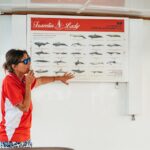
Then comes the practical part: your guide starts turning the cruise into a hunt-and-learn mission. You’ll cruise past key viewpoints with commentary, and you’ll be encouraged to look for signs that dolphins or pilot whales are nearby. The guide also helps you understand what you’re seeing so it’s not just random spotting.
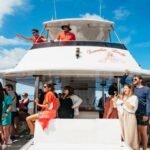
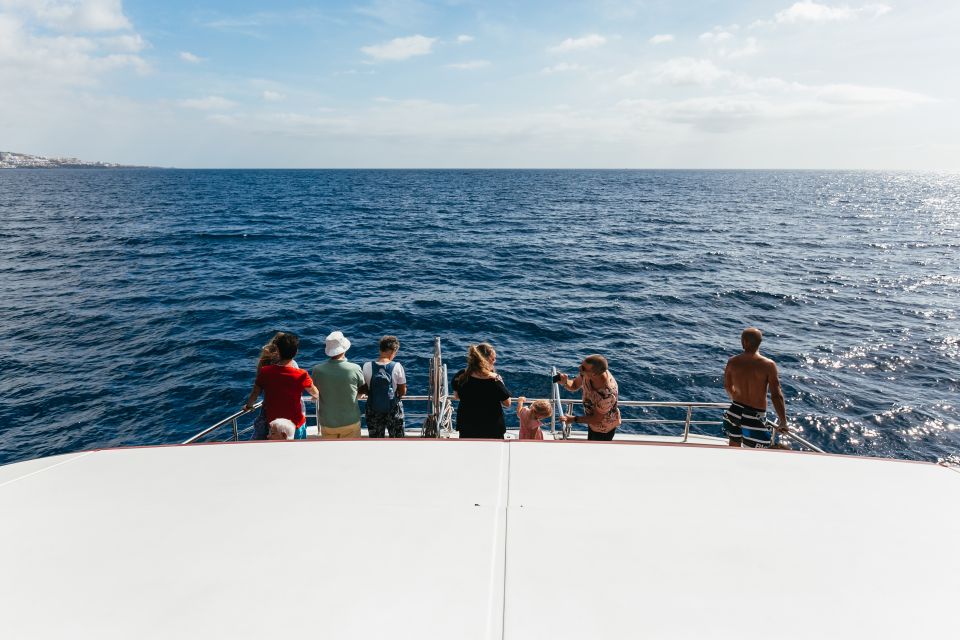
One of the strongest early advantages is positioning. The boat is built so you can move between different areas. When whales or dolphins are spotted, you can get to the right side and the right viewing level without feeling like you’re stuck in a single seat for the entire ride.
You can also read our reviews of more tours and experiences in Tenerife



Underwater viewing with 16 panoramic submarine windows
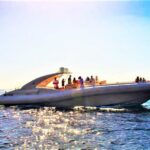
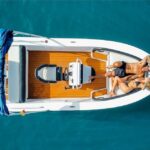
This is the “wait, that’s cool” part. You’re on a catamaran with 16 panoramic submarine windows, so you can watch from below as you travel and as the boat slows.
For many people, the first time they see the underwater view, it changes the whole feel of the trip. Surface spotting is exciting, but it can be hard to tell what’s happening beyond a quick fin-and-spray moment. The windows make the water feel more alive, even when you’re not seeing a whale breach.
It also helps you notice smaller marine life. While sightings vary day to day, it’s worth keeping your eyes open for fish activity while you’re swimming or when the boat is stopped. And if the crew calls out movement beneath you, those windows are your best friend.
Lunch and drinks: simple, filling, and timed well
Lunch is included on both route options, served as part of the swim stop. Drinks are included throughout the cruise. In practice, that means you’re not trying to hunt down food logistics while you’re excited and damp—one less headache.
The lunch itself is described as vegetarian-friendly, and they also offer vegetarian/vegan/gluten-free options upon request. That’s a real benefit if you have dietary needs and want to avoid improvising.
A small heads-up: on a boat trip with a swim, heavy meals don’t feel great. Several people highlight that the food works for the day’s rhythm—eat, then get back to the water and the sightings.
The swim stop: crystal water and limited fuss
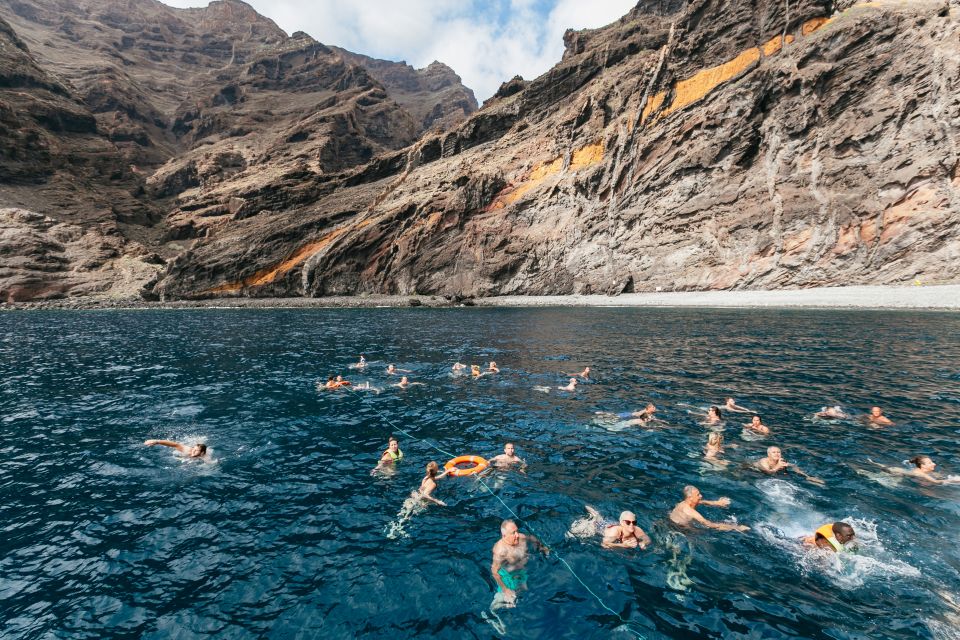
The swim break is built around a simple idea: you get a set amount of time in clear Atlantic water, then you go back on board without turning it into a whole production.
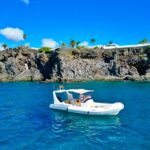
You’ll anchor at the bay connected to your route (Diego Hernandez Bay on the shorter trip; the Los Gigantes area on the longer one). The stop lasts about 40 minutes, which is long enough to cool off, take a few calm swims, and still feel like the day keeps moving.
Swim basics that matter:
- Bring swimwear and sunscreen (you’ll want both)
- You don’t have snorkeling equipment included, so if you want gear, you’ll need to bring it or arrange separately
- Snacking and drinks are part of the plan, so don’t count on a separate on-shore meal
If you’re not a strong swimmer, the timing still works because you can get your feet in, float, and enjoy the water without needing to be an expert.
Whales and dolphins: how the experience feels when they show up
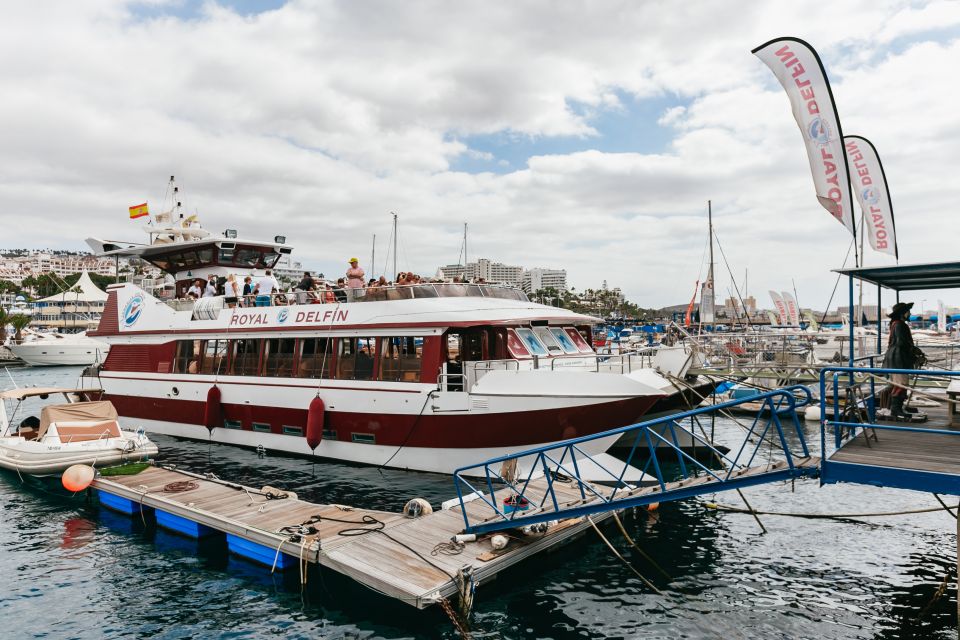
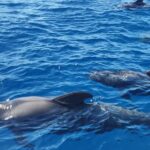
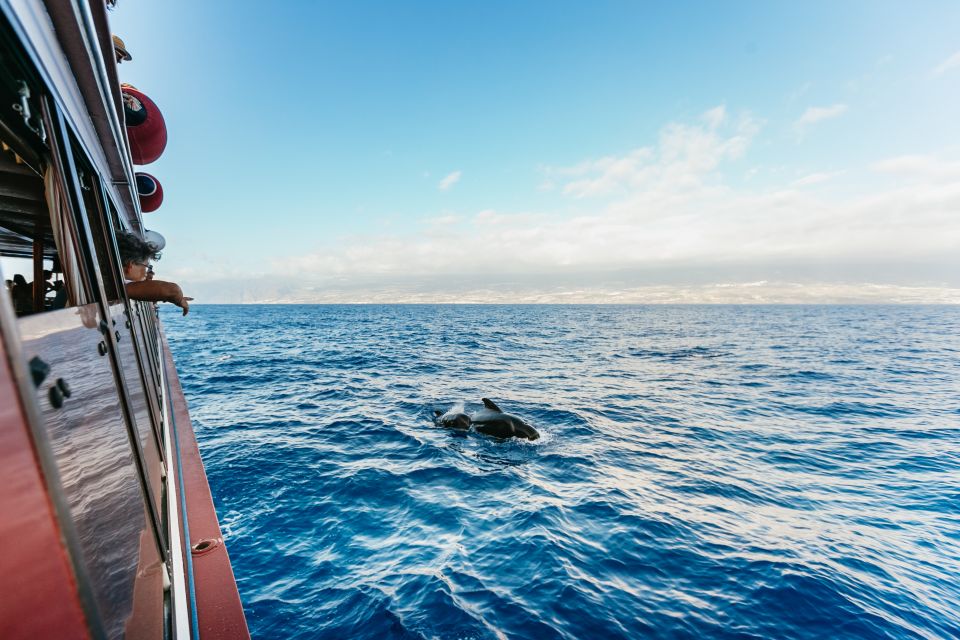
The cruise is aimed at seeing whales and dolphins in their habitat, with the focus connected to Teno-Rasca Whale Sanctuary, often described as Europe’s whale-watching capital. The whole process is built around respectful viewing: the goal is to observe without driving the animals around.
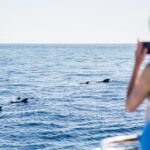
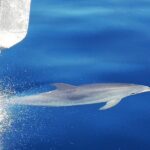
When pilot whales and dolphins are active, you usually get a stretch where the boat slows down and the guide directs attention. That’s when the whole “two viewing modes” concept clicks—surface spotting from the deck plus underwater viewing through the windows.
Also, pay attention to the crew’s instructions about staying calm and not trying to force a closer look. If the boat keeps its position, that’s when the animals can approach naturally.
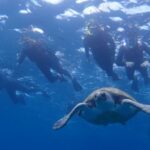
On some days, you may get more variety than just whales and dolphins. People report spotting things like flying fish and even sea turtles, though those are not guaranteed. The takeaway for you: stay alert, but don’t assume every trip will be equally dramatic on every minute.
Crew vibe and the multi-language guide advantage
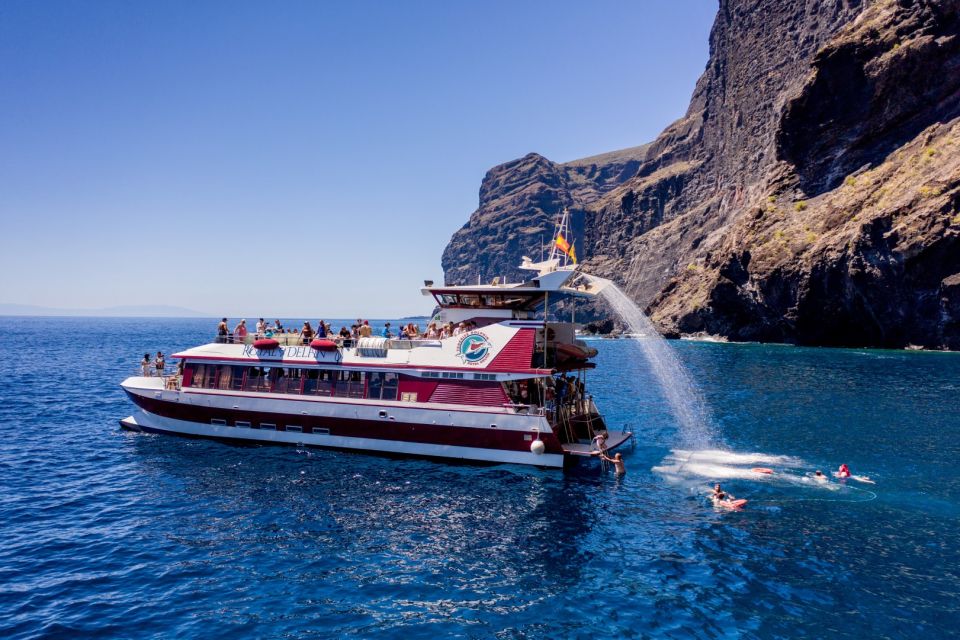
This kind of cruise lives or dies on crew coordination. The big win here is that the experience is guided in multiple languages (Spanish, Dutch, English, German, Italian, French), with a real safety-and-spotting focus.
A few specific crew names show up in the experience stories: Johan is mentioned as a guide with strong island-and-wildlife commentary, and people also talk about Anita and the team as friendly and professional. There’s even mention of a cameraman nicknamed Mr. Steven Spielberg, which tells you how seriously they take the filming and memory-making side.
What you should care about: when the guide can explain what you’re seeing, the sightings feel meaningful, not just lucky. You’ll spend less time guessing and more time noticing patterns—how dolphins move, where pilot whales might surface, and what to look for next.
Practical tips that make the day easier
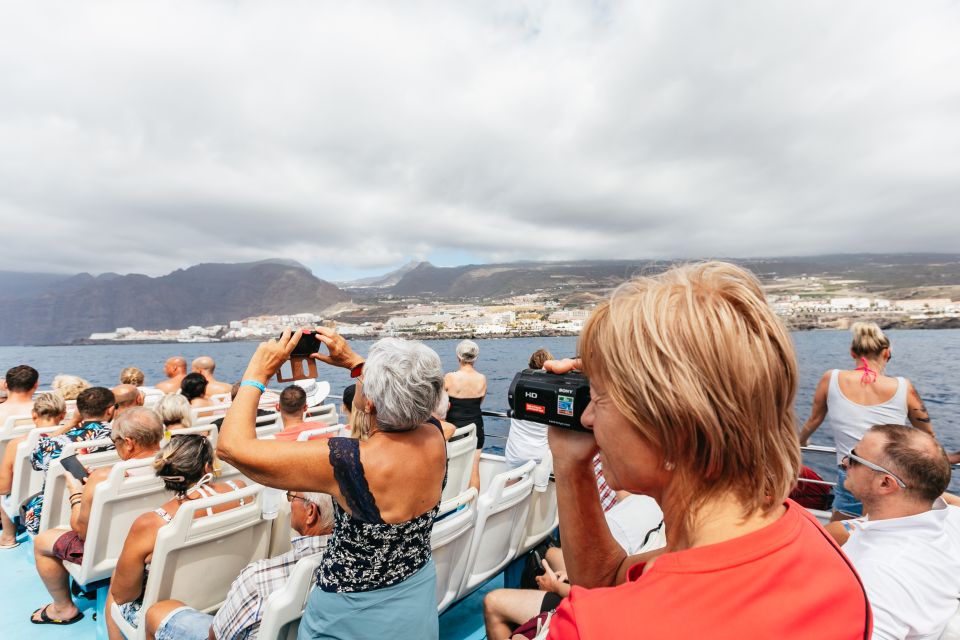
This trip is straightforward, but small prep makes a big difference.
Bring
- Sun hat, sunglasses, and sunscreen
- Swimwear for the swim stop
- Weather-appropriate clothing (and a light jacket if you’re on a morning departure, since the sea breeze can feel chilly)
Motion and comfort
If you’re prone to seasickness, take your own precautions before you board. The sea can be choppy when leaving port or depending on conditions, and being on deck generally helps.
What you should not do
- No drones
- No pets (assistance dogs allowed)
- Don’t feed animals
- Don’t touch marine life
- No electric wheelchairs
(They also note that bathrooms are not wheelchair-adapted, and movement is limited mainly to the main deck.)
Price and value: what you’re really paying for at about $59
At roughly $59 per person, this cruise offers a package that’s hard to match by buying things separately:
- Guided whale and dolphin spotting focused on a conservation area
- Underwater viewing through 16 panoramic windows
- A swim stop (with time set aside)
- Lunch and drinks included throughout the excursion
That value shows up in the “time saved” part of the math. You’re not coordinating transport for a separate boat plus a separate lunch plus a separate swim plan. It’s one ticket, one schedule, and you’re taken to the places where the water and cliffs do the work.
The only “cost” is your expectations. You’re not guaranteed a whale show on every trip. Some days have better luck than others. Still, even when sightings are lighter, you get the underwater windows and the coast views, plus a real swim break rather than a token splash.
Who should book this cruise?
This cruise is ideal if you want:
- A half-day wildlife experience without turning it into a full day tour
- A mix of educational guidance and actual water time
- A family-friendly activity where lunch and drinks keep energy up
- Dramatic views if you choose Los Gigantes
It may not be the perfect fit if:
- You hate any chance of rough water and don’t plan for motion prevention
- You’re hoping for snorkel-level access (snorkeling gear isn’t included, and the plan is focused on a swim)
Should you book Adeje’s whale and dolphin cruise with lunch and swim?
Yes, if you’re looking for a Tenerife activity that’s both fun and structured. The winning combination for most people is the pairing of whale-and-dolphin searching with the underwater window experience, then topping it off with a real swim and included lunch. It’s a good value day out from Adeje—especially if you pick the route that matches how you want to spend your time: bay swimming and shorter pacing (Diego Hernandez Bay) or coastline drama plus extra hours (Los Gigantes).
If you’re deciding between the two, use this quick rule:
- Choose Diego Hernandez Bay for a tighter, less time-intensive outing.
- Choose Los Gigantes for cliffs, longer cruise time, and more chances to see marine life.
FAQ
How long is the cruise?
You can choose a 3-hour option or a longer 4.5-hour option, depending on the route booked.
Where does the cruise go on the shorter option?
The shorter cruise heads toward Diego Hernandez Bay, where you stop for swimming and lunch.
Where does the longer option go?
The longer cruise explores Tenerife’s southwest coast up to the Cliffs of Los Gigantes area, with a swim and lunch stop afterward.
Is lunch included?
Yes. Lunch is included during the swim stop.
Are drinks included?
Yes. Drinks are included throughout the excursion.
Does the boat have underwater viewing?
Yes. The experience includes underwater viewing through 16 panoramic submarine windows.
Is snorkeling gear provided?
No. Snorkeling equipment is not included.
What should I bring for the trip?
Bring comfortable shoes, sunglasses, a sun hat, swimwear, sunscreen, and weather-appropriate clothing. If you’re on a morning trip, a light jacket can help.
Is the cruise accessible for wheelchair users?
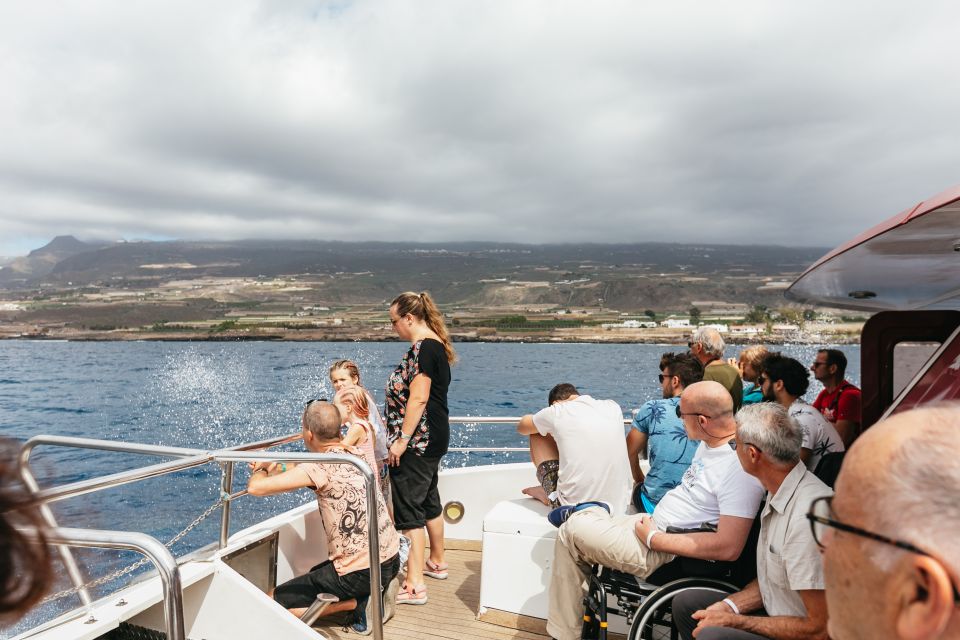
The boat is wheelchair accessible, but movement is limited mainly to the main deck, and bathrooms are not wheelchair-adapted. You should inform the supplier beforehand so there’s enough space.