REVIEW · TENERIFE
Tenerife: Teide Peak Hiking 3715m
Book on GetYourGuide →Operated by Vulcan Walkers · Bookable on GetYourGuide
Teide makes 3,715 meters feel personal. This hike takes you to Spain’s highest point with a timed summit permit, mountain guidance, and gear built for cold weather up high.
I love the 360° summit views—the kind that make you pause and actually look at the islands below. I also like that you’re not wandering blind: with Vulcan Walkers you get a qualified guide, often Peter and Evelyn, plus the right tools when the trail turns snowy or icy.
One thing to consider: the day can be longer and harder than it sounds, especially if you choose to hike down. The foot descent is about 10 km with roughly 1,400 m of elevation change, and the pace can feel brisk for people who hike slowly.
In This Review
- Quick Take: What Makes This Teide Hike Worth It
- Teide at 3,715m: Big Views, Real Challenge
- How the 6-Hour Day Flows: Permit, Summit, Then Your Descent Plan
- Cable Car Down vs. Hiking Down: Choose Your Kind of Hard
- Cable car down (easier, costs extra)
- Hiking down via Montana Blanca (longer, only for experienced hikers)
- Your Guide Makes the Volcano Make Sense (Peter and Evelyn Stand Out)
- Equipment and Safety: When Snow Shows Up, You’re Ready
- The Real Value in the $199 Price
- What to Bring (So You Don’t Get Caught Under-dressed)
- Where to Meet: The Barrel Detail
- Who This Teide Hike Fits Best
- Should You Book Teide Peak Hiking?
- FAQ
- How long is the Teide Peak hiking experience?
- Is the summit permit included in the price?
- Is the cable car included?
- How big is the group?
- What languages are available for the tour guide?
- What equipment is provided?
- What should I bring with me?
- Who is the tour not suitable for?
- What is the cancellation policy?
Quick Take: What Makes This Teide Hike Worth It
- Timed summit permit included so you’re built around the park rules
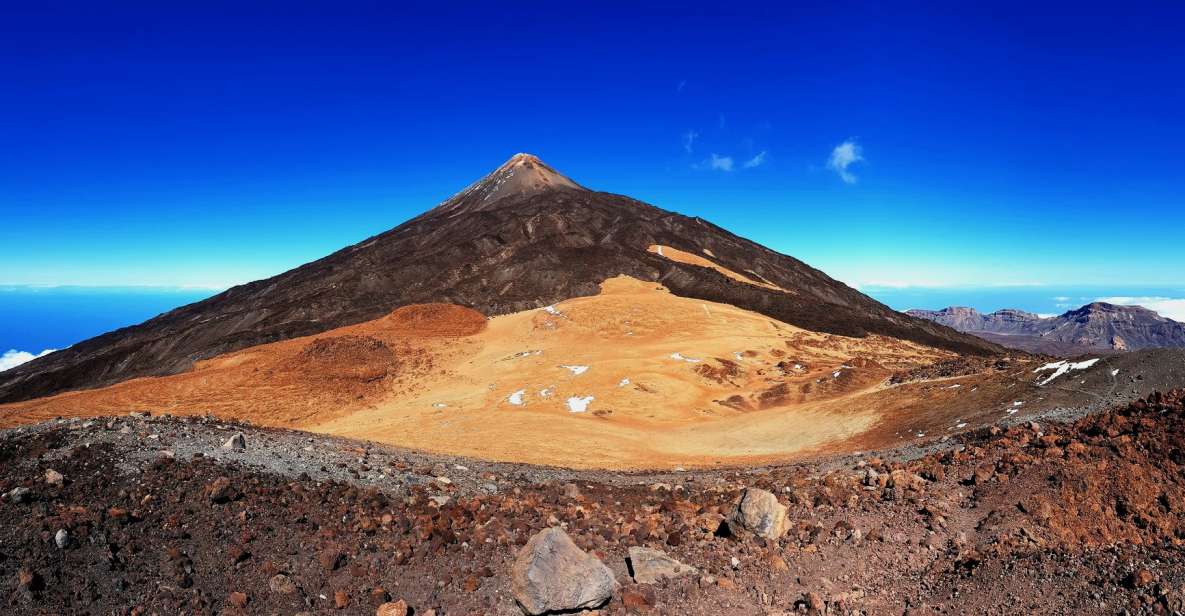
- 360° views from 3,715m with real volcanic detail under your boots
- Small group (up to 10), which keeps you moving and makes it easier to ask questions
- Gear support for cold conditions, including trekking poles and headlamp (and spikes/crampons when needed)
- Descent choice matters: quick cable car option or longer hike via Montana Blanca
- Expert guidance that connects what you see to the island’s volcanic story
Teide at 3,715m: Big Views, Real Challenge
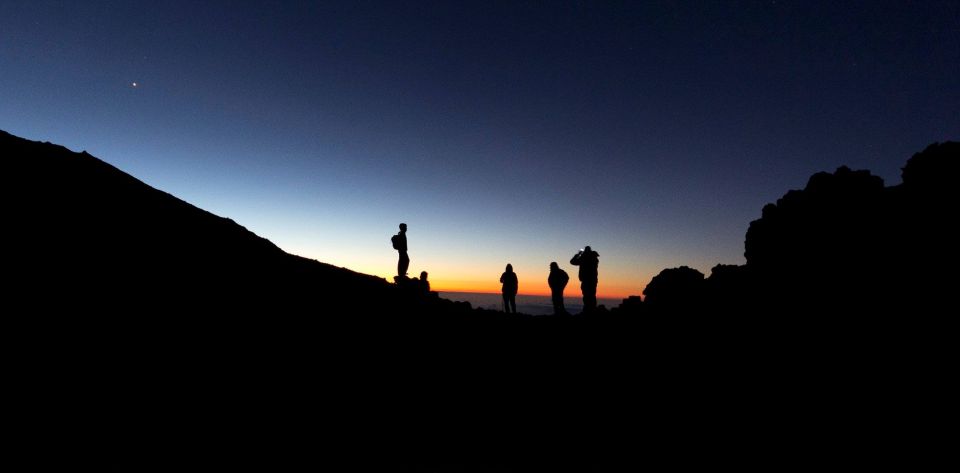
Teide isn’t a walk in the park. The summit sits at 3,715 meters, and even with a cable car option available for the way down, the experience still demands respect. The air feels thinner, the ground is rugged, and the weather can change fast.
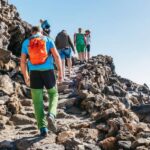
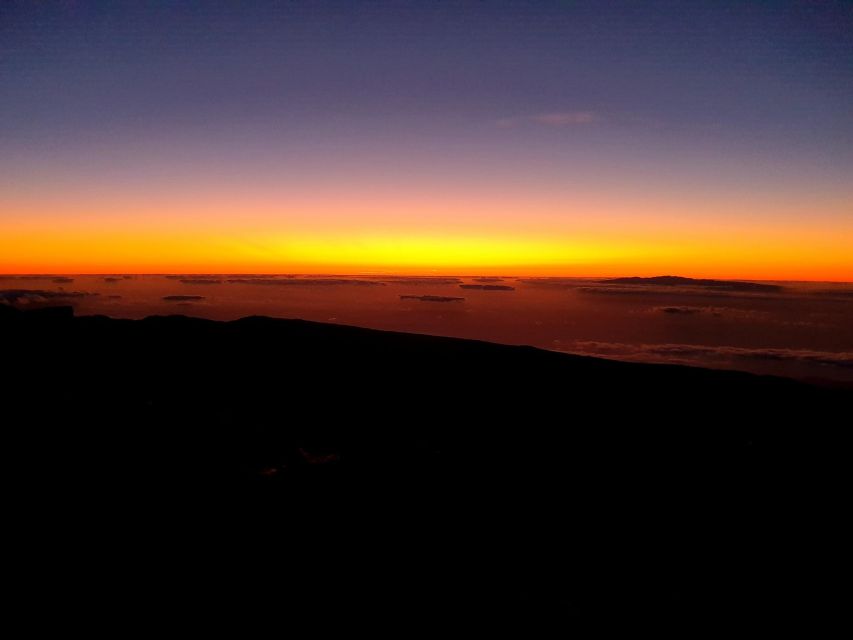
What makes this trip special is how clearly the volcano shows itself. You’re not just reaching a point on a map. You’re walking across rock colors, ash-like textures, and dramatic formations that look like they came from another planet. And from the top, you get a true 360° panorama—the kind where you can pick out the surrounding islands and understand why Tenerife’s landscape is shaped by volcanic time.
If you want a day that feels unforgettable because it’s physically real, this fits.
You can also read our reviews of more hiking tours in Tenerife
How the 6-Hour Day Flows: Permit, Summit, Then Your Descent Plan
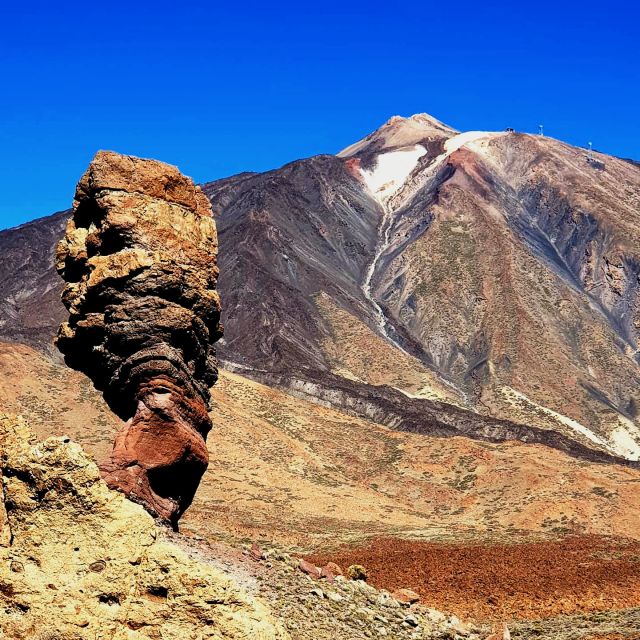
This tour runs about 6 hours, but the exact rhythm depends on your summit permit time. The big idea is simple: you go up to the summit as soon as you receive permission, then you structure your descent around what time the cable car is available and what conditions allow.
Here’s what that means for you on the ground:
- Early focus on reaching the summit: You’re guided toward the peak with timing built around the permit system. This keeps the day efficient and reduces that annoying feeling of waiting around.
- Summit time is the payoff: At the top, you get the long-view moment—ocean views, islands spreading out below, and that still-very-real sense of being at the highest point in Spain.
- Descent timing can shift: If the cable car isn’t an option (or you skip it), you’ll hike down via Montaña Blanca.
A helpful detail: the meeting time you’re given depends on the summit permit and the cable car departure. So don’t plan tight connections right after your tour ends.
Cable Car Down vs. Hiking Down: Choose Your Kind of Hard
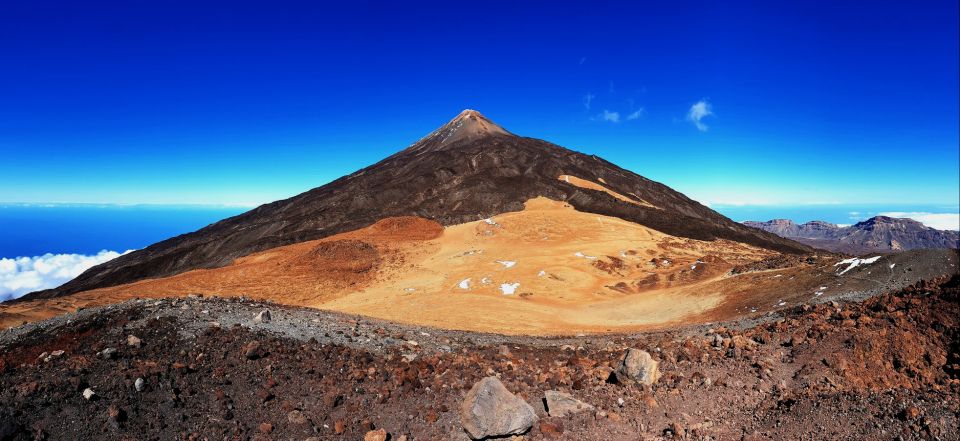
You get an option for the return, and it’s one of the most important choices on the day.
Cable car down (easier, costs extra)
With the cable car, the hike down becomes much more manageable. The info you need: the cable car costs +24€ per person, and the tour includes everything else around your permitted summit entry and guiding.
This option is best if you:
- want the summit without gambling on how tired your legs will feel later
- prefer to save energy for taking photos and soaking in the views
Hiking down via Montana Blanca (longer, only for experienced hikers)
If you hike down on foot, expect about 10 km with around 1,400 m of elevation change. That’s a serious workload. The trail can be rocky, and conditions can turn harder in colder months.
This option fits if you:
- hike regularly and feel comfortable with steep, uneven descents
- know how to pace yourself when you’re tired and visibility starts dropping
One practical takeaway: even when people feel fine at the summit, fatigue hits on the return. If you’re on the fence, pick cable car unless you’re truly comfortable with long downhill travel.


Your Guide Makes the Volcano Make Sense (Peter and Evelyn Stand Out)
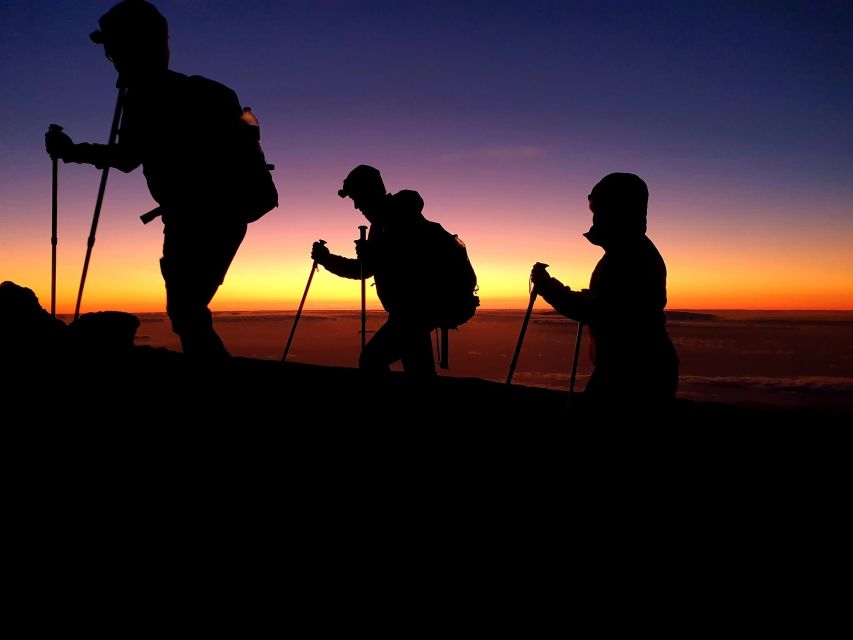
This is one of those trips where the guide quality changes the whole experience.
A strong theme here is that the guide isn’t just leading you from point A to B. You learn what you’re standing on—how the national park works, why access is permit-based, and how Teide fits into the volcanic story of Tenerife and the Canary Islands. That background matters because it turns a tough hike into something you’ll remember for more than the view.
Guides like Peter (and Evelyn as part of the guiding team) are noted for being professional and relaxed, with real knowledge of the park. You also get practical coaching, especially when conditions aren’t perfect.
Equipment and Safety: When Snow Shows Up, You’re Ready
Teide can surprise you with cold. And in some conditions, the trail may need traction.
What you get included:
- Qualified mountain guide
- Liability and accident insurance
- Trekking poles
- Headlamp
- Ankle-high hiking boots if needed
- Coat, sweater, hat, gloves, and any missing equipment for the hike
That gear list is more than comfort—it’s risk management. Trekking poles help with balance and steep sections. A headlamp matters because the timing of the descent can push you into low light.
And when snow or ice appears, you’ll be glad the gear support can include extra traction like spikes/crampons. One important consideration: snow-traction needs can be situational, so come with flexibility and don’t assume conditions will be like last week.
Finally, note that there are physical limits for this tour. It’s not suitable for:
- people over 65
- people under 120 cm
- pregnant women
- children under 12
- people with mobility impairments
- people with high blood pressure
If any of those apply, it’s best to look for a different Teide-style experience that better matches your needs.
The Real Value in the $199 Price
At $199 per person, you’re paying for a high-value mix: the summit access permission, guidance, and gear that you might otherwise have to rent or buy.
What’s included (key value points):
- the official permit to go to the peak at a specific time
- qualified guide
- insurance
- basic hiking gear like poles and a headlamp
- clothing/layers and missing equipment when required
What’s not included:
- transport
- cable car entry (+24€ if you choose that option)
So the value equation is really about reducing hassle. Permit rules can be complicated, and at Teide the timing is everything. When a tour handles the permit and organizes the day around it, you get to focus on the hike—not on paperwork or scrambling to time access.
If you’re comparing options, don’t just compare the headline price. Ask what’s covered for the climb, not only for the sightseeing.
What to Bring (So You Don’t Get Caught Under-dressed)
You’ll get help with layers and gear, but you still need your basics. Bring:
- a daypack
- passport or ID card
- sunscreen
- sportswear
- warm clothing
- hiking shoes (comfortable and broken in)
- food and drinks
- water
- comfortable footwear for the full day
A few small practical tips that make a big difference:
- Pack water even if it seems like you’ll barely move—high altitude makes thirst sneak up on you.
- Use sunscreen anyway. Sun at altitude can feel extra sharp.
- Bring a layer you can put on fast. The wind and cold can change your comfort quickly.
Also, plan your footwear carefully. The summit area and descent options involve uneven surfaces, and good grip matters.
Where to Meet: The Barrel Detail
Logistics matter on timed tours. You should wait outside of the barrel and not go up to the cable car station without the guide.
That tiny instruction prevents a common headache: missing the group because you assumed you’d meet at the obvious place. Follow their meeting point guidance and you’ll keep the day stress-free.
Who This Teide Hike Fits Best
This is ideal for you if:
- you want a true altitude-and-volcano hike, not a short scenic stop
- you’re comfortable with a long day and possible cold conditions
- you like having a guide who explains what you’re seeing
- you want a small group experience (up to 10 people)
It’s less ideal if:
- you’re sensitive to steep, rocky descents
- you expect an easy walk the whole way
- you fall into the tour’s listed health/age limits
If you hike regularly and you choose cable car for the descent, you’ll likely enjoy the summit without paying for it with exhaustion. If you want the full challenge and you know your limits, the foot descent can be an intense finale.
Should You Book Teide Peak Hiking?
I’d book this tour if your main goal is the Teide summit at 3,715m with solid organization, permit access, and gear that handles cold weather. The summit views are the headline, but the real reason it’s worth it is how the day is structured around the park rules and how the guide helps you understand what you’re walking through.
Skip it (or choose a different style of Teide visit) if you’re not comfortable with the demands of altitude and rugged terrain, or if the foot descent would be a stretch for you. In that case, the cable car option is your friend—just remember it’s an extra +24€ per person.
In short: if you want the highest point of Spain to feel unforgettable for the right reasons—views, challenge, and guidance—this is a strong pick.
FAQ
How long is the Teide Peak hiking experience?
The duration is listed as 6 hours.
Is the summit permit included in the price?
Yes. The tour includes an official permit to go to the peak of Teide at a specific time.
Is the cable car included?
No. Cable car use is optional, and cable car entry costs +24€ per person.
How big is the group?
It’s a small group limited to 10 participants.
What languages are available for the tour guide?
The live guide is available in English, Hungarian, and Spanish.
What equipment is provided?
You get trekking poles and a headlamp, plus insurance. You may also receive ankle-high hiking boots if needed, and coat/sweater/hat/gloves and other missing equipment for the hike.
What should I bring with me?
Bring a daypack, sunscreen, passport or ID card, sportswear, warm clothing, hiking shoes, food and drinks, comfortable shoes, and water.
Who is the tour not suitable for?
It’s not suitable for people over 65, people under 120 cm, pregnant women, children under 12, people with mobility impairments, and people with high blood pressure.
What is the cancellation policy?
Free cancellation is available up to 24 hours in advance for a full refund.