REVIEW · TENERIFE
Tenerife: Sunset Night Tour and Stargazing at Teide + Dinner
Book on GetYourGuide →Operated by La Excursion · Bookable on GetYourGuide
Stars beat the beach for one night in Tenerife. I like how this tour strings together a sunset viewpoint at Teide and hands-on telescope stargazing with astronomer guides. The downside to plan around: night-sky viewing depends on conditions, and the cold can be real even when the sunset is gorgeous.
You’ll ride up through volcanic scenery from Tenerife’s south, pause for a quick café break, then spend dedicated time in Teide National Park away from city light. Bring warm layers and comfy shoes, because the night portion runs longer than you think once you’re standing still looking up.
In This Review
- Key things to know before you go
- Why Teide National Park is a night-sky magnet
- The sunset-to-stars rhythm: how the evening flows
- Stop 1: Getting to the start point (and why pickup details matter)
- Stop 2–4: Bus time plus a café reset
- Stop 5: Photo stop and the Teide sunset moment
- Stop 7: Guided stargazing with telescopes, lasers, and binoculars
- What you might actually see
- Dinner at a typical restaurant (when you choose the option)
- Transportation, timing, and drop-offs across the south coast
- Photography tips that help (without making you technical)
- What to bring so you don’t hate the night
- Who this tour suits best (and who should think twice)
- Price and value: why $39 can make sense here
- Should you book Teide sunset stargazing with dinner?
- FAQ
- How long is the Teide sunset night tour and stargazing?
- Is dinner included in the price?
- Do I need to choose pickup, and where does pickup happen?
- What happens during the sunset portion?
- Are telescopes and laser pointers included?
- What languages are the guides available in?
- What should I bring for the night sky portion?
- Is the tour suitable for young children?
Key things to know before you go
- UNESCO dark skies at Teide National Park, built for star viewing and Milky Way chances
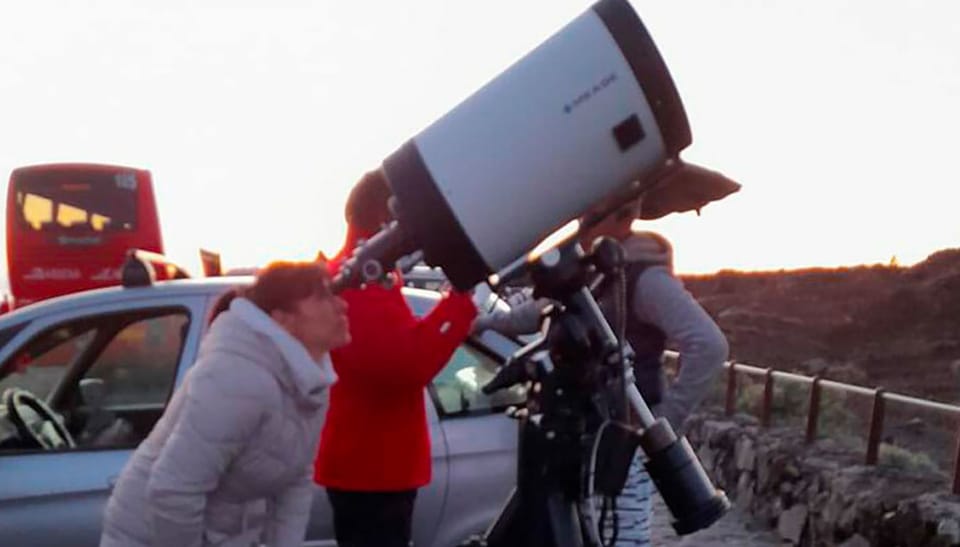
- Telescopes + laser pointers + astronomical binoculars to match what you’re seeing with what you’re learning
- A dedicated sunset photo stop (plus chocolates) with views toward La Gomera
- Expert-led astronomy in Spanish, English, and Russian, with guides such as Maria and Roberto mentioned for strong explanations
- South Tenerife pickup only, with multiple drop-offs around the island’s south coast
- Weather and temperature matter: clear skies help, and you’ll want serious warm clothes
Why Teide National Park is a night-sky magnet
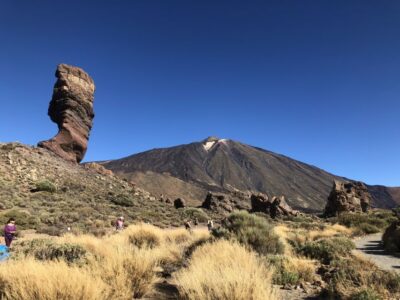
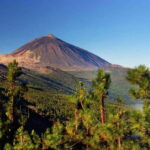
Teide National Park is famous for its dark skies, and this tour is designed around that advantage. You’re not just driving to a generic viewpoint and hoping for the best. The plan puts you inside the park during the prime transition from sunset to full darkness, when stars start popping out fast.
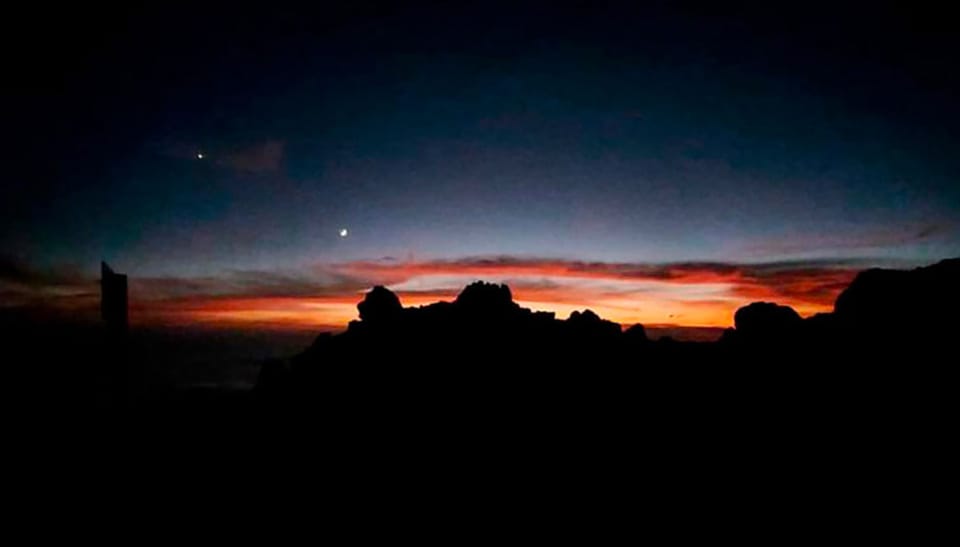
That timing matters. During the first glow, the horizon and volcanic shapes look dramatic, and then the sky darkens enough for constellations, planets, and fainter objects to become visible. The guides use telescopes and laser pointers so you’re not stuck guessing where everything is.
If you care about photography, Teide helps you a lot. You get clearer sightlines than you would near town lights, and the tour also includes tips for photos—useful, because shooting the night sky is mostly about knowing what to try and when.
You can also read our reviews of more tours and experiences in Tenerife

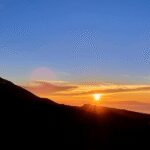
The sunset-to-stars rhythm: how the evening flows
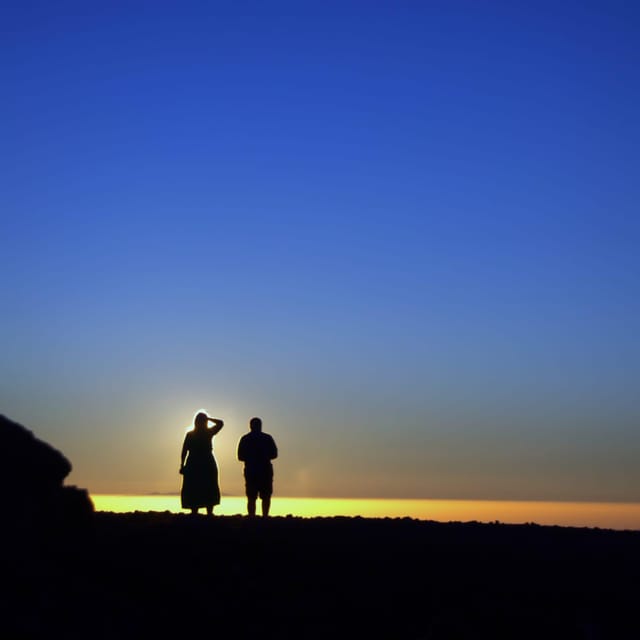
This experience is built like two acts: a scenic Teide sunset first, then a structured astronomy session after. The total time can range from about 2.5 to 6 hours, depending on the specific start time tied to the sunset. That variability is normal here; sunset times drive the schedule.
Here’s the rhythm you’ll feel, stop by stop:
Stop 1: Getting to the start point (and why pickup details matter)
Pickup is optional, and it’s only from the south of Tenerife. If you choose pickup, the important thing is that the pickup time on your voucher is not always the same as your real pickup time. The provider sends an email or message ahead of time confirming the pickup time and exact location, often with a map link.
Plan to arrive at the bus stop about 5 minutes early. The guide will wait no longer than 3 minutes after the scheduled pickup time. In a tour like this, that rule isn’t picky—it’s logistics. You want the whole group moving so the later Teide timing stays on track.
If you’re using public transport or trying to meet at the start, aim for buffer time. Night tours punish small timing mistakes.
Stop 2–4: Bus time plus a café reset
After boarding, you’ll have a short bus segment, then a local café break (about 15 minutes). This is one of those underrated parts of the tour. Stargazing can last, and dinner may be either at the beginning or end depending on the season, so it helps to grab something warm, use the restroom, and reset your hands and face for the cold.
Then the bus continues toward Teide National Park. You’ll get scenic views as you go, which is great even before darkness sets in.
Stop 5: Photo stop and the Teide sunset moment
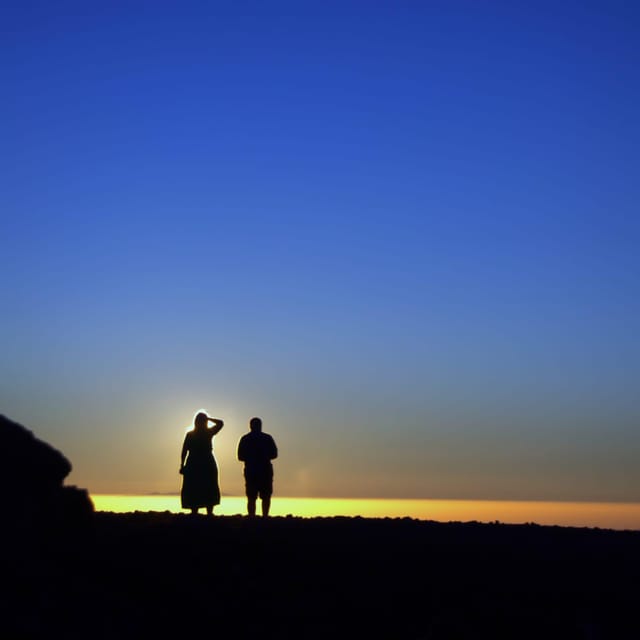
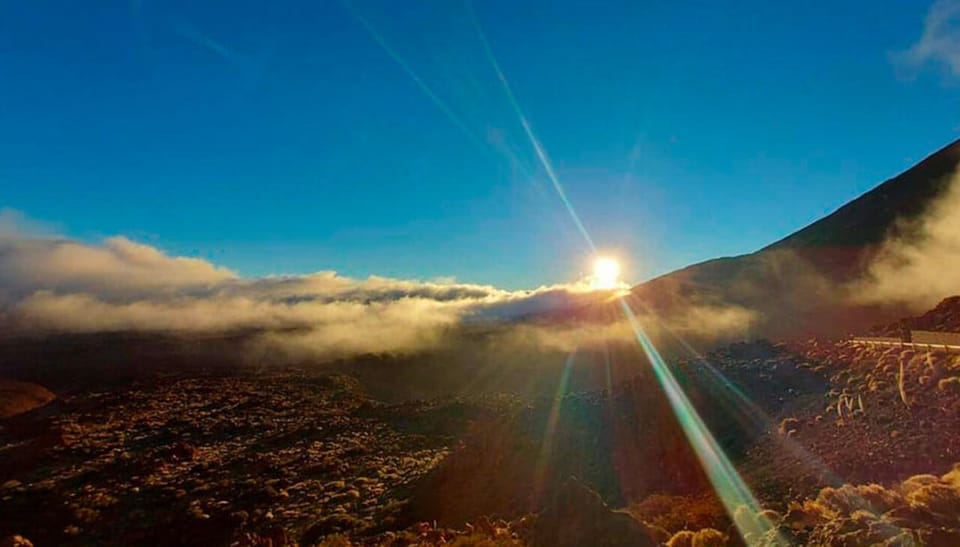
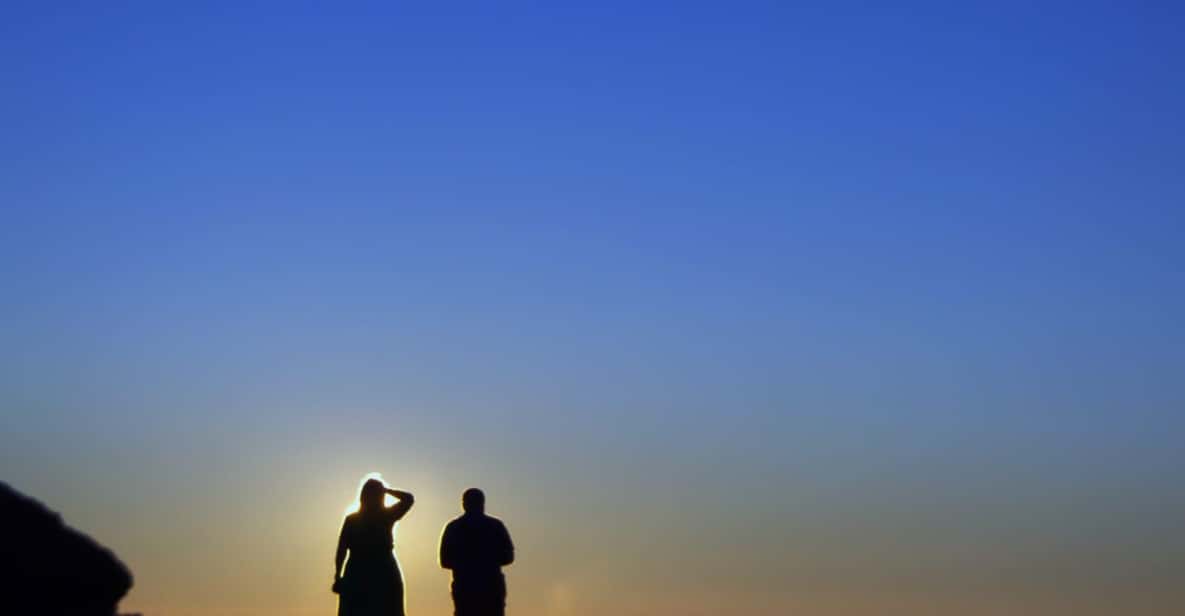
The itinerary builds a formal photo stop inside Teide National Park with time set aside for sunset (about 45 minutes). You’ll be in position for views that can include the island of La Gomera—and you’ll also get chocolates at sunset, which sounds small but is a nice morale boost when you’re standing outdoors waiting for the sky to shift.
This is when the tour starts to feel like more than “a bus ride to stars.” The volcanic terrain gives you structure in the frame, so your photos and your eyes both have something solid besides empty black sky.
One practical note: wear shoes you can stand in. The most disappointing part of an otherwise great stargazing tour is always the same—people underdressed for waiting outside.
You can also read our reviews of more tours and experiences in Tenerife


Stop 7: Guided stargazing with telescopes, lasers, and binoculars
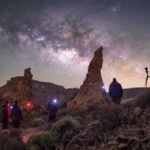
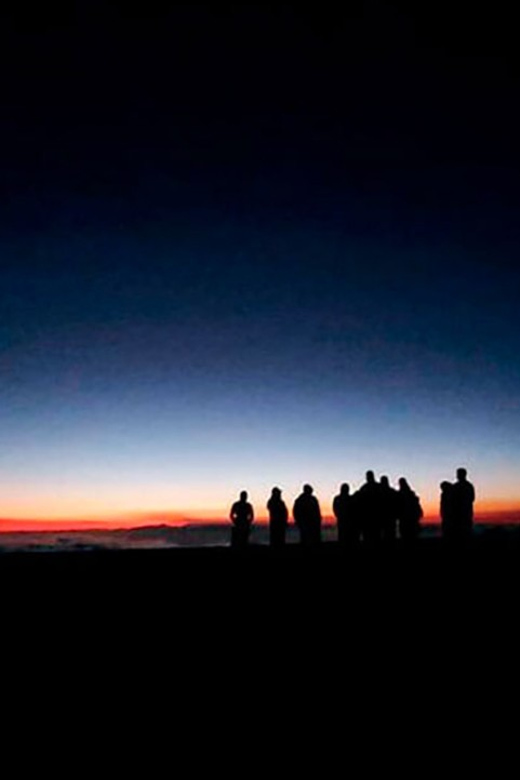
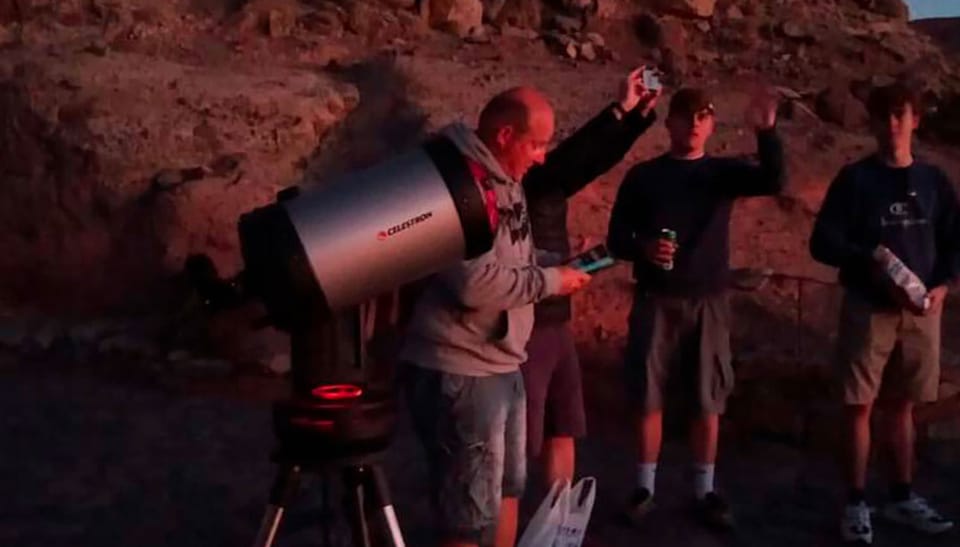
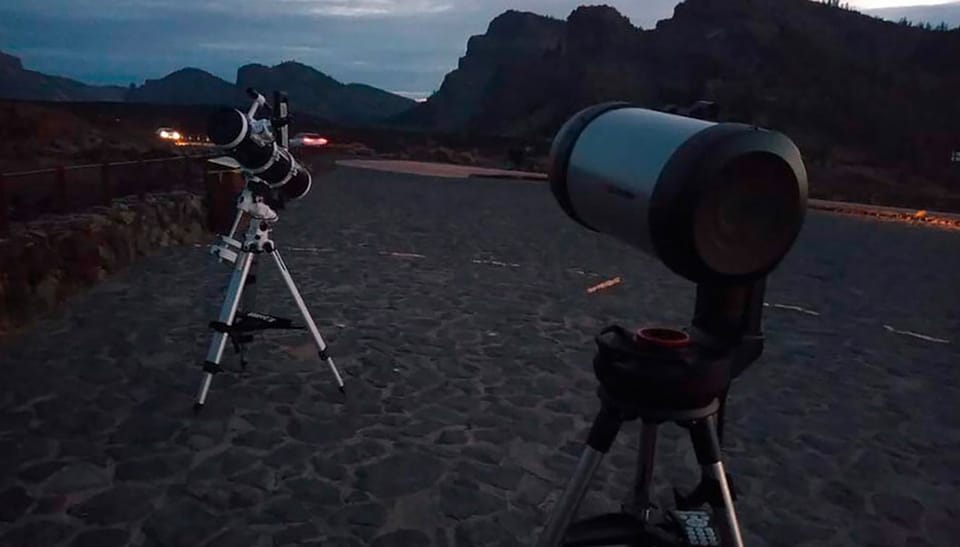
This is the heart of the night. You’ll have a longer guided tour/sightseeing block (about 105 minutes) in Teide National Park, with astronomy instruction and viewing time.
What makes this portion work is the combination of tools and teaching:
- Powerful telescopes for planets and brighter deep-sky targets
- Laser pointers so the guide can point out objects precisely
- Astronomical binoculars for an extra layer of viewing
The guides also talk about constellations and their myths/legends, which is more than trivia. It helps your brain “map” the sky. When you can connect a pattern to a story or a name, you stop feeling lost and start feeling oriented.
From guide names shared in past experiences, you may hear strong explanations from astronomers such as Maria or Roberto, and guides like Tanya or Jorge have also been associated with well-run evenings. Regardless of who you get, the best sessions seem to follow the same formula: clear direction, time at the equipment, and room for questions.
What you might actually see
No stargazing tour can guarantee specific objects—clouds and atmospheric conditions have the final say. But the experience is set up for real sightings when the sky cooperates.
Based on what’s been described in past evenings, you might see:
- Planets and standout celestial objects
- Jupiter’s satellites and Saturn’s rings when viewing conditions line up
- A chance at a Milky Way view, since you’re far from city light
Dinner at a typical restaurant (when you choose the option)
If you select the dinner option, you’ll eat at a typical local restaurant. The timing changes by season: in winter, dinner is at the end of the experience; in summer, it’s at the beginning.
Why does this matter? In Tenerife’s climate, the cold at night can affect your energy and appetite. Eating earlier might help you stay comfortable while you wait for darkness. Eating later can feel more social after stargazing.
Food quality varies by restaurant, but the dinner is generally described as tasty and cozy in people’s accounts. If you’re traveling with someone who gets hungry fast, dinner inclusion is a real value add, not a throw-in.
Transportation, timing, and drop-offs across the south coast
The tour uses an air-conditioned bus option if that’s selected. The schedule includes multiple pick-up and drop-off points—so you’re not stuck marching back to one central location.
Drop-offs can include well-known south areas such as El Duque, several hotel stops (like H10 Atlantic Sunset and H10-related locations), and other points spread along the coast. The key practical detail: you’ll be returning to a meeting point/end location, and then you’ll be distributed across those stops.
One small consideration that can affect comfort: a few people have noted that having a toilet on the coach would be helpful. The itinerary includes a café break, so you can plan around it, but long bus stretches mean you should think ahead.
Photography tips that help (without making you technical)
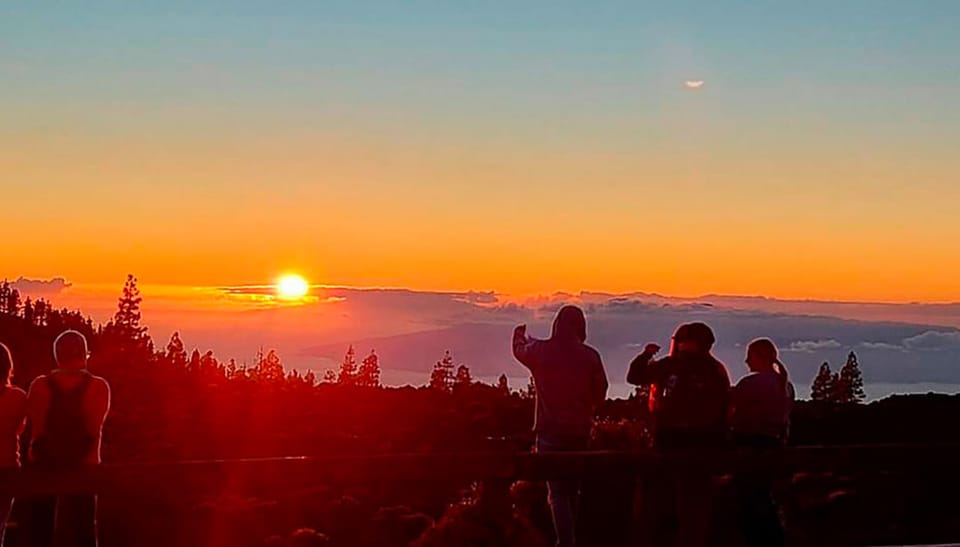
The tour includes tips for photos of the experience, which is smart. Night photography is less about “having a great camera” and more about settings and timing.
Here’s what you can do right away:
- Bring a camera (the tour explicitly encourages it) and take test shots during the sunset transition so you understand exposure before full darkness.
- Use the provided guidance at the photo and telescope moments instead of guessing.
- Expect the sky to change quickly as the sun drops; the guide’s timing helps you capture the right phase.
You’ll likely take better photos than you expect, but the best results come from patience and stable footing. Also, don’t over-plan—stand where you’re told and follow the flow.
What to bring so you don’t hate the night
This is not a “light jacket” kind of event. Teide evenings can feel sharp, and you’ll be outside waiting for sunset and then standing or looking through equipment.
Pack:
- Warm clothing and layers
- Comfortable shoes (for standing)
- A hat if you run cold—people specifically suggest this
- Your camera (and charge it)
- Comfortable clothes you can move in
I also recommend gloves or something that covers your fingers. Adjusting camera settings with bare hands after the bus ride can be harder than it sounds.
Who this tour suits best (and who should think twice)
This is a strong fit if you want a mix of nature views and real astronomy teaching, not just a scenery stop. It’s great for:
- Nature lovers who like volcanic scenery
- Families looking for an educational night out (as long as kids are over the minimum age)
- Photography enthusiasts who want dark-sky access plus guidance
- Anyone who wants to understand the sky instead of staring at it silently
The tour isn’t suitable for children under 2 years. Also, if you’re extremely sensitive to cold or you want a super short, low-standing-time outing, it might feel like too much time outside. Finally, if you absolutely need a clear view regardless of conditions, remember: weather can shift the quality of stargazing.
Price and value: why $39 can make sense here
At about $39 per person, this tour can be good value when you look at what’s included. You get:
- A guided stargazing experience with astronomer guides
- Telescopes, laser pointers, and astronomical binoculars
- A structured sunset viewing block
- Transportation by bus if you choose the pickup option
- Optional dinner, if selected
Compare that to paying separately for park access, a guide, and equipment support. Here, you’re paying for instruction plus equipment time, and that’s the expensive part.
The real question isn’t price. It’s fit: if the weather cooperates and you’re willing to bundle up, the value rises quickly.
Should you book Teide sunset stargazing with dinner?
I’d book it if you want a night in Teide National Park that feels structured: sunset first, then a guided push into the sky. The laser-pointer + telescope combo, the focus on constellations and myths, and the dark-sky location are the reasons this works.
I’d think twice if:
- You’re traveling with someone who struggles in cold weather
- You’re expecting guaranteed telescope views of specific objects every time
- You dislike long outdoor waiting, since the best moments come when you stand still and watch the sky change
If you do book, dress for the cold and follow the guide’s timing. That’s the simplest “secret” to getting the most out of Teide after dark.
FAQ
How long is the Teide sunset night tour and stargazing?
The duration is listed as 2.5 to 6 hours. Check availability to see the starting times, since the schedule is tied to sunset.
Is dinner included in the price?
Dinner is included only if you select the dinner option. If you don’t choose it, you’ll still have the stargazing and the sunset viewing stops.
Do I need to choose pickup, and where does pickup happen?
Pickup is optional, and it only works from the south of Tenerife. The provider confirms the pickup time and exact location before your tour.
What happens during the sunset portion?
You’ll have a photo stop in Teide National Park with time for the sunset (about 45 minutes). Chocolates are provided at sunset.
Are telescopes and laser pointers included?
Yes. The tour includes telescopes and laser pointers, plus astronomical binoculars for additional viewing.
What languages are the guides available in?
The live guide runs in Spanish, English, and Russian.
What should I bring for the night sky portion?
Bring comfortable shoes, warm clothing, and your camera. Also pack weather-appropriate clothes and comfortable clothing for standing outside.
Is the tour suitable for young children?
It is not suitable for children under 2 years old.