REVIEW · TENERIFE
PADI Scuba Dive Course in Costa Adeje
Book on Viator →Operated by Travel Sub SLU · Bookable on Viator
Short on time? This program gets you water skills quickly. The PADI Scuba Diver rating is built for travelers who want the start of scuba training without committing to the full Open Water course, and it happens in Tenerife’s Costa Adeje area. You’ll do three classroom sections taken from the Open Water curriculum, plus two supervised sea sessions, with a professional instructor guiding the whole process.
What I like most is the setup: you get all necessary scuba equipment plus bottled water, so you can show up and focus on learning. I also appreciate the small-group feel (maximum of 4), which makes it easier to ask questions and get feedback during the classroom and in the water.
One consideration: this is not a swim-free experience. It’s not recommended if you cannot swim, and the physical requirement is listed as moderate fitness.
In This Review
- Key highlights to know before you go
- Costa Adeje meeting point and how the 3-hour flow works
- What you actually get with the PADI Scuba Diver program
- Classroom time: the short theory that sets you up to stay safe
- Two sea sessions: practical water skills with a professional instructor
- The staff and organization: what the best feedback keeps repeating
- Equipment and bottled water: included, so budget stays predictable
- Price and value: when $300.67 makes sense
- Where Costa Adeje fits into your training plan
- Who this program is best for (and who should skip it)
- Weather and schedule reality in Tenerife
- Should you book the PADI Scuba Diver program in Costa Adeje?
- FAQ
- How long is the PADI Scuba Diver program?
- What’s included in the price?
- Is this full Open Water certification?
- Do I need to know how to swim?
- Where do I meet for the session?
- What happens if weather is poor?
Key highlights to know before you go
- Subset of Open Water, with upgrade later: you can start now and move to full Open Water certification at any time.
- Small group limit (max 4): more attention from the instructor.
- 3 classroom sections + 2 sea sessions: a fast route to real-world underwater skills.
- Equipment and bottled water included: fewer costs and less hassle.
- Professional team and clear explanations: feedback specifically praised staff for organization and safety focus.
Costa Adeje meeting point and how the 3-hour flow works
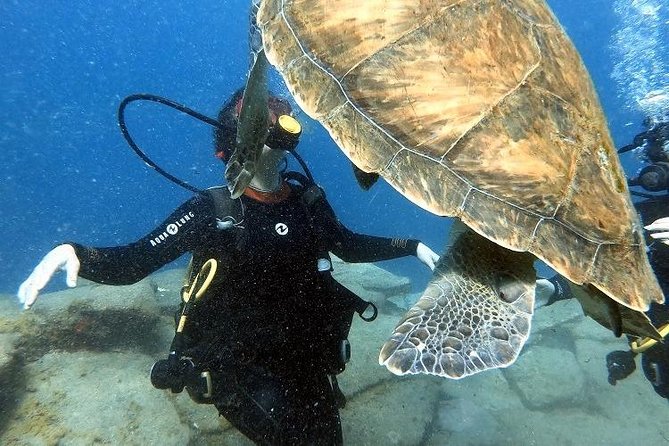
This program runs about 3 hours total, which is perfect if your Tenerife day is already packed. You meet at the PADI 5 Travel Sub center in Costa Adeje, at Calle Colón, s/n, Escuela Nautica, 38660, in Santa Cruz de Tenerife, Spain. The center is also described as near public transportation, so you’re not stuck planning a car just to take the course.
Once you arrive, the vibe is usually practical: you check in, get oriented, and then move into the course rhythm of classroom learning followed by water time. Since the training is shorter than full Open Water, the schedule tends to stay focused. Expect to spend enough time on basics and safety rules that you can actually make use of the sea sessions, rather than just watching from the sidelines.
Timing-wise, the center operates Monday through Saturday, 8:30 AM to 6:00 PM (with course availability across the stated season dates). If you like having a plan you can build the rest of your day around, this is one of the calmer scuba options.
You can also read our reviews of more scuba diving tours in Tenerife
What you actually get with the PADI Scuba Diver program
The PADI Scuba Diver rating is explicitly a subset of the PADI Open Water Diver course. That means you’re not doing every component of the full certification. Instead, you’re doing three out of five classroom sections and two out of four sea sessions that make up the broader Open Water training.
For you, the value is simple: you’ll still learn core scuba basics and safety procedures, but in a compressed format. This is a great match if you want the satisfaction of learning the basics and going into the water with instruction, without spending multiple days on training.
Just as important, this program is not a dead end. If you later decide you want the full credential, you can upgrade to the Open Water certification at any time. That gives you flexibility: take this now during a short trip, then complete the rest when your schedule allows.
Classroom time: the short theory that sets you up to stay safe
You’ll complete three classroom sections from the Open Water curriculum. The key point here is that it’s not random lecture time. It’s structured training that supports what you’ll do next: skills and safety in open water.
Because the program is a subset, it’s designed to cover what you need to understand quickly. You can think of the classroom portion as your foundation in how scuba equipment works, how safety rules are handled, and how to follow the instructor’s direction. Reviews also highlight that staff take time to explain things clearly, and that they stay aligned with PADI standards.
If you’re the kind of person who likes knowing the why behind what you’re doing, pay attention during these sessions. In my experience with scuba-style training formats, the people who feel most confident in the water are the ones who ask questions early, before equipment and procedures become time-sensitive.
Two sea sessions: practical water skills with a professional instructor
After the classroom portion, you get two sea sessions with professional guidance. This is where the course earns its keep. Instead of only learning ideas, you’ll practice the skills that make scuba real.
The course description frames these sessions as a chance to experience the underwater world without committing to the full Open Water course. That matters because your first encounter with open water can feel very different from a pool or a video. Having an instructor involved during both sessions helps you learn how to stay controlled, follow safety procedures, and use your gear correctly.
One practical tip: be ready to listen and move quickly. In a shorter program, there’s less time for lots of repeated attempts. If you’re calm, communicate with the instructor, and focus on doing what’s asked, you’ll get more out of those two sessions.
The staff and organization: what the best feedback keeps repeating
The strongest theme in the feedback is consistency: staff are described as friendly, professional, and organized, with a strong emphasis on safety. People also specifically praised instructors by name during other advanced training at the same center, including Davide and Roberto, and additional team members Nat, David, Max, and Elena.
Even if you’re taking the Scuba Diver program (not an advanced course), that matters. It suggests the center has an established training style, with instructors who explain clearly and run the day in a way that feels controlled rather than chaotic. When you’re learning a technical activity, that kind of structure is worth more than it sounds on paper.
Also, the group size cap at 4 travelers supports that style. Smaller groups usually mean less waiting, more direct attention, and more chances to confirm you’re doing things correctly before the water time begins.


Equipment and bottled water: included, so budget stays predictable
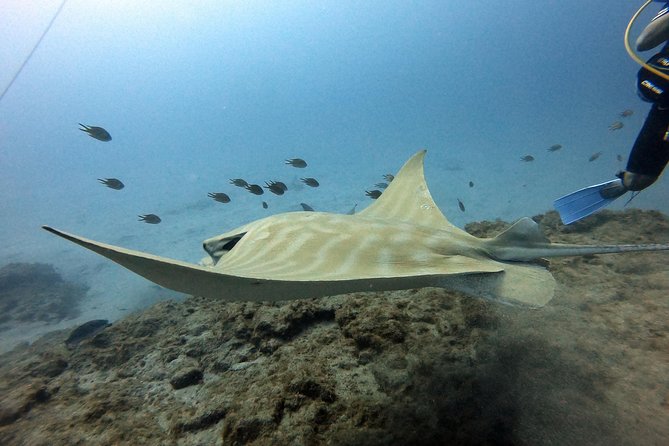
This program includes use of scuba equipment, plus bottled water. For a short course, that’s a big deal. You don’t need to hunt down rental gear, and you don’t need to factor in extra costs just to start training.
It also helps you travel lighter. If you’re already dealing with Tenerife logistics—beach gear, sunscreen, and towels—getting everything handled for the course keeps the day simple.
One thing I’d watch for: you still want to arrive feeling rested and ready. With gear included, the course becomes more about readiness and focus than equipment hassle.
Price and value: when $300.67 makes sense
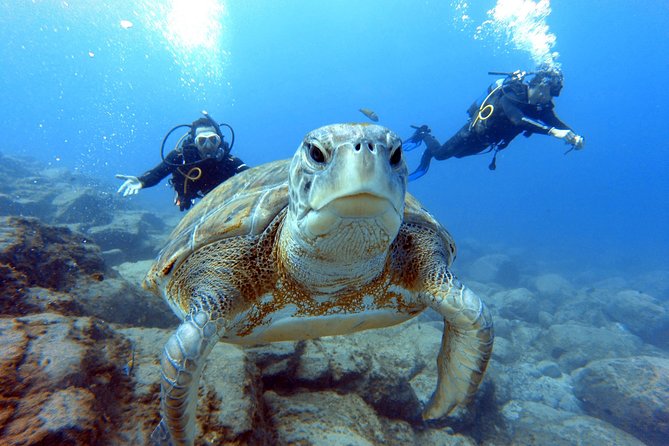
The price is listed at $300.67 per person for approximately 3 hours, with a mobile ticket and everything equipment-related included. That cost can look high if you compare it to a random activity in Costa Adeje, but it becomes more reasonable when you factor in what’s included:
- A professional instructor guiding both classroom and sea sessions
- All necessary scuba equipment
- Bottled water
- A structured learning pathway tied to a PADI rating subset
The big value argument here is time. You’re effectively buying a shortcut to scuba basics and real water experience without taking on the full Open Water commitment right now. If your schedule is tight, this is often the most practical way to get started.
If, on the other hand, you already know you’ll complete the full Open Water certification during your trip, you might decide whether a multi-day plan is better. But for a one-trip start, this format is built for that exact scenario.
Where Costa Adeje fits into your training plan
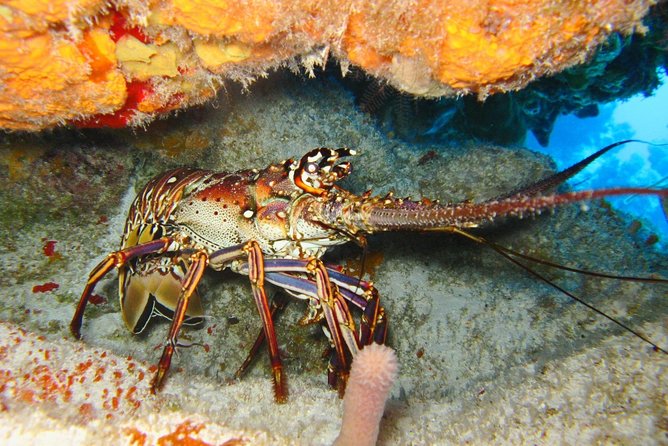
Costa Adeje is set up for visitor convenience, and this course aligns with that. You’re meeting at the Escuela Nautica area, and you’ve got hours that fit a typical vacation schedule. Plus, it’s near public transportation, which helps if you prefer not to rely on taxis.
Because the course is short, you can usually fit it between other Tenerife plans: a beach day, a meal, or a relaxed afternoon afterward. Just plan your day with the idea that you’ll want time to rest after the sea sessions. Your head will likely be full of new skills and safety rules.
Who this program is best for (and who should skip it)
This experience is best for you if:
- you don’t have time for the full Open Water course
- you want a proper start in scuba training with classroom structure and supervised sea sessions
- you like learning with a professional team and clear explanations
- you expect to do more underwater outings with trained support after your course
It’s not the right choice if:
- you cannot swim
- you don’t meet the moderate physical fitness level listed for the activity
Also consider your expectations. The program is a step toward certification, not the full certificate on its own. If your goal is solely to say you got certified immediately, you’ll want to map that against the full Open Water path. If your goal is to start, learn, and then upgrade later, this fits well.
Weather and schedule reality in Tenerife
This activity requires good weather. If it’s canceled due to poor weather, you’ll be offered a different date or a full refund. That’s the normal reality of open water training, so it’s worth keeping your plans flexible.
On the calendar side, you’ll also want to check that your preferred day falls within the center’s stated opening window (8:30 AM to 6:00 PM, Monday through Saturday). When your trip is already packed, booking early is the safest way to line up a session that works.
Should you book the PADI Scuba Diver program in Costa Adeje?
I’d book this if you’re traveling with limited time and you want a real start in scuba training. The mix of three classroom modules and two supervised sea sessions gives you more than a taster. It’s structured learning, not just an outing, and the upgrade path to full Open Water keeps your options open.
I’d think twice if you cannot swim, if you’re worried about the moderate fitness requirement, or if you want a long, fully rounded training experience in one go during a single trip. In those cases, full Open Water may match your goals better.
If you do book it, your best move is simple: show up ready to listen, ask questions during the classroom parts, and treat the instructor’s guidance as your roadmap. Small group size and included equipment help a lot, but the confidence comes from staying engaged through the full session.
FAQ
How long is the PADI Scuba Diver program?
It runs for about 3 hours (approx.).
What’s included in the price?
The program includes use of scuba equipment, bottled water, and a professional instructor.
Is this full Open Water certification?
No. It’s a subset of the PADI Open Water Diver course (three classroom sections and two sea sessions). You can upgrade to full Open Water certification at any time.
Do I need to know how to swim?
Yes. It’s not recommended for travelers who are not able to swim.
Where do I meet for the session?
You meet at PADI 5 Travel Sub center, Calle Colón, s/n, Escuela Nautica, 38660 Costa Adeje, Santa Cruz de Tenerife, Spain.
What happens if weather is poor?
The activity requires good weather. If it’s canceled due to poor weather, you’ll be offered a different date or a full refund.