REVIEW · TENERIFE
Tenerife: Scuba Diving Experience for Every Level
Book on GetYourGuide →Operated by Barbarian Diving Tenerife · Bookable on GetYourGuide
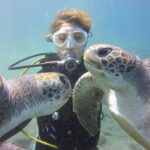
Sea turtles are the headline, but the real win is confidence. This Tenerife scuba session pairs clear instruction with crystal-clear water, volcanic underwater shapes, and a good chance of spotting marine life like rays, octopuses, and turtles. It’s set up for beginners and improvers, with calm, hands-on guidance throughout.
I especially like the small group setup (max 3 participants), because the instructor can watch your breathing, buoyancy, and gear adjustments in real time. I also love how the experience is structured: briefing on safety and basic technique, practice in shallow water, then a guided underwater session once you feel ready—often with instructors like Sergio and Kathi bringing a steady, reassuring vibe.
One thing to consider: this isn’t for kids under 12, and you’ll want to plan your day after your session since you should avoid flying for at least 12 to 24 hours. If you’re prone to motion sickness, the sea can add a layer of challenge on the day, so it’s smart to think ahead.
In This Review
- Key things that make this Tenerife scuba session work
- Playa de las Vistas: where your small-group session starts
- 2.5 hours that actually teaches: briefing, shallow practice, then going underwater
- Equipment + safety basics: what’s included, and why that matters
- Tenerife underwater scenery: volcanic formations and the sea-life hit list
- Spotting sea turtles and wildlife: how the guide helps you actually see it
- Price and value: is $98 actually fair?
- Who this is for in Tenerife, and who should skip it
- What to bring (and what to think about before you go)
- Should you book Barbarian Diving Tenerife?
- FAQ
- Where do we meet for this Tenerife scuba session?
- How long is the experience?
- What is the minimum age?
- Is the group small?
- What gear is included?
- What should I bring with me?
- Are sea turtles part of what we might see?
- What should I avoid after the session?
Key things that make this Tenerife scuba session work
- Max 3 participants means you get attention, not a crowd.
- Briefing + shallow-water practice first helps first-timers get their bearings.
- All the core gear is included, from wetsuit and mask to buoyancy control and an underwater computer.
- Volcanic underwater formations create interesting spots to explore, not just a generic swim.
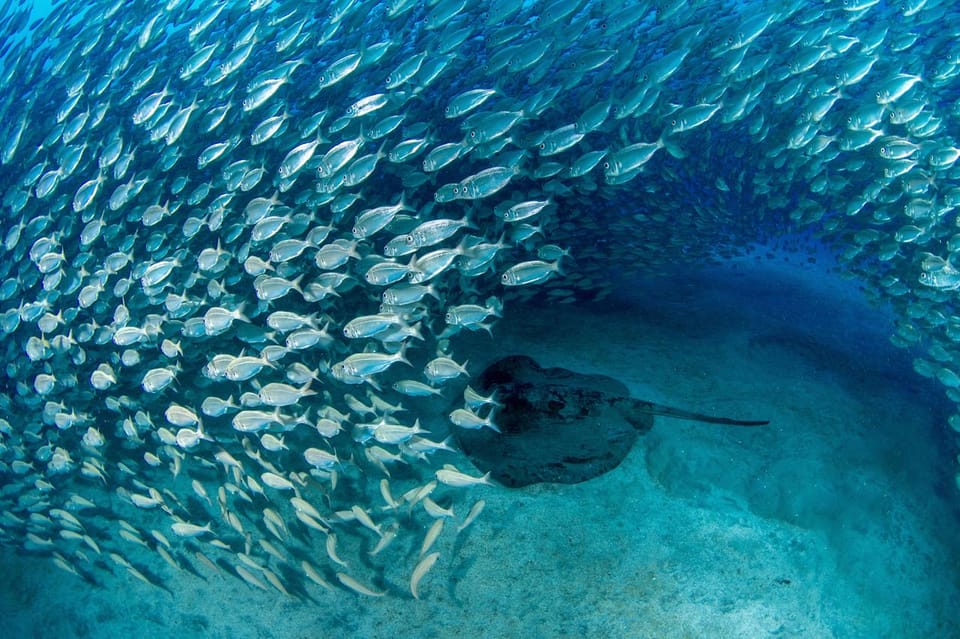
- Wildlife focus, with frequent colorful fish and occasional sea turtles and seahorses mentioned in past experiences.
Playa de las Vistas: where your small-group session starts
You meet at Playa de las Vistas in Tenerife, which is a practical choice. It’s easy to get to, and it keeps the whole day from feeling like a logistical maze. You’ll connect with the crew and get sorted with gear so you can move from “land mode” to “water mode” fast.
If you’re staying nearby, you might also have round-trip transportation arranged depending on the provider’s local meeting points or your accommodation. That matters because a scuba session is better when you’re not stressed about timing before you even get your mask on.
You can also read our reviews of more scuba diving tours in Tenerife
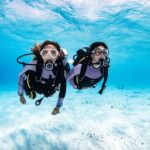
2.5 hours that actually teaches: briefing, shallow practice, then going underwater
This is a 2.5-hour experience with a clear flow, and that structure is a big part of why people feel confident quickly. The start is all about setting expectations and tightening up safety fundamentals.
First comes the briefing. Your instructors cover essential safety guidelines, basic diving-style techniques, and how to use the equipment properly. This isn’t just “listen and hope.” It’s meant to get you to the point where you know what you’re doing when the air starts flowing and your body changes in the water.
Next is the shallow-water practice. This is where first-timers often go from nervous to focused. You practice essential skills under watchful eyes, so you don’t feel like you’re guessing. Several experiences highlight how instructors give extra time when someone feels stressed—like when a student needed a slower pace before they felt comfortable.
Only after everyone is ready do you continue with the guided underwater portion. That sequencing is smart: it reduces panic and helps you enjoy the scenery and wildlife instead of worrying about the basics. If you’ve ever been afraid of getting overwhelmed on day one, this staged approach is exactly what you want.
Equipment + safety basics: what’s included, and why that matters
The included gear list is thorough, and it helps you travel lighter. You’ll get a wetsuit, mask, fins, tank, regulator, plus a buoyancy control device for managing your position underwater. You also get a surface marker and an underwater computer, which adds an extra layer of reassurance for tracking time and depth.
Why this matters for your day: when the equipment is provided, you’re not trying to rent the wrong size mask or fight with unfamiliar gear that day. Multiple experiences mention instructors being organized and supportive with gearing up, including helping with comfort and sizing steps before you head into the water.
Your instructor stays close during the underwater portion, and the goal is not just to show you wildlife. It’s to make sure you’re safe, comfortable, and following the protocols. That’s especially reassuring if you’re coming in with anxiety. In past experiences, instructors like Sergio and Kathi were specifically praised for calm, clear coaching and constant check-ins.
Also worth noting: photos and videos aren’t included, but they can be purchased onsite. If you like having a record, plan for that optional add-on rather than assuming it’s part of the price.
Tenerife underwater scenery: volcanic formations and the sea-life hit list
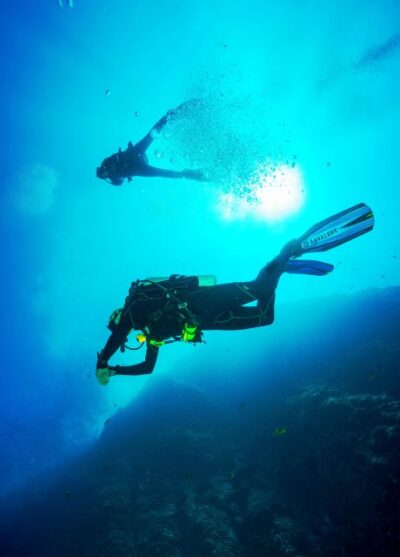
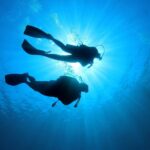
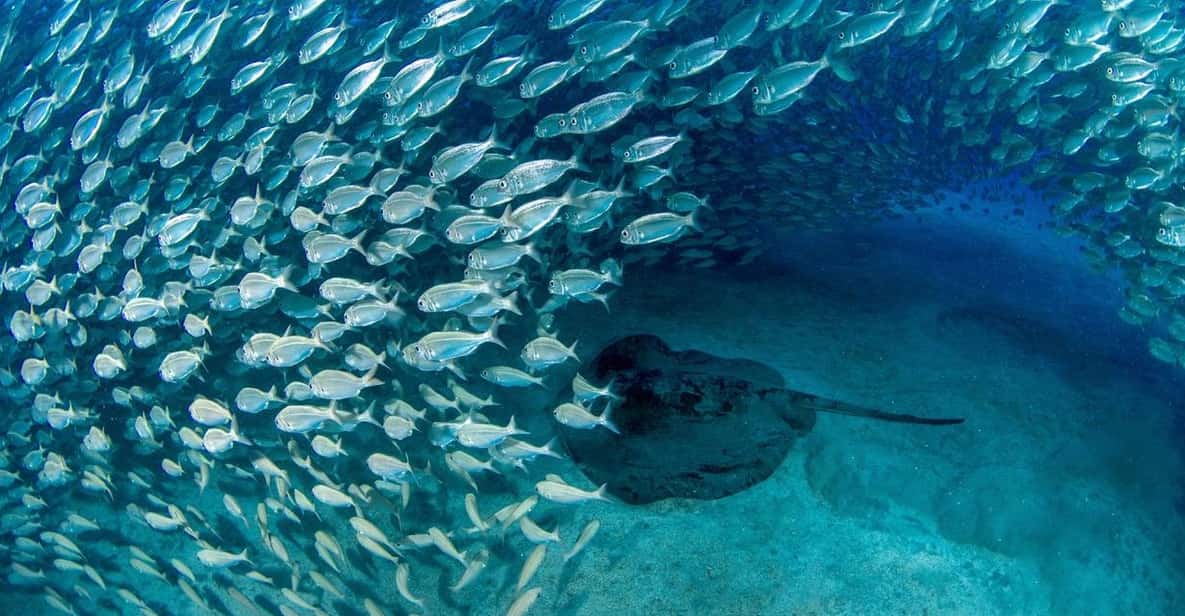
Tenerife’s underwater world is often interesting even before you’re thinking about sea turtles. The island’s volcanic formations create natural shapes and pockets where marine life likes to hang out. In practice, that means you’re not just doing a straight-line swim. You’re moving through underwater features where animals feel at home.
What you can realistically look forward to:
- Colorful fish close to your path
- Octopuses spotted by some groups
- Rays mentioned as part of the wildlife variety
- Occasional seahorses for lucky moments
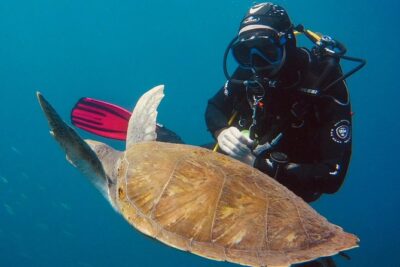
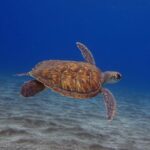
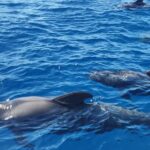
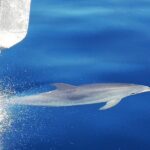
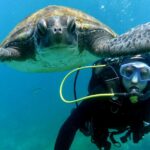
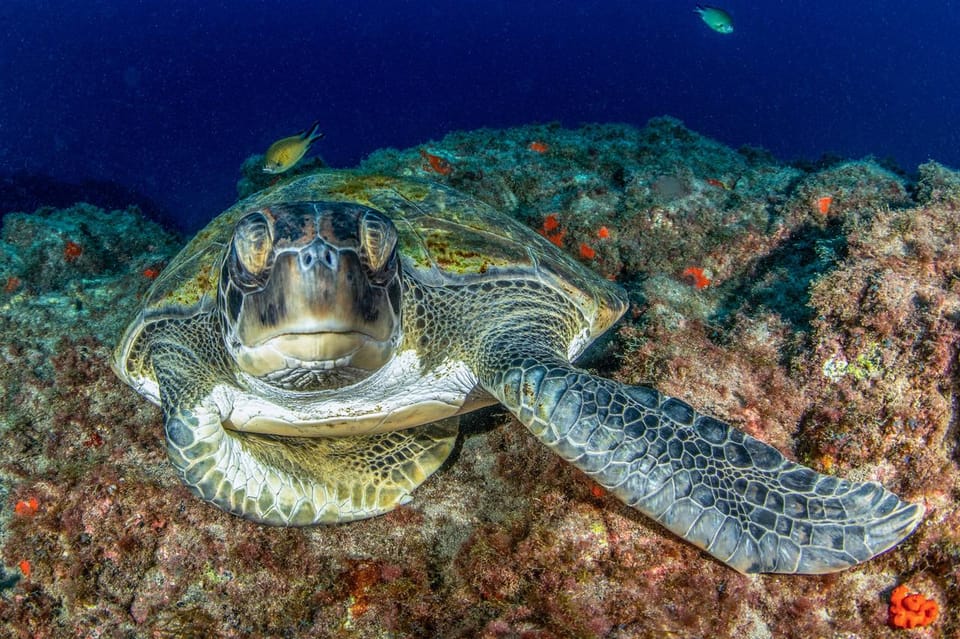
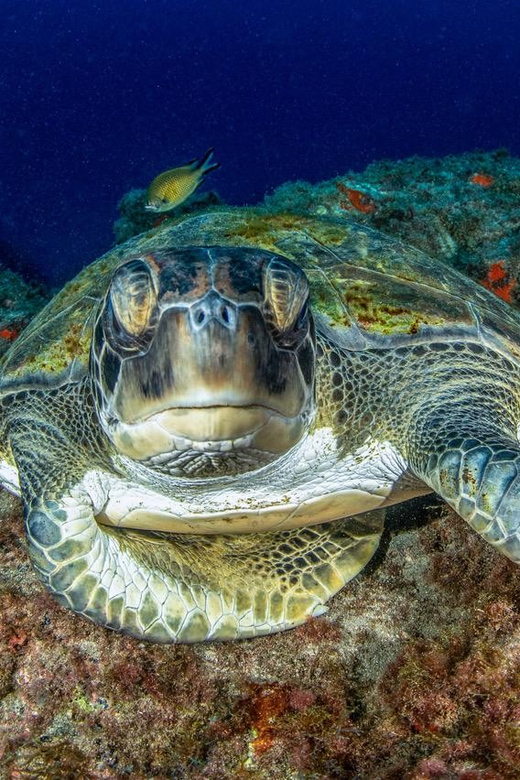
- And sometimes sea turtles, which are a major reason people book in the first place
One of the most consistent themes from past experiences is the sense of good visibility and a relaxed pace. People repeatedly mention feeling peaceful once they were underwater, which is usually the sign that the instruction phase did its job.
Spotting sea turtles and wildlife: how the guide helps you actually see it
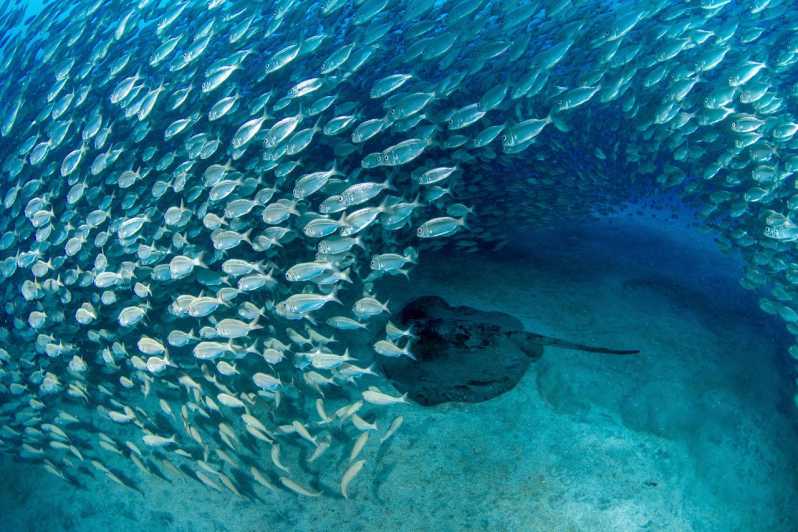
A big fear for first-timers is that you’ll go down, see a blur, and miss the good stuff. This format helps because your instructor isn’t treating the session like a scenic tour. They’re actively guiding you so you can notice what’s around you.
In past experiences, guides like Sergio, Iacob, Jose, John, and Kathi are praised for being patient and knowledgeable, with clear explanations and helpful technique cues. That combination matters because wildlife spotting often depends on buoyancy and body position. When you can control your movement, you stay calmer and you also drift through the area more naturally.
You also get reminders and ongoing support during the underwater portion, which keeps you from rushing or overexerting. If you want a better chance at seeing turtles, you’ll benefit from being the kind of diver who listens and adjusts quickly. The small group format (up to 3 participants) makes it easier for the instructor to tailor support without leaving anyone behind.


Price and value: is $98 actually fair?
At $98 per person for about 2.5 hours, this can be great value if you’re looking at what’s included and what it replaces.
You’re not only paying for equipment. You’re paying for:
- Instruction and safety coaching (briefing + practice)
- A guided underwater experience
- A full set of major gear items
- An instructor who stays focused on your comfort and technique
If you’ve tried to DIY scuba on vacation before, you know the hidden costs: buying/renting gear, finding a site, getting training that makes you feel safe, and still trying to manage timing. This experience bundles the learning and the guided part into one package, which is a simpler, lower-stress way to do it.
The feedback pattern also suggests you’re paying for quality attention. Many experiences stress that the instructors were calm and clear, and that the group stayed small enough for real support. That’s hard to replicate if you cobble things together yourself.
If you’re watching the budget, still keep two practical points in mind:
- Photos and videos are optional, not included.
- You may want motion-sickness help on your packing list if you’re sensitive to sea movement.
Who this is for in Tenerife, and who should skip it
This experience is explicitly for everyone older than 12. If your group includes younger kids, you’ll need a different option.
It’s especially well-suited if:
- You’re a first-timer and want coaching that reduces anxiety
- You haven’t dived in a while and want a basics-refresh
- You prefer personal guidance over a larger group feel
- You want an underwater experience focused on safety, comfort, and wildlife
It may be less suitable if:
- You can’t handle the idea of short practice in shallow water before going deeper
- Flying soon after the session would disrupt your schedule, since you should avoid flying for at least 12 to 24 hours
- You’re strongly prone to motion sickness and haven’t planned for it
The good news is that the format is built around comfort. Multiple experiences describe first-time nerves getting eased when instructors gave extra time, stayed calm, and offered simple, clear tips.
What to bring (and what to think about before you go)
The basics are straightforward, and you’ll feel less rushed if you pack early.
Bring:
- Swimwear
- A change of clothes
- A towel
- Biodegradable sunscreen
That last one is worth taking seriously. You’ll be in the water, and biodegradable sunscreen is the safer choice for marine environments.
A smart planning tip: give yourself time for the gear process. Some people are surprised by how much easier the whole session feels once you’re not juggling suit-wrangling and nerves at the same time.
After the session, plan your body like you would after any scuba activity. The general note here is to avoid flying for at least 12 to 24 hours. Also, if you’re sensitive to motion, consider bringing what’s worked for you on boats.
Should you book Barbarian Diving Tenerife?
If you want a Tenerife activity that mixes learning, safety, and real wildlife chances in a short window, I’d book this. The small-group limit and the staged coaching (briefing → shallow practice → guided underwater session) are the two reasons this works for nervous beginners and non-divers who still want to see sea turtles and other marine life.
I’d skip it only if your schedule can’t handle the post-session flying guidance or if you strongly dislike water practice before the main underwater part.
If you’re deciding between a big-group option and this max-3 style session, choose the one that gives you hands-on attention. Your odds of feeling calm and actually enjoying what’s around you go up fast when your instructor can focus on you.
FAQ
Where do we meet for this Tenerife scuba session?
You meet your diving crew at Playa de las Vistas in Tenerife.
How long is the experience?
The duration is 2.5 hours.
What is the minimum age?
It is not suitable for children under 12 years old.
Is the group small?
Yes. It’s a small group limited to 3 participants.
What gear is included?
The experience includes an instructor, briefing and training, wetsuit, mask, fins, tank, surface marker, underwater computer, regulator, and buoyancy control device.
What should I bring with me?
Bring swimwear, a change of clothes, a towel, and biodegradable sunscreen.
Are sea turtles part of what we might see?
You keep a lookout for sea turtles, and the underwater experience is described as having a chance to see various sea creatures like colorful fish, octopuses, rays, and occasionally sea turtles.
What should I avoid after the session?
It is best to avoid flying for at least 12 to 24 hours after scuba activity.