REVIEW · TENERIFE
Tenerife: Mount Teide Observatory Astronomical Tour
Book on GetYourGuide →Operated by Volcano Teide · Bookable on GetYourGuide
Teide turns the night sky into a real, guided show. On this Mount Teide Observatory astronomy tour, you get the science side of Tenerife in one day, with daytime solar observing and then classic star-gazing after sunset at one of the world’s top observatory settings. Teide Observatory is the reason this works so well.
I like that the whole day is built around proper observing: a guided visit during the afternoon at the world’s largest solar observatory, then telescope time at night for constellations and sky objects. I also like the small-group feel and the live guidance—people even mention guides like Lucas and Micaela with clear explanations and a quick sense of humor. The one real drawback to plan for is weather: if visibility is poor, the program can shift, including extra night telescope time or a virtual, audio-visual sky presentation.
In This Review
- Key points before you go
- Mount Teide Observatory: why this Tenerife astronomy stop works
- The afternoon at the world’s largest solar observatory
- Sunset viewpoints: the calm break before the stars
- Night stargazing: naked-eye constellations plus telescope time
- The tour day flow: transport, time on the mountain, and small-group pacing
- What to bring (and what can get you turned away)
- Price and value: is $121 per person fair?
- Who should book, and who should skip
- Should you book the Tenerife Mount Teide Observatory astronomy tour?
- FAQ
- How long is the Mount Teide Observatory astronomy tour?
- What’s included in the price?
- Is food and drinks included?
- What if the weather affects star visibility?
- What clothing do I need to join the tour?
- Where can I be picked up in north Tenerife?
Key points before you go
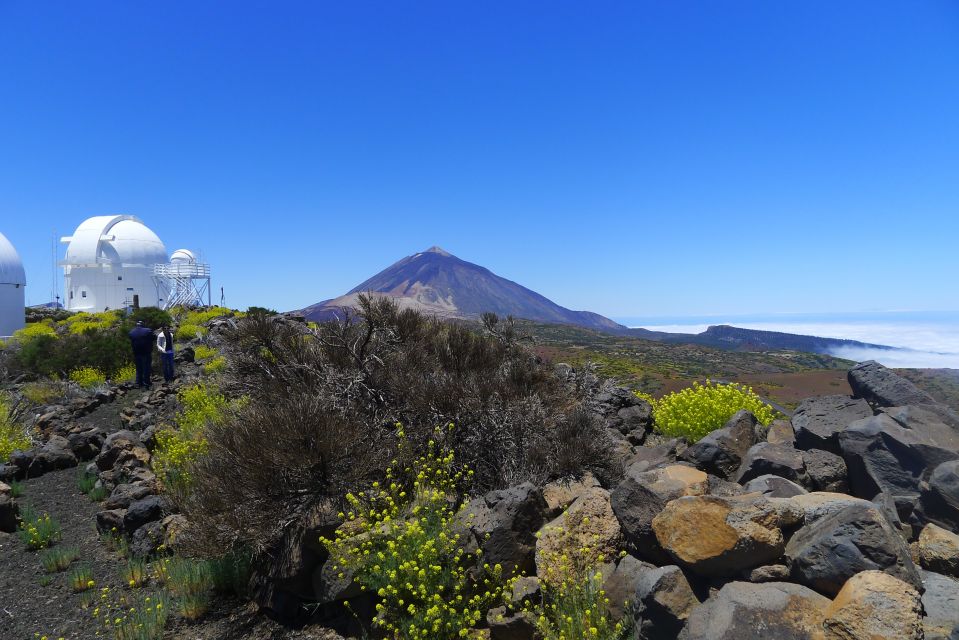
- Afternoon solar observing at the world’s largest solar observatory gives you a different kind of astronomy day
- Night stargazing includes both naked-eye sky viewing and powerful telescopes for fainter targets
- Small groups keep the focus on your questions instead of watching from the back
- Weather-based backup plan can switch you to two nocturnal telescopes and/or a virtual sky session
- Clothing rules are strict—incorrect footwear or shorts can mean you won’t be allowed on the excursion
- Pickup covers north Tenerife hotels, so you spend less time figuring out logistics on your own
Mount Teide Observatory: why this Tenerife astronomy stop works
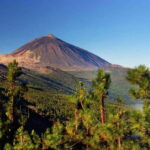
Mount Teide is famous for clear skies, and this tour is built to use them. You’re not just “looking at stars.” You’re in the right place, with a guide, and with observing equipment that helps you see details your eyes can’t pull out alone.
You also get a rare mix of astronomy types. Most Tenerife tours focus on one angle—either daytime views or nighttime constellations. Here, you get the observatory experience in two phases: solar observing in the afternoon and then night stargazing after dark. That structure matters because the sky is different at each stage, and you’ll get a better sense of how astronomers work across wavelengths and objects.
The small-group setup helps too. On a busy island, astronomy can get crowded fast. Here, the tour is designed for a tighter group so you can ask practical questions about telescopes, constellations, and what you’re actually seeing.
You can also read our reviews of more tours and experiences in Tenerife.

The afternoon at the world’s largest solar observatory
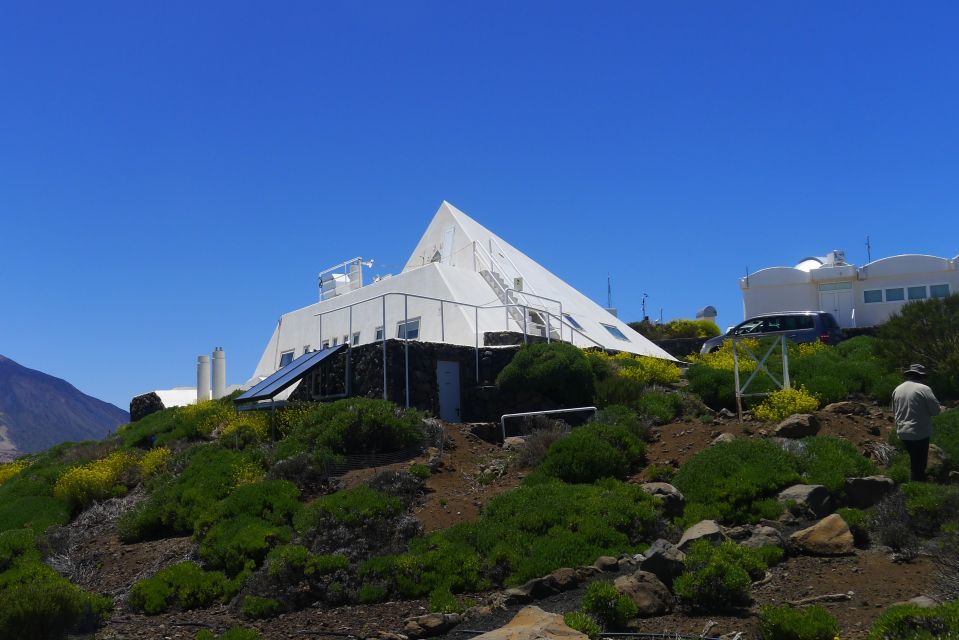
This is the part many people don’t expect: you spend the afternoon at the world’s largest solar observatory. That means the “wow” isn’t limited to night-time twinkling. You’re watching the Sun through specialized equipment, and it’s a hands-on science moment.
In the experiences people shared, the solar session can include watching active features in real time, with guides pointing out what’s going on and how observers interpret what they see. You may also get a talk and visuals in the visitors area, and there can be opportunities to look inside a telescope setup during the program.
One practical note: don’t assume the telescope equipment you see will look identical to every photo you’ve seen online. Equipment setups can vary by session. The bigger takeaway is that you’re there for guided solar observing with professional staff, not a quick snapshot stop.
Also, temperatures can shift quickly at altitude. Even if it’s warm in town, it can feel cold once you’re near the observatory area—so treat this as a “bring layers” day, not a light jacket day.
Sunset viewpoints: the calm break before the stars
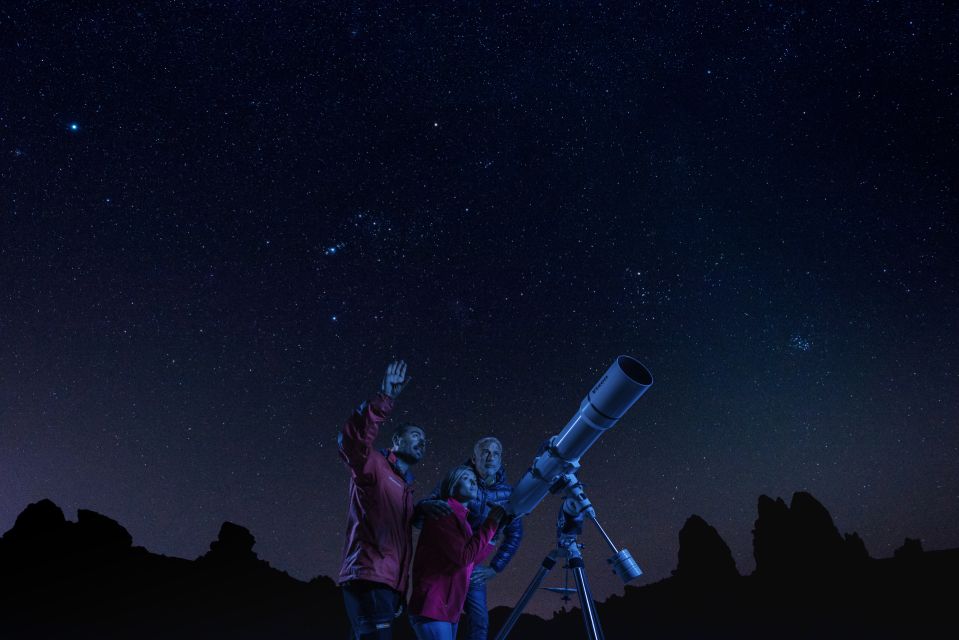
After the solar portion, you’ll watch an unforgettable sunset from a volcanic viewpoint. This isn’t just a scenic pause. It’s a smart rhythm change: you go from daylight science to the moment the sky starts to darken, and you transition from daytime observation mode to night-sky observing.
Expect the air to feel colder as the day turns. People have pointed out big swings—warm weather at pick-up locations, then around 7 degrees and strong wind near cable car areas. If you show up underdressed, the sunset will look great, but you’ll be fighting your own comfort during the stargazing portion.
The sunset break also helps your eyes adjust. Night observing goes better when you give your body time to settle. Use the viewpoint time to get your layers organized, check your pockets (warm gloves if you have them), and prepare your camera settings so you’re not fumbling during the main telescope moments.
Night stargazing: naked-eye constellations plus telescope time
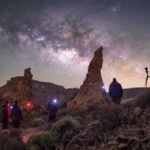
Once it’s dark, the tour shifts fully into classic astronomy. You’ll start with stargazing by eye, guided so you can identify key constellations and prominent objects without needing tech. This is underrated. Learning the sky in plain sight makes the telescope views feel more meaningful.
Then you’ll use telescopes—high quality equipment designed for what you’re trying to see. People highlight that telescope sessions can be excellent for spotting features and that the guide’s explanations make the view feel less random. One person even mentioned seeing a comet and shooting stars during their night session, which is the kind of extra that happens when conditions line up.
How many telescopes you use can change with the sky. If visibility through solar-related telescopes isn’t good enough, the plan may swap to two nocturnal telescopes instead of one. And if the weather makes it impossible to see properly, the guide will still run the sky program using audio-visual equipment for a virtual tour of constellations and notable objects you might have seen.
That backup matters. It means the tour isn’t a guaranteed disaster on cloudy nights. You may lose actual observing time, but you’re not left with nothing to learn.
The tour day flow: transport, time on the mountain, and small-group pacing
This is an 8-hour tour, and the timing is built around sunset. Pickup time varies by season and the sunset schedule, so you’ll likely feel the day is structured around daylight and darkness windows rather than a strict “clock” itinerary.
Transportation is part of the value. It’s small-group transport, and people mention mini bus rides with great scenery along the way, including routes with views like the Las Gigantes cliffs. That matters because it turns “getting there” into part of the trip, not just a transfer.
One consideration: if you’re picked up from several different points, it can add time. That’s not unique to this tour—many Tenerife excursions use multiple hotel stops—but it can affect how long you feel you’re sitting in the van.
At the end, you’ll return to your pickup area. Because the tour is designed for stargazing, you’ll likely spend longer outdoors than you expect. Plan your day around an early “start” rather than trying to stack other activities before or after.
What to bring (and what can get you turned away)
This tour has strict rules for clothing, and it’s worth treating those rules seriously. Customers without the required clothing will not be allowed to join the excursion, which is fair: cold wind plus incorrect footwear is a safety issue at altitude.
Bring:
- Warm clothing (think layers you can add and remove)
- Long pants
- A long-sleeved shirt
- Closed-toe shoes (proper footwear, not fashion sneakers)
- Comfortable clothes you can stand in
- Passport or ID card for children
Don’t bring:
- Sandals or flip flops
- Shorts or short skirts
- Sleeveless shirts
- Pets
Also, plan for dry-but-cold conditions. You’re often going to be standing still for stargazing, and standing still in wind is when the cold really hits. If you hate cold hands, grab gloves. If you tend to get chilled easily, bring an extra layer you’ll actually wear.
Food and drinks are not included. People have warned that a cafe exists but can be busy and not well stocked when you need it most. So if you have specific dietary needs or just want to stay comfortable, pack a snack or meal for the mountain portion.
Price and value: is $121 per person fair?
$121 per person for an 8-hour observatory night tour is not a bargain, but it also isn’t wild for what you’re getting. You’re paying for a guide, transport for a small group, a guided visit to Teide Observatory, and telescope-based astronomy observing.
The value piece is the combination:
- Afternoon solar observing at a major solar research site
- Sunset viewpoints
- Guided night-sky learning
- Telescope time, not just a quick “look through” moment
You’re also paying for the weather contingency. If the sky doesn’t cooperate, you’re still likely to get a structured virtual sky explanation through audio-visual tools rather than losing the whole experience.
If you’re the type who enjoys museums, science talks, and learning what you’re looking at, the price makes sense. If you’re only after pretty night photos and you don’t care about constellations or telescope use, you might compare this with simpler night-viewing options—because this one is more “astronomy class with views” than “just scenery.”
Who should book, and who should skip
This tour is best for adults and older kids who are genuinely curious about the sky and like hands-on guiding. The tour is not recommended for children under 8, and it’s also not suitable for people with mobility impairments.
If you’re a total beginner, you’re fine. The guides explain how to navigate using the stars and how telescopes work. People mention learning how to identify constellations and even concepts like the life cycle of stars and how elements are identified in other stars and planets. The point is that you’ll leave with a clearer sense of what you saw, not just a memory of dark skies.
If you don’t want to be outdoors for a while, or you refuse to follow strict clothing rules, this is a hard fit. The tour success rate depends on sky conditions and your readiness to handle cold wind calmly.
Should you book the Tenerife Mount Teide Observatory astronomy tour?
I think you should book if:
- You want more than a view—you want guided astronomy
- You’re interested in both solar observing and night stargazing
- You’re willing to dress correctly for cold, wind, and long outdoor viewing
- You like small-group tours where your questions get answered
I’d hesitate if:
- You need guaranteed clear skies (weather can change the program)
- You’re traveling with mobility needs that won’t work with the setting and outdoor time
- You don’t want to spend most of the day following a structured observing schedule
My practical advice: pack layers, bring closed-toe footwear that you’d happily walk in for a while, and bring a snack since food isn’t included. If the sky cooperates, you’ll get telescope views that feel like a real upgrade from the naked eye. If it doesn’t, you’ll still get a guided sky experience built for learning, not just waiting in the dark.
FAQ
How long is the Mount Teide Observatory astronomy tour?
The tour runs for 8 hours. Starting times depend on availability and the season.
What’s included in the price?
Transportation for small groups, a guide, a guided visit to Teide Observatory, and astronomical observation using a long-range telescope are included.
Is food and drinks included?
No. Food and drinks are not included.
What if the weather affects star visibility?
If conditions prevent proper visibility, the guides may use audio-visual equipment for a virtual tour of the night sky and constellations. If solar telescopes can’t be used properly, the plan can shift to include two nocturnal telescopes instead of one.
What clothing do I need to join the tour?
Bring warm clothing, long pants, long sleeves, and closed-toe shoes. Shorts/short skirts, sleeveless shirts, sandals, and flip flops are not allowed.
Where can I be picked up in north Tenerife?
Pickup may be available from several north Tenerife locations, including Parque San Antonio, GF Noelia, Hotel Magec, Hotel Concordia, Tucán, Coral Teide Mar, Riu Garoé, CC La Cúpula, and Kiosko Paragüitas.