REVIEW · TENERIFE
PADI Open Water Diver Course
Book on Viator →Operated by Dive Centre Ocean Trek Tenerife · Bookable on Viator
A short course can change how you see the sea. In Tenerife, this PADI Open Water Diver setup gives you a crash course in scuba skills and then gets you into the volcanic underwater world with marine life at different sites. I love the focus on small groups and hands-on instruction, and you’ll leave with real skills, not just classroom time. One thing to consider: you’ll need a reasonable state of health and a moderate fitness level for the practical work and days outside in good weather.
What really makes this experience feel manageable is the way it handles the basics for you. With hotel pickup (by request) and full equipment included, you can spend your energy learning instead of figuring out logistics. The flip side: lunch isn’t included, and with multiple training sessions scheduled each day, you’ll want to plan for breaks and timing so you don’t get caught hungry.
In This Review
- Key Highlights You’ll Care About
- PADI Open Water Diver in Tenerife: What the 3 Days Actually Build
- Ocean Trek’s Teaching Style: Small Groups, Calm Mentoring, Clear Feedback
- Underwater Sessions in Tenerife: Marine Life Plus Core Skills
- Itinerary Reality Check: One Main Stop and Then Multiple Sites
- Price and Value: Is $792.16 Worth It?
- Logistics That Matter: Pickup Radius, Timing, and What to Pack
- Who Should Book This Course (and Who Might Want to Wait)
- Should You Book Ocean Trek’s PADI Open Water Diver Course?
- FAQ
- How long is the PADI Open Water Diver course?
- Is hotel pickup included?
- What language is the course taught in?
- What’s included in the price?
- Is lunch included?
- What is the minimum age?
- Do I need to be in good health to take the course?
- Is this a private tour?
- Can I dive independently after the certification?
- What if poor weather cancels the experience?
Key Highlights You’ll Care About
- Small-group coaching: you learn theory and practical skills in a tight group, so instructors can correct your technique.
- Full equipment included: you don’t have to rent or source scuba gear separately.
- Multiple underwater sessions: you’ll get time in the water each day and build comfort with core skills.
- Volcanic marine scenery in Tenerife: you’re not just checking boxes; you’ll see lots of fish and interesting underwater features.
- Pickup available by request: helpful if you’re staying around Costa Adeje and want an easier start.
- Real certification value: after your course, you’re entitled to dive and rent equipment around the world.
PADI Open Water Diver in Tenerife: What the 3 Days Actually Build
This course is designed as a true starting point. You’re working toward PADI Open Water Diver certification, but the real goal for you is comfort and control underwater. Expect a mix of theoretical basics and practical skill work in the water, taught in small groups so you can get feedback while things are still fresh.
In Tenerife, the setting matters. The underwater world here is shaped by the island’s volcanic character, and your sessions are planned across different underwater locations. That means you’re not repeating the same view every time—you get variety in marine life, plus a better feel for how your buoyancy and awareness should change from site to site.
If you’re thinking, Can I really learn scuba in a few days? The course is built to answer that with structured practice. Reviews also reflect how instructors guide students step-by-step rather than rushing. You should come in ready to learn, ask questions, and repeat skills until they feel natural.
You can also read our reviews of more tours and experiences in Tenerife.

Ocean Trek’s Teaching Style: Small Groups, Calm Mentoring, Clear Feedback
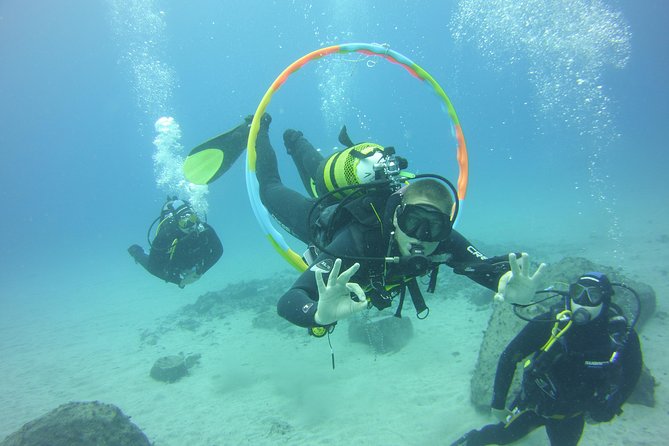
This is where the experience earns its high rating. The instructors are repeatedly described as friendly and professional, and more importantly, patient. Names that come up in feedback include Juan, Gerhard, Nelly, Pauli, Gema, Manuel, Ryan, Maria, and Sean—and you can see a pattern: people feel safe, trained, and not treated like a number.
A small-group format helps in a practical way. In the water, scuba skills aren’t just knowledge; they’re body control—breathing rhythm, buoyancy, slow movements, and pressure equalization timing. When the group is small, instructors can watch you closely and adjust what you’re doing right away.
One review highlights an instructor (Juan) taking students from novice to PADI Open Water Divers calmly. Another mentions the training flow: explain, demonstrate, imitate, and then practice. That structure matters because you’re not guessing. You learn what success looks like, then you build toward it.
If you’re the type who gets nervous about performing in front of others, the “slow and steady” approach can be a relief. If you’re confident and eager to move fast, you still benefit from the corrections—especially around buoyancy and pressure.
Underwater Sessions in Tenerife: Marine Life Plus Core Skills
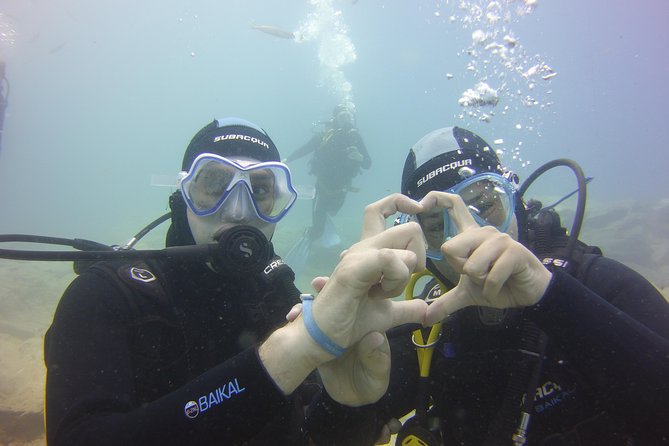
Your schedule includes multiple underwater sessions across the course. The overview calls out going scuba diving twice a day, and one participant described completing the Open Water setup with four structured water sessions over three days. Either way, you can expect a pattern: learn a skill, practice it, then apply it while exploring.
You’ll work on fundamentals that make future diving safer and easier:
- buoyancy control (staying calm and level)
- basic scuba skills and water procedures
- comfort with equipment and breathing
- pressure equalization habits during descent
One of the best practical tips from feedback is about pressure equalization. A learner noted that equalizing early, as soon as you feel pressure, helps you avoid ear pain later. They also stressed doing it slowly and consciously rather than forcing it. That’s useful advice for you because ear discomfort can turn a learning day into a miserable day fast.
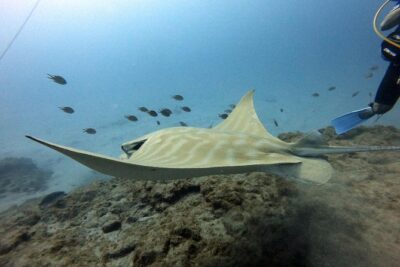
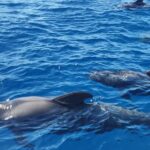
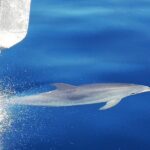
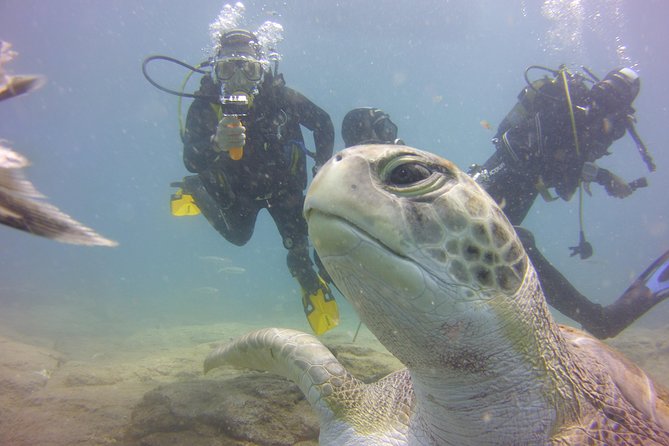
You’ll also see real marine life, including fish and creatures that several reviewers call out: sea turtles, stingrays, octopus, sepia, baracudas, and more. The exact animals you’ll spot vary with conditions, time of day, and where the team takes you, but Tenerife is clearly a strong place for first-time underwater learners to be rewarded.
Itinerary Reality Check: One Main Stop and Then Multiple Sites
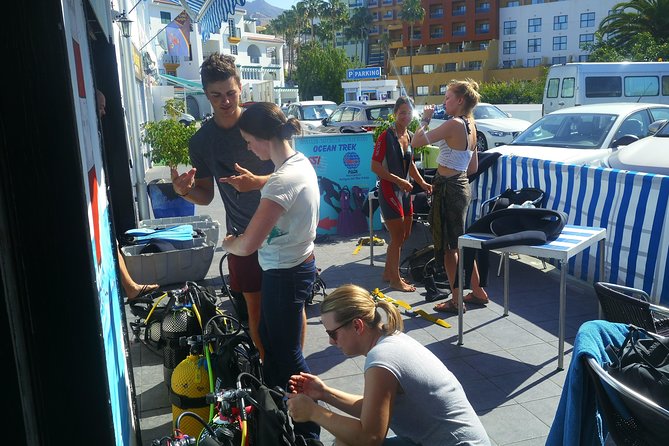
The itinerary lists a main start point at Ocean Trek in Costa Adeje (C. Valencia, 38660 Costa Adeje, Santa Cruz de Tenerife, Spain), and the activity ends back at the same meeting point. From there, what happens day to day is the training flow plus travel to underwater locations around the island.
The key thing you should plan for is that learning takes time. One reviewer warned that if you do a morning session, you might not be back at your accommodation until after early afternoon. That’s normal for scuba training: you factor in prep time, the trip between sites, equipment checks, and the full run-through of skills.
Also note the included “Stop 1” setup is essentially your dive-club base, not a list of many formal stops. In other words, don’t expect a tour that hops around like a city itinerary. This is an underwater skills course with coaching and short transport legs to get you to the right water conditions.
Price and Value: Is $792.16 Worth It?
At $792.16 per person, this course isn’t the cheapest thing you can book—but the price is more reasonable when you compare what’s covered.
Here’s what your cost includes:
- pickup and drop-off within the specified radius around the dive center
- use of full diving equipment
- course literature
- logbook
- PADI license fees
- bottled water
Not included:
- lunch
When price feels “high,” it’s usually because people compare it to a basic theory class, or they forget gear and certification fees add up fast. Here, the equipment and PADI license fees are built in, and pickup helps too. That’s value you can feel on your trip, because you show up and the system runs.
The other value angle is coaching quality. The reviews heavily emphasize small groups and a calm, correct-by-correct method. For a beginner, that can matter more than fancy marketing. You’re buying time with instructors who help you get the skills right so you’re not repeating lessons later.
If you’re also comparing scheduling, remember you’re doing this in about 3 days. Short courses are intense, but they also get you certified faster than longer multi-week formats.

Logistics That Matter: Pickup Radius, Timing, and What to Pack
This experience offers pickup by request, with included pickup and drop-off within a max distance around the dive center (the details provided include up to 20km / 12 miles for pickup and a max pickup distance noted as 10 km). So if you’re staying farther out, you should confirm your exact location during booking.
It’s also near public transportation, which helps if you’re not using a car. Still, pickup tends to be the easiest start because you don’t have to haul gear and wait in a spot that’s busy when multiple groups arrive.
What you’ll want to pack (based on practical guidance from feedback and common sense for salty shore days):
- a poncho or changing cover so you can get dry-ish fast
- a small extra towel (car covers can get salt residue)
- dry clothes in a separate bag for after water sessions
- anything you need for ear comfort (and follow instructor technique for equalization)
One reviewer also offered a small body-care note: don’t overwork calf muscles, since cramps can happen during the day. That’s not about being a fitness athlete. It’s about being smart during repeated prep and walking steps between site and water.
Lunch being excluded is the one simple planning gap. Bring snacks if you’re the type who gets hungry fast, or plan nearby lunch stops once you know your expected return time.
Who Should Book This Course (and Who Might Want to Wait)
This fits best if you:
- want a clear path to PADI Open Water Diver certification in about 3 days
- prefer small-group learning where instructors can give personal corrections
- want to see Tenerife’s underwater life while learning core skills
- appreciate a team that focuses on calm safety and practical technique
It may not be the best fit if you:
- aren’t comfortable meeting the health and fitness requirements for scuba training
- know you’re likely to struggle with pressure equalization (you can still try, but discuss concerns early)
- can’t handle days that run longer than you expect due to water sessions and transport
Also, the course notes a minimum age of 10 years, so it can be a family activity for older kids—assuming they meet health and fitness expectations.
Should You Book Ocean Trek’s PADI Open Water Diver Course?
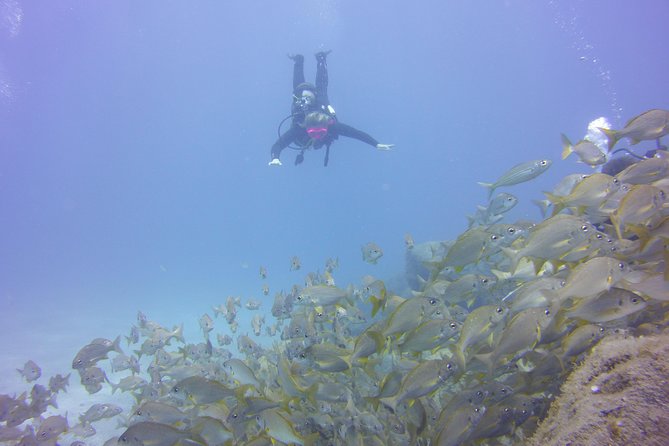
If your goal is to get certified quickly without turning the course into a stress test, I think this is a smart booking. The combination of small-group coaching, full gear included, and a team that repeatedly earns praise for calm instruction makes it feel beginner-friendly in a practical, not fluffy way.
Book it if you want Tenerife as your training backdrop and you’re excited by the idea of seeing marine life—especially if turtles, stingrays, or octopus are on your first-tank wish list. You’ll also be glad you can start diving independently after certification, since the course entitles you to dive around the world and rent equipment and fill tanks.
Skip or double-check your fit if you know you’ll struggle with the physical side of scuba training or you’re worried about ear equalization. In those cases, you’ll feel better if you talk with the team before you commit.
FAQ
How long is the PADI Open Water Diver course?
The course runs for about 3 days.
Is hotel pickup included?
Pickup is available by request, and pickup/drop-off is included within the stated distance limits (the details note up to 20km/12 miles, with pickup max distance also stated as 10km).
What language is the course taught in?
The experience is offered in English.
What’s included in the price?
It includes use of full diving equipment, course literature, a logbook, PADI-license fees, bottled water, and pickup/drop-off within the included radius.
Is lunch included?
No. Lunch is not included.
What is the minimum age?
The minimum age is 10 years.
Do I need to be in good health to take the course?
Yes. You need a reasonable state of health for scuba diving, and a moderate physical fitness level is recommended.
Is this a private tour?
Yes. It’s listed as a private tour/activity, so only your group participates.
Can I dive independently after the certification?
Yes. After the course, you’re entitled to independently dive around the world, and you can rent diving equipment and have scuba tanks filled.
What if poor weather cancels the experience?
This activity requires good weather. If it’s canceled due to poor weather, you’ll be offered a different date or a full refund.