REVIEW · TENERIFE
Tenerife: Costa Adeje Private Diving Lesson Experience
Book on GetYourGuide →Operated by Iki Dive Tenerife · Bookable on GetYourGuide
Clear water builds confidence fast. In Costa Adeje, this private scuba lesson pairs a private instructor with turquoise water so you learn the safety steps before you go underwater. You get to swap beach views for aquamarine water and start picking out sea life almost immediately.
I especially like how the coaching is patient and practical. People mention instructors such as Eric, Erion, Amara, Lilly, and Arturo taking things slowly, checking your comfort level, and staying close so you know what to do next.
One drawback to plan around is health screening. An approved medical form is required, and the session isn’t suitable for certain conditions like pregnancy, vertigo, or recent surgeries.
In This Review
- Key highlights you’ll care about
- Costa Adeje waters make a great first step into scuba
- Meeting at the Commercial Center: what to do before you suit up
- The first 30 minutes: equipment use, breathing, and safety rules
- Your water skills: buoyancy control without panic
- The underwater experience: one guided session with wildlife chances
- Photos and video: capture the moment without forgetting safety
- Getting back to shore: ascent and a smooth finish
- Price and value: what $79 buys you (and what it doesn’t)
- Who this lesson is best for (and who should skip it)
- Languages and comfort: you’ll get explanations in the way you need
- A practical packing checklist (so nothing distracts you)
- Should you book this Costa Adeje scuba lesson?
- FAQ
- How long is the Tenerife Costa Adeje private scuba lesson?
- What’s included in the price?
- Where do you meet and where does it end?
- What should I bring?
- What medical or health requirements are there?
- Which languages are available for the instructor?
Key highlights you’ll care about
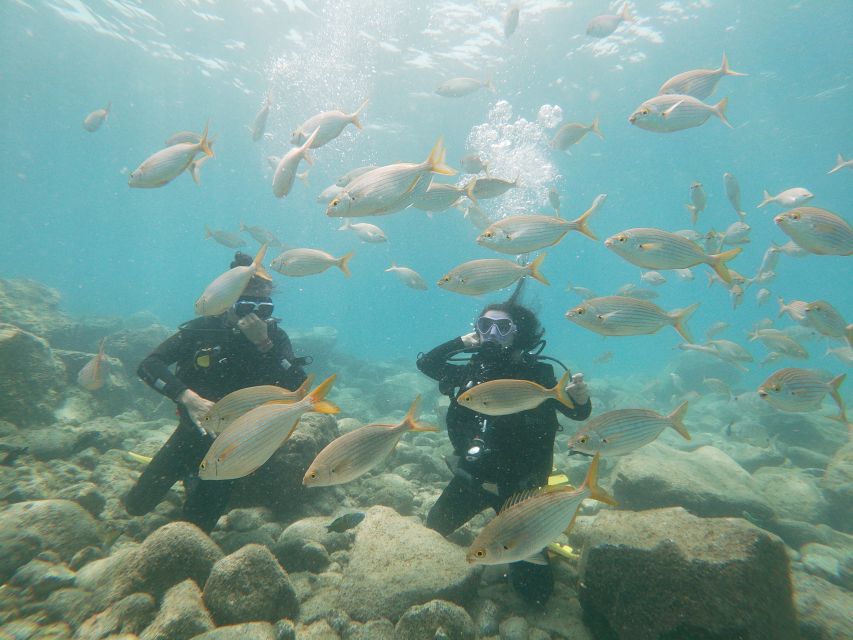
- Private, hands-on instruction with a local guide who stays focused on your comfort and safety
- Scuba gear included so you’re not stuck renting the wrong thing
- Buoyancy and breathing practice before you head underwater
- Real wildlife potential like dolphins, tuna schools, marlin, and barracuda
- Photo and video time at/under the waterline so you can actually document it
- Small group feel (up to 8 people), even with a private instructor
Costa Adeje waters make a great first step into scuba
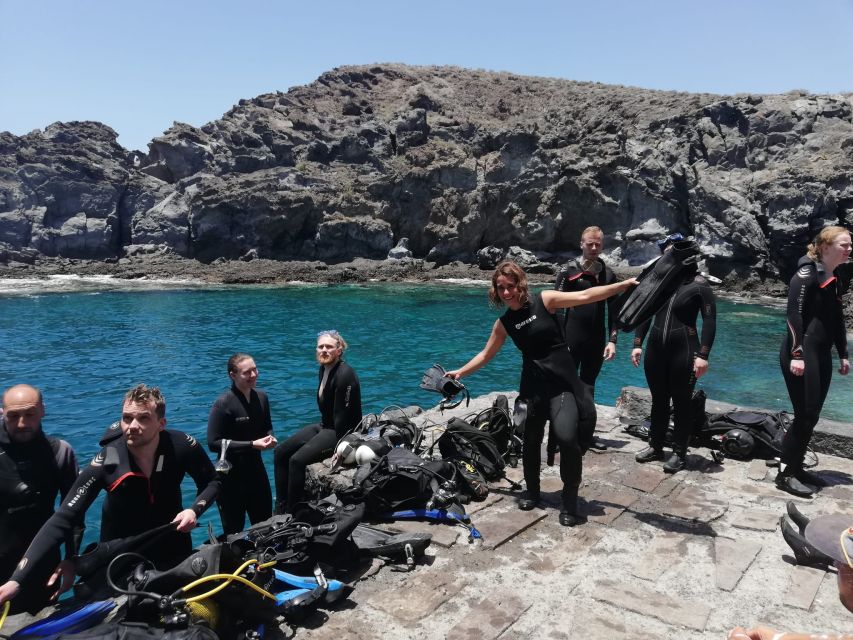
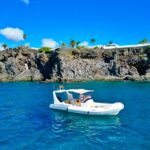
Costa Adeje sits on Tenerife’s southwest coast, and the water here is known for being clear and turquoise. That matters when you’re learning, because you can see what’s going on and you don’t have to fight a murky view while you’re learning buoyancy and breathing.
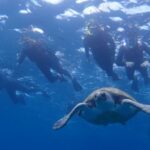
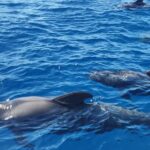
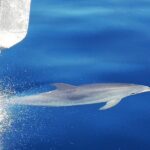
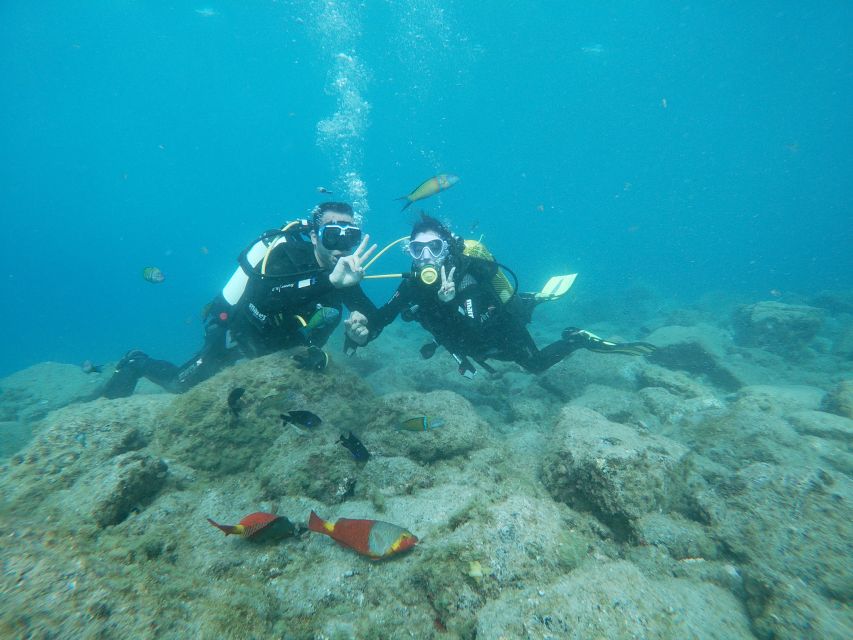
Another reason I like this area for a first lesson is the mix of scenery and wildlife you might encounter. Expect the chance to spot silver dolphins, schools of tuna, and marlin, plus watch for barracuda and other local marine life as you go underwater.
You’re not looking at a theme-park version of the ocean. You’re getting a guided session in real coastal water with cliffs, valleys, and underwater rock formations you can often make out from above and around.
You can also read our reviews of more private tours in Tenerife
Meeting at the Commercial Center: what to do before you suit up
The lesson starts with a meeting at the scuba center, located on the back side of the Commercial Center building. The session returns you to the same meeting point at the end, so you’re not dealing with complicated end-of-tour transfers.
Bring what you’ll need for an easy beach-to-water flow:
- beachwear and a change of clothes
- a towel
- biodegradable sunscreen
- a reusable water bottle
- your passport or ID (a copy is accepted)
This part sounds basic, but it really affects your comfort. If you arrive dry, warm, and organized, the whole session feels calmer. If you show up unprepared, you’ll spend your energy hunting for basics instead of listening and learning.
The first 30 minutes: equipment use, breathing, and safety rules
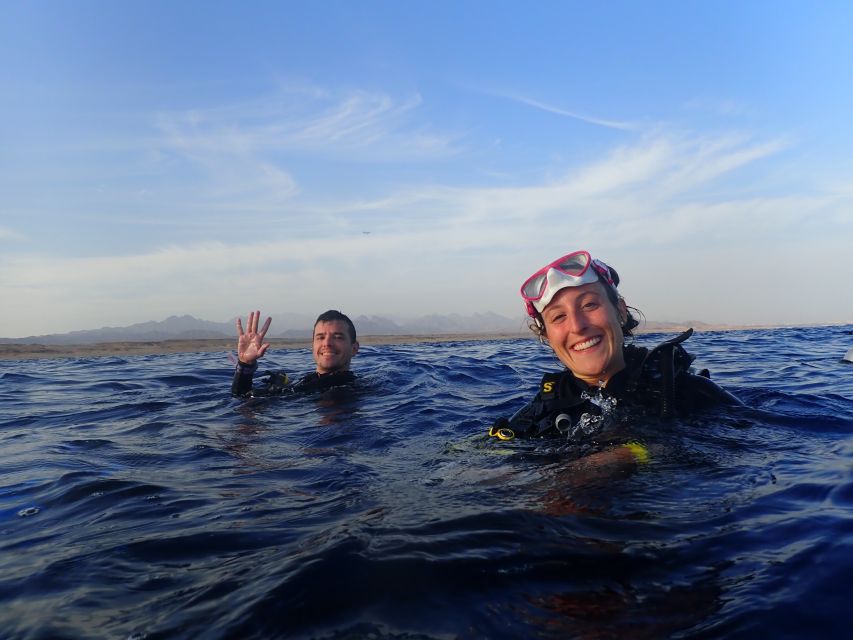
Before you go underwater, you’ll handle your scuba equipment and do breathing practice. You’ll also go through key safety techniques so you understand how the gear works and what to do if something feels off.
This is the part where instructors earn their keep. In the experience, the guides are praised for explaining each step clearly before you head toward the water. People also highlight a slow, reassuring pace—exactly what you want when you’re new and your brain is still learning how to breathe differently through a regulator.
If you get anxious easily, this is where you should speak up early. Ask questions before you gear up. The whole point is to help you understand, not just follow commands.
Your water skills: buoyancy control without panic
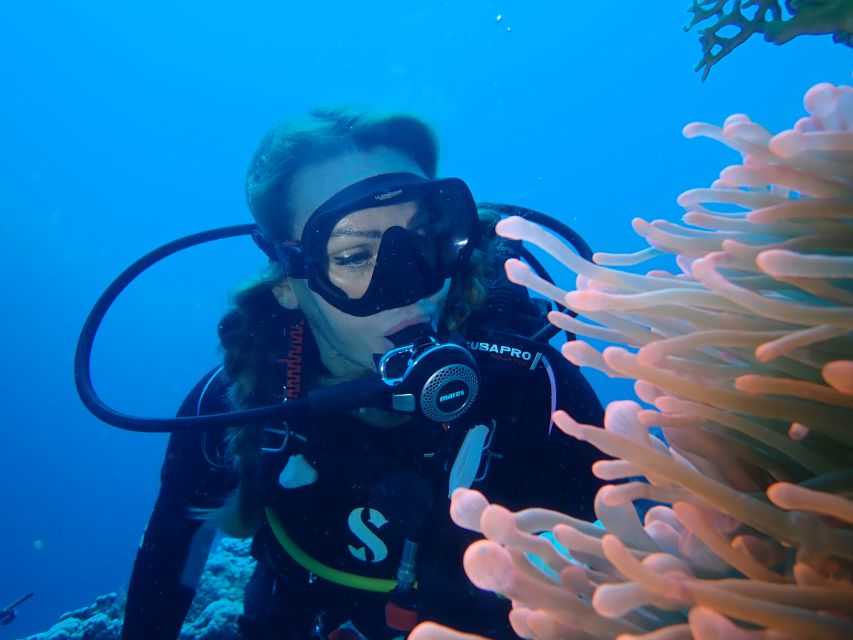
Once you’re in the water, the lesson becomes practical. You’ll follow your instructor while they demonstrate swimming techniques for managing buoyancy. That’s how you move smoothly instead of sinking like a stone or floating like a cork.
From the feedback, a common theme is that instructors stay close and guide you through the hard parts one at a time. Some people specifically mention feeling reassured and comfortable once the instructor slowed things down until they felt ready. That’s valuable for first-timers, because confidence comes from repetition, not from rushing.
Expect the session to feel structured: you’ll learn what to do, try it, and then adjust based on cues from your guide. Your goal is not speed. Your goal is control.
The underwater experience: one guided session with wildlife chances
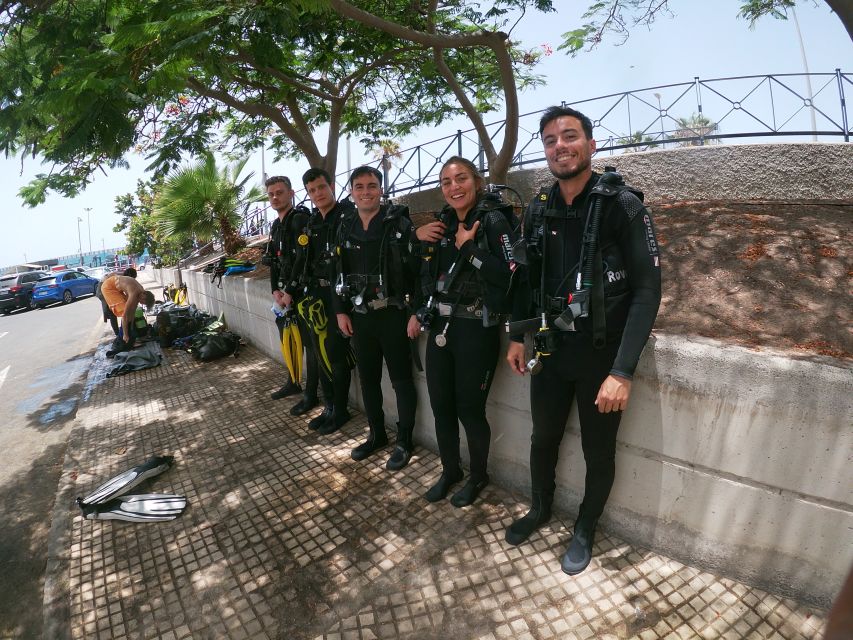
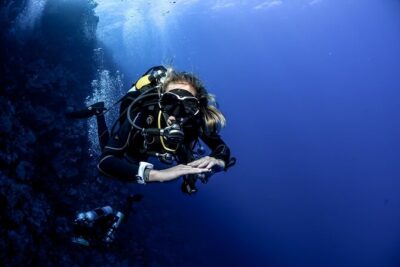
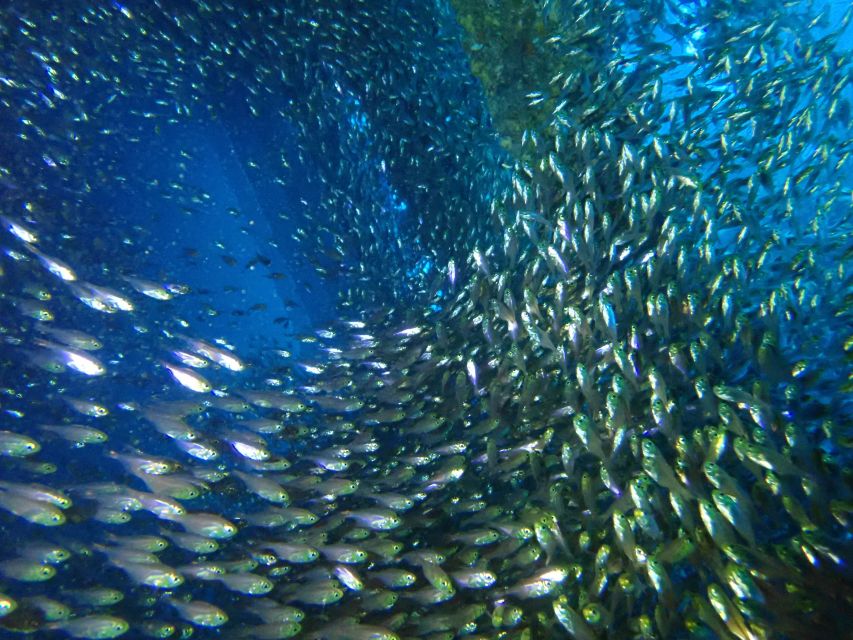
Your underwater time is where Costa Adeje’s setting shows off. You’ll head further down while watching for local marine wildlife such as dolphins, tuna, marlin, and barracuda. In some cases, the lesson description also mentions whales as a possibility, depending on conditions and what’s moving through the area.
You’ll also be looking at underwater rock scenery—cliffs, valleys, and mountain-like shapes under the surface. Clear water helps here too. When visibility is good, you can actually enjoy the view instead of focusing only on breathing and hand signals.
Here’s the practical mindset I recommend: treat wildlife as a bonus, not the whole mission. If you catch silver dolphins or a passing school of tuna, great. If you don’t, you still leave with a safe, real lesson on underwater movement and buoyancy.
You can also read our reviews of more scuba diving tours in Tenerife
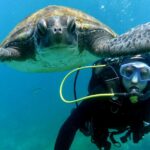

Photos and video: capture the moment without forgetting safety
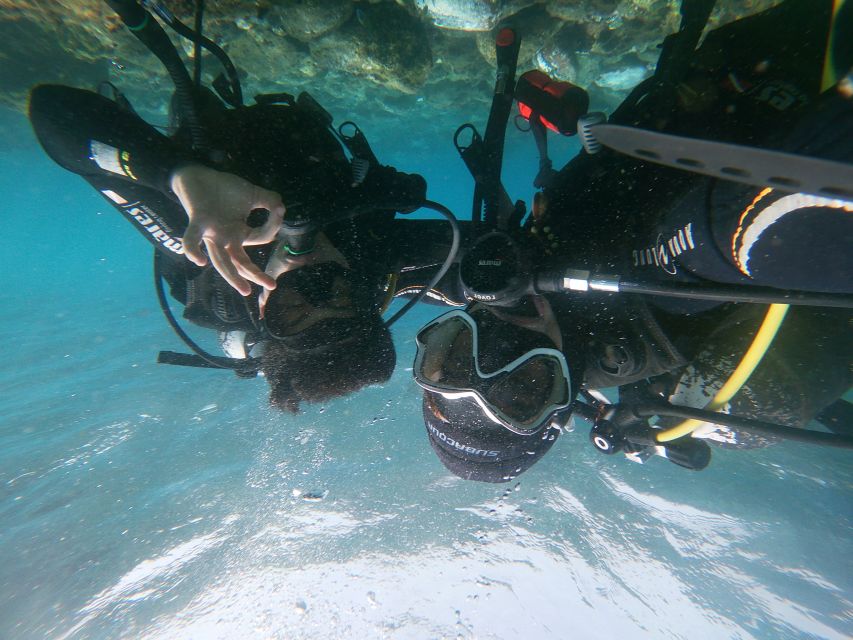
You can take photographs or videos of your underwater experience before you return to the surface. That’s a smart inclusion because the ocean moves fast, and your first time learning underwater skills is worth documenting.
Just keep it grounded: stay aware of your position and your breathing. If you get too focused on filming, you can start losing buoyancy. Work with your instructor on the best moment to capture shots, and keep your attention on the basics.
Getting back to shore: ascent and a smooth finish
When it’s time to end the session, you’ll return to the surface and then head back to the beach to wrap up. The lesson is designed as a single underwater outing, not a long multi-stop day, which makes it easier to fit into a vacation schedule.
Also, plan for the post-water part. You’ll likely want time to dry off, change into fresh clothes, and warm up. It’s usually the most overlooked stage of learning underwater, but it’s what makes the experience feel like a vacation instead of work.
Price and value: what $79 buys you (and what it doesn’t)
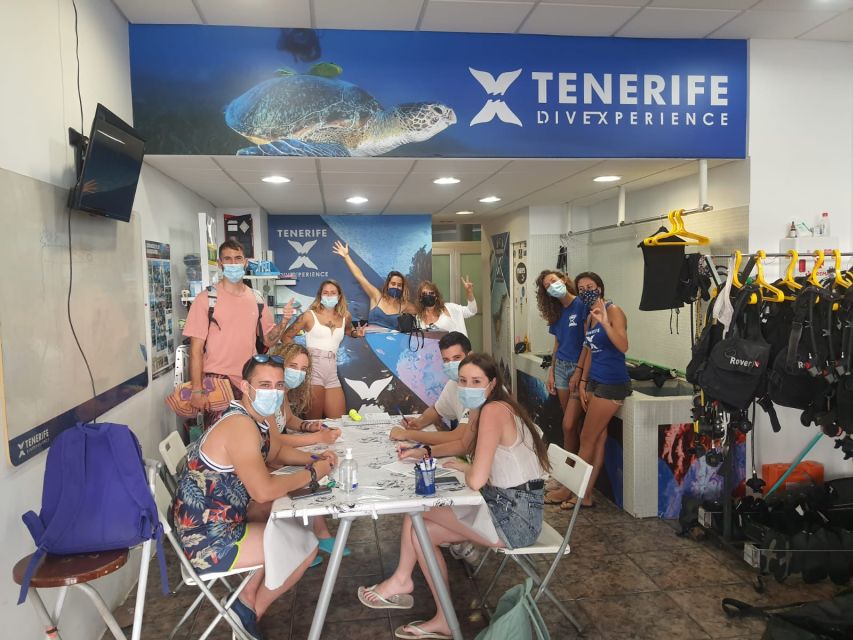
This experience costs $79 per person and lasts about 2.5 hours (starting times vary). For that price, you get:
- a private instructor
- scuba equipment
- one underwater session
What you don’t get is food and drinks. So you’ll want to plan a light snack or meal before you go, and then eat after. Don’t rely on finding a perfect meal right before meeting time.
Is it good value? In my view, yes—because private instruction plus equipment included usually costs more when booked through many other channels. The real value is the focused teaching. A small group (limited to 8) means you still get personalized attention without the stress of a packed class.
If you’re traveling with someone who’s also curious, this lesson can be a great way to share the day’s excitement. Just note it’s not described as a parent-and-kid setup, since there are strict age and health limits.
Who this lesson is best for (and who should skip it)
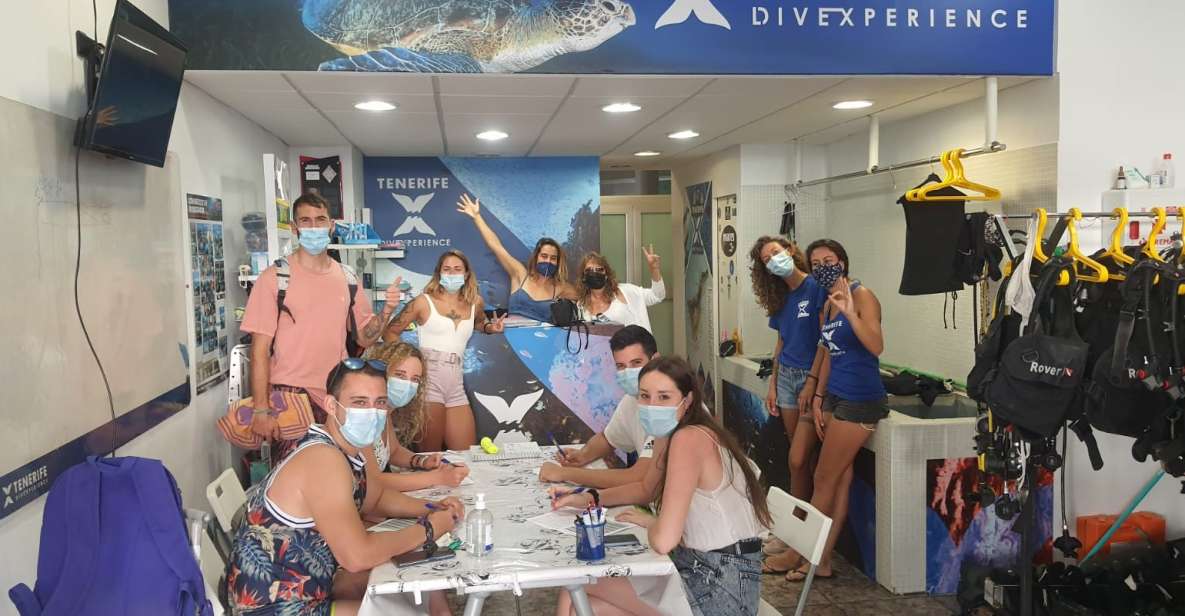
This is ideal for adults and confident beginners who want structured guidance. You’ll like it if you:
- want a clear safety briefing and step-by-step coaching
- prefer a small group setting
- care about marine wildlife sightings, even if they’re not guaranteed
- want the equipment handled for you
It’s not suitable for:
- children under 8
- pregnant women
- people with vertigo
- people with recent surgeries
There’s also a required approved medical form. And if you’ve experienced high altitude within 24 hours—such as flying or mountain climbing—you may not participate 24 hours before or after that. If any of this applies to you, it’s worth checking early so you don’t end up losing a paid slot.
One more note: alcohol and drugs aren’t allowed, and nudity isn’t allowed. That’s standard, but it’s good to know upfront so you can plan accordingly.
Languages and comfort: you’ll get explanations in the way you need
Instruction is offered in English, Spanish, French, and Italian. That matters more than people think. When you understand safety cues in your native language, your brain stays calm, and calm is half the battle underwater.
Based on the coaching style described, instructors explain what you’re going to do before you set off and answer questions. Names that show up in feedback include Eric and Erion for first-timer comfort, plus Lilly and Arturo for reassuring pacing. Amara is also mentioned in connection with safety and being in good hands.
If you’re nervous, tell your instructor right away. The best lessons build confidence through clarity and timing, not through pretending you’re fearless.
A practical packing checklist (so nothing distracts you)
Here’s how I’d pack for a lesson like this:
- change of clothes and a towel
- biodegradable sunscreen (you’ll be on/near the water and sun matters)
- beachwear and flip-flops or water shoes (whatever you prefer)
- reusable water bottle
- passport or ID, and if you’re traveling light, bring a copy
You’ll likely be glad you brought these, especially if you plan to keep the rest of the day going after the lesson. There’s a real rhythm to ocean activities, and being comfortable on land makes the whole thing smoother.
Should you book this Costa Adeje scuba lesson?
Book it if you want a guided first-time scuba session with real coaching, clear safety steps, and a strong chance to see marine life in clear water. The private-instructor approach is the headline value, and the small-group limit helps the session feel personal rather than rushed.
Skip it or verify eligibility first if you fall into any of the listed medical or health categories, or if you know you’ll be dealing with recent altitude exposure. Also, if food is a must-have during activities, you’ll need to plan your own meal timing since food and drinks aren’t included.
If you’re looking for a practical, confidence-building start to scuba in Tenerife, this one is a solid pick—especially for people who want patient instruction and a calm, safety-first pace.
FAQ
How long is the Tenerife Costa Adeje private scuba lesson?
The activity runs about 2.5 hours. Check availability for the starting times.
What’s included in the price?
The price includes a private instructor, scuba equipment, and 1 underwater session. Food and drinks are not included.
Where do you meet and where does it end?
You meet at the scuba center on the back side of the Commercial Center building. The activity ends back at the same meeting point.
What should I bring?
Bring change of clothes, a towel, biodegradable sunscreen, beachwear, a reusable water bottle, and your passport or ID card (a copy is accepted).
What medical or health requirements are there?
An approved medical form is required. The activity is not suitable for children under 8, pregnant women, people with vertigo, or people with recent surgeries. You also may not participate 24 hours before or after experiencing high altitude (for example, flying or mountain climbing).
Which languages are available for the instructor?
The instructor speaks English, Spanish, French, and Italian.