REVIEW · TENERIFE
South of Tenerife : DSD Scuba Diving for beginners, Adeje
Book on Viator →Operated by One Two Dive · Bookable on Viator
That moment your regulator clicks in place. The beginner scuba course in Adeje is set up to get you breathing underwater step by step, not thrown into the deep end. I like the clear two-part structure (beach theory, then water practice), and I also like the small-group feel with English support for a calmer, more personal pace.
For me, the standout is how the instructors coach the basics: breathing control, buoyancy basics with the buoyancy compensator, and practical drills before you head down to explore marine life up to 12 meters. The main thing to consider is that your comfort and balance will take focus, especially if you’re truly new—one swimmer found it challenging at first but improved with patience and guided exercises.
In This Review
- Key Points at a Glance
- Beginner Scuba in Adeje: What You’re Really Paying For
- Your Morning Schedule in Plain English (8:45 Start, About 3 Hours)
- Part One on the Beach: Theory That Actually Helps
- Part Two in Shallow Water: Breathing + Buoyancy Basics
- The Marine Life Phase Up to 12m: Where the Course Becomes an Experience
- Group Size, Pickup, and Small Details That Make or Break It
- What’s Included (and What’s Not)
- Best Fit: Who Should Book This Beginner Course?
- Tips to Get More Out of Your 3-Hour Session
- Should You Book This Beginner Scuba Course in Adeje?
- FAQ
- How long is the beginner scuba course?
- Where does the activity start?
- Does the tour include pickup?
- Is the course taught in English?
- What’s included in the price?
- Are pictures included?
- What’s the maximum group size?
- What happens if the weather is poor?
Key Points at a Glance
- Small group size (max 6 travelers) keeps attention on you.
- Beach theory first so equipment and steps make sense before you get wet.
- Shallow-water skills focus on regulator breathing and buoyancy control.
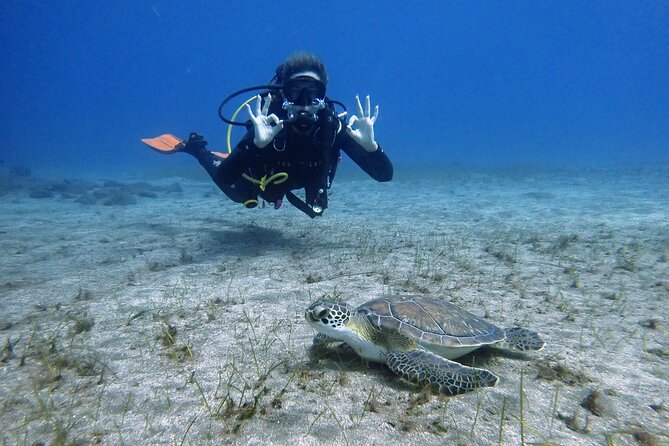
- Marine-life time up to 12m once you’re more confident.
- English instruction and a friendly coaching approach help first-timers settle in.
- No photos included, so plan for that if you want images of your day.
Beginner Scuba in Adeje: What You’re Really Paying For
This 3-hour beginner scuba course in Costa Adeje is priced at $102.13 per person, which is the kind of cost that makes sense when you look at what’s included. You’re not just getting a short experience in open water—you get equipment support, air-conditioned transport, and dive insurance, plus a structured learning flow designed for first-timers.
In practical terms, you’re paying for instruction time and safety-focused coaching, not just access to the sea. The course format is built around confidence: learn the steps on land, practice the key skills in shallow water, then transition to deeper exploration once you’ve got your breathing and buoyancy under control.
The good news: you don’t need experience. The booking info says most people can participate, and the reviews highlight a patient, supportive approach with instructors helping both adults and kids feel at ease.
You can also read our reviews of more scuba diving tours in Tenerife
Your Morning Schedule in Plain English (8:45 Start, About 3 Hours)
The day starts at 8:45 am. You’ll either meet at the base inside Hotel GF Isabel on Av. de Moscú, 2 (Costa Adeje), or you’ll get pickup—but pickup time depends on your hotel and the day’s schedule. After the experience, you’re brought back to the meeting point area.
That “about 3 hours” timeframe matters because it keeps expectations realistic. You’ll have time for theory, equipment checks, and two water phases (shallow practice and then deeper exploration), but it’s not an all-day production. If your vacation has a tight plan, this format is easier to fit into a morning.
Also, you’ll be dealing with weather. The experience requires good weather, and if conditions aren’t right, you’ll be offered a different date or a full refund.
Part One on the Beach: Theory That Actually Helps
Before you ever splash in, you’ll start with a theoretical class right at the beach. This is where they slow things down and explain what you’re about to use and why.
Expect to cover things like:
- the steps you’ll follow in the water
- the parts of the equipment you’ll wear
- the exercises you’ll practice once you’re underwater
Why this matters for beginners: when you understand what each piece does, you stop fighting the gear and start focusing on your breathing and body position. Several instructors are mentioned by name in feedback from different groups, and the consistent theme is patience—people feel guided instead of rushed.
Names you may run into include Kris, Mitch, Gabrielle, Zoey, Juan, Ellina, Aleks, and Muslim. The mix of instructors is a good sign: it suggests they staff up for different skill levels and family groups, not just one-size-fits-all coaching.
Part Two in Shallow Water: Breathing + Buoyancy Basics
Then comes the part most first-timers care about: the shallow-water session. This is where you get the thrill of breathing through the regulator for the first time—while learning to stay calm enough to actually enjoy it.
You’ll practice the key skills you learned in the theory stage, especially:
- regulator breathing control
- learning to maneuver and control your position using the buoyancy compensator
If you’re wondering what buoyancy training feels like, think of it as learning not to sink or float in an unpredictable way. It’s less about “skill” and more about getting your body to behave and your breathing to stay steady. One first-time diver found it challenging to find balance at first, but the drills and patient instruction helped them get comfortable.
This shallow stage is also a smart safety step. You earn your confidence in a controlled environment before going out to explore marine life. It’s the difference between feeling like a passenger and feeling like you’re part of what’s happening underwater.
The Marine Life Phase Up to 12m: Where the Course Becomes an Experience
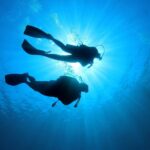
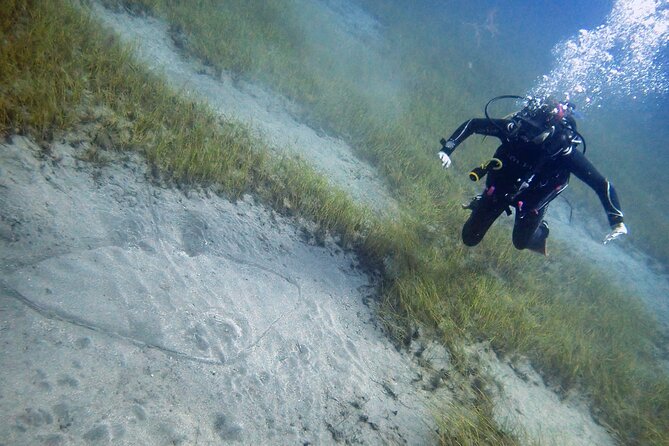
Once you’ve gained confidence, you move into the next water phase to explore marine fauna. Your maximum depth is 12 meters.
What you might see depends on the day, but the feedback includes some memorable highlights:
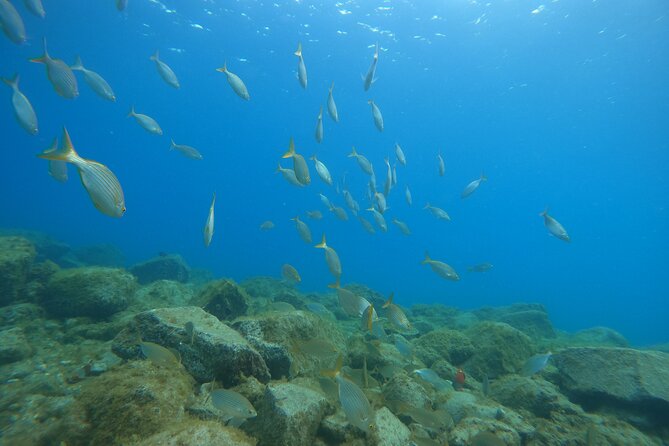
- colorful schools of fish near reefs
- sting rays buried in the sand
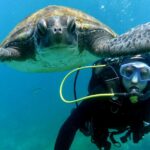
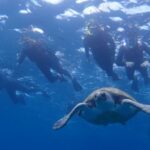
- sea turtles showing up in some sessions
You don’t want to think of this as a guaranteed wildlife safari. But it’s clear the team aims to show real underwater life, not just do laps. The course structure supports that: you’ll be doing skills first, then shifting into exploration once you can control buoyancy and breathing.
The instructors named in feedback—Juan, Ellina, and Zoey in particular—come through as supportive and reassuring. That matters because seeing animals is fun, but being relaxed enough to notice details is the real win.


Group Size, Pickup, and Small Details That Make or Break It
This experience has a maximum of 6 travelers, and that’s a big deal. Smaller groups tend to mean:
- more time with your instructor if you need extra guidance
- less waiting around during equipment prep
- a more relaxed pace when you’re learning something totally new
Transport is also practical: you get an air-conditioned vehicle, which is a nice relief in the morning sun around Adeje. The pickup system is hotel-dependent, so if you’re staying outside the most convenient zones, you may need to coordinate timing after booking.
One more thing: you get a mobile ticket, and confirmation happens at booking. That reduces last-minute stress when you’re trying to keep your day simple.
What’s Included (and What’s Not)
Included:
- Use of scuba equipment
- Air-conditioned vehicle
- Diving insurance
Not included:
- pictures
That last point is worth planning around. If photos matter to you, you’ll likely need to arrange that separately, since they’re not part of the package. (If you’re the type who loves proof you did it, bring a plan ahead of time—your phone won’t always cut it in saltwater conditions, and policies vary.)
Best Fit: Who Should Book This Beginner Course?
I think this course is especially well-suited for:
- true beginners who want step-by-step coaching
- couples and solo travelers who prefer a small group
- families, since multiple instructor names show experience with kids and first-timers
- anyone nervous about the regulator or buoyancy who needs calm instruction
If you’re already very comfortable in water, you might finish the basics quickly and feel eager for more time exploring. But for first-timers, the structure is the point: learn safety fundamentals, then see wildlife without panic.
Tips to Get More Out of Your 3-Hour Session
You don’t need special gear beyond what they provide, but you can help the day run smoothly by coming ready to focus during the theory and the first shallow skills practice.
A few mindset tips:
- Listen closely during the equipment explanation; it pays off fast in shallow water.
- If balance feels weird at first, that’s normal. Ask for adjustments early—your instructor is there for that.
- Once you’re breathing steadily, you’ll enjoy the wildlife phase much more because you’ll have the mental space to look around.
And if you’re comparing instructors, the names mentioned in feedback—Kris, Mitch, Zoey, Juan, Ellina, Aleks, Muslim—all suggest a style of teaching that emphasizes patience and reassurance. That’s exactly what you want when you’re learning a new physical skill.
Should You Book This Beginner Scuba Course in Adeje?
I’d book it if you want an organized beginner format with real instruction time, not a rushed “try it once” outing. The value comes from the combination of structured teaching, small group size, included equipment and transport, and insurance—plus the chance to see real underwater life like colorful fish, sting rays, and sometimes sea turtles.
I’d think twice if:
- you’re very anxious and want total certainty you’ll feel comfortable right away (you might need patience during balance and buoyancy practice)
- photos are essential to your day
- weather is a big risk for your schedule, since the experience depends on good conditions
If your goal is a confident first underwater experience in South Tenerife, this is a sensible, beginner-friendly choice.
FAQ
How long is the beginner scuba course?
It lasts about 3 hours.
Where does the activity start?
It starts inside Hotel GF Isabel, Av. de Moscú, 2, 38660 Costa Adeje, Santa Cruz de Tenerife, Spain.
Does the tour include pickup?
Yes, pickup is offered, and the pickup time depends on your hotel location and the schedule.
Is the course taught in English?
Yes, it’s offered in English.
What’s included in the price?
You get use of scuba equipment, air-conditioned vehicle transport, and diving insurance.
Are pictures included?
No, pictures are not included.
What’s the maximum group size?
The maximum is 6 travelers.
What happens if the weather is poor?
If the experience is canceled due to poor weather, you’ll be offered a different date or a full refund.