REVIEW · TENERIFE
PADI Open Water Diving Course Tenerife
Book on GetYourGuide →Operated by TRAVEL SUB DIVE CENTER · Bookable on GetYourGuide
Breathing underwater feels strange in the best way. The PADI Open Water course in Tenerife turns that weightless sensation into real skills, with small-group coaching and a clear path to becoming an autonomous scuba diver. What I like most is the personal, hands-on instruction (you’re not shuffled around) and the end goal: a globally recognized PADI certification with training support for up to 18 meters.
One thing to think about before you book: this program is not suitable for non-swimmers and it also lists limits for pregnant people, anyone with heart problems, and people with pre-existing medical conditions. If you fall into any of those groups, plan on choosing a different activity.
In This Review
- Key points
- Breathing Underwater in Tenerife: What This Course Really Gives You
- The 5-Day Structure: How Training Moves from Theory to Real Water
- Day 1: Meet Your Instructor and Start with Scuba Theory
- Day 2: Open-Water Sessions 1 and 2
- Day 3: Open-Water Sessions 3 and 4 (More Depth and Time)
- Final Steps: Certification Processing
- Confined-Water Training on the Bay: Why This Part Matters
- Open-Water Boat Sessions and the Island’s Famous Site: Putting Skills into Context
- Certification to 18 Meters: What You Can Do After Tenerife
- Price and Value in Tenerife: Is $494 a Fair Deal?
- Pickup, Gear, and Daily Practicalities (The Stuff You’ll Thank Yourself For)
- Pickup
- Gear and training setup
- Photo memories
- Language and Instructor Support: Getting Instructions You Can Actually Use
- Who This Course Fits Best (and Who Should Skip It)
- What to Bring to Tenerife (Simple List, Big Impact)
- Should You Book This PADI Open Water Course in Tenerife?
- FAQ
- What certification will I get?
- How long is the course in Tenerife?
- Is the group small?
- What training is included?
- What languages are available for the instructor?
- What do I need to bring?
- Is pickup included?
Key points
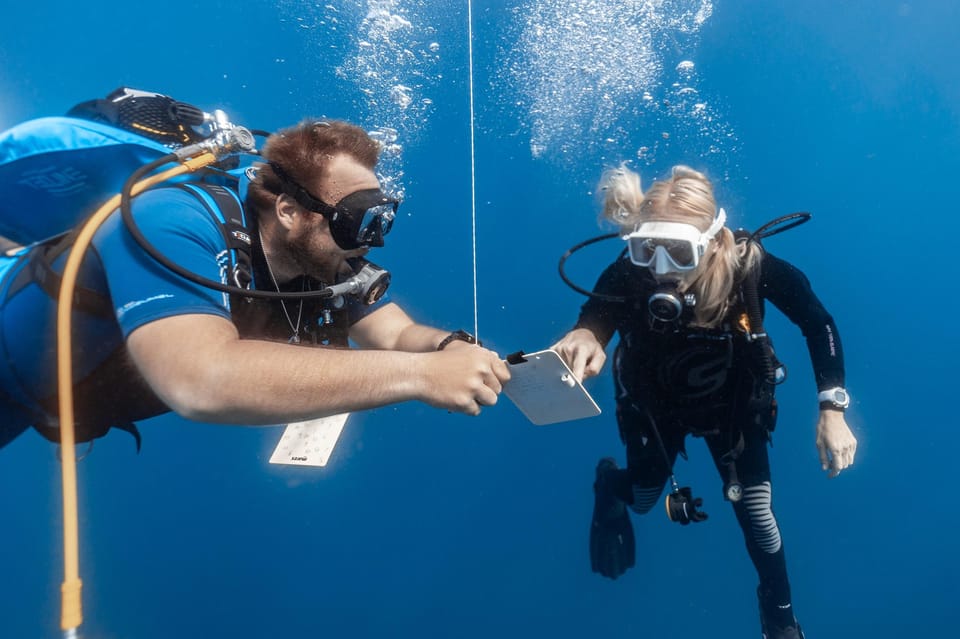
- Small group (max 4 participants) means more time getting corrected, not waiting your turn
- Your instructor stays with you through the whole course, so feedback builds day to day
- Confined-water practice on the bay gives you control before open water
- 4 open-water boat sessions plus training in Tenerife’s clear, warm waters
- PADI certification processed after completion to support diving up to 18 meters (age 15+)
Breathing Underwater in Tenerife: What This Course Really Gives You
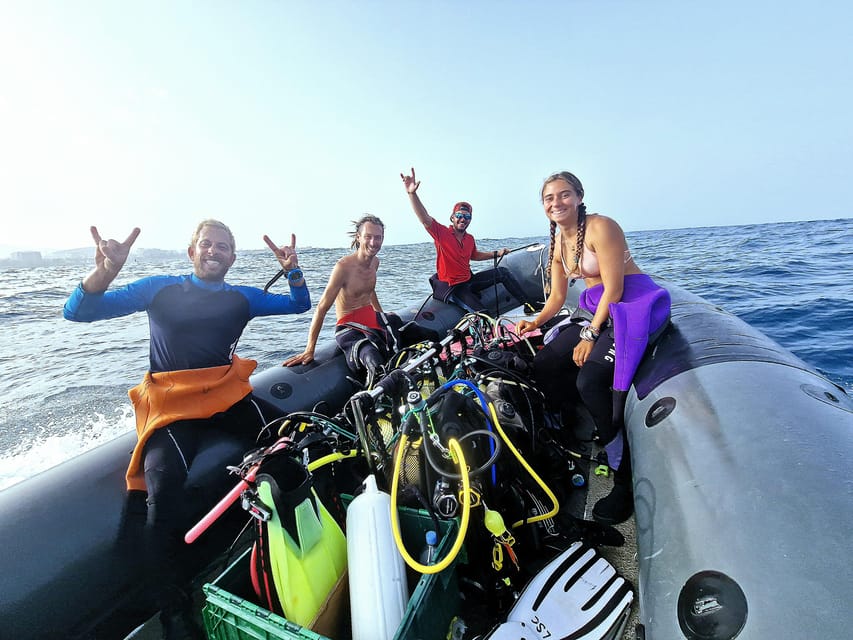
Tenerife is an easy place to learn because the training environment is set up for beginners: warm, clear water and an instructor team that focuses on confidence and safety. You’re not just trying to float around and hope for the best. The course is structured so you learn the basics, practice them in controlled settings, then apply them in real open-water conditions.
What makes this experience stand out is the way the training is designed around skill transfer. You start with theory, then you move into a safer, bay-based setup to practice core techniques. After that, you gradually stack more open-water sessions, so your brain learns what to do while things feel unfamiliar—air in your lungs, buoyancy changes, new breathing rhythm, and lots of visual input.
You’ll also get the kind of instruction that feels personal. The reviews point to instructors who stay patient and thorough. One student highlighted Julia specifically for being careful, clear, and engaging on every question. Another course-taker mentioned Davide for clarity and professionalism. Even if your instructor is someone else, the pattern is consistent: expect calm guidance, not rushed explanations.
The payoff is a certification you can use long after the holiday. Once your paperwork is processed, your PADI Open Water Diver credential is designed to be globally recognized, allowing you to dive to 18 meters for eligible ages. That matters because you’re buying more than a fun afternoon—you’re buying access to future underwater trips.
You can also read our reviews of more scuba diving tours in Tenerife
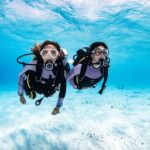
The 5-Day Structure: How Training Moves from Theory to Real Water
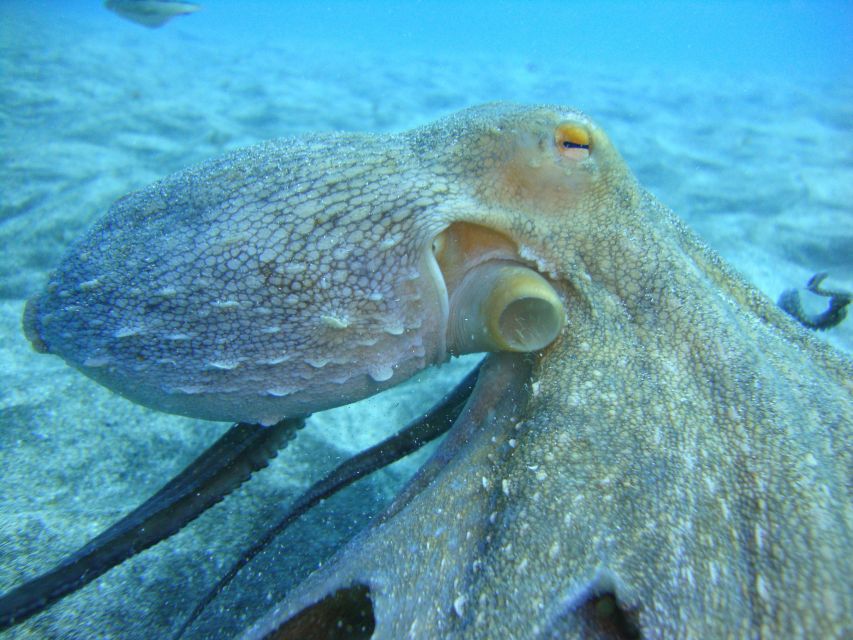
This course runs 5 days total, even though the training flow is often described as unfolding over 3 to 4 main days of instruction. That extra time usually shows up as a buffer for smooth scheduling and getting you from classroom learning into the water with the right pacing.
Here’s how the program moves:
Day 1: Meet Your Instructor and Start with Scuba Theory
Day 1 begins with a meet-and-greet at the dive center. Then you shift into scuba theory, learning essential principles you’ll use over and over: how scuba works, why safety procedures matter, and how to handle the basics of being underwater.
You’ll also be introduced to the idea that scuba isn’t magic. It’s systems, habits, and calm responses. If you get anxious easily, this is a big deal. The theory portion helps you understand what’s happening when you see bubbles, feel buoyancy changes, or hear instructor cues.
In practical terms, Day 1 is about setting your mental framework. If you leave Day 1 feeling like scuba is explainable, you’ll do much better when you start practicing.
Day 2: Open-Water Sessions 1 and 2
Day 2 is where you take those theory lessons and make them physical. You’ll do open-water training in Tenerife’s clear, warm waters under instructor supervision. These early open-water sessions are usually shorter on pressure and longer on learning, because the goal is to help you build control.
This is also when personalized feedback matters. A small group helps a lot here: you’re more likely to get corrections tailored to your specific buoyancy, breathing rhythm, and technique timing.
Day 3: Open-Water Sessions 3 and 4 (More Depth and Time)
By Day 3, you’ve done enough foundational practice that the later sessions focus more on consistency. The course notes that your dives will be deeper and longer, which gives you a chance to explore more underwater life while still working within beginner-appropriate boundaries.
It’s the day where you usually stop thinking in steps and start reacting like you’re supposed to. The instructor’s job is to keep your safety habits steady while you get more comfortable.


Final Steps: Certification Processing
After you complete both the practical and theoretical components, your PADI certification is processed. This is the part you’ll appreciate later—because once you have the credential, you can plan future underwater trips anywhere PADI training is accepted.
Confined-Water Training on the Bay: Why This Part Matters
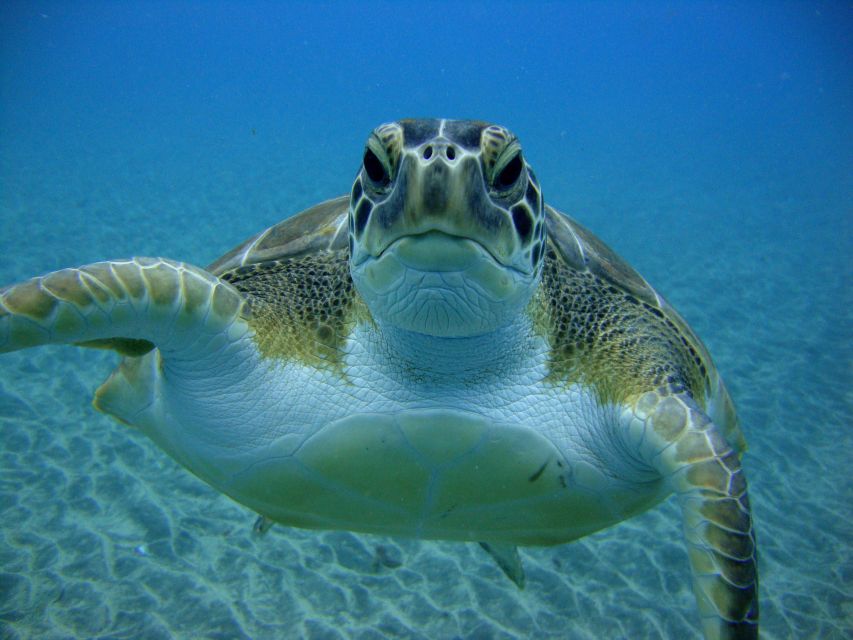
Most beginner programs fail you here: you jump straight into open water and try to learn everything at once. This course takes a smarter approach by including confined water training on the bay. That usually means calm conditions, shorter distances, and an environment designed for practicing techniques without the extra stress of open-water variables.
Even if you’re excited about the big outdoor sessions, this bay practice is where you gain the basics that protect you later. It’s where you’ll learn how to manage your breathing, how to keep yourself balanced in the water, and how to follow instructor cues without panic.
Think of it like learning to drive in a parking lot before hitting the highway. You’ll still feel nerves, but you’re rehearsing the right responses. That makes open water feel less like a surprise and more like a continuation.
And because the course caps the group size at 4 participants, your instructor can spend time with you instead of dividing attention across a crowd.
Open-Water Boat Sessions and the Island’s Famous Site: Putting Skills into Context
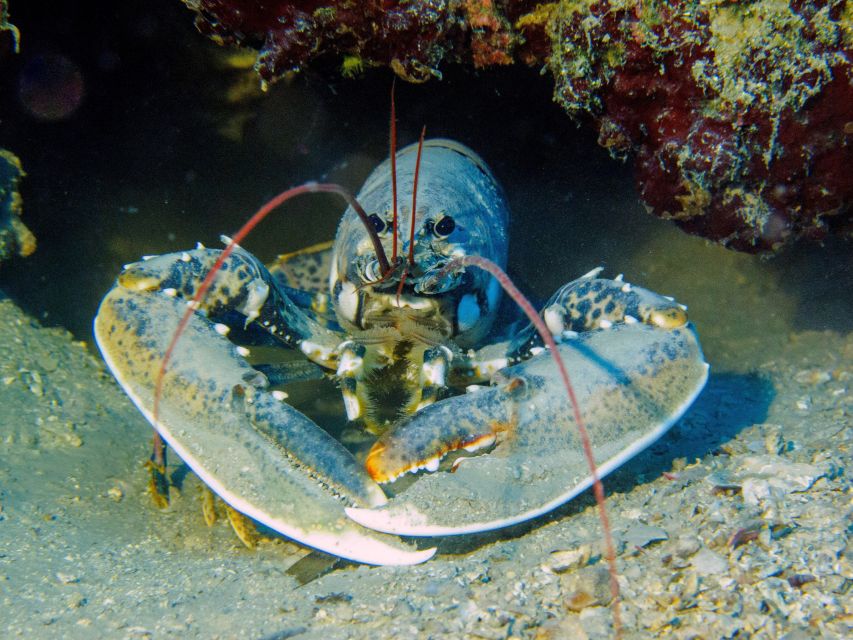
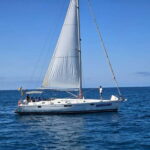
The course includes 4 open-water boat sessions and also includes visiting a well-known underwater location on the island. The training value here isn’t just the scenery. It’s the combination of real conditions and guided structure.
On a boat session day, you typically get two things:
- A fresh start from the water’s edge (and often a bit of variety in the underwater environment)
- More consistent guidance because the instructor can watch technique closely in the same session setup
You’ll be working on what you learned: controlled descents, buoyancy habits, breathing rhythm, and safety procedures—while also getting to enjoy the underwater world as an actual place to explore.
From the reviews, the atmosphere during sessions matters. One student described the whole experience as fun and pleasant, with each instructor acting like a master of their craft. That lines up with what you want during open water: not just technical competence, but a mood that keeps you calm enough to perform.
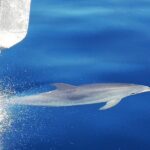
If you’re the type who worries you’ll be bored during training, you might be pleasantly surprised. Being underwater tends to snap your attention to everything at once—movement, light, texture, and life you can’t see from shore. The course is built so you experience that while still learning.
Certification to 18 Meters: What You Can Do After Tenerife
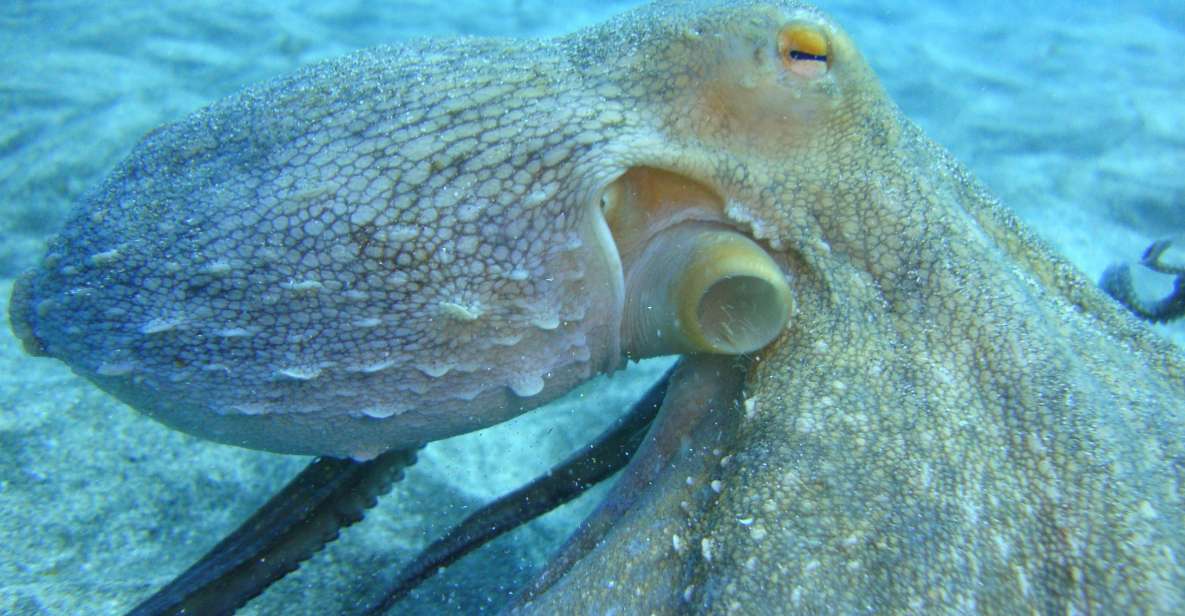
The end goal is a PADI Open Water Diver certification, designed to support diving up to 18 meters for participants aged 15+. That number matters because it sets the ceiling for your future underwater planning.
In other words, your days in Tenerife are a gateway. You’re not just getting a temporary certificate for bragging rights. You’re gaining a credential meant for repeat trips. And the course states that your certification is valid for your whole life, so you’re not buying an expiration date.
Here’s why that matters for value: a good beginner course saves you money later. If you already have the credential, you can book reputable underwater experiences without starting from scratch. It also helps you feel comfortable moving into more advanced specialty training when you’re ready.
Price and Value in Tenerife: Is $494 a Fair Deal?
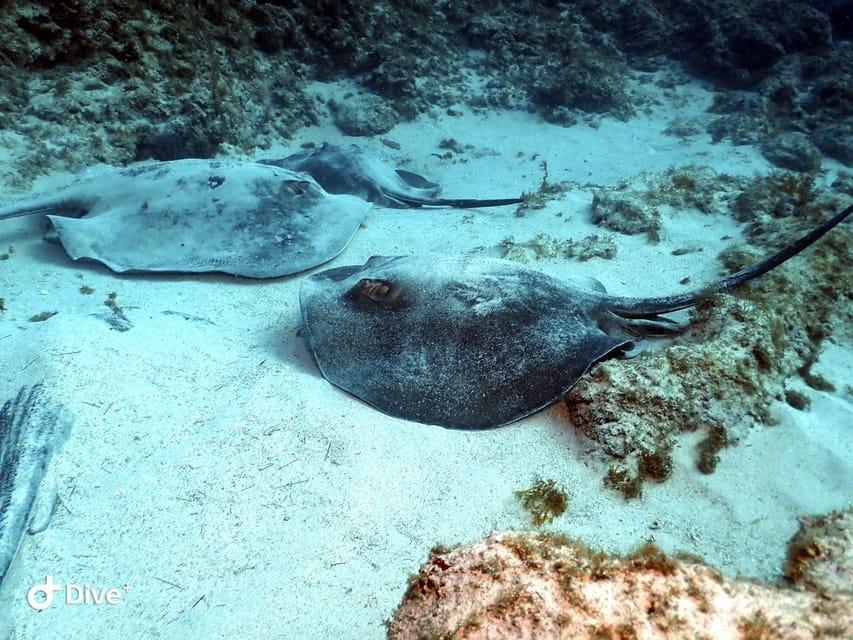
At $494 per person for a 5-day course, the first question is whether you’re paying for “time” or for “training support.” The good news is that the included items make this feel more like a full package than a stripped-down experience.
What’s included helps the value equation:
- Full scuba gear
- Full open-water training plus confined water training on the bay
- Online theory materials available in multiple languages
- Full insurance
- Certification processing
- Photo memories
- Pickup included, typically in front of hotels
When gear and insurance are bundled, you avoid surprise add-ons that can push the total price up fast. And when the group is small, you’re paying for instruction quality, not just access to water.
One more practical point: because you’re in a small group limited to 4, you get more instructor time. For many people, that’s the real reason a course costs more in the first place—and it’s a reason this one scores well.
Pickup, Gear, and Daily Practicalities (The Stuff You’ll Thank Yourself For)
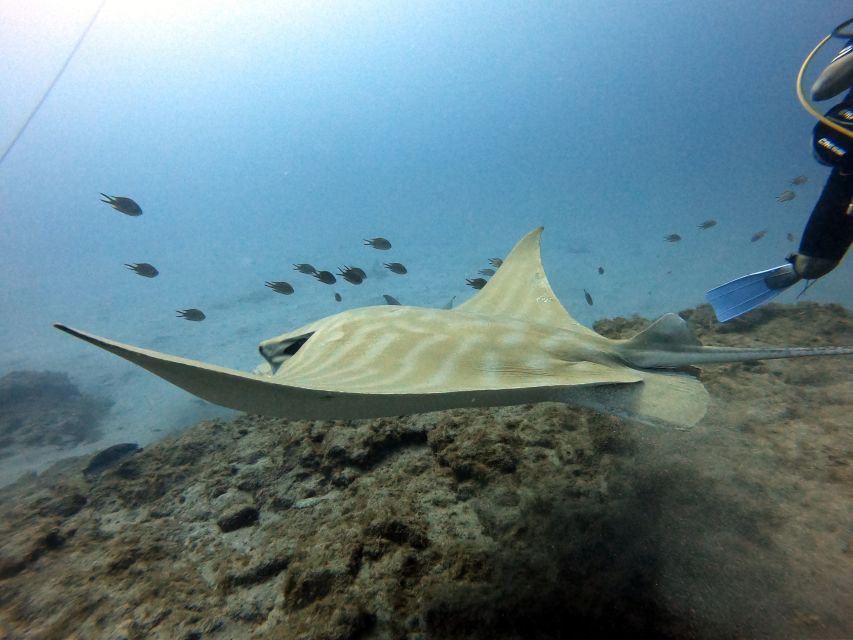
Logistics are where beginners often lose energy. This course tries to reduce friction in a few ways.
Pickup
Pickup is included and the program notes that pickups are normally in front of hotels. They also say they’ll ask for your pickup information through email and then send the appropriate time. That means you don’t need to figure out transportation from scratch right when you arrive.
Gear and training setup
You don’t need to hunt for rental gear. Full scuba gear is included, which matters because beginners usually don’t know what they’re looking at. Having trained staff handle the gear also reduces the chance of fit issues making you uncomfortable early on.
Photo memories
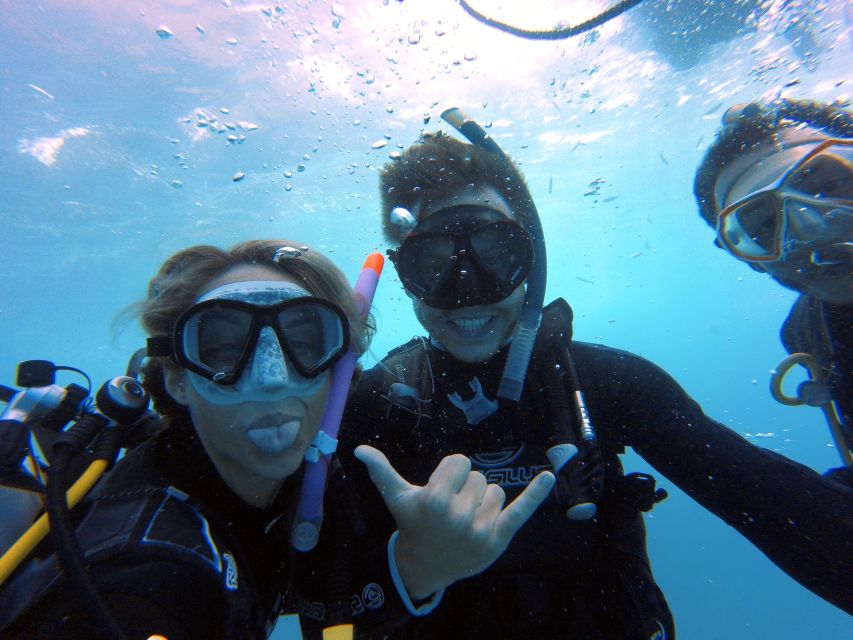
You’ll also receive photo memories. It’s not life-changing, but it’s handy. Learning to coordinate breathing and buoyancy can be mentally busy, and photos help you review what went well (and what you were trying to do under the surface).
Language and Instructor Support: Getting Instructions You Can Actually Use
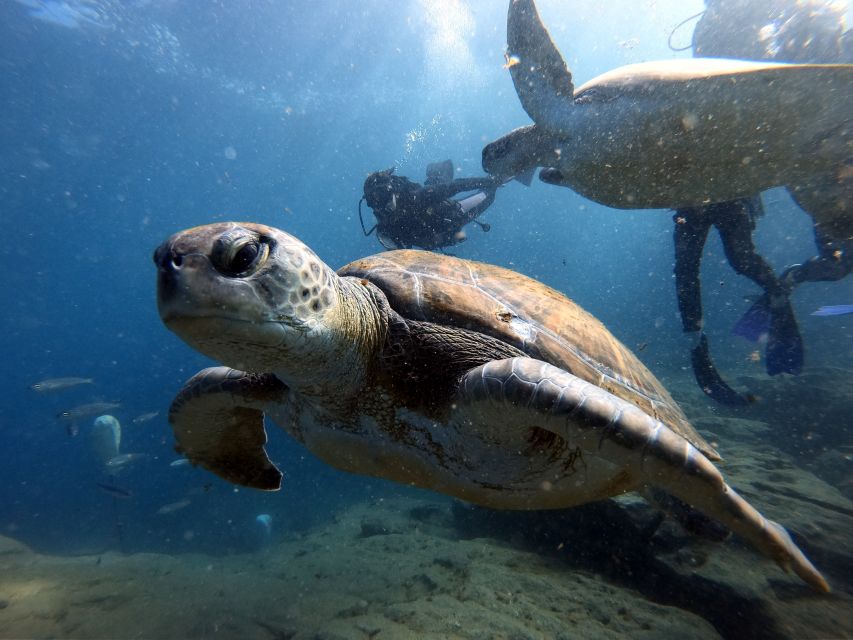
The instructor team can work in multiple languages: English, Spanish, Italian, Russian, and French. If you’re choosing a course in a foreign country, language matters more than people think. When you can understand safety explanations clearly, you feel calmer in every session.
The reviews highlight patience and thoroughness. Julia was singled out as patient and great at talking through questions while keeping each dive interesting and fun. Davide was also described as clear and professional. Those details aren’t just compliments—they’re signals that the instruction style supports beginners who need repeated explanations without feeling silly about it.
Small-group size (up to 4) pairs well with that. You’re more likely to have time for questions, and your instructor can notice whether you’re getting it or just nodding along.
Who This Course Fits Best (and Who Should Skip It)
This PADI Open Water course is a strong fit if you’re:
- A non-swimmer? Not recommended. The course lists non-swimmers as not suitable.
- Someone who wants a structured path to certification, not a one-off experience
- Comfortable planning for 5 days of instruction and practice
- Ready to follow safety guidance closely
It’s also listed as not suitable for:
- Children under 10
- Pregnant women
- People with heart problems
- People with pre-existing medical conditions
- Non-swimmers
If you’re on the edge—like you swim fine but get anxious in open water—still consider asking questions before booking. The course emphasizes learning control and safety, which can help nervous beginners, but it can’t replace good judgment.
What to Bring to Tenerife (Simple List, Big Impact)
Don’t overpack. The course specifies what you should bring:
- Swimwear
- A towel
- Sunscreen
That’s it for the essentials. You’ll likely want to consider a small extra layer for after sessions (salt air and wind can feel cooler than you expect), but stick to what’s required so you travel light.
The better you handle sun exposure, the more comfortable you’ll be between sessions. Sunscreen is a boring recommendation—until you realize it can make or break your week.
Should You Book This PADI Open Water Course in Tenerife?
If your goal is real certification with structured support, I think this is a smart booking. The best reasons are practical: small groups, full gear included, insurance included, and a course design that starts with theory and confined practice before moving into open-water boat sessions.
Choose this course if you want:
- A clear learning path
- Instructor attention that’s easier to get in a group of 4
- A credential that matters for future diving plans, including the 18-meter limit (age 15+)
Skip it only if the eligibility limits apply to you, or if you’re not comfortable meeting the basic swimming requirement. And if you’re hoping for a totally spontaneous “relax all day” vacation, this is training. It’s fun, but it’s still a course with real steps.
FAQ
What certification will I get?
You’ll complete the PADI Open Water Diver course and your certification will be processed after you finish the required theoretical and practical parts. It supports diving to 18 meters for those aged 15+.
How long is the course in Tenerife?
The duration is 5 days. You’ll meet your instructor on Day 1 for theory, then complete open-water training across the following days.
Is the group small?
Yes. The course is a small group with a maximum of 4 participants.
What training is included?
It includes online theory materials, confined water training on the bay, and full open-water training including 4 open-water boat sessions.
What languages are available for the instructor?
Instructors are listed as available in English, Spanish, Italian, Russian, and French.
What do I need to bring?
Bring swimwear, a towel, and sunscreen.
Is pickup included?
Yes. Pickup is included, and pickup places are normally in front of hotels. Pickup details are requested by email before the course begins.