REVIEW · TENERIFE
Snorkeling in a Volcanic Bay
Book on GetYourGuide →Operated by Ocean Friends Buceo and Freediving · Bookable on GetYourGuide
Snorkeling in a volcanic bay sounds unreal. Los Abrigos in Tenerife gives you an easy, guided swim over black volcanic rock and the kinds of sea life you rarely see this close to shore. I especially liked the instructor-led route that helps you spot animals, and the chance to linger over the formations instead of just rushing past them.
My other favorite part was the free photo report—you get keepsakes without having to fight for waterproof-phone perfection. One thing to keep your expectations realistic: animal sightings aren’t guaranteed. On some outings, you may see fewer big-ticket creatures like turtles or squid than the description suggests.
In This Review
- Key things you’ll notice in Los Abrigos
- Los Abrigos: why Tenerife’s volcanic bay is a great first snorkeling step
- Marina del Sur in Puerto de Las Galletas: getting started without stress
- The quick sailing break from Las Galletas: a calm lead-in
- One hour snorkeling with an instructor: what you should look for
- Species spotting tips that make a real difference
- Included gear and what to bring so you’re actually comfortable
- The photo report: the best souvenir if you’re bad at underwater photos
- Price and value: is $69 per person fair for 1.5 hours?
- Who should book this snorkeling session (and who should skip it)
- Weather and water expectations: how to set yourself up for clearer viewing
- Should you book this snorkeling in Los Abrigos?
- FAQ
- How long is the snorkeling activity?
- What’s included in the price?
- Do I need to know how to swim?
- What ages can participate?
- What languages are the instructors available in?
- What should I bring with me?
Key things you’ll notice in Los Abrigos
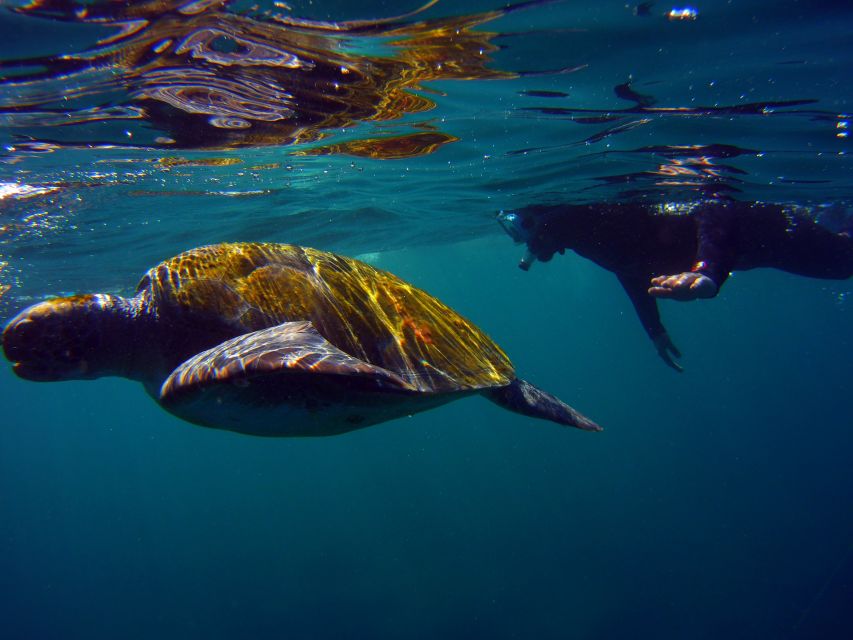
- Volcanic rock formations under calm water make the seabed feel dramatic
- An instructor in the water helps you aim your snorkel time at the best spots
- Starfish and crustaceans are common targets if conditions are clear
- A one-hour snorkeling window keeps this feeling relaxed, not rushed
- Free photos turn the experience into something you can actually remember later
Los Abrigos: why Tenerife’s volcanic bay is a great first snorkeling step
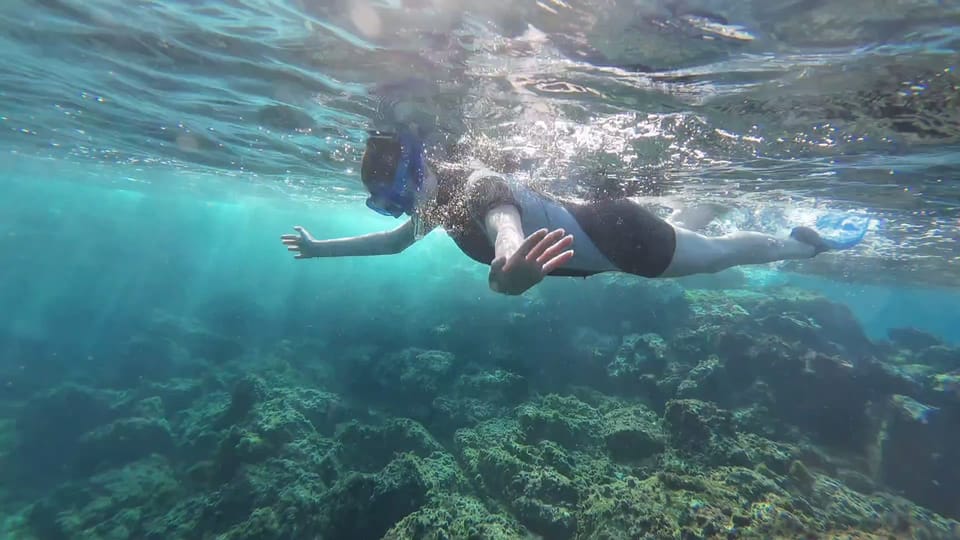
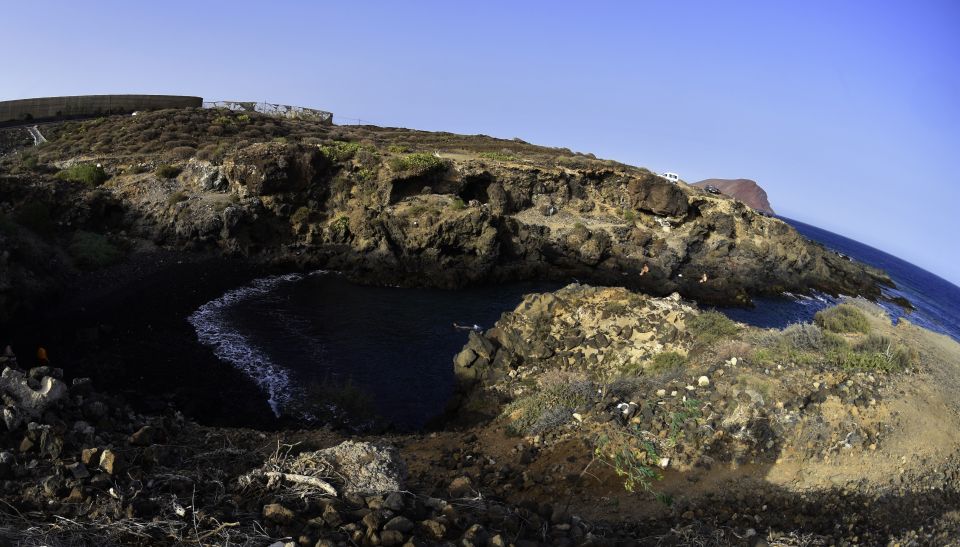
If you’re curious about snorkeling but don’t want a complicated setup day, this is a smart style of outing. The setting is Los Abrigos, a bay known for calm, clearer conditions compared with rougher stretches of coast. That matters, because when the water is steady, you can focus on what you came for: the animals and the seabed.
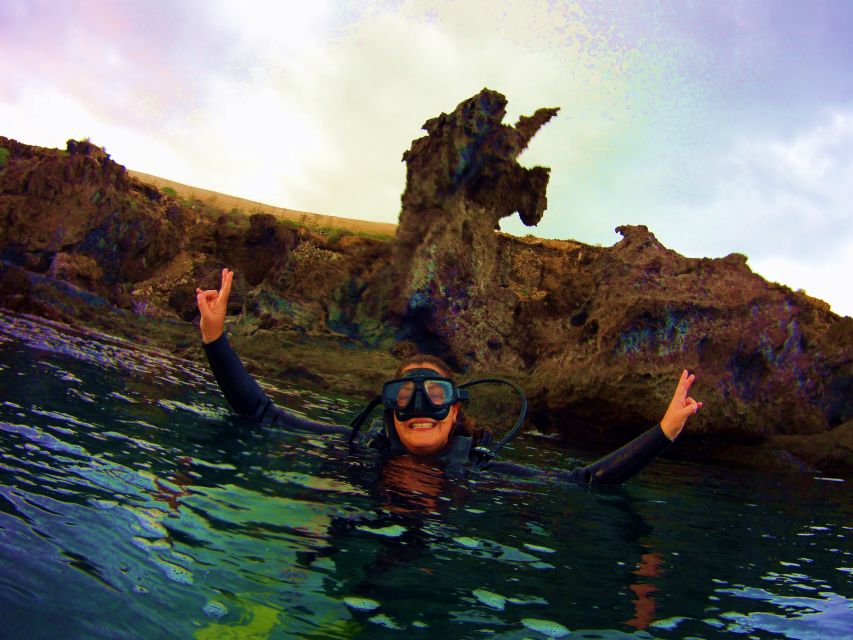
The volcanic part is the magic. Instead of a flat, sand-only bottom, you’re swimming over rocky textures where marine life can graze, hide, or cling. Volcanic rock also changes how light moves underwater. Even if you don’t have perfect visibility, the rocks give you depth and texture to look at—so the experience doesn’t fall apart if you only spot a handful of fish.
You also get the benefit of a guide-style approach. You’re not just dropping into the water and hoping for luck. An instructor helps you navigate the area and stay oriented around the rock features where the best viewing happens.
You can also read our reviews of more snorkeling tours in Tenerife
Marina del Sur in Puerto de Las Galletas: getting started without stress
This outing meets at the dive center at Marina del Sur (Puerto de Las Galletas). It’s convenient because you’re starting in an actual marina area, not out in the middle of nowhere. That’s useful if you’re pairing this with other Tenerife plans, since you can usually organize your day around a clear start point.
Once you meet, you’ll get a safety briefing for about 10 minutes. The practical point of this short briefing is orientation: what to do in the water, how to use your mask and snorkel comfortably, and how to stay close to the instructor. If you’ve never snorkeled before, you’ll appreciate that it’s not a long lecture. It’s quick, basic, and designed so you can get into the water without overthinking it.
Small note: the activity requires you to be able to swim. That doesn’t mean you need to be fast. It does mean you should feel comfortable floating and staying calm while you wear snorkel gear.
The quick sailing break from Las Galletas: a calm lead-in
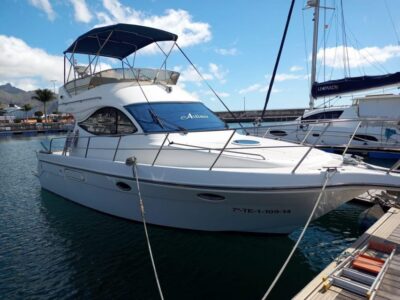
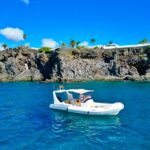
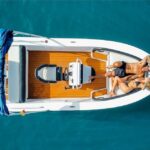
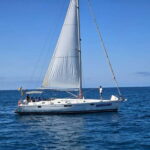
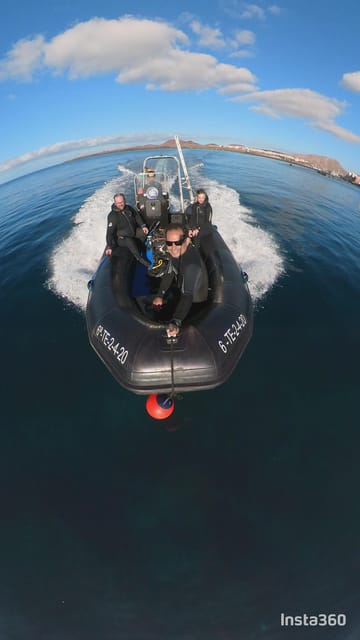
After the briefing, there’s about 15 minutes of sailing before snorkeling. For many people, that boat time is more than just transport. It’s your transition period—dry, seated, and mentally switching from land pace to water pace.
I like this format because it reduces the “where do I start?” feeling. You’re not scrambling to choose a spot. You’re simply going to the snorkeling area the operator uses for this experience.
Also, sailing time gives you a moment to check the basics: towel ready, swimsuit on, and you know which gear is yours. The operator provides snorkeling gear, including a wetsuit, fins, snorkel, and mask, so you aren’t traveling with a whole kit.
If you’re thinking about comfort, plan on rinsing your hands and face afterward. Saltwater gets everywhere, even if you’re careful. (Welcome to the sea.)
One hour snorkeling with an instructor: what you should look for
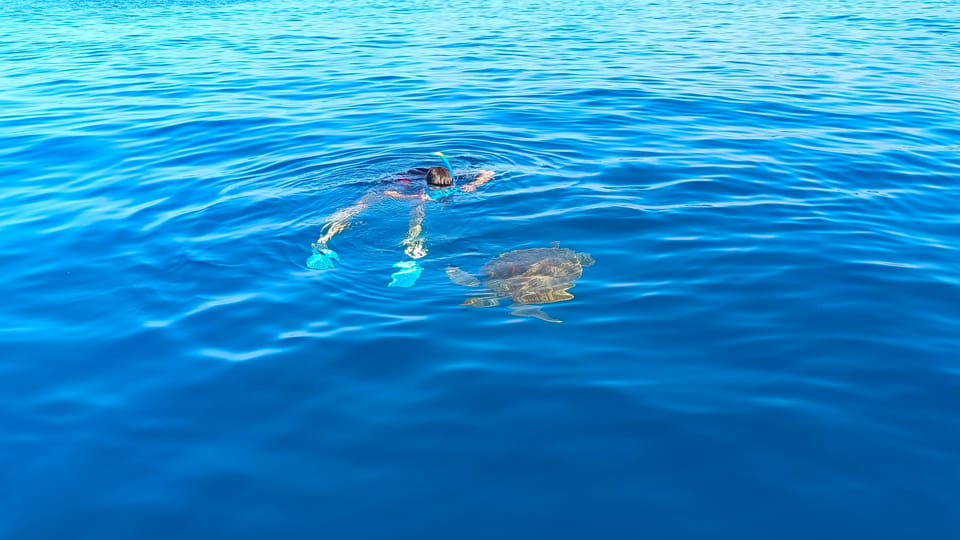
The main snorkeling session is about one hour. That timing feels right. Long enough to settle into your breathing and actually enjoy looking around, but short enough that you don’t feel exhausted or cold, especially if you’re new to gear.
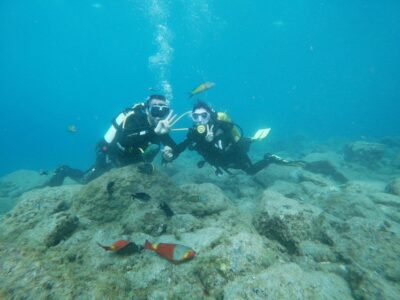
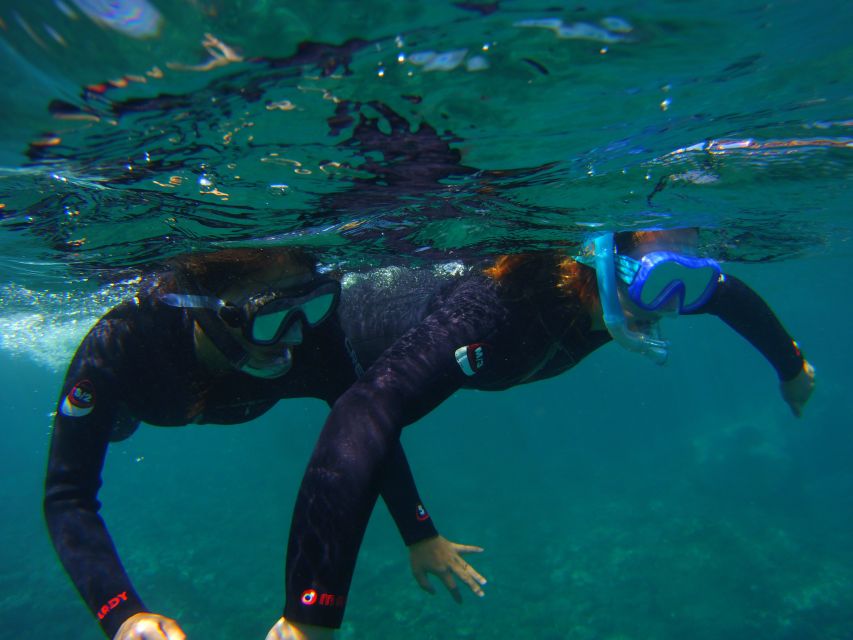
You’ll snorkel in and around volcanic rock formations. This is where guided help matters. Rock features act like a map underwater, with edges and crevices where animals like to hang out. The instructor’s job is to help you focus on the areas most likely to deliver interesting sightings—without wasting your limited time swimming in circles.
Based on what the activity description highlights, you can be on the lookout for:
- Starfish clinging to surfaces
- Octopus and cuttlefish (when conditions are right and you’re in the right viewing zone)
- Moray eels tucked into rocky spots
- Sea crabs and other crustaceans
- Parrot fish and other colorful fish species
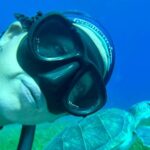
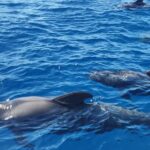
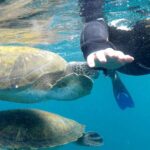
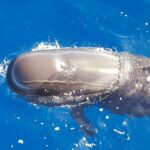
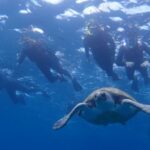
- Possible luck sightings of stingrays or sea turtles
Here’s the honest, useful part: not every outing produces every animal. Water conditions, the exact spot, and even small timing differences can change what you see. If your must-see list includes turtles, squid, or octopus, treat them as hopeful adds, not guaranteed items. You’ll still have plenty to look at because volcanic rocks and smaller creatures usually give you plenty of visual reward.
Also, calm waters help you spend less energy. When you’re not fighting waves, you can slow down your movements. That’s huge for spotting wildlife because quick, chaotic kicking makes animals retreat.
Species spotting tips that make a real difference
Even with a guide, you’ll get more out of your snorkeling if you follow a few practical habits:
- Control your pace. Slow kicks and steady breathing make you hover longer. Hover time equals more chances to notice motion near the rock.
- Look into crevices, not just at open water. In rocky zones, animals often hide in gaps and shadows.
- Stay close to the instructor’s direction. You don’t need to memorize the route, but you should trust their positioning. The best viewing usually sits near the seabed features they’re using.
- Use your eyes, not your hands. Resisting the urge to touch anything keeps you safe and protects the underwater habitat.
- Don’t panic if you miss something. Wildlife can move. If you see one great animal, keep scanning—don’t lock your head to one spot for the entire session.
A helpful extra: the outing includes an instructor who can offer real support. One experience described an instructor taking a child along while she couldn’t keep the same pace in the water. That suggests the team is attentive to people who need an extra hand—at least when conditions and safety allow.


Included gear and what to bring so you’re actually comfortable
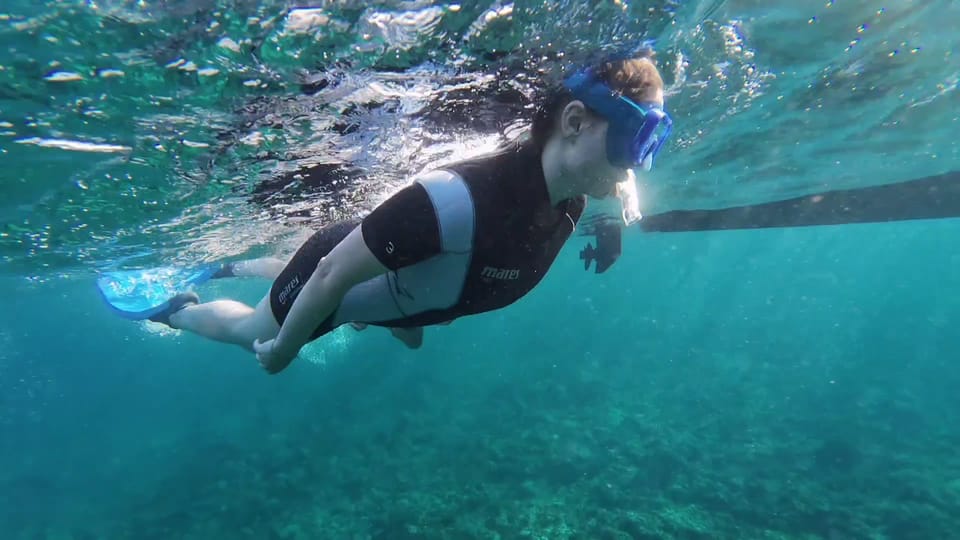
The operator supplies the snorkeling gear: wetsuit, fins, snorkel, and mask. This is a big value add. If you’ve ever rented poorly fitting masks on holiday, you know it can ruin your viewing. Here, you’re already getting the gear sorted so you can focus on the water.
What you should bring is simple:
- your towel
- your swimsuit
- basic sense of comfort (because you’ll be in gear for the swim)
You might also want to plan for the usual post-water routine: dry off well before moving around, and rinse your hands if you had sunscreen on. Salt + sunscreen can be annoying on skin after.
Language-wise, the instructor is available in Spanish and English, which makes it easier to understand what you need to do underwater. Clear instructions are one of the best safety tools you can have.
The photo report: the best souvenir if you’re bad at underwater photos
One of the standout perks here is the free photo report. You shouldn’t underestimate how useful this is. Snorkeling is busy. You’re breathing, watching, staying oriented. It’s not a great moment for battling a phone or camera while you try not to inhale seawater.
Instead, you get your own keepsake from the experience. That’s especially helpful if you want a memory of the volcanic rock formations and the marine life you spotted—things that are hard to recreate later from memory.
If you care about photos but don’t want the hassle, this is a strong reason to choose this outing over a DIY snorkel session. The inclusion of a free photo set shifts the value from equipment to guidance and documentation.
Price and value: is $69 per person fair for 1.5 hours?
At $69 per person for about 1.5 hours total, the key question is what you’re paying for. You’re not just paying for access to water. You’re paying for:
- transfer to the bay
- snorkeling gear (wetsuit, fins, mask, snorkel)
- an instructor in the water
- insurance
- free photos
If you’ve ever priced rental gear plus a guide plus the practical service of getting you to a good spot and back, the math starts to make sense. The “just 1 hour in the water” part might sound short, but in practice it’s a good pacing choice. You’re not standing around for hours. You’re getting a focused snorkeling experience with support.
Where you need to stay realistic is in the animal list. You might see a lot, or you might see fewer of the specific larger creatures listed. That variability affects the feeling of value—but the volcanic rock and smaller marine life usually keep the experience enjoyable even when big sightings don’t happen.
For many people, that photo report and the guided spotting are what make the trip feel worth the money.
Who should book this snorkeling session (and who should skip it)
This activity fits best if:
- you can swim comfortably
- you’re at least 8 years old
- you want a guided snorkeling experience with gear and photos handled
- you’re excited by volcanic rock underwater and curious marine life
It may not be for you if:
- you’re a non-swimmer
- you’re bringing a child under 8
- you’re expecting guaranteed turtles, octopus, or stingrays on every outing
If you’re traveling with kids, note the age rule is specific. Also, the instructor support described in one experience hints that the team can help when someone is struggling in the water. Still, don’t treat that as a substitute for the ability requirement. The activity is built around safe snorkeling with a guide, not a flotation babysitting service.
If you’re a solo adult or a couple, this is also a great way to get into the water without committing to a bigger, more technical program. You’ll leave with memories and photos rather than just a saltwater story.
Weather and water expectations: how to set yourself up for clearer viewing
The best snorkeling comes when the bay is calm and visibility is decent. The activity specifically points to ideal conditions in calm waters, which is a reason this spot is popular for easygoing snorkeling rather than rough-water adventuring.
What you can do as a traveler is keep your schedule flexible enough to take the day conditions seriously. If the water is rough, your experience will likely feel different. Calm helps you slow down, hover, and actually see what’s around you.
Bring a towel and dry off thoroughly after. Even when you’re warm on land, you’ll notice the water’s effect once you’re out. Plan for that so you don’t end the trip feeling cold or uncomfortable.
Should you book this snorkeling in Los Abrigos?
I think you should book if you want guided, low-stress snorkeling in a volcanic bay, with the added bonus of a free photo report. The format is short, practical, and designed to help you see marine life without needing advanced underwater skills.
You might skip—or at least adjust expectations—if your trip depends on seeing one specific animal every time. Nature doesn’t run on schedules. You’ll still be looking at volcanic rock formations and sea life, but the big-ticket sightings can vary.
My final advice: if you’re comfortable swimming and you want an instructor-led route with gear and photos handled, this is a strong value for a Tenerife water day.
FAQ
How long is the snorkeling activity?
The total experience runs about 1.5 hours, with roughly 10 minutes for a safety briefing, about 15 minutes of sailing to the area, around 1 hour snorkeling, and about 15 minutes sailing back.
What’s included in the price?
It includes transfer to the bay, snorkeling equipment (wetsuit, fins, snorkel, and mask), an instructor, insurance, and free photos. Optional video is not included.
Do I need to know how to swim?
Yes. You must be able to swim to take part, and it is not suitable for non-swimmers.
What ages can participate?
Participants must be at least 8 years old.
What languages are the instructors available in?
The instructor speaks Spanish and English.
What should I bring with me?
Bring a towel and your swimsuit. The rest of the snorkeling gear is provided.