REVIEW · TENERIFE
SSI Advanced Course in Tenerife
Book on Viator →Operated by GooDiving · Bookable on Viator
Small-group scuba training in Tenerife feels personal. Over three days, you’ll do five specialty underwater sessions where you can choose the options that match your goals. It’s structured SSI Advanced work, but run in a practical, fun way by a team that sounds like it actually cares about how you feel in the water.
Two things I really like: you get the freedom to pick from 15 adventure specialty choices, and you don’t have the rental hassle because the scuba equipment is provided. One thing to consider: you need solid planning around mandatory diving insurance, the required health questionnaire, and the rule about not flying too soon after training.
In This Review
- Key things I’d circle on your checklist
- SSI Advanced in Tenerife: the real appeal
- Price and value: what you’re really paying for
- Where it happens: Santa Cruz base and your starting point
- How the 3-day course flows (and how your choices shape it)
- Day 1: setting up your comfort and skills
- Day 2: your chosen specialty options start to feel real
- Day 3: finishing the remaining specialties and tying it together
- Specialty options you can choose: what each one is good for
- Night specialty option
- Navigation specialty option
- Wreck specialty option
- Greater-depth specialty option
- Equipment, materials, and what you actually bring
- Souvenir photos: optional extra
- Safety, insurance, and travel timing that can trip you up
- Who this course suits best
- What to expect from the instruction atmosphere
- Should you book the SSI Advanced course in Tenerife?
- FAQ
- What is included in the SSI Advanced course?
- How many specialties are completed during the course?
- Can I choose the types of sessions I do?
- Is diving insurance required?
- Where and when does the experience start?
- How big is the group?
Key things I’d circle on your checklist
- Pick-your-specialty system: you choose what you’ll practice, then those completed parts count as valid specialty credits
- Gear and snacks handled: you pack light, and you’re not stuck budgeting for rentals mid-trip
- Small groups (max 8): it’s built for hands-on coaching instead of a factory line
- Instruction style backed by names: the vibe described by past students highlights patience and enthusiasm from Roberta and Andrea, with support from Adam
- Real confidence-building focus: the whole point is improving skills and decision-making, not just collecting stamps
SSI Advanced in Tenerife: the real appeal
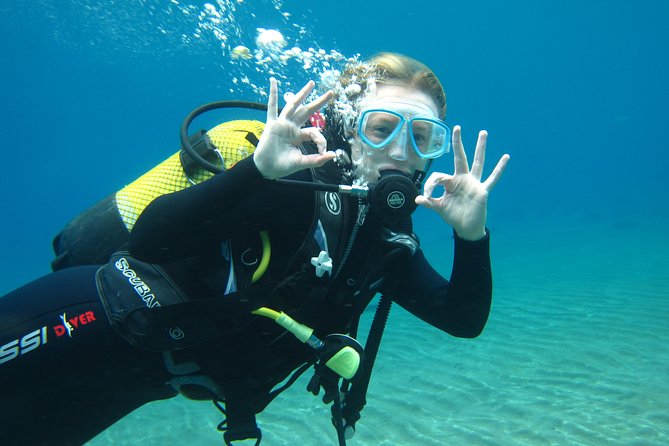
Tenerife is a big, scenic island, but what makes this course tempting is how it uses that setting for something practical. You’re not just touring. You’re working on underwater skills in a structured SSI Advanced Open Water program, with five specialty underwater sessions completed across the course.
The freedom to choose matters more than it sounds. Instead of doing one-size-fits-all exercises, you can aim for what you actually want to get better at. Want more confidence with orientation? Pick the navigation option. Want a new sensory challenge? Choose the nighttime experience. Interested in structure and planning? Go for wreck specialty. The course is designed so your completed components become valid credits toward those specialty tracks.
And then there’s the human piece. In the notes from past participants, the training atmosphere comes through clearly—Roberta and Andrea get singled out for welcome, patience, and expertise, with Adam listed as support. That kind of team dynamic is huge when you’re pushing beyond basic certification.
You can also read our reviews of more tours and experiences in Tenerife.

Price and value: what you’re really paying for
The price is listed as $616.69 per person for about three days. On paper, it’s not a “cheap add-on.” But look at what’s included:
- Learning materials for the SSI Advanced Open Water program are included
- Scuba equipment is provided, so you avoid the usual equipment-rental and transport headaches
- Five specialty underwater sessions are included as part of the course
- Snacks are included
- A PADI instructor accompanies you during your underwater sessions
That mix is where the value shows. If you were to cobble together a specialty-style training weekend plus equipment plus materials, it often becomes expensive fast. Here, you’re buying a compact course package with multiple structured skill tracks in one block.
Also, the small cap of 8 people per booking changes the math. You’re more likely to get feedback and corrections when the group is small.
Where it happens: Santa Cruz base and your starting point
Training starts at 8:00 am at Sand Club, 38639 Oasis del Sur, Santa Cruz de Tenerife, Spain. The course ends back at the meeting point.
Two practical notes here:
- Getting there should be manageable since the location is described as near public transportation.
- The early start time matters. Tenerife is relaxed, but scuba training runs on tight safety and scheduling windows, so plan to be there ready to go.
If you’re staying somewhere convenient in Santa Cruz, you’ll likely find it easier to keep your mornings calm—no frantic rush, no last-minute gear panic.
How the 3-day course flows (and how your choices shape it)
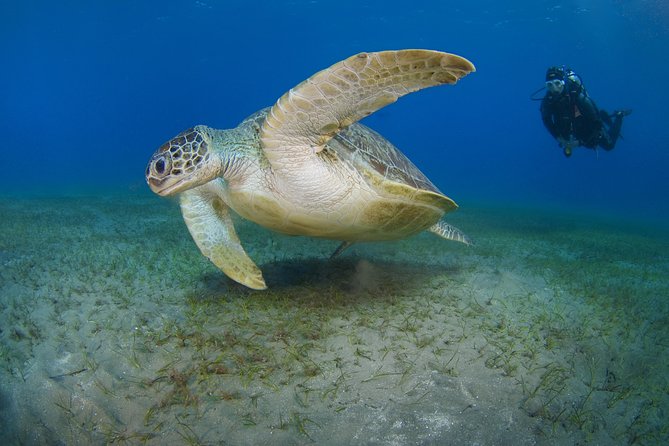
The course is listed as 3 days (approx.), and it centers on one big thing: five underwater sessions from five different specialties.
What’s not rigidly spelled out is the exact day-by-day order of those specialty options. That’s because you get to choose from 15 adventure specialty types, and the schedule can shift based on what you select.
Here’s how to think about the flow so you can plan your expectations:
Day 1: setting up your comfort and skills
You’ll start the course at the 8:00 am meeting point, and the first day typically functions like your baseline. The course is about improving technique and confidence, so early time focuses on skills you’ll build on later—especially buoyancy control, safe decision-making, and how you handle new tasks under instructor supervision.
Why it matters for you: the better your baseline feels on day 1, the easier the specialty options feel later. That’s also why the small-group size is such a plus—you’re less likely to feel rushed.

Day 2: your chosen specialty options start to feel real
This is where your picks begin to matter. The course lists specialty ideas like:
- Night option (visibility and orientation changes; you learn to manage your senses and timing)
- Navigation option (how you keep a route and avoid drifting)
- Wreck option (planning and control around structure)
- A greater-depth specialty option (handled under instruction with safety focus)
The practical upside: you’re not just learning facts. You’re practicing what the specialty is trying to teach.
The possible drawback: if you choose several options that feel intense back-to-back, you’ll want to manage your energy. You can’t totally eliminate fatigue in three days, so plan for rest and hydration between sessions.
Day 3: finishing the remaining specialties and tying it together
By day 3, you’ll complete the remaining specialty underwater sessions so you reach the full five-part course structure.
Why this is useful: advanced training is partly about learning the “why” behind techniques. Finishing the full set means you’re not left with half-taught skills.
And since each completed session is a valid credit for the corresponding specialty course, you’re leaving with a clearer path if you want to continue training later.
Specialty options you can choose: what each one is good for
You’ll have freedom to pick from 15 adventure specialty types. You don’t need to memorize all of them—just match the options to your personal weak spots and interests.
Here are the ones specifically mentioned, with practical “why you’d want this” context:
Night specialty option
If you want to improve control when visibility is different (and your brain can’t rely on daylight cues), nighttime sessions are a strong test. You’ll likely focus on staying calm, managing breathing rhythm, and keeping your awareness tight.
Good for: people who want a different kind of experience and want to practice precision.
Navigation specialty option
This is the one that helps most people stop feeling lost. You learn practical ways to keep track of where you are and where you’re going, so the next time you’re out in open water, you feel less like you’re following luck.
Good for: confident divers who want confidence that’s based on technique, not vibes.
Wreck specialty option
Wreck work is about control and planning around man-made structure. It’s not just about seeing objects—it’s about learning how to avoid problems around tight spaces and how to stay organized.
Good for: people who like “task” diving and want structured practice around complexity.
Greater-depth specialty option
This option targets skills used at more challenging depth profiles, with safety being the focus. It can help you understand how to manage breathing, buoyancy, and planning more carefully.
Good for: divers who want experience that teaches restraint and planning.
If you’re unsure what to pick, keep it simple: choose one “fun change” option (like night) and the rest should be tied to the skills you want to strengthen (like navigation and one more structured specialty).
Equipment, materials, and what you actually bring
You’ll have a big convenience: scuba equipment is provided and learning materials for the course are included. That means you can pack lighter than you would for a DIY plan.
What this changes for you:
- You spend less money renting gear
- You spend less time transporting gear across airports
- You can focus on being comfortable with the setup you’re using during training
Also included: snacks during the experience.
Souvenir photos: optional extra
Souvenir photos are not included, but they’re available for purchase. If you care about documenting, ask early so you’re not trying to remember everything later.
Safety, insurance, and travel timing that can trip you up
This is a safety-first training activity, and Tenerife has a clear requirement: diving insurance is mandatory.
If your travel insurance doesn’t include scuba coverage, you can get a daily insurance option for 7 euros or a weekly option for 15 euros through DiveAssure (as listed by the provider).
Other travel considerations that you should take seriously:
- Flying within 24 hours of training is not recommended.
- You’ll complete a health questionnaire before diving. If you have certain preexisting conditions (like asthma or heart conditions), you may not be able to participate—so talk to your doctor first.
- You need a current valid passport on the day of travel.
None of this is meant to scare you. It’s meant to prevent you from arriving unprepared and having the trip derailed at the last moment.
Who this course suits best
This is best for:
- Open Water certified divers who want a confidence boost and structured skill refinement
- People who enjoy coaching and want feedback, not just sightseeing underwater
- Divers who want to choose between multiple specialty directions and earn those credits
It may be less ideal for:
- Anyone who can’t meet insurance requirements or has a medical situation that needs clearance
- People who hate early mornings (8:00 am start)
- Anyone arriving from flying soon before the first day of training
The course also notes moderate physical fitness. That doesn’t mean you need to be an athlete. It does mean you should feel comfortable with the physical demands of scuba work and moving around between sessions.
What to expect from the instruction atmosphere
The best part of this course, based on the comments you’re given, is the tone of the school.
In particular, Roberta and Andrea are described as welcoming with patience, plus strong skills and enthusiasm. Adam gets credited with support too. That kind of team setup matters because advanced training often involves small corrections that feel technical. A patient instructor helps those corrections stick.
The course also mentions a PADI instructor accompanying your underwater sessions. That gives you another layer of reassurance about safety and teaching style while you tackle the specialty components.
Should you book the SSI Advanced course in Tenerife?
Book it if you want an advanced certification block that feels personal, not mass-produced. The combo of five specialty sessions, gear included, and pick-your-options freedom is a strong value play—especially if you’re the type who likes to target the skills you want to improve.
Skip it (or at least ask a lot of questions before paying) if you’re tight on travel timing, you’re not covered by diving insurance, or you know you’ll need medical clearance. Also, if three days feels too compressed for your energy level, you might prefer a slower training pace elsewhere.
If you can handle those practical points, this Tenerife course is a solid way to turn vacation time into real underwater confidence—while still enjoying the island between sessions.
FAQ
What is included in the SSI Advanced course?
Learning materials for the SSI Advanced Open Water Diver course are included, along with the use of scuba equipment and snacks. Souvenir photos are not included.
How many specialties are completed during the course?
The course includes five underwater sessions from five different specialties, and each one counts as valid credit for that specialty course.
Can I choose the types of sessions I do?
Yes. You have freedom to pick from 15 types of adventure specialty options, including choices like night and navigation, plus other specialties such as wreck and greater-depth options.
Is diving insurance required?
Yes. Diving insurance is mandatory in Tenerife. If your travel insurance does not include it, you can arrange daily or weekly coverage through DiveAssure.
Where and when does the experience start?
The meeting point is Sand Club, 38639 Oasis del Sur, Santa Cruz de Tenerife, Spain, and the start time is 8:00 am. The activity ends back at the meeting point.
How big is the group?
The booking is capped at a maximum of 8 people.