REVIEW · TENERIFE
Santa Cruz de Tenerife: PADI Introductory Dive
Book on GetYourGuide →Operated by SCUBANANA Dive Center · Bookable on GetYourGuide
Your first breaths underwater start here.
This PADI intro experience in Santa Cruz de Tenerife puts you in the protected waters of Radazul Bay with PADI-trained instructors, and it’s built for complete beginners. I like that it starts with straightforward coaching on theory and gear, then quickly shifts into hands-on underwater skills.
I also like the setting: Radazul is calm, shallow, and paced so you can get comfortable instead of feeling rushed. One consideration: it’s not suitable for people with back problems, and you’ll be wearing a wetsuit and carrying your scuba kit for the session.
In This Review
- Key takeaways
- Radazul Bay: the calm, protected water that makes your first session work
- From Scubanana to wetsuit: gear setup is part of the lesson
- The 30-minute safety briefing: what you’re really paying for
- Four skills underwater: practice the essentials, not random stunts
- Your one-hour Radazul swim: calm pacing and respectful wildlife time
- Instructor support that actually lowers the stress level
- What to bring (and what to remember once you’re suited up)
- Timing and flow: 3 hours that don’t waste your time
- Price and value: is $152 fair for a 3-hour PADI intro?
- Who should book this in Santa Cruz de Tenerife (and who should skip it)
- Should you book this PADI intro scuba session in Radazul?
- FAQ
- Where is the meeting point for the PADI intro session?
- How long is the experience?
- What languages are available for the live tour guide?
- What is included in the price?
- What will happen in the first part of the session?
- Do I need to bring anything?
- Is this suitable for beginners?
- Is it suitable if I have back problems?
- What’s the cancellation and payment flexibility like?
Key takeaways
- Beginner-friendly waters in Radazul Bay: calm, shallow conditions help you acclimate fast.
- Theory + gear setup before you go in: you learn what you’re using and why.
- A safety-first 30-minute briefing: clear guidance so you feel confident.
- Four basic underwater skills: you practice the essentials with your instructor close by.
- 1 hour of time in the water: enough to feel the experience without overdoing it.
- Wildlife viewing with distance and respect: you observe aquatic life while staying controlled.
Radazul Bay: the calm, protected water that makes your first session work
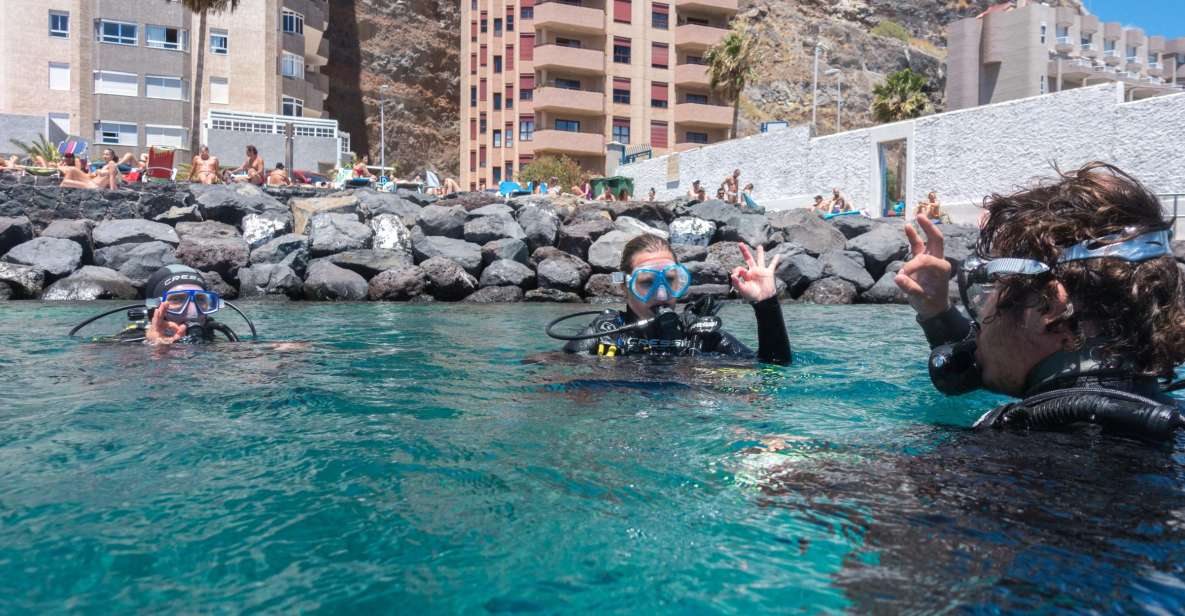
Radazul Bay is the secret sauce for this kind of intro. The water is sheltered and typically calm, so you’re not fighting waves or dealing with “hold on” energy. The goal isn’t speed. It’s control.
You’ll be able to ease into the experience step by step—wetsuit on, gear fitted, then into the water slowly. That slow ramp matters because scuba basics click faster when you’re not overwhelmed by movement, temperature shock, or panic.
Think of it like learning to swim with an extra layer of systems: breathing, buoyancy, and safety cues. Here, those fundamentals have room to sink in.
You can also read our reviews of more tours and experiences in Tenerife.

From Scubanana to wetsuit: gear setup is part of the lesson
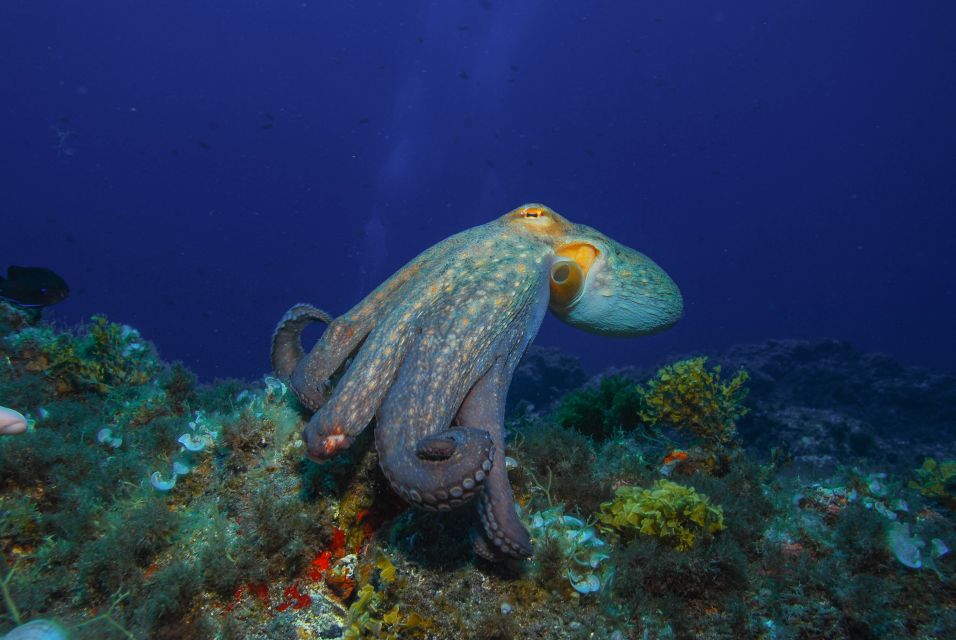
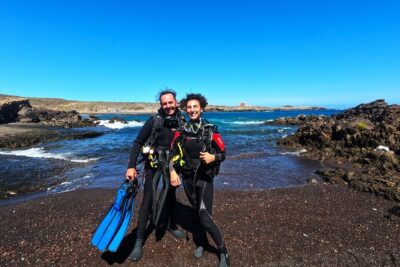
The meeting point is the Scubanana Dive Center in the Radazul area of Santa Cruz de Tenerife, at Puerto Deportivo Radazul near El Rosario (38109). Expect a practical start: you don’t just get told what to do—you help set up your kit with your instructor.
Your session includes the scuba training and diving gear. That’s a big value point, because you’re not buying rental gear separately or figuring out unfamiliar equipment on your own. You’ll also get learning material as part of the experience, which helps you connect what you hear in training with what you’ll do in the water.
You’ll put on your wetsuit and then work through the basic gear setup. If you’ve never handled this stuff before, you’ll like that you’re guided through it instead of being thrown into a checklist.
The 30-minute safety briefing: what you’re really paying for
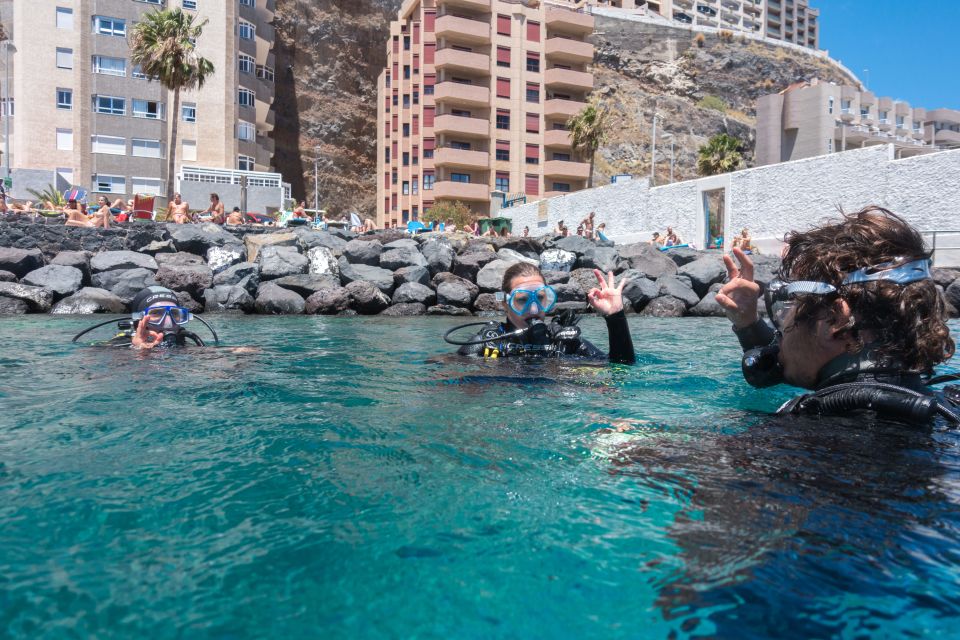
Before you ever get into the water, you get a safety briefing—about 30 minutes. This is where the experience earns its credibility. You cover scuba theory basics and learn how the gear works in the real world, not just as a diagram.
You’ll also go over what to expect underwater and practice the communication idea: following your instructor and keeping your attention where it matters. When people feel safe, they learn faster. And when you learn faster, you actually enjoy the session.
This is also the point where you should speak up. If something doesn’t make sense—fit, breathing, buoyancy control, anything—bring it up right then. The briefing is set up for you to get clarity before you’re wearing the whole system and moving underwater.
Four skills underwater: practice the essentials, not random stunts
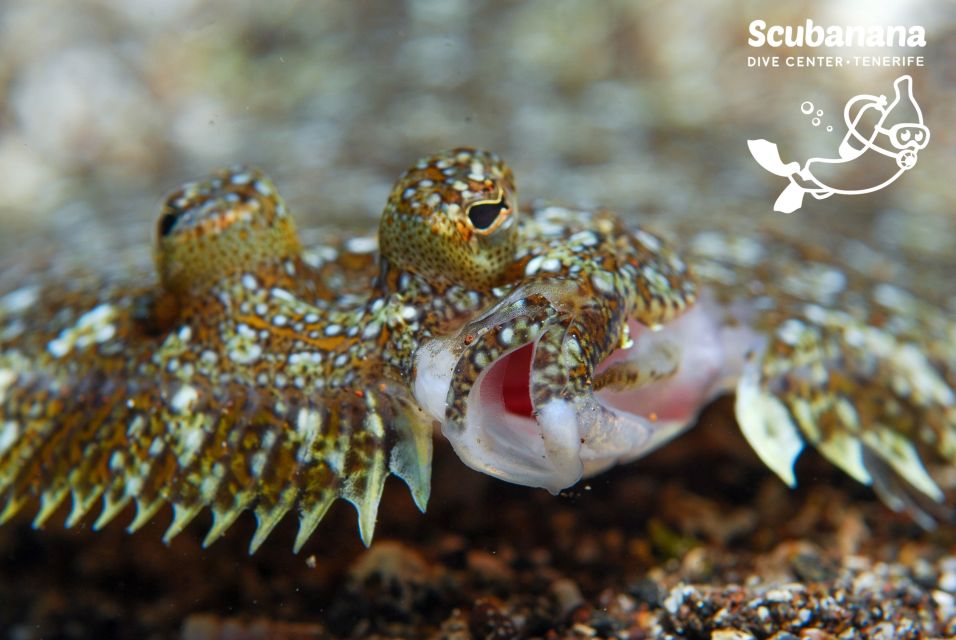
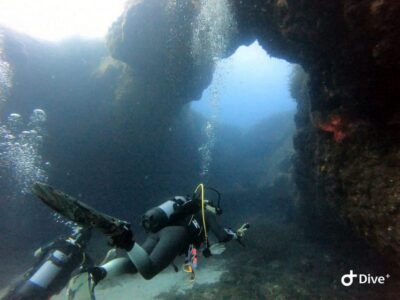
Once you’re in the protected bay area of Radazul, the format stays very intentional. You’ll practice four basic skills underwater. You can expect them to feel simple, but not childish. These are the core moves that help a beginner stay calm and controlled.
You’ll wear your gear, get coaching, and then work through the skills with your instructor leading. The session is designed so you’re not just floating and hoping for the best—you’re learning the fundamentals in an environment that supports success.
The key is that your instructor stays with you and guides you to places of interest in the bay. That follow-the-leader structure helps beginners because it removes decision fatigue. You don’t need to navigate. You just need to focus on breathing, body position, and doing the skills correctly.
Your one-hour Radazul swim: calm pacing and respectful wildlife time
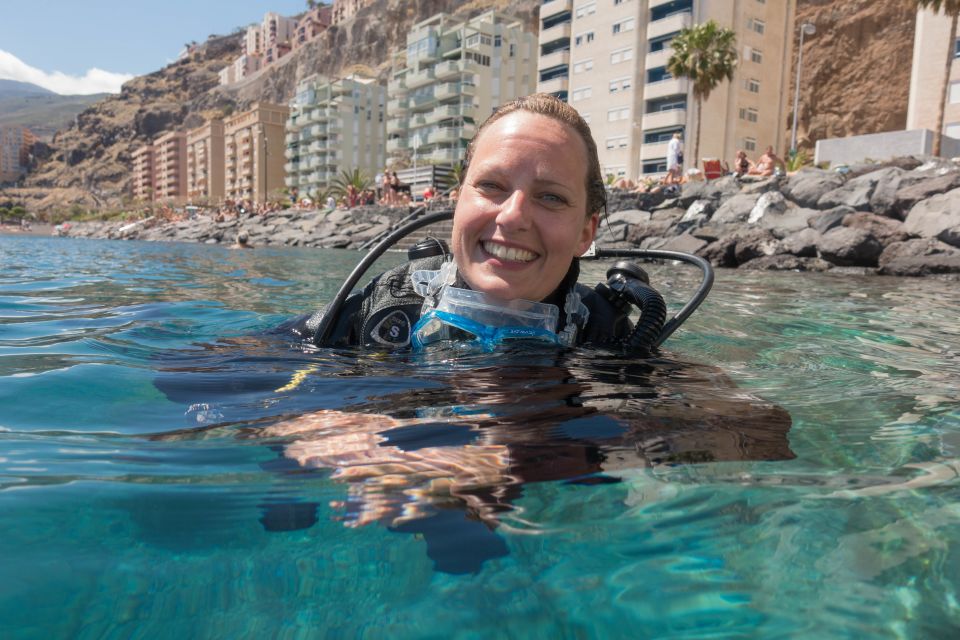
After the skills practice, you’ll enjoy about one hour of underwater time in the bay area near Radazul Beach. This is when the experience turns from training into a real memory-maker.
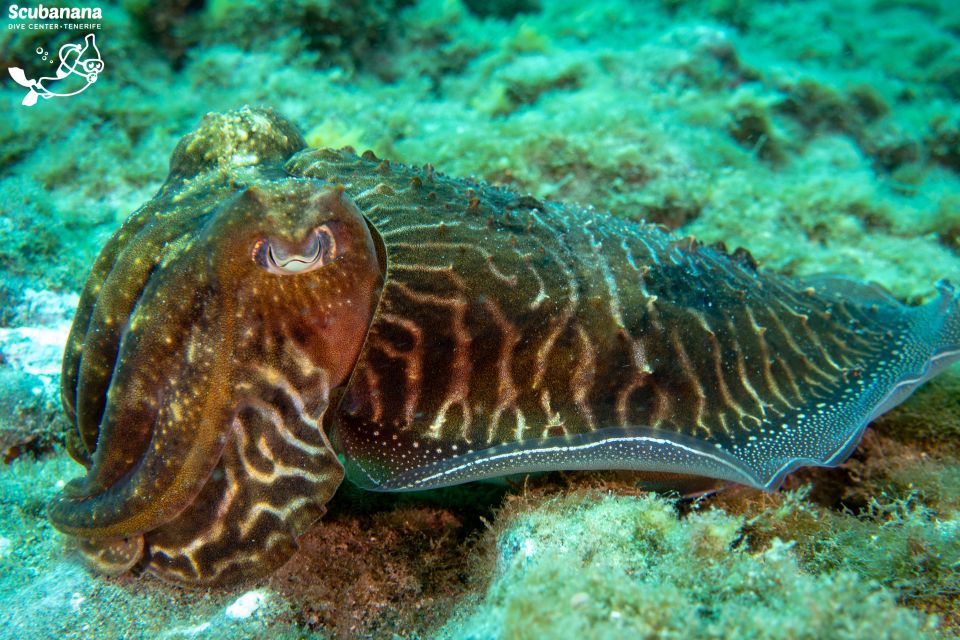
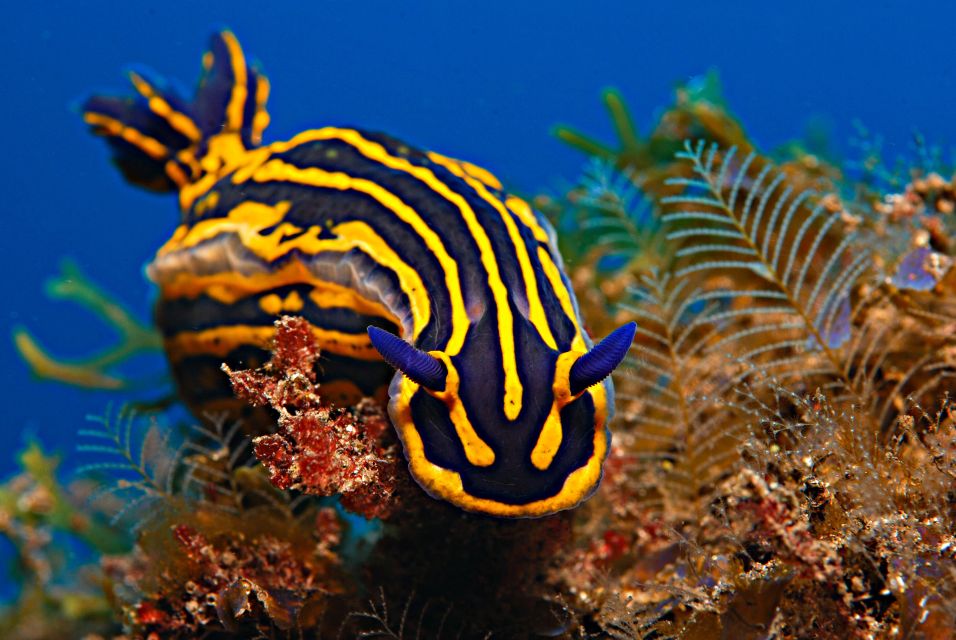
You’ll follow your instructor to points of interest and observe aquatic life. The emphasis is on watching from a respectful distance—no rushing toward everything, no grabbing, no turning it into a zoo. That kind of behavior keeps the water calm and keeps wildlife undisturbed.
If you’re a first-timer, you’ll likely notice how quickly your brain adjusts once you’ve practiced the basics. Breathing becomes rhythmic, your body relaxes more, and the underwater world starts to feel like it belongs to you.
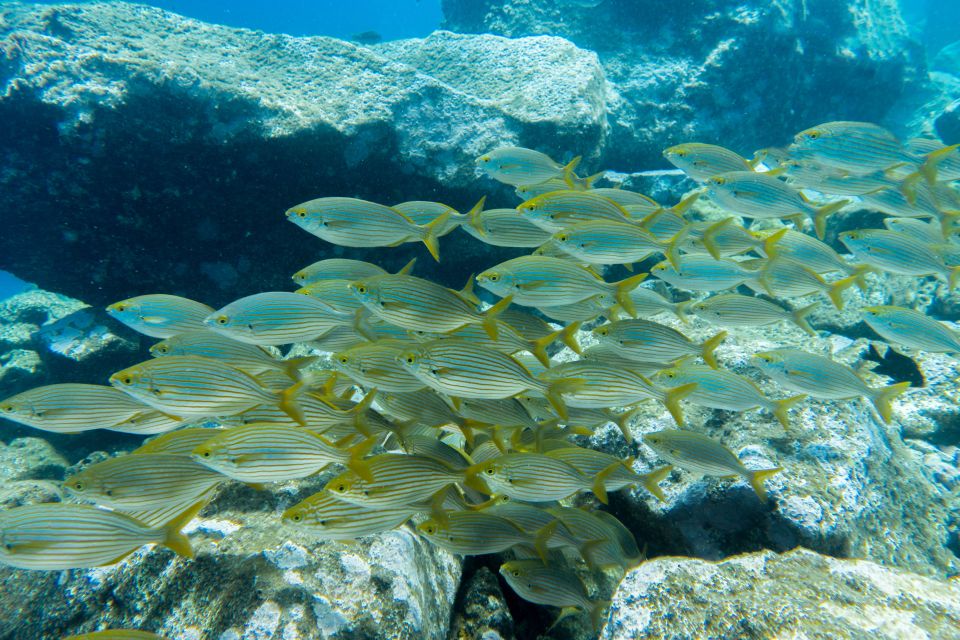
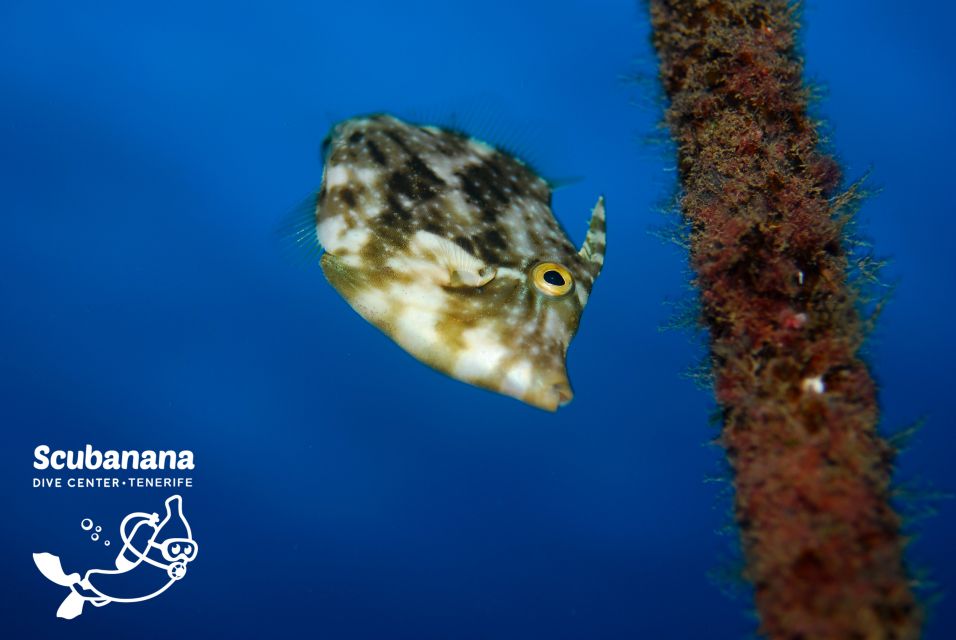
And based on past experiences shared by participants, it’s not just a quick look. People often comment on seeing lots of fish. That makes sense in a bay environment like this—there’s enough action to keep your attention, but it’s still controlled for beginners.



Instructor support that actually lowers the stress level
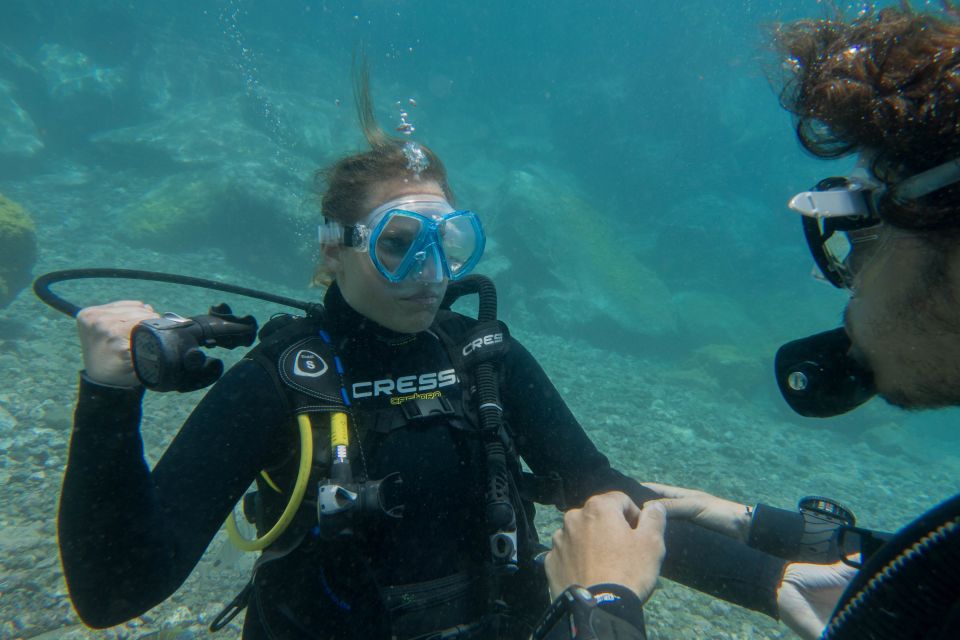
The biggest praise here isn’t the equipment—it’s the teaching style. You’re in the hands of professional PADI-trained instructors, and the tone is confident and reassuring.
In one experience, Benjamin was specifically thanked for explaining everything clearly and making participants feel safe from start to finish. In another, Lean and their team were credited with making the session feel like a magic moment for a teen who was trying it for the first time. That’s the pattern: calm explanations, steady guidance, and a real focus on safety.
In practice, that means you won’t just get instructions barked at you. You’ll get guidance that helps you understand what you’re doing and why. For beginners, that difference is everything. The more you understand, the less you worry.
What to bring (and what to remember once you’re suited up)
Plan for a simple bring list:
- Towel
- Swimwear
That’s it. The rest is handled as part of the training. You’ll put on the wetsuit and your instructor will help you get your scuba kit set up.
One more practical note: this is not suitable for people with back problems. So if you’ve got any current back issues—or you know wetsuit time and gear handling can trigger pain—skip this and ask for a safer alternative activity.
Also, wear swimwear you’re comfortable adjusting in, because you’ll get changed before you go into the water.
Timing and flow: 3 hours that don’t waste your time
This experience lasts about 3 hours total. You’ll spend roughly 30 minutes on the safety briefing, then you’ll have around one hour in the water portion.
That pacing matters. You get enough time for instruction and practice without the session dragging. It also means you can fit it into a day exploring Santa Cruz de Tenerife without building your whole itinerary around scuba logistics.
After the underwater session, you’ll head back to the dive center and talk with your group about what you saw. That short debrief is useful because it turns your experience into something you can remember clearly—what you practiced, what you noticed, and what felt easiest (or hardest).
Price and value: is $152 fair for a 3-hour PADI intro?
The listed price is $152 per person for a 3-hour experience. For a beginner intro, the real question is value: what do you get for that money?
Here’s what’s included:
- Dive training
- Diving gear
- Learning material
- PADI fees
That’s a strong package. The big costs in experiences like this are often (1) instruction time and (2) gear. Here, both are included, and you’re also paying the PADI fees that come with the structured program.
So you’re not just buying a fun water activity—you’re buying guided instruction, equipment access, and the training framework that makes first-time success more likely.
If you’re considering doing something similar elsewhere, pay attention to whether gear and training are included. With this format, you’re paying for a full intro session, not a barebones “try it once” moment.
Who should book this in Santa Cruz de Tenerife (and who should skip it)
This is a great fit if:
- you’re trying scuba for the first time and want a structured PADI approach
- you want calm, shallow conditions rather than open-water pressure
- you like learning step-by-step and you want instructors close by
It can also suit families with older teens who can follow instructions and handle wetsuit gear comfortably, since beginners have been supported in past experiences.
Skip it if:
- you have back problems that make gear handling or wetsuit time a bad idea
- you’re looking for a long, advanced training program (this is an intro experience with a short, controlled water window)
Should you book this PADI intro scuba session in Radazul?
If your goal is a first-time scuba experience with real instruction, calm conditions, and a safety-focused team, I think it’s an easy yes. Radazul Bay supports beginners, and the format—gear setup, theory, a safety briefing, then four underwater skills—means you’re not guessing.
I’d book it if you want to leave Tenerife with a genuine underwater memory and the confidence to do more later (or at least to say, yes, you tried it and it felt manageable). Just be honest about your back and comfort level before you commit.
FAQ
Where is the meeting point for the PADI intro session?
You meet at the Scubanana Dive Center in Radazul, Puerto Deportivo Radazul, 38109 El Rosario, Santa Cruz de Tenerife, Spain.
How long is the experience?
The duration is 3 hours.
What languages are available for the live tour guide?
The live tour guide offers Spanish, English, and German.
What is included in the price?
The price includes dive training, diving gear, learning material, and PADI fees.
What will happen in the first part of the session?
You start with a safety briefing and learn basic scuba theory, plus how the gear you’ll use works.
Do I need to bring anything?
Bring a towel and swimwear.
Is this suitable for beginners?
Yes. The experience is designed for first-time divers, with calm, shallow waters and basic underwater skills practiced with an instructor.
Is it suitable if I have back problems?
No. It’s not suitable for people with back problems.
What’s the cancellation and payment flexibility like?
Free cancellation is offered up to 24 hours in advance for a full refund, and you can reserve now and pay later.