REVIEW · TENERIFE
Sunset and Stars at Teide National Park
Book on Viator →Operated by Stargazing Tenerife · Bookable on Viator
One great sky show leads to another. You’ll do sunset and stargazing in the same evening, with private transport and a real telescope setup in Teide National Park. It’s the kind of plan that feels efficient, not rushed: warm-ish glow first, then darkness done right.
I love the combo of the cava sunset (yes, a glass of Spanish sparkling wine) and the hands-on astronomy at night. I also like that you aren’t stuck hunting for taxis or figuring out logistics. You get guided sky explanations plus telescope time through a 12-inch Dobsonian.
One thing to consider: the experience depends on weather and the moon. If clouds roll in (or the moon is bright), you may see fewer details—and you’ll still need to stand around in cool mountain air.
In This Review
- Key things to know before you go
- Tenerife pickup to Teide viewpoints: how the timing feels
- Sunset over the islands: cava, clouds, and the best viewing mindset
- Teide National Park stargazing: telescope setup you can actually use
- What you might see: moon phases, seasons, and “today’s best targets”
- Learning the sky: how the laser pointers and constellations work
- The Milky Way photos: a cool souvenir with one catch
- What to wear and bring: cold Teide air is the real boss
- Transport logistics that actually matter (pickup areas and movement)
- Price and value: what $72.59 buys you in real terms
- Who should book this tour (and who might want a different plan)
- Should you book Sunset and Stars at Teide National Park?
- FAQ
- What’s the duration of Sunset and Stars at Teide National Park?
- Where does the pickup happen?
- Is the sunset drink included?
- Is stargazing equipment included?
- Is dinner included?
- What if the weather is bad?
Key things to know before you go
- Sunset + stargazing, same day: One organized evening, two different Teide-area viewpoints.
- Private transport included: Pickup from the South coast (near your hotel area) and direct transfers between stops.
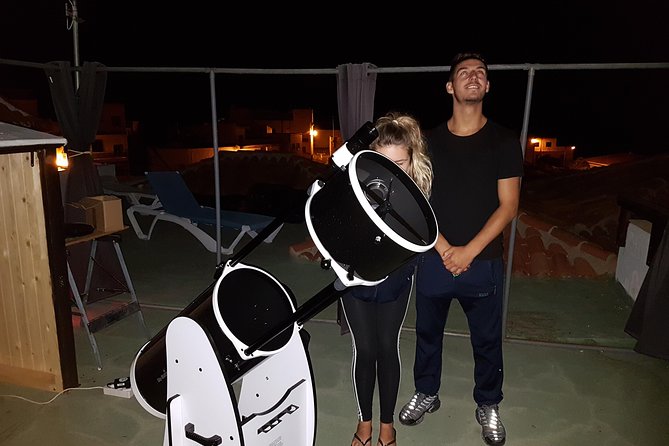
- Telescope time with a 12-inch Dobsonian: It’s set up for actual viewing, not just photo ops.
- Laser pointers for the sky map: You’ll learn where to look for things like Polaris and Andromeda.
- Cava included at sunset: Adults get cava; non-alcoholic drinks are also provided.
- Bring real cold-weather gear: No shelters and limited amenities, so plan to dress like it’s winter.
Tenerife pickup to Teide viewpoints: how the timing feels
This is a 4 hours 30 minutes style evening (give or take, depending on light and weather). You’ll be picked up from listed hotel-area pickup points in the South of Tenerife, generally along the coast from El Médano to Los Gigantes. Then you’ll head to a viewpoint for sunset first, and after dark you’ll transfer again to a Teide National Park viewing spot.
I like how the transport is handled. The route matters here because you’re chasing two different conditions: a good horizon line for sunset, then low light pollution for stargazing. Using private transport also cuts out the awkward “wait for everyone” taxi game.
If you’re staying inland, outside the allowed pickup corridor, you might need to plan extra time or use a nearby pickup point. And do yourself a favor: provide your WhatsApp number, because the exact timing and place get sent the morning of your tour.
You can also read our reviews of more evening experiences in Tenerife
Sunset over the islands: cava, clouds, and the best viewing mindset
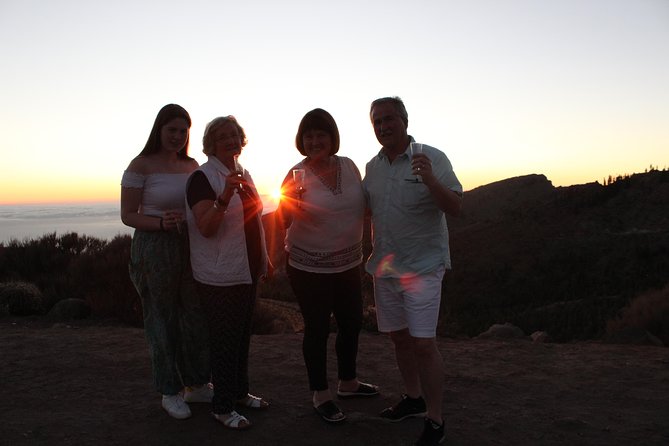
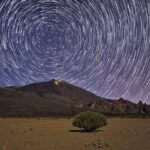
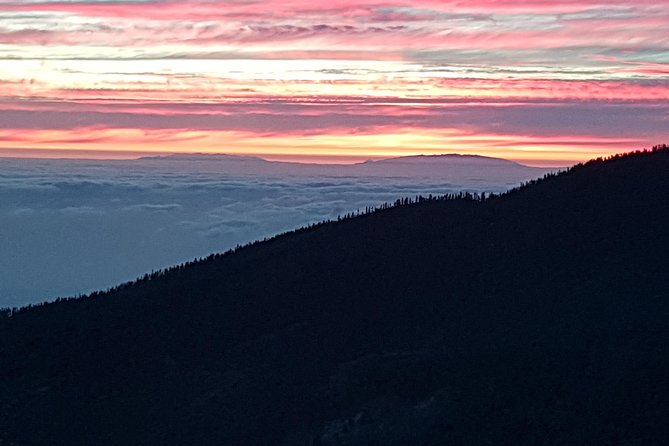
Your first stop is a viewpoint where you can watch the sun set over the islands of La Palma, La Gomera, and El Hierro. This is the moment the tour earns its name. Even on a less-than-perfect night, the sky does something special when the sun drops and the islands fade into silhouette.
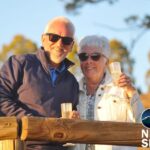
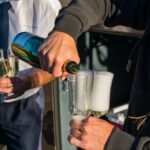
At sunset, the tour provides a glass of cava (or a non-alcoholic alternative). It’s a small detail, but it changes the feel. You’re not just standing there waiting for dark—you’re “in it,” with a drink in hand as the colors move across the horizon.
Now for the honest part: if it’s cloudy at sunset, you might not get the full show. One review-style pattern showed up repeatedly—sunset can be blocked, and the group waits at a public viewpoint. That’s not a deal-breaker for true stargazers, but it’s good to know what you’re signing up for: you’re at the mercy of sky conditions.
Teide National Park stargazing: telescope setup you can actually use
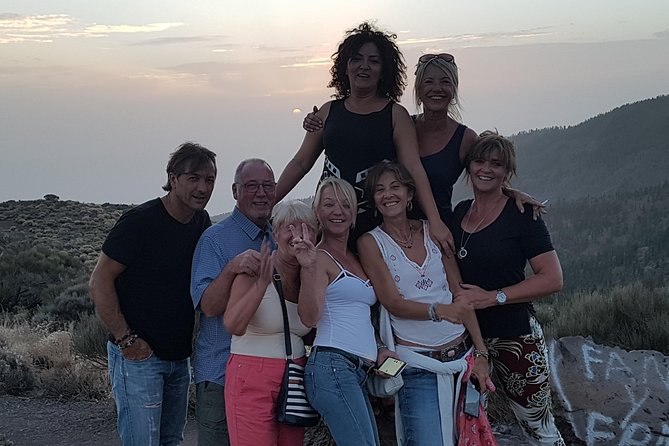
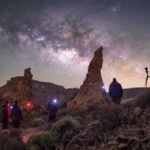
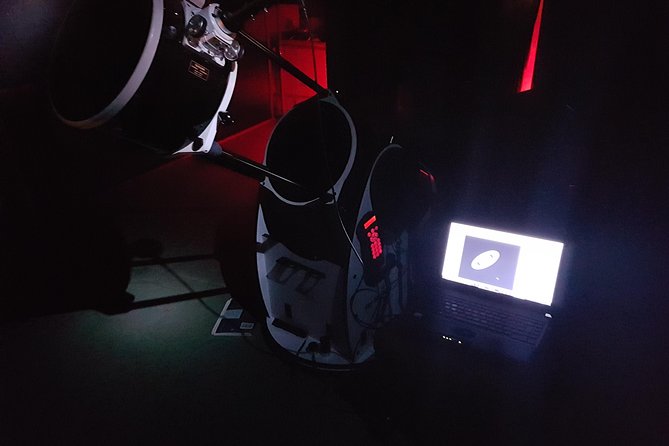
After the sun goes down, you’ll head to another viewpoint in Teide National Park for stargazing. This is where the evening shifts from “pretty sky” to “wait—what is that?” The star session uses a 12-inch Dobsonian telescope and tripods you can use.
You won’t just look through the telescope once and move on. The guides explain what you’re seeing and use laser pointers to help you match the name to the spot in the sky. The goal is to make you a beginner who can find things again next time, not a person who only stares.
They also show you practical navigation targets, including Polaris, the North Star. You’ll learn how to locate it, and you’ll get pointed toward objects like the Andromeda galaxy. There’s also mythology talk tied to constellations (Greek stories show up), which makes it easier to remember the shapes and names.
What you might see: moon phases, seasons, and “today’s best targets”
Your visible targets change depending on the time of year and the moon’s phase. That matters, because the night sky isn’t a fixed menu.
If the moon is near full, it can wash out faint detail. In contrast, the days before full moon are when the Moon often becomes the main focus. You can expect lunar viewing to be a highlight during those phases.
On darker nights and at the right season, you can also catch star clusters, nebulae, and galaxies. One explicitly mentioned target is the Pleiades, also called the Seven Sisters, in the constellation of Taurus (especially in winter). Guides may point out planets and other bright objects when conditions allow.
Two practical points I’d plan around:
- You can’t assume you’ll see every object promised on every night. Weather, moon brightness, and seasonal timing shape what’s visible.
- Telescope time isn’t unlimited. If the sky is clear, you’ll likely spend more time on crisp targets.
Learning the sky: how the laser pointers and constellations work
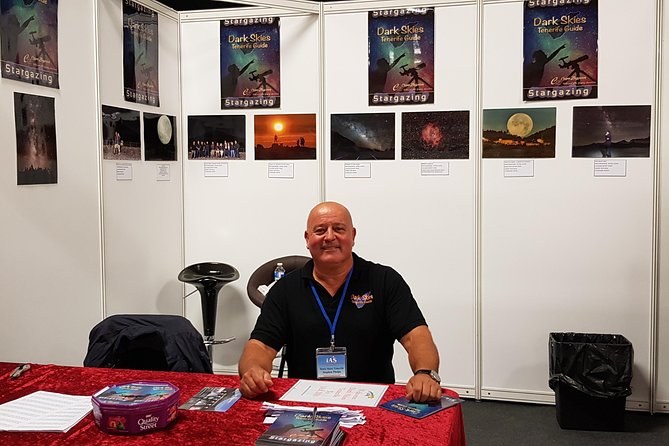
What makes this tour feel more educational than “sit and stare” is how they structure the learning. The laser pointers are used to connect the sky above you to the story the guide is telling. You’re not just hearing names; you’re being coached on where to look.
You’ll also hear about how to find key reference points and constellations—then you get the telescope view to confirm it. The combination is important. Without it, the sky can feel like random dots. With it, you start building a mental map fast.
I’ve had astronomy sessions where the guide talks and you feel like you’re missing the target. Here, the guide-led pointing plus the telescope viewing works as a feedback loop: you see it in the sky first, then you see it magnified. That makes the learning stick.
And yes, different guides have different styles. Reviews named guides like Jaime, Filipe, Phil, Alessandro, Stephen, Daniele, Marco, Mike, Danny, Steve, and Alex. That range usually signals one thing: the content stays focused, even as the delivery varies.

The Milky Way photos: a cool souvenir with one catch
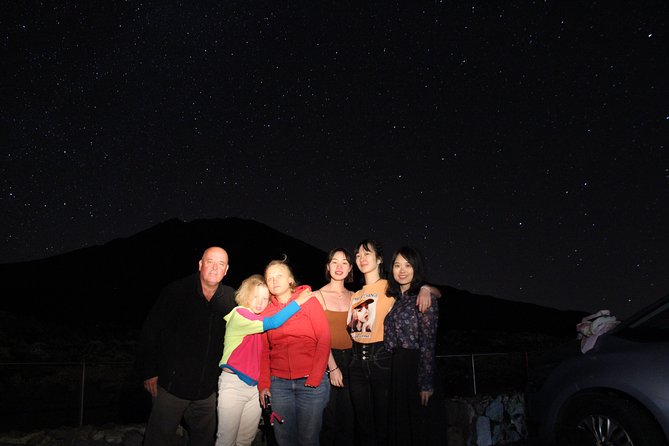
One of the nicest “you’ll be glad you did this” extras is the photo they take under the stars. They’ll individually photograph you using astrophotography techniques intended to capture the blanket of stars above you. You can download the images from their Facebook page afterward.
Here’s the catch: the high-resolution picture is not included. So if you’re hoping for a print-worthy, ultra-detailed file, plan on downloading what they provide and accepting that premium formats may cost extra (not stated as included).
Also, expect the photo moment to add time. A few reviews described it as taking a while because the group is worked through carefully. If you’re the type who wants to keep moving every minute, this is the one part that can feel slow. But if you want one genuinely Tenerife-looking nighttime memory, it’s a strong payoff.
What to wear and bring: cold Teide air is the real boss
Cold is not a small detail on this tour. People mention it again and again. Even when you pack warm clothes, the combination of altitude, wind, and nighttime air can hit harder than you expect.
I’d pack like this is winter, even if the day felt pleasant: thermal layers, a proper jacket, gloves if you run cold, and warm socks. In some situations, you can borrow warm jackets, but don’t count on that being enough if you show up underdressed.
Toilets are another practical issue. There are no facilities like bathrooms or shelters at these protected viewpoints, which is part of why the sky can be so good. One person even described crossing their legs by the end of the session. You don’t need to be dramatic—but you should plan.
Altitude can also affect you. One review mentioned altitude sickness and heavy ear pressure going down. If you know you’re sensitive to altitude, take it seriously and go easy.
Transport logistics that actually matter (pickup areas and movement)
Your pickup is designed for the South coast stretch between El Médano and Los Gigantes, and it generally avoids inland towns away from the main TF1 highway. It also notes that they do not pick up in Costa del Silencio, Las Galletas, and Palm-Mar (among other exclusions tied to municipality areas).
That means your hotel location really matters. Before you book, check that your exact hotel area is within the pickup zone they serve.
Also, this is not a dinner excursion. You can bring snacks to eat during the tour, but eating isn’t allowed in the buses. So if you’ll get hungry, pack something that won’t turn into a mess in your bag.
For the “why this matters” part: long pick-up routes can chew into your evening time. One review described traffic delays that stretched the ride. Private transport reduces the hassle of taxis, but it doesn’t magically erase traffic in busy resort corridors.
Price and value: what $72.59 buys you in real terms
At $72.59 per person, you’re paying for more than the telescope sticker price. You’re getting:
- Private transportation between a sunset viewpoint and a Teide-area stargazing location
- Telescope and tripod access (12-inch Dobsonian)
- A guided astronomy session with laser pointing and sky navigation help
- Alcoholic drinks included at sunset (cava) plus non-alcoholic alternatives
- Air-conditioned vehicle for the ride segments
Is it a “cheap and cheerful” outing? No. It’s priced like an experience that combines specialist equipment, a guided explanation, and night-operations logistics.
Where the value shows up is in the payoff: you’re not just looking at the sky—you’re learning how to find key points (like Polaris), you’re seeing planets and deep-sky targets when conditions allow, and you’re leaving with a professional-style star photo souvenir. For many people, that combination is worth the money, even if the sky is imperfect on the night you go.
Who should book this tour (and who might want a different plan)
This fits best if you:
- Want an astronomy-focused evening, not just a scenic sunset
- Like guided explanations and want to learn constellations and how to locate objects
- Enjoy small-group feel (it’s capped at 20 travelers)
- Plan to dress for cold and stand around for a while
It may not be ideal if you:
- Need frequent breaks or have limited mobility needs that make standing tough (viewpoints are outdoors, with limited amenities)
- Expect guaranteed planet-and-galaxy viewing every single time (weather and moon brightness decide what’s visible)
- Hate winter-cold night air and windy mountain viewpoints
Families can work well here. Reviews included a family who took a 5-year-old, and the tour allows children only above a minimum age rule (kids under 5 aren’t allowed; booster seats are used for kids older than roughly 6–7). So it can be family-friendly, as long as the child can handle the cold and the standing time.
Should you book Sunset and Stars at Teide National Park?
If you’re aiming for one memorable night that mixes scenery and real stargazing, I’d book this. The strongest reasons are practical: private transport, included sunset drinks, and a real 12-inch telescope experience with guided pointing. It’s also one of the better “value of effort” tours in Tenerife because you’re not doing any of the hard logistics yourself.
Before you go, align expectations. Bring warm clothes, plan for no bathroom/shelter comfort at the viewpoints, and accept that cloudy skies or a bright moon can reduce what you see. If you can handle that, you’ll likely come away with two things: a sense of wonder at the sky and a beginner’s roadmap for finding it again later.
FAQ
What’s the duration of Sunset and Stars at Teide National Park?
It’s about 4 hours 30 minutes.
Where does the pickup happen?
Pickup is from listed points in the South of Tenerife along the coast between El Médano and Los Gigantes. They do not pick up inland from the TF1 highway, and there are exclusions including Costa del Silencio, Las Galletas, and Palm-Mar.
Is the sunset drink included?
Yes. You get a glass of cava (or a non-alcoholic drink) at sunset.
Is stargazing equipment included?
Yes. The tour supplies telescopes and tripods for you to use, including a 12-inch Dobsonian telescope.
Is dinner included?
No. It’s not a dinner excursion. You can bring snacks, but eating isn’t allowed in the buses.
What if the weather is bad?
This experience requires good weather. If it’s canceled due to poor weather, you’ll be offered another date or a full refund.