REVIEW · TENERIFE
Private stargazing trip in Teide
Book on Viator →Operated by Stargazing 1242 · Bookable on Viator
Teide turns the night into a classroom. What makes this stargazing outing compelling is the way it runs like a guided lesson, from the first sky briefing to the moment you’re looking through 12-inch Dobsonian telescopes. You’ll get professional explanations using a screen and a laser, so you’re not just standing in the dark.
Two things I really like: the setup is serious—12-inch scopes with enough space for many people to see—plus you’ll get an experience powered by real astronomers, not generic scripts. And the night doesn’t end with looking through glass; an astropotographer uses a robotic telescope to capture images in real time, with free long-exposure photos and a souvenir photo included.
One thing to keep in mind: this experience is weather dependent. If conditions don’t cooperate, your night could be rescheduled or refunded, so plan to be flexible—especially since private transportation isn’t included and you’ll need to get to the meeting point.
In This Review
- Quick highlights before you book
- A night course in the sky, not just a peek through a scope
- 12-inch Dobson telescopes and the group size math
- The live astronomer show: screen + laser guidance
- Robotic telescope astrophotography in real time (and why it’s valuable)
- What to expect during the 2 hours (and how to pace yourself)
- Cold comfort at Teide: jackets and blankets actually help
- Meeting point reality: Paradores Cañadas del Teide
- Who this trip is perfect for
- Value check: what $29.52 covers (and what you’re paying for)
- The decision: should you book this Teide stargazing trip?
- FAQ
- What time does the stargazing trip run?
- Where do we meet for the Teide stargazing session?
- Is transportation included?
- What happens if the weather is bad?
- What’s included for the cold?
- How long is the experience?
Quick highlights before you book
- 12-inch Dobson telescopes, with one for every 10 people, so you’re not stuck waiting your turn
- Screen-led astronomy with laser pointing, to help you follow what you’re actually seeing
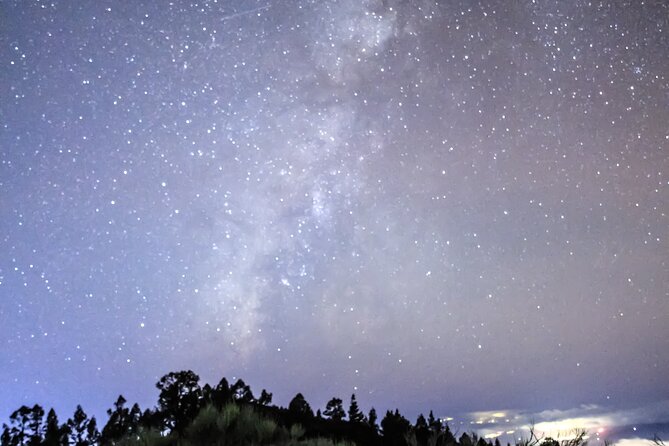
- Robotic telescope astrophotography capturing objects live, not just afterward
- Free long-exposure photos plus a souvenir photo you can keep
- Jackets or blankets provided for the cold, so you can focus on the sky
A night course in the sky, not just a peek through a scope
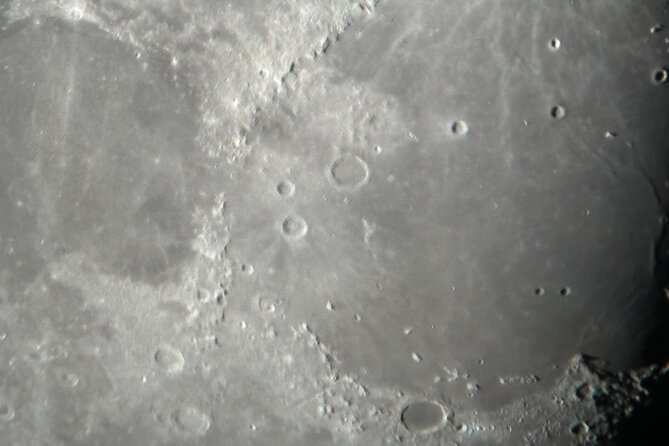
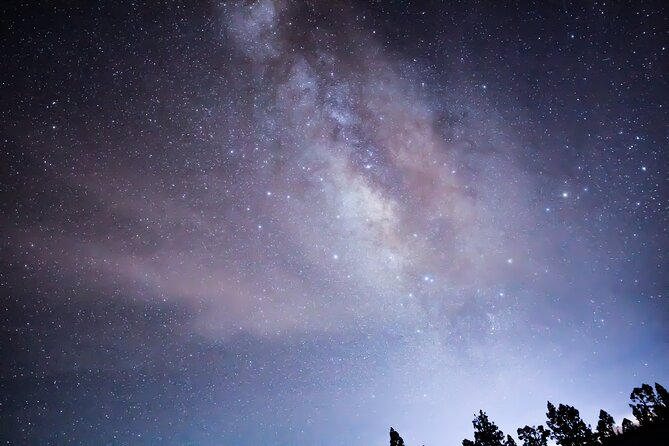
If you’ve ever done a stargazing tour where it’s mostly wait-and-whisper, this feels different right away. The flow here is built around astronomy from beginning to end. You start with an explanation by professional astronomers using a screen and a laser, which helps you connect the pattern you’re seeing to the object being discussed.
Then you move from talk to observation in a structured way. That matters because the “what am I looking at?” question can kill the magic on a dark night. With a guide pointing and explaining clearly, you’re more likely to recognize constellations and celestial targets as they come up.
And yes, there’s a practical side too: the laser and screen setup can help you get your bearings fast, even if astronomy is new to you. You won’t feel like you need previous knowledge to enjoy the hour.
You can also read our reviews of more private tours in Tenerife
12-inch Dobson telescopes and the group size math
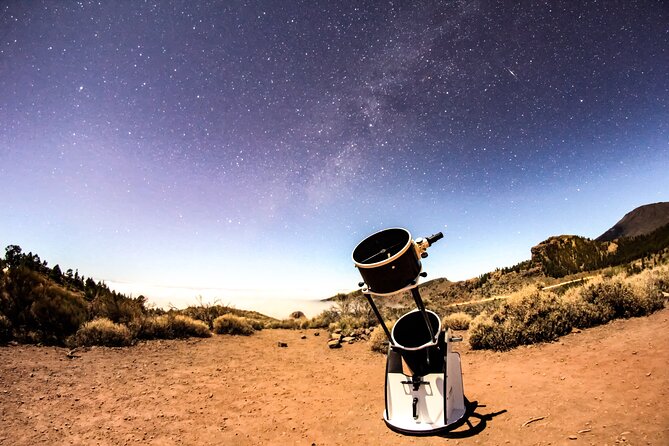
The heart of this trip is the equipment. You’ll be stargazing with 12-inch diameter Dobsonian telescopes, and the model is simple: one telescope for every 10 people. With a maximum group size of 30, that usually means you’re not fighting for attention in a packed crowd.
Why you’ll care: Dobsonian scopes are built to be sturdy and to gather light effectively for viewing targets. Even without going heavy on technical terms, a 12-inch scope is a meaningful size. It gives you a better shot at seeing faint details compared with small consumer telescopes.
The “one scope per 10 people” approach also tends to make the experience feel more personal. You can actually spend time looking, not just sprinting from target to target. If you like the idea of slowing down and letting your eyes adjust, this is a better match than a rapid-fire photo-and-move tour.
The live astronomer show: screen + laser guidance
The presentation uses two tools that help a lot: a screen and a laser. The screen keeps the explanations organized, while the laser gives you a visual anchor out in the dark. That combo is ideal for beginners because it reduces the guesswork.
In one place in the reviews, the guide name that came up was Samuel, and people praised his clear explanations and his friendly way of handling the group. Communication also sounded responsive, which is useful when you’re trying to plan your arrival at night.
Here’s what I’d suggest for your mindset: treat it like a guided talk you can watch as well as listen to. When the laser points, look where it lands before you try to focus through the telescope. That small habit usually makes the viewing portion click faster.
Robotic telescope astrophotography in real time (and why it’s valuable)
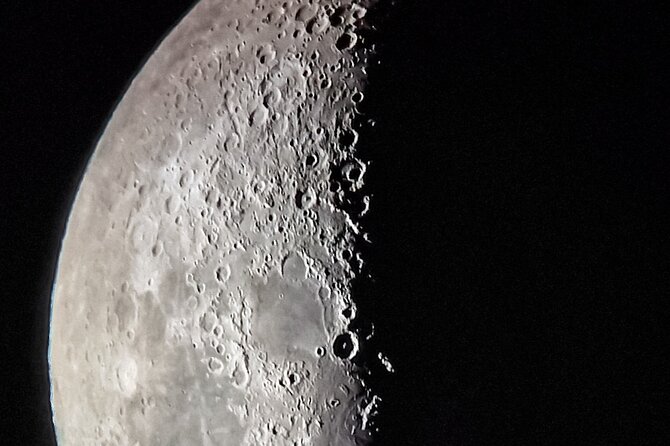
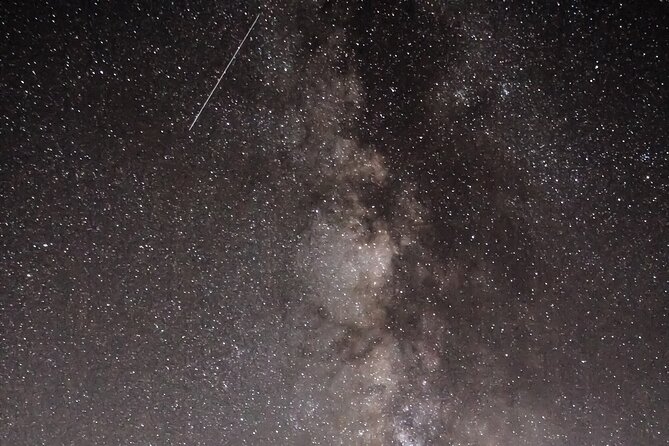
The best surprise in this experience is that you get more than visual observation—you also get photos made during the session. A specialized astropotographer takes photos in real time with a robotic telescope, capturing various celestial objects as the sky talk progresses.
This matters for value because it solves a common stargazing problem: getting great photos is hard. You need the right camera setup, patience, and timing. Even if you bring your own gear, night shots can be hit-or-miss. With the robotic telescope approach, you’re benefiting from someone else’s expertise while you focus on the sky.
What you receive:
- Free long exposure photos
- A free souvenir photo
I also like that this doesn’t feel like a bait-and-switch. You’re not just promised photos later—you’re told the photos are taken in real time with the robotic telescope. That usually makes the whole night feel more “captured,” even if you’re not the type who normally shoots astrophotography.
What to expect during the 2 hours (and how to pace yourself)
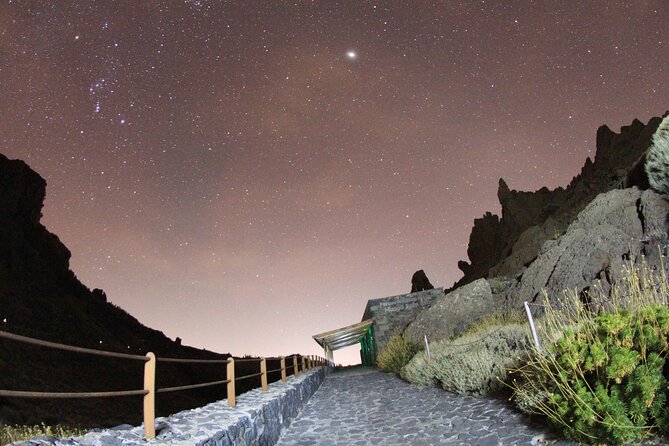
This trip runs about 2 hours. It’s scheduled for evenings, with the opening hours listed as Monday from 8:00 PM to 10:00 PM (for the date range shown). Since it’s a night experience, the timing is part of the experience: you’ll want to arrive ready to stay outside for stretches.
A typical pacing you can expect from the way it’s described:
- Start with the astronomer-led sky explanation using the screen and laser.
- Transition into telescope viewing with the Dobsonian equipment.
- Run the robotic telescope photo session alongside the viewing, so the night stays active.
- Wrap back at the meeting point.
Since you’re likely to move between listening, looking, and waiting a bit for the next target, bring a calm approach. The night goes smoother when you’re not rushing yourself.

Cold comfort at Teide: jackets and blankets actually help
Stargazing can be uncomfortable fast, even when the day is warm. The experience includes jackets or blankets for the cold, which is a big deal for comfort and for actually enjoying the show.
I’d still dress like you’ll be outside longer than you think. Even with jackets available, your hands and feet can get cold. Warm socks, a hat, and gloves (if you use them) can make a huge difference. If you’re the type who tucks your hands into sleeves, consider thicker layers so you don’t have to keep adjusting.
Also, if you get cold easily, try to stay seated when possible between telescope turns. The whole point is to keep your attention on the sky, not on your discomfort.
Meeting point reality: Paradores Cañadas del Teide
This starts at Paradores Cañadas del Teide (the provided coordinates are 6879+3G and 6879+3GJ). It also ends back at the same meeting point.
One important note: private transportation isn’t included. So you’ll want to plan your own way to the Paradores area before 8 PM. If you’re using a taxi or rideshare, give yourself extra buffer time for night driving and finding the exact meeting location.
And because this is a small-group experience (maximum 30), being late can quietly reduce your time. Show up early enough to settle in, get oriented, and get warm before the astronomer portion begins.
Who this trip is perfect for
This is a great fit if you want structured astronomy with real equipment and real instruction. It’s also a good choice if you care about keeping photos from the night without needing to master a camera.
Best match:
- Couples and small groups who want a focused night activity
- Beginners who want clear guidance using a screen and laser
- Anyone who wants telescope viewing plus free long-exposure photos
- People who appreciate a tour designed to keep you engaged for the full duration
The experience also states that most travelers can participate, and service animals are allowed. So it’s generally accessible from a participation standpoint, assuming you can manage outdoor time in the evening.
Value check: what $29.52 covers (and what you’re paying for)
At $29.52 per person, the price is low enough that you might wonder what’s included besides the telescopes. Here’s the value logic as I see it:
You’re getting:
- Professional astronomers with screen + laser explanation
- 12-inch Dobsonian telescopes used for viewing
- A specialized astropotographer running a robotic telescope
- Free long exposure photos and a free souvenir photo
- Jackets or blankets to handle cold
If you’ve ever paid for a standard guided stargazing event, the difference is the combination. Many tours offer one or the other—either the talk, or the telescope experience, or photos. This blends all of them in one package. You’re paying for the equipment time and the expertise to translate the sky into something you can actually see and understand.
Two cautions on value:
- Since private transportation isn’t included, your total cost might be higher if you need to get there by taxi or car.
- The experience depends on weather. If conditions are poor, you may need to switch dates (or get a refund), which can affect how much value you feel from the initial purchase.
The decision: should you book this Teide stargazing trip?
I’d book it if you want a night that’s both educational and visual—plus you want photos you didn’t have to fight for. The 12-inch Dobsonian setup, the screen-and-laser astronomer presentation, and the robotic astrophotography with free long-exposure results make this feel like a complete stargazing package, not a half-hour show.
I’d think twice if you’re not flexible with weather or you strongly prefer tours where transportation is handled for you. Also, if cold outdoors is a dealbreaker, plan to use the provided jackets/blankets and dress for it anyway.
If you fit the target audience, this is one of those Tenerife activities where your evening stays focused from start to finish—and you leave with more than memories.
FAQ
What time does the stargazing trip run?
The listed opening hours show Monday from 8:00 PM to 10:00 PM.
Where do we meet for the Teide stargazing session?
You meet at Paradores Cañadas del Teide, with the provided coordinates (6879+3G and 6879+3GJ). The experience ends back at the meeting point.
Is transportation included?
No. Private transportation is not included.
What happens if the weather is bad?
The experience requires good weather. If it’s canceled due to poor weather, you’ll be offered a different date or a full refund.
What’s included for the cold?
Jackets or blankets are provided for the cold.
How long is the experience?
It’s about 2 hours (approx.). The maximum group size is 30 travelers.