REVIEW · TENERIFE
PADI ReActivate, Refresh your scuba skills!
Book on Viator →Operated by Scubanana Dive Center · Bookable on Viator
Going back into the water can feel awkward. That’s exactly why this PADI ReActivate course in Radazul works so well. You get a structured skills refresh with an instructor right there with you, in a small group capped at eight, and you’re back practicing sooner than you expect.
I especially like how the center is built around easy access from shore in Tenerife’s harbor area. One diver even called Radazul ideal for getting reactivated because it’s close to the water and there’s plenty to see under the surface. The other big win is the teaching style: instructors like Benjamin, Paulina, Pedro, and Laura were repeatedly praised for being patient, safety-focused, and practical about equipment.
One consideration: you do need to be a certified diver and physically able to dive, and this session is a refresher (not a way to earn a new certification).
In This Review
- Key things I’d watch for before you book
- Radazul ReActivate at Scubanana: why this location makes sense
- What the 4 hours usually feels like (and what you’ll actually work on)
- The underwater setting: harbor area practice and what nearby sites can add
- Instruction you can relax into: patient coaching and safety-first habits
- Gear, learning material, and scuba insurance: what’s covered in the $155
- Timing, fitness, and flight reality checks (so you don’t over-plan)
- Where this course fits best: who should book it
- Price and logistics: is $155 a fair deal?
- Should you book PADI ReActivate in Radazul?
- FAQ
- Do I need to be a certified diver?
- Where do I meet, and what time does it start?
- How long is the PADI ReActivate experience?
- Is the course offered in English, and how big is the group?
- What’s included in the $155 price?
- What’s not included?
- Can I fly soon after the course?
- What’s the cancellation policy?
Key things I’d watch for before you book
- Small group cap of 8 so you’re not stuck guessing during skills practice
- Instructor with you throughout, with safety and equipment operation emphasized
- Gear and scuba insurance included, plus the official learning material
- Radazul’s harbor access makes getting back in the water feel straightforward
- You’re paying for reacquainting skills, not photos or a new certification
Radazul ReActivate at Scubanana: why this location makes sense
Tenerife is a friendly place to get your scuba rhythm back, and Radazul has a practical advantage: you’re not dealing with a complicated day of travel to reach the water. The course is based at Scubanana in Puerto Deportivo, Radazul, and you start from there at 9:00 am. That matters because reacclimating to gear, breathing rhythm, and comfort in the water goes better when you’re not rushing.
What I like about this setup is the “less hassle” vibe. You’re near public transportation, you meet at a clear, local point, and the activity ends back at the same place. Even if you’re returning after a long pause, you avoid extra stress that can turn a refresher course into a mental workout.
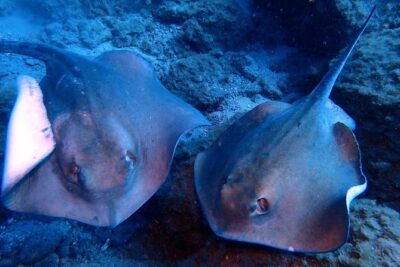
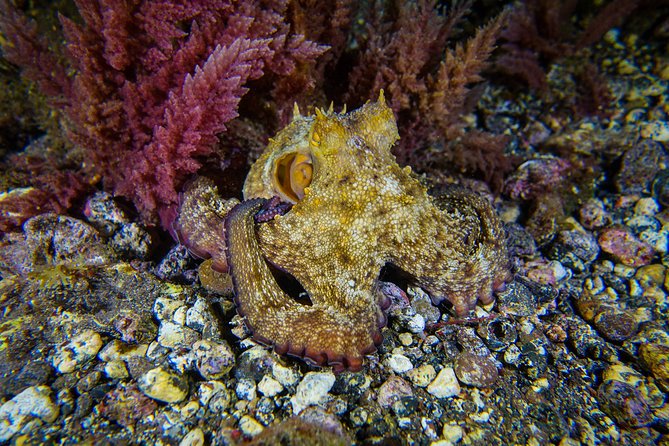
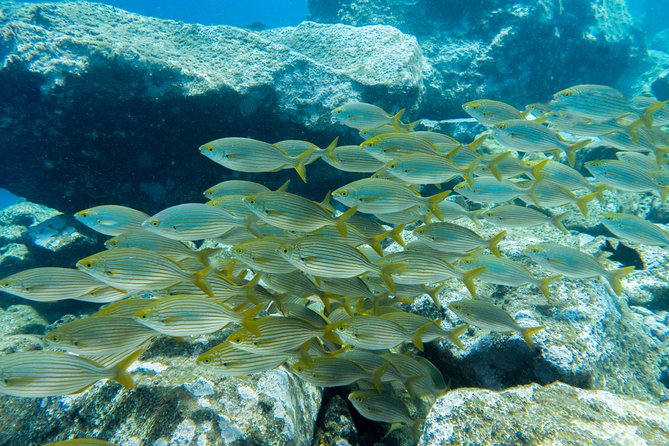
Radazul also gets mentioned for the visuals. People describe solid variety of fish and a lively harbor/near-harbor setting that’s easy to access from shore. That combination is perfect for a refresher: you get practical practice time, and you also get rewards fast.
And the course itself is the big anchor. PADI ReActivate is designed for certified divers who feel rusty, out of practice, or just not confident anymore. If that’s you, you’ll like that the program is built to polish skills instead of throwing you into random chaos.
You can also read our reviews of more scuba diving tours in Tenerife
What the 4 hours usually feels like (and what you’ll actually work on)
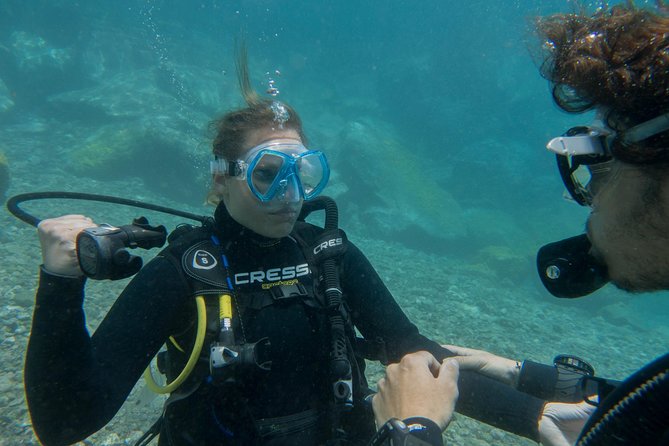
The experience is listed at about 4 hours, and the whole point is getting you comfortable again in one day. You’ll be going through the refresher process with an instructor who stays with you the whole time, which is reassuring if you’re returning after a break.
From the details provided, here’s what you should expect your time to include:
- Reviewing key knowledge and procedures so you don’t “guess” underwater
- Practicing skills with real support, not just a quick demo
- Getting help with correct equipment assembly and operation, which is huge when you haven’t used the gear in a while
- Using the official learning material as part of the process
One diver described their refresher as close to personal instruction (even 1-on-1 in that case). That lines up with the center’s maximum of eight travelers: fewer people usually means you can slow down, repeat what you need, and get answers without feeling rushed.
I also like that the course includes diving insurance and gear. When you’re reacquainting yourself with breathing, buoyancy control (the concept, not the fancy talk), and comfort, the last thing you want is to hunt down rentals or worry about what’s covered.
Practical note: you have to be physically in good condition to dive, and you should have moderate physical fitness. You’re not signing up for a marathon, but you are doing hands-on practice in a water environment—so listen to the reality of your body before you commit.
The underwater setting: harbor area practice and what nearby sites can add
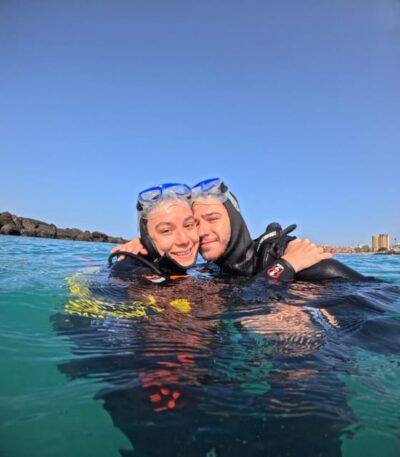
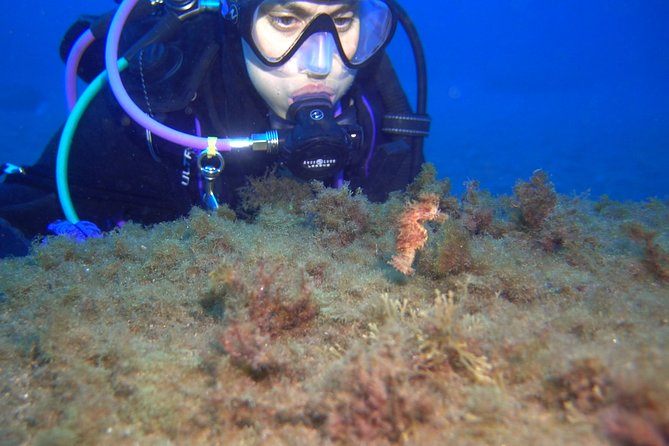
The course is built for reacquisition of skills close to home base. People highlight a location next to the harbor where the view and fish life can be excellent. There’s also a recurring theme of shore access being easy, so you’re spending less energy on logistics and more time on learning.
Now, the course itself is one day (about four hours), but many divers extend their stay with additional underwater sessions. If you’re thinking about doing that, here’s what you should know based on what’s been shared:
- One diver combined the refresher with additional outings and reported a first session close to the harbor with a lot of fish variety pointed out by their instructor.
- Another diver mentioned a wreck option nearby where some parts were around 30 m, and they added that it may not suit everyone.
That wreck detail is useful. It tells me the center’s range includes deeper or more technical-looking environments, but you’ll want to match it to your comfort level and what your refresher has done for you. If your confidence is still shaky after the first day, you’ll likely prefer the simpler, closer-to-shore practice zone first.
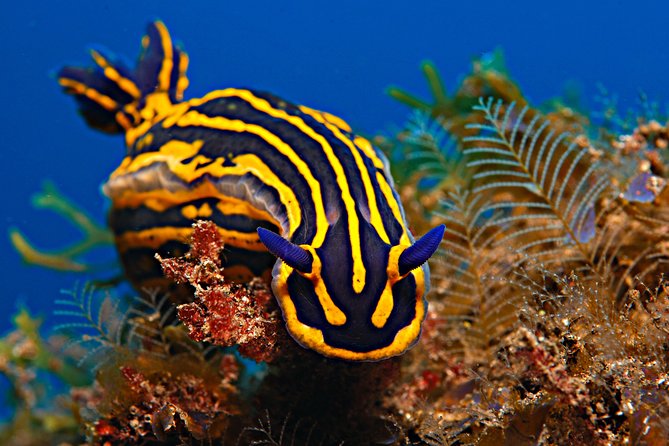
What’s consistent across the stories is that instructors help you “see” the underwater world, not just complete exercises. People mentioned fish variety and that instructors pointed things out. That’s a big morale boost on a day that can otherwise feel purely instructional.
Instruction you can relax into: patient coaching and safety-first habits
For a refresher course, the instructor’s personality can make or break the day. The feedback here is unusually consistent: people praised the staff for patience and for focusing on safety in a common-sense way.
I saw repeated praise for specific instructors:
- Benjamin was described as thorough, patient, and helpful, especially for someone returning after a 15-year break.
- Paulina earned high praise for professionalism and knowledge, and for helping someone work through fear with guidance.
- Pedro was highlighted for excellent English and a safety emphasis grounded in practical thinking.
- Laura was described as helpful and as someone who showed many fish during the sessions.
That combination—clear English, calm teaching, safety emphasis, and hands-on help—matters more than any marketing line. When you’re rebuilding confidence, you don’t need bravado. You need someone who will slow you down when you rush, explain why things matter, and correct your gear use before it becomes a problem underwater.
Also, I like that equipment operation gets attention. Reacquiring muscle memory is one thing, but fixing the small setup mistakes (even ones you think are minor) is what helps you feel safe faster.
Gear, learning material, and scuba insurance: what’s covered in the $155
The price is $155 per person and, importantly, it’s not just a lesson with you carrying everything. Included are:
- Local taxes
- A diving instructor
- Scuba gear
- Scuba insurance
- Learning material
Excluded:
- Photos
- New certification
From a value standpoint, what you should take away is that you’re buying the full “reset” package. If you need the gear anyway, paying for it separately can quietly add up. Having it included reduces friction, especially on a short four-hour day.
The learning material also signals this isn’t purely a surface-level refresher. You’ll have something structured to reference while your instructor helps you correct and repeat procedures.
And the “no new certification” note is actually good news if you’re on a refresher mission. You’re paying for getting back to comfortable and competent, not for paperwork you might not need. If you do want a certification upgrade, you’ll need a different program.
One more detail: the booking includes a mobile ticket, and you receive confirmation at booking time. That’s a small thing, but it helps when you’re juggling travel plans and timing.


Timing, fitness, and flight reality checks (so you don’t over-plan)
The course starts at 9:00 am and runs for about four hours. That’s a workable window for a vacation day, especially if you’re also planning other Tenerife activities.
But read the restriction carefully: you should not be in the water within 12 hours of a flight. That’s a practical rule, and it’s there for a reason. If your itinerary is flight-heavy, build a buffer day or keep your departure time flexible so you’re not forced into a last-minute scramble.
You also need to be certified, and you should be physically able to dive. The activity notes a moderate physical fitness level, which tells me this isn’t an extreme workout, but it also isn’t a pure classroom session. You’ll be handling equipment and doing underwater practice tasks.
Where this course fits best: who should book it
This is a “yes, this makes sense” option if:
- You’re a certified diver but you haven’t been in the water for a while
- You’re feeling rusty and want your confidence back fast
- You want an instructor to handle the safety and the corrections while you rebuild comfort
- You like the idea of a small group rather than feeling lost with too many people
It may be less ideal if:
- You aren’t comfortable physically or mentally with getting back into an underwater environment
- You need photos or a new certification as part of the same day (those aren’t included)
- Your schedule doesn’t allow for the 12-hour flight restriction
I’d also point out something subtle: the center seems to do well with fear and long breaks. One diver explicitly mentioned overcoming fear with Paulina’s help. If you’re nervous, that’s a clue you might want the structure and reassurance a program like this offers.
Price and logistics: is $155 a fair deal?
For $155 over about four hours, you’re getting a lot included: instructor time, gear, scuba insurance, learning material, and local taxes. You’re also not spending time or money trying to assemble rental logistics, since equipment is provided.
Value here isn’t just the total price. It’s the reduction of uncertainty. When you haven’t used your gear in a while, the big problem is usually not the underwater scenery—it’s whether you can operate your equipment confidently and follow procedures smoothly. This course is aimed directly at that, and the structure plus safety focus is what you’re paying for.
If you were to book gear rentals, insurance, and private coaching separately, you’d likely spend more and risk mismatched timing. This package style keeps the day simple, which is especially useful when you’re reacclimating.
Should you book PADI ReActivate in Radazul?
If you’re certified and you feel out of practice, I think you should book this. The biggest reasons are practical: small group size, instructor support throughout, gear and insurance included, and a Radazul setting that’s easy to reach and rewarding fast.
I’d say you should pass only if you’re uncertain about meeting the certified-diver and physical-condition requirements, or if your itinerary makes the 12-hour pre-flight rule hard to follow. Otherwise, this is a smart way to trade worry for real practice in one day—and leave Tenerife ready to enjoy the underwater world again.
FAQ
Do I need to be a certified diver?
Yes. This activity is only for certified divers.
Where do I meet, and what time does it start?
You start at the Scubanana center at Puerto Deportivo, Av. Colón, nº1, 38109 Radazul, Santa Cruz de Tenerife, Spain. The start time is 9:00 am, and the activity ends back at the meeting point.
How long is the PADI ReActivate experience?
It runs for about 4 hours.
Is the course offered in English, and how big is the group?
It’s offered in English. The activity has a maximum of 8 travelers.
What’s included in the $155 price?
The price includes local taxes, a diving instructor, scuba gear, scuba insurance, and learning material.
What’s not included?
Photos are not included, and the course does not provide a new certification.
Can I fly soon after the course?
You should not be in the water within 12 hours of a flight.
What’s the cancellation policy?
You can cancel for a full refund if you cancel at least 24 hours in advance of the experience start time. Changes made less than 24 hours before the start aren’t accepted.