REVIEW · TENERIFE
Costa Adeje | Cetacean sighting in Tenerife South
Book on Viator →Operated by Atlantic Eco Experience · Bookable on Viator
Tenerife’s whales sound like ghosts. This small-group cetacean cruise (max 10) pairs a biologist guide with real-time sightings off the South coast, often with whalesong you can actually hear via hydrophone. With David on board and captains like Mirna or Claudine, you get science you can follow, not a generic script.
What I like most is the respectful approach: during the sighting, the boat’s engines are switched off to reduce disturbance, and you’re taught what to look for in whale behavior. The second big win is how interactive it feels in a tiny boat, so you’re closer to the action without feeling packed in like on the huge tourist boats.
One consideration: the water can be rough in Tenerife sometimes, and seasickness is real. If you’re prone to motion sickness, plan ahead and consider taking medication before you go (the tour is only 2.5 hours, but the ride can still be enough to upset your stomach).
In This Review
- Key Things That Make This Cetacean Cruise Worth Your Time
- Boarding in Costa Adeje: Papacho 2, Small Groups, and Easy Found-You Logistics
- The Whale-Listening Moment: Hydrophone + Engine-Off Sighting Time
- The Biologist Guide Role: Turning What You See Into Conservation Sense
- What You Might Spot Off Tenerife South (and What Those Species Mean)
- Why This Tour Feels Better Than Big Whale-Watching Boats
- Price and Value: What $71.35 Buys You in Real Experience
- Practical Tips for a Smooth 2.5 Hours at Sea
- Who Should Book This Eco Cetacean Sighting Tour (and Who Might Hesitate)
- Should You Book Atlantic Eco Experience in Tenerife?
- FAQ
- Where does the tour start in Costa Adeje?
- How long is the cetacean sighting tour?
- What boat do they use?
- How many people are on the boat?
- Is the tour offered in English?
- Do they use a hydrophone?
- Do they turn off the boat’s engines during sightings?
- What can you expect to see?
- What happens if weather is poor?
- Can I get a full refund if I cancel?
Key Things That Make This Cetacean Cruise Worth Your Time
- Max 10 passengers for better viewing and real conversation with the biologist
- Hydrophone whalesong so you can hear whale communication during the sighting
- Engines switched off while they listen and observe to avoid disturbing marine life
- Respect-first approach that prioritizes animal space and natural behavior
- You may spot more than whales, including dolphins, porpoises, sea turtles, and seabirds
- Small-boat comfort extras, like restroom access below deck and a cold drink near the end
Boarding in Costa Adeje: Papacho 2, Small Groups, and Easy Found-You Logistics
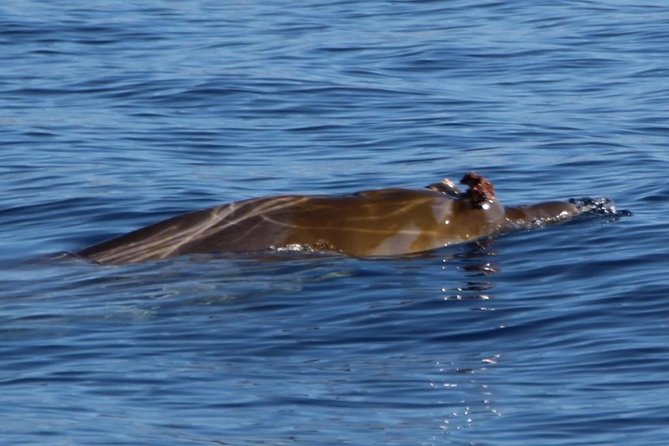
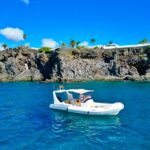
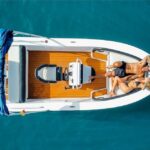
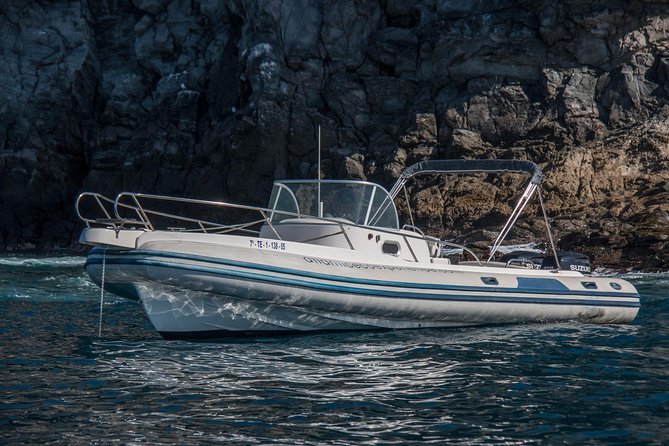
You meet at Av. de Colón, 4, 38660 Costa Adeje, Tenerife (then you return there at the end). The tour runs about 2 hours 30 minutes, and it sails on the boat Papacho 2, limited to ten passengers total. That small headcount matters more than you’d think, because whale encounters aren’t just about who sees first—they’re about how close, how calm, and how much time you’re allowed to watch.
In practice, a tight group also means your biologist guide can pace the explanations around what’s happening on the water. When you’re not fighting for elbow space, you can actually keep your eyes on the surface, then switch to the guide’s pointers without missing the moment.
This is an English-offered experience, and you’ll get a mobile ticket. If you’re trying to plan around schedules in Costa Adeje, this length (2.5 hours) is a good size for a half-day activity.
You can also read our reviews of more tours and experiences in Tenerife.

The Whale-Listening Moment: Hydrophone + Engine-Off Sighting Time
This is the part that turns a normal sighting into something memorable: the tour uses a hydrophone during the cruise to listen to whale sounds. You’ll hear communication and hunting-related sounds (and even if you don’t know what you’re hearing at first, the guide helps you interpret it).
Just as important, during sightings the crew switches off the boat’s engines. That’s not a small detail. It’s the difference between hearing animals (and noticing how they behave) versus mostly hearing a motor and waiting for the whales to tolerate the noise.
Think of it like this: whales are already doing their own work—calling, moving, searching, and surfacing on a schedule only they control. When the boat goes quiet, you can better read the animals’ rhythm.
The Biologist Guide Role: Turning What You See Into Conservation Sense
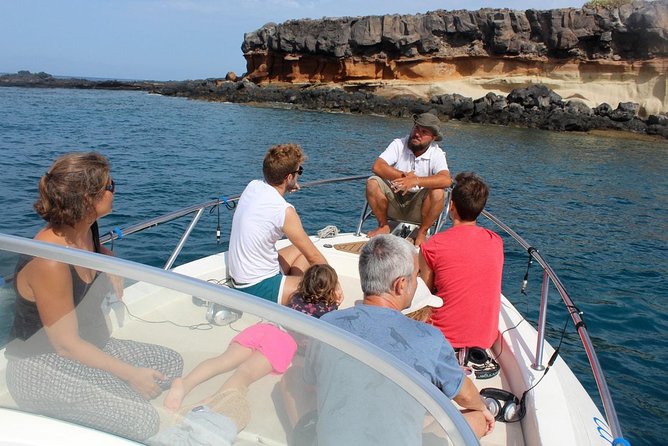
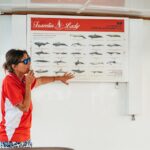
This tour isn’t only about spotting wildlife. It’s built around an onboard biologist who explains the fauna you might find and the keys to conservation.
In a setting like this—where you can approach groups of cetaceans without interfering—the science lesson lands differently. You’re not studying whales from a screen. You’re seeing behavior in real time, then learning what’s behind it. That’s why small-group format helps: you can ask questions, and the guide can adjust explanations to what’s currently visible.
Conservation is part of the message, and you’ll feel it in the way the crew conducts the tour. Their goal isn’t to chase animals for photos. It’s to watch them with respect and give both you and the animals room to behave naturally.
What You Might Spot Off Tenerife South (and What Those Species Mean)
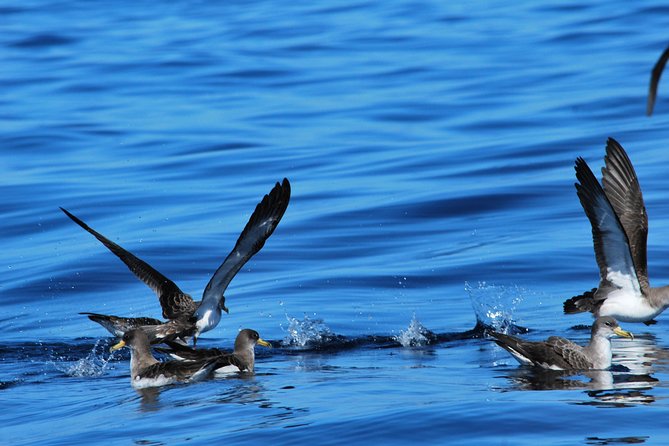
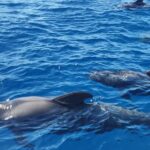
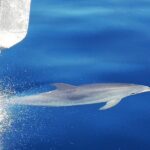
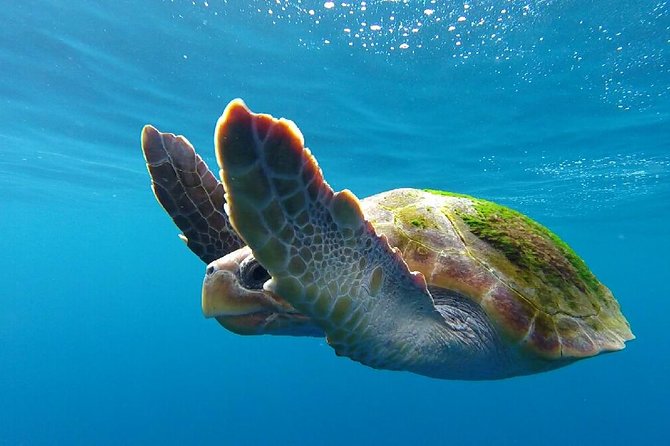
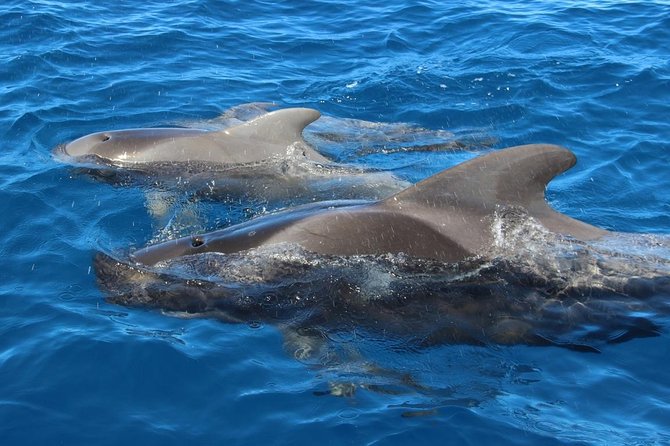
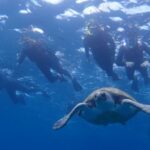
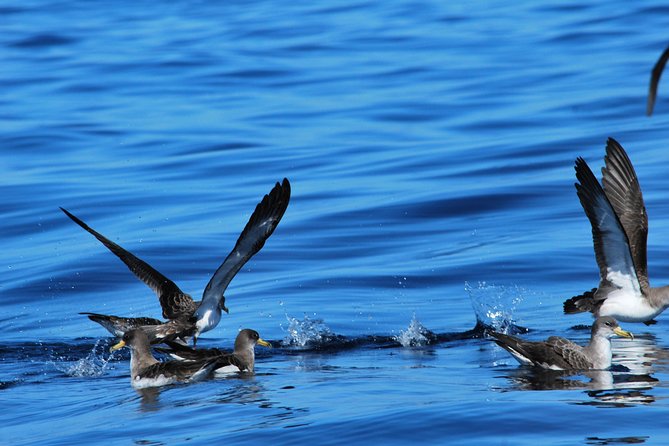
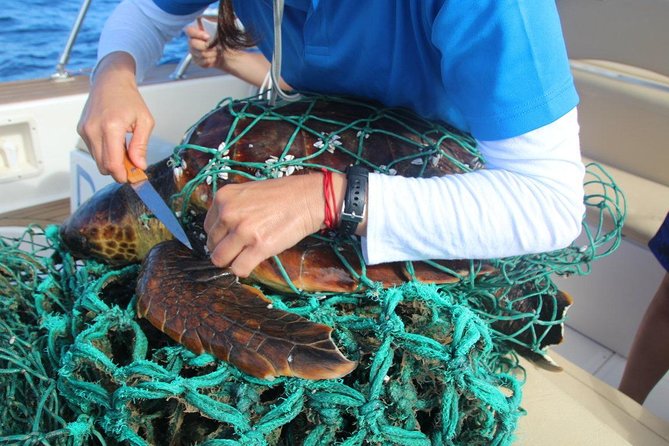
The highlights are clear: keep your eyes open for whales, dolphins, and porpoises. The tour also mentions you may encounter sea turtles and seabirds. That matches the sort of mix you’d hope for on Tenerife South waters, where you can get both deep-diving cetacean sightings and surface activity from other marine life.
Based on the experience style of this operator, the encounters tend to be about observing multiple groups rather than one fast hit. In the past, people have reported seeing pilot whales and different dolphin species, along with sea turtles and seabirds. A few sightings have also included larger cetaceans beyond the core list, but the reliable promise here is that the crew actively looks and adjusts to what’s present.
One more practical point: sightings can vary day to day, and marine life doesn’t follow calendars. The best mindset is flexible. If whales aren’t cooperating immediately, a respectful crew still makes use of the time—watching the water, repositioning quietly, and staying aware of where cetaceans are likely to appear.
Why This Tour Feels Better Than Big Whale-Watching Boats
If you’ve ever done a large cruise, you know the tradeoff. Big boats can mean big crowds, then everyone tries to look around the same few windows. That’s when the experience starts to feel like sightseeing traffic.
This one keeps things intimate. Reviews repeatedly point to the small boat size and the fact that it feels easier to see animals without constant jostling. With a tiny group, the crew can maneuver more smoothly around what the animals are doing, and you often spend more time simply floating and watching rather than being pushed from one stop to the next.
You’ll also notice the vibe: there’s no loud party energy. The focus stays on quiet observation, listening with the hydrophone, and letting the animals come to the surface on their own terms.
Price and Value: What $71.35 Buys You in Real Experience
At about $71.35 per person for roughly 2.5 hours, this is not the cheapest option in Costa Adeje. But whale tours vary a lot in what you get for that money.
Here, you’re paying for:
- a small group (max 10)
- a biologist guide giving on-the-water context
- hydrophone listening time
- an engine-off approach during the sighting
- a conservation-minded operator focused on animal space
The value isn’t only “did you see whales?” It’s whether you understood what you were seeing and got a viewing setup that doesn’t stress wildlife. If you care about that side of animal watching, the price starts to make sense.
If you’re the type who wants nightlife, drinks, and big-deck entertainment, this isn’t designed for that. It’s designed for wildlife observation and learning, and the crew’s attention stays on the ocean.
Practical Tips for a Smooth 2.5 Hours at Sea
Tenerife sun is strong, even when you’re out on the water. Bring sun protection: hat, sunglasses, sunscreen, and water. The heat can hit fast because you’re exposed and moving.
If you’re sensitive to motion sickness, plan for it. One report even mentioned taking medication and still feeling unwell, so I’d treat this as serious. Consider asking about appropriate tablets before you go, and give yourself time to take them early rather than at the last second.
Comfort details also help. The tour includes restroom access below deck, and many people appreciate the cold drink offered later in the trip. If you’re camera-ready, you might be able to get professional photo sharing after the experience through messaging apps, depending on how the crew runs it that day.
Who Should Book This Eco Cetacean Sighting Tour (and Who Might Hesitate)
This tour fits best if you want an animal-focused outing where your experience isn’t drowned out by crowds. It also works well for mixed-age groups; people have described bringing kids and having the full 2.5 hours stay engaging.
You might hesitate if:
- you can’t handle choppy water, even with medication
- you want a high-energy party-style atmosphere
- you’re arriving with zero flexibility (marine sightings can shift with conditions)
If you’re coming for respectful, science-led cetacean viewing with a hydrophone moment, this is the kind of tour that tends to satisfy people who hate the feel of mass tourism.
Should You Book Atlantic Eco Experience in Tenerife?
If whale watching in Tenerife is on your list, I think this is a smart pick—mainly because of the small group, the hydrophone, and the engine-off approach. You’re not just hoping for a sighting. You’re set up to learn from the sighting and hear the animals, too.
Book it if you can bring sun protection and you can handle the sea. If you’re very prone to seasickness, go in prepared and consider timing your trip for the calmest part of your day.
FAQ
Where does the tour start in Costa Adeje?
The meeting point is Av. de Colón, 4, 38660 Costa Adeje, Santa Cruz de Tenerife, Spain. The activity ends back at the same meeting point.
How long is the cetacean sighting tour?
It runs about 2 hours 30 minutes (approx.).
What boat do they use?
The tour is on a boat called Papacho 2.
How many people are on the boat?
It has a maximum of 10 travelers.
Is the tour offered in English?
Yes, the experience is offered in English.
Do they use a hydrophone?
Yes. During the tour, a hydrophone is used so you can listen to the sounds whales and other animals use to communicate or hunt.
Do they turn off the boat’s engines during sightings?
Yes. During the sighting, the boat’s engines are switched off to avoid disturbing the animals.
What can you expect to see?
The highlights include whales, dolphins, and porpoises, and the experience may also include sea turtles and seabirds.
What happens if weather is poor?
This experience requires good weather. If it’s canceled due to poor weather, you’ll be offered a different date or a full refund.
Can I get a full refund if I cancel?
Yes. Free cancellation is available up to 24 hours in advance for a full refund.