REVIEW · TENERIFE
Whale Watching and Marine Science Tour
Book on Viator →Operated by BIOSEAN Whale Watching and Marine Science · Bookable on Viator
Tenerife’s sea has a way of turning science into real wonder. This marine science + whale watching trip keeps the group to just 10 people and pairs wildlife spotting with hands-on audio tools that help you understand what you’re hearing.
Two things I especially like: you go with a marine biologist guide and you get to use equipment like a hydrophone and sound recorder, not just watch from the rail. I also like the smart pacing, with short stops for scenery and then focused time looking and listening for whales and dolphins.
One thing to consider: this is weather-dependent. If the sea or sky doesn’t cooperate, the tour can be changed or refunded, so keep some flexibility in your schedule.
In This Review
- Biosean’s Small-Group Boat Trip From Las Galletas
- Marine Science Tools Change How You Listen
- On the Route: Rasca Lighthouse and Malpaís de Rasca Volcanic Views
- Teide on the Horizon When Conditions Are Right
- Wildlife Watching With Real Respect (Not a Noise Contest)
- Hands-On Science Time: Hydrophone, Sound Recorder, and Questions
- What You Get for $90.70: Value in Time and Attention
- Practical Tips: What to Bring and What’s Missing
- Who This Trip Fits Best
- Should You Book Biosean Whale Watching and Marine Science?
- FAQ
- How long is the whale watching and marine science tour in Tenerife?
- What is the price per person?
- How many people are on the boat?
- What language is the tour offered in?
- What’s included in the price?
- What is not included?
- Where does the tour start?
- What happens if the weather is bad?
Biosean’s Small-Group Boat Trip From Las Galletas
You start from Marina del Sur in Las Galletas (Biosean – Whale watching & marine science, Pantalán 4). It’s a practical pick if you’re staying in the south, and it’s near public transportation, which makes it easier to build into a day without a lot of hassle.
The big selling point is the cap of 10 participants max. That’s not just a comfort thing. It also means the biologist can actually hear your questions, and you’re more likely to get clear answers instead of a one-way lecture.
Language is English, and you’ll receive confirmation at booking time, so you can plan with confidence. You’ll also use a mobile ticket, which keeps things simple on your phone.
Marine Science Tools Change How You Listen
Most whale watches are mostly about sight. This one adds sound science, and that’s where it gets fun.
You’ll travel with a marine biologist guide who explains what you’re seeing and what you might be missing. And during the trip you’ll get hands-on with tools that turn the ocean into data. Expect access to a hydrophone and a sound recorder, so you can hear marine communication and get a more grounded feel for how scientists study whales and dolphins.
In plain terms: when you listen using the underwater microphone, the trip stops being only visual entertainment. It becomes a learning moment with real-world equipment. In past outings, people have talked about hearing communication from pod activity through the hydrophone, and even about the guides’ respect for animals and environment while sharing what they know.
Guides mentioned by name in feedback include Raoul, Misa, and Nico. The common thread is that they explain clearly and keep the focus on the animals rather than turning the boat into a stage.
You can also read our reviews of more whale watching tours in Tenerife


On the Route: Rasca Lighthouse and Malpaís de Rasca Volcanic Views
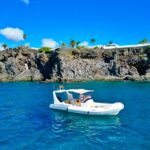
Before you get fully into wildlife time, you’ll pass by Tenerife’s southernmost point area. The route includes the Rasca lighthouse and a look at volcanic formations in the protected area called Malpaís de Rasca.
Why this matters: even if you’re mainly there for whales, the start gives you context. The coastline here is shaped by volcanic activity, and that’s part of why the marine area can feel so alive. You get a sense of where you are in the island’s story before the sea action begins.
If the day is clear, this stretch also helps you spot the best direction to watch from once you’re out on the water. The timing feels like it’s designed to keep energy up while avoiding a long wait with nothing happening.
Teide on the Horizon When Conditions Are Right
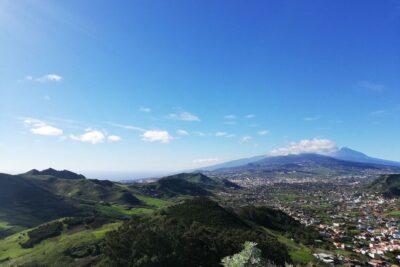
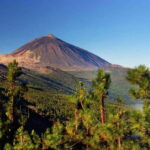
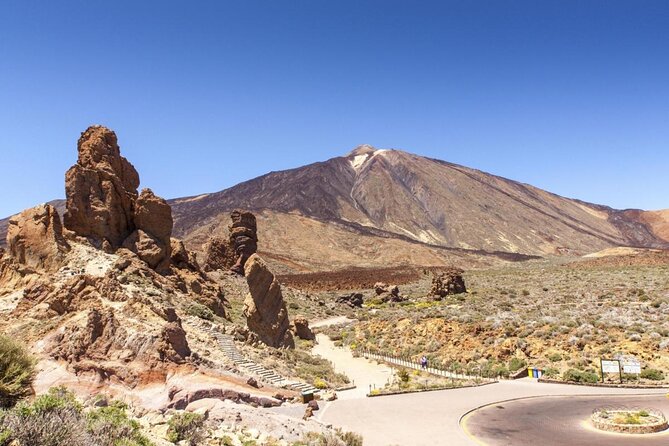
Another nice element is the view of El Teide Volcano when skies are clear. This isn’t a guaranteed postcard moment, but it’s a great bonus if weather cooperates.
I like this kind of add-on because it keeps the trip from feeling like one long chase. You get a physical sense of Tenerife’s scale and geography, then you shift back into marine spotting.
Also, it’s a helpful reminder for planning your day: if your schedule allows, aim for the weather window you actually get. On the day, you’ll be glad the itinerary includes both scenery and science.
Wildlife Watching With Real Respect (Not a Noise Contest)
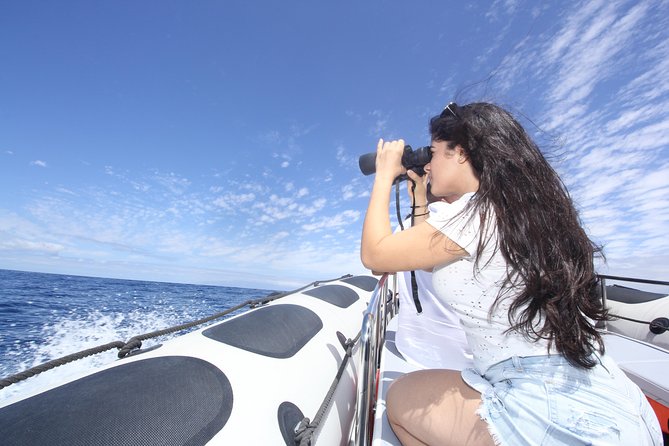
The core activity is whale and dolphin watching, with the marine biologist guiding you while you search for animals in their habitat. The trip is set up so you can keep asking questions, and the small group size supports that.
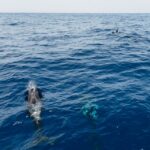
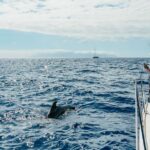
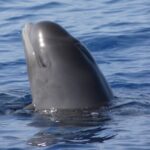
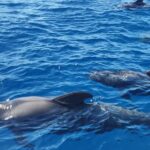
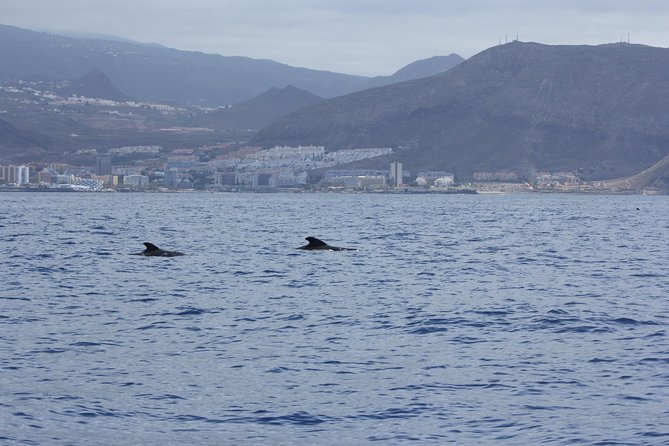
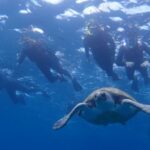
In feedback from previous trips, people describe seeing multiple kinds of cetaceans such as pilot whales and bottlenose dolphins, and also other sightings like dolphins and even a turtle in some outings. You might also hear about observations like sharks (for example, hammerhead-type sightings) and other marine life when conditions line up.
The point isn’t to promise any specific animal every time. The point is that the guide’s job is to help you read the ocean in a way you can understand. With the hydrophone and sound recorder, you’re not just waiting for a splash. You’re learning how scientists and trained observers connect animal behavior to what the ocean carries to the surface.
Hands-On Science Time: Hydrophone, Sound Recorder, and Questions
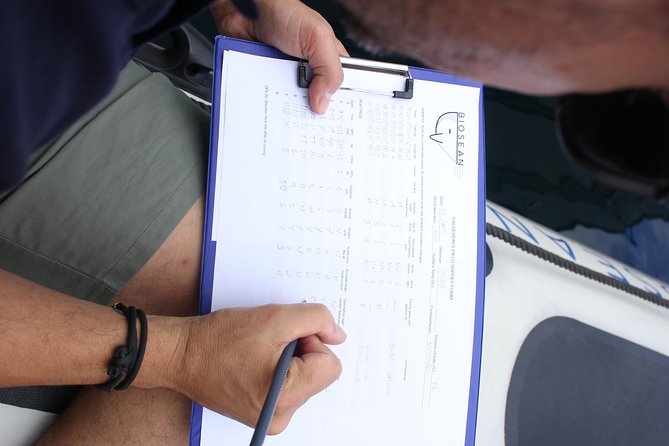
This is where Biosean turns a boat outing into a learning session you’ll remember.
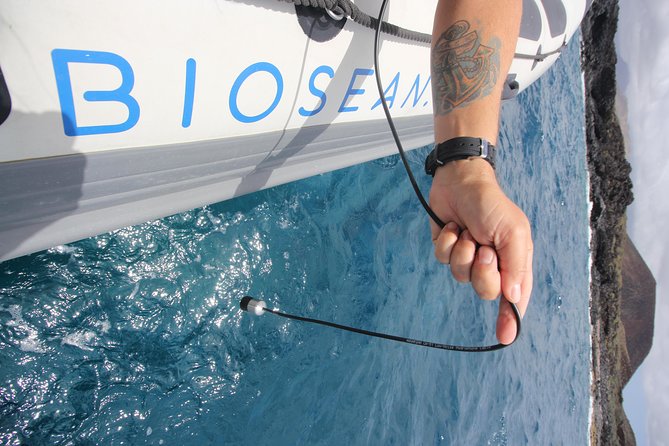
You’ll be able to work with the hydrophone and sound recorder during the tour. That changes your role from spectator to participant. Even if you don’t know anything about marine acoustics, you can still follow along with the biologist’s explanations and learn what different sounds might mean in context.
In feedback, people also mention that the guides keep the science approachable. The goal isn’t to drown you in terms. It’s to give you a solid, understandable picture of what’s happening underwater and why it matters.
And because the group is capped at 10, the Q&A actually happens. If you’re the person who always wants to ask why whales do what they do, this format fits you better than bigger tours where questions get skipped.
What You Get for $90.70: Value in Time and Attention
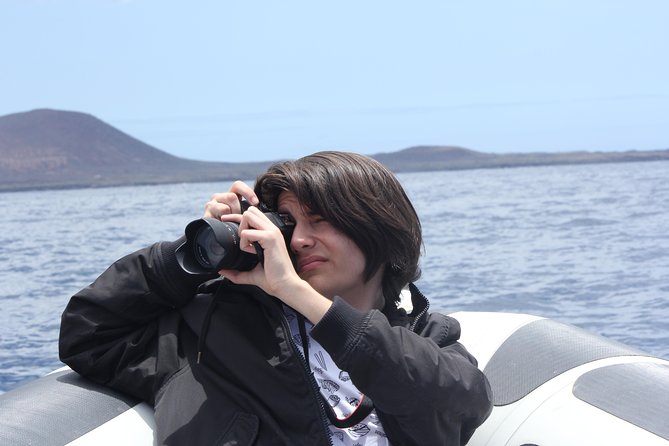
At about $90.70 per person for roughly 2 hours 30 minutes, you’re paying for two things: quality guidance and specialized science tools, plus all fees and taxes. Bottled water is included.
You’re not buying a long day of entertainment. You’re buying a tight, focused session with gear you can actually use and a guide who can respond to you. When the group stays small, that attention has real value, especially if you’re traveling with kids who are old enough to handle a bit of learning without getting bored.
Is it a budget tour? Probably not. But if your priority is wildlife plus education, it can feel like fair pricing, not just a standard boat ride.
Practical Tips: What to Bring and What’s Missing
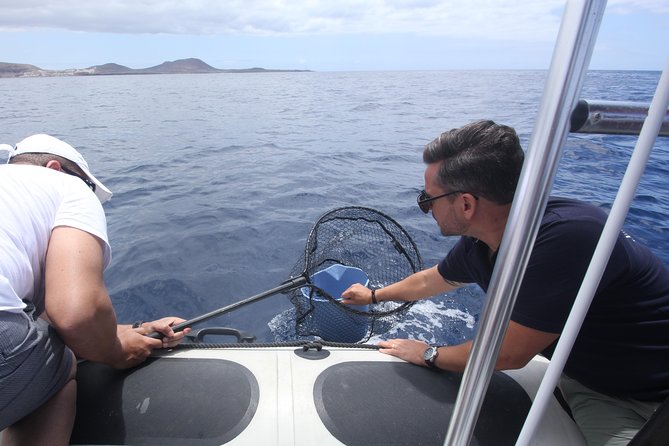
A few practical notes so your day stays smooth:
- Restroom on board is not included. Plan on that before you head out.
- Snacks are not included. Bottled water is, but if you want food, bring it or plan to eat before or after.
- Good weather matters. If the tour can’t run safely, you may be offered another date or a full refund.
For what to bring, I’d keep it simple: sun protection, a light layer for sea breeze, and shoes with decent grip. If you’re doing this in Tenerife’s south, strong sun is a real factor even when the air feels comfortable.
Also, if you can choose among departure times, pick an early slot when possible. Some feedback specifically praises choosing the early time window, which usually lines up with better odds for a calmer experience.
Who This Trip Fits Best
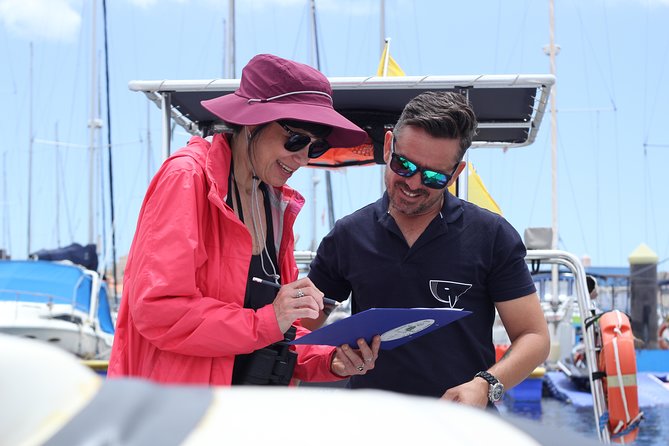
This is a strong match if you like learning while you travel. The science tools and biologist-led explanations make it a good option for people who want more than a quick sighting.
It’s also a great fit for families with older children. The group size helps everyone stay engaged, and the hands-on nature of the tools keeps kids interested without turning it into a lecture.
If you already love whale watching and have done other trips in the Canary Islands, this one earns points for the guide attention and the added audio component. It also feels more animal-friendly in style, since the focus is on respectful observation, not chasing chaos on the water.
If you’re looking for a party-boat atmosphere with lots of extra downtime, you might find this more structured and science-forward than you expect. But if you’re into nature with a purpose, you’ll likely enjoy the format.
Should You Book Biosean Whale Watching and Marine Science?
Book it if you want a small-group whale and dolphin watch that treats the ocean like a place to learn, not just a backdrop for photos. The hydrophone and sound recorder make the experience more memorable than basic spotting, and the marine biologist-led explanations help you understand what you’re seeing and hearing.
I wouldn’t book it if you need a guaranteed animal list every time or you hate any weather-based uncertainty. This tour depends on conditions, like most wildlife encounters do.
If your schedule allows, try to go on an early departure and go in with curiosity. The payoff comes from paying attention, listening, and asking questions as the biologist guides you through what’s happening out there.
FAQ
How long is the whale watching and marine science tour in Tenerife?
The duration is about 2 hours 30 minutes.
What is the price per person?
The price is $90.70 per person.
How many people are on the boat?
The tour caps the group at a maximum of 10 travelers.
What language is the tour offered in?
The tour is offered in English.
What’s included in the price?
Included items are bottled water and all fees and taxes.
What is not included?
A restroom on board and snacks are not included.
Where does the tour start?
The meeting point is Biosean – Whale watching & marine science, Marina del Sur. Pantalán 4, 38631 Las Galletas, Santa Cruz de Tenerife, Spain.
What happens if the weather is bad?
The tour requires good weather. If it’s canceled due to poor weather, you’ll be offered a different date or a full refund.