REVIEW · TENERIFE
Tenerife: Mount Teide Sunset and Night Tour with Pickup
Book on GetYourGuide →Operated by Volcano Teide · Bookable on GetYourGuide
A few hours on Teide can change how you see night. This Mount Teide National Park sunset and stargazing tour pairs a high vantage point with guided astronomy, plus pickup so you’re not wrestling buses in the dark. You’ll be at the cable car base (2356 m), then slowly ease into stargazing away from city glow.
What I really like is the built-in astronomy help and gear. Guides such as Lucas, Diego, Micaela, and Abel (seen in past runs) explain what you’re seeing and keep the group focused, while the professional telescopes get everyone enough time at the eyepiece. The one drawback to plan for is cold: after sunset, it can drop fast, and this trip includes no food, so you’ll want to come ready.
In This Review
- Key points to know before you go
- Mount Teide at Sunset: Why the Height Really Matters
- Getting There Smoothly: Pickup, Van Comfort, and Road Reality
- Cable Car Base Viewpoint: How You Get the Best Sunset Without the Fuss
- Stargazing at Mount Teide: What Your Starlight Guide Actually Does
- Telescopes at Teide: Turning Stars Into Something You Can Follow
- Timing, Group Pace, and What the 6.5 Hours Feels Like
- What to Bring (and What to Skip) for a Comfortable Night
- Food and Drinks: Plan Around the Vending-Machine Reality
- Price and Value: Is $86 Worth It Compared to DIY?
- Who This Tour Suits Best (and Who Might Want Another Plan)
- The Weather Factor: When the Sky Changes the Plan
- Should You Book the Mount Teide Sunset and Night Tour?
- FAQ
- How long is the Mount Teide sunset and night tour?
- Is pickup included, and where does it happen?
- What’s included in the stargazing part?
- Are food and drinks included?
- What languages are the guides available in?
- Is this tour suitable for children?
- Do I need warm clothing?
- Are large bags or luggage allowed?
- Is flash photography allowed during the stargazing?
- Can the tour be cancelled due to weather?
Key points to know before you go
- 2,356 meters at the cable car base for an easy, dramatic sunset viewing start
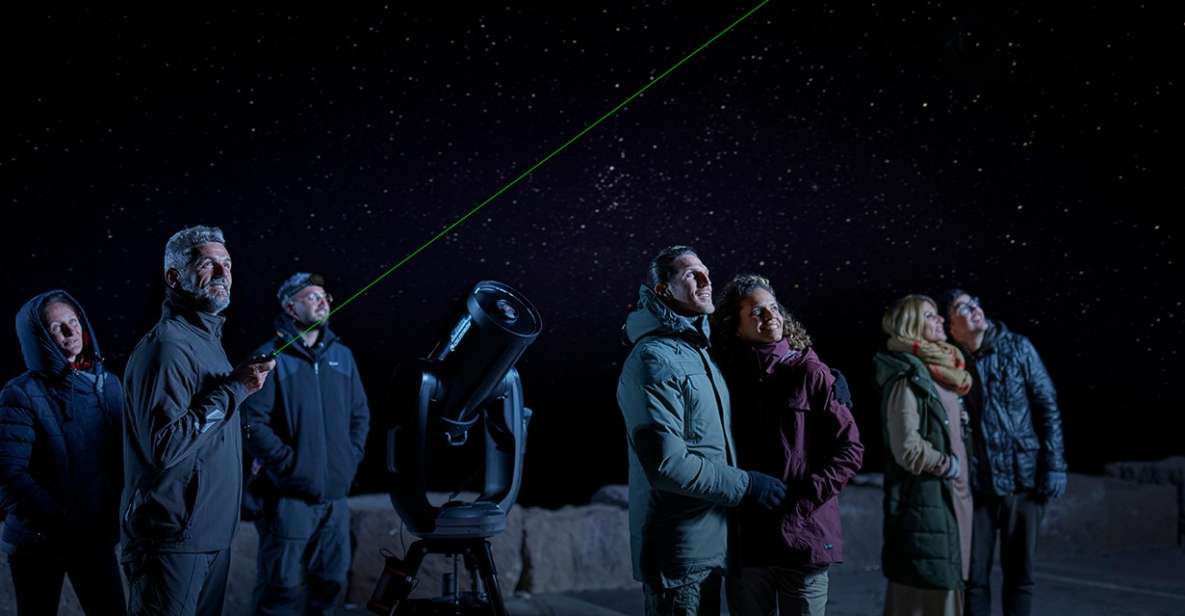
- Certified Starlight guide with help spotting constellations and explaining the night sky
- Professional long-range telescopes so you’re not just looking with your eyes
- Up to 83 visible constellations out of the 88 known ones (conditions permitting)
- Pickup and drop-off near your accommodation to simplify timing
- No food or drinks included, so plan for warm layers and snacks if you need them
Mount Teide at Sunset: Why the Height Really Matters
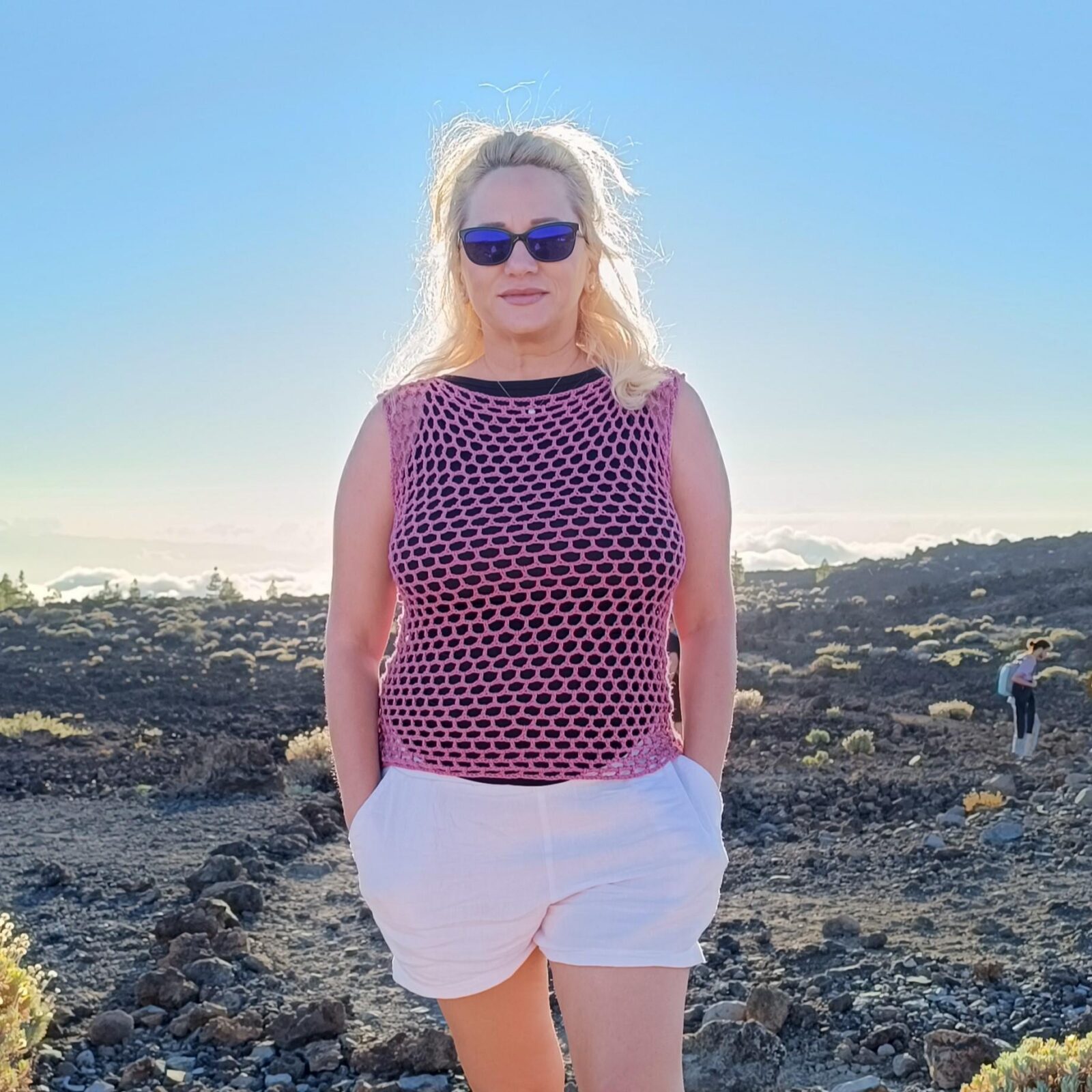
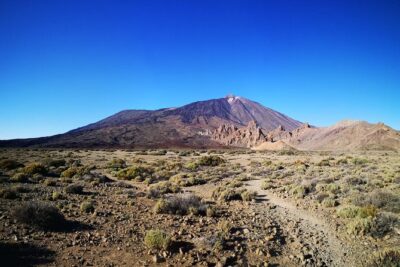
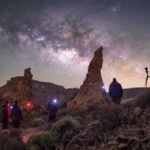
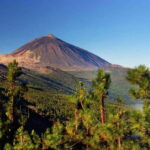
Teide works because it gives you distance and clarity. At around 2,356 meters near the cable car station, the air tends to feel crisp, and the horizon sits cleanly below you when the sun goes down. That matters for photos, sure, but it matters more for comfort and sightlines.
You’re also leaving the city light problem behind. The whole point of starting the night session at the park is that the sky gets darker, which is when star fields stop looking “busy” and start looking sharp. That’s what turns stargazing into something you can actually follow.
One more thing: you’re not just watching a sunset and then wandering around. The timing is built around that transition, from colorful sky to proper night darkness, with a guide keeping the pace steady.
You can also read our reviews of more evening experiences in Tenerife
Getting There Smoothly: Pickup, Van Comfort, and Road Reality
This is one of those trips where the logistics are part of the value. You get pickup from a meeting point near your hotel and then drop-off back afterward, so you’re not worrying about finding the right turnoff after dark.
The transport is also a comfort factor. People report a clean, comfortable van and safety on mountain roads, and you’ll appreciate that after you’ve been standing outside for a while. If you’re planning to take part in the telescopes, arriving without stress helps.
Now, the road reality: visits can get unexpectedly cancelled due to adverse weather, especially during winter, when safety on mountain roads becomes an issue. You can’t control that, but it does mean you should avoid booking this tour as your only “must-do” on a tight schedule.
Cable Car Base Viewpoint: How You Get the Best Sunset Without the Fuss
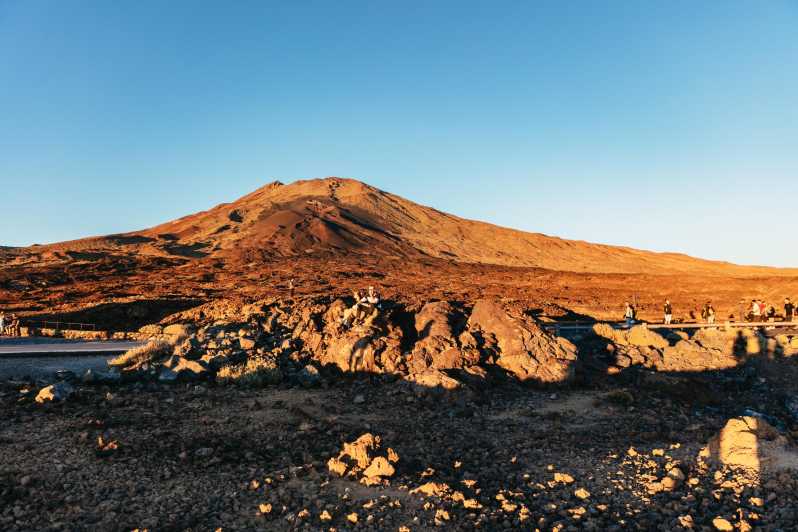
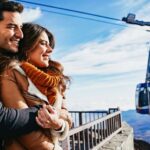
You start your sunset phase at the base of the cable car station (2356 m). That detail is useful because it tells you what to expect: you’re not doing a long hike to find a spot, and you’re not waiting for something complicated to start. You’re placed where the view makes sense, then guided into the moment.
From there, you settle in and watch the sun drop behind the natural horizon. People describe the sunset as truly spectacular, and the practical reason is simple: Teide’s volcanic setting gives you a wide, uncluttered view. You’ll see color spread, then the light fades fast.
Also, plan for your photos to be better than your first guess. Flash photography isn’t allowed during the stargazing part, and your camera settings matter more than chasing flash. I’d rather you bring a steady hand and a warm layer than rely on flash fixes.
Stargazing at Mount Teide: What Your Starlight Guide Actually Does
Once the sky darkens, the tour shifts from scenic to educational. You’ll have a certified starlight guide (and astronomy guides in English or Spanish) who helps you decode the night. The goal isn’t to overwhelm you with charts, but to give you a path through the sky.
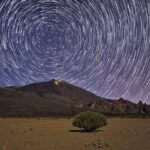
The big promise here is scale: you can see up to 83 constellations out of the 88 known ones, assuming clear conditions. That doesn’t mean every single one is discussed by name, but it does mean the sky quality is high enough for a guided tour to feel complete.
What stands out in how this works is that the guide doesn’t just point upward and hope. In past trips, guides answered questions in detail and kept groups engaged, with people getting real context for what they’re seeing. Names like Diego, Luc, Micaela, Lucas, and Abel come up often, which hints at a serious focus on teaching, not just “go outside and look.”
And if you’re lucky, you may even catch a Full Moon. That can change the feel of the sky—stars may look a bit less sharp, but moonlight makes the volcanic scenery easier to appreciate as a landscape.
Telescopes at Teide: Turning Stars Into Something You Can Follow
The telescopes are one of the clearest reasons this tour feels different from DIY stargazing. You’re not relying only on binoculars or phone cameras. Instead, you get professional long-range telescopes designed to make distant points of light look like actual targets.
What you might realistically see depends on the night, but you can expect the guide to steer you. People specifically call out views of planets like Jupiter, including visible details such as the planet’s colored stripes. That’s the kind of “wait, that’s actually there” moment that justifies paying for the gear.
The other practical win: people report there’s enough time at the telescopes so it doesn’t feel like a quick line-and-go. When the group is managed well, you get both the excitement and the chance to understand what you’re looking at through the guide’s explanations.

Timing, Group Pace, and What the 6.5 Hours Feels Like
This experience runs about 6.5 hours. In practice, it feels like a paced evening with two main peaks: the sunset start at the cable car base, then a stargazing session that lasts about an hour (as you transition into full darkness).
The guide keeps time with a purpose. If the sky clears, you want that window. If clouds roll in, you still need the right pacing so the telescopes and teaching time don’t get squeezed.
One tip that will save your comfort: assume you’ll be outside more than you think. Even when it’s warm before sunset, the temperature drop hits quickly once the sun disappears. People mention temperatures around 10°C at times, and that’s a reminder to pack for the cold even if you think you’re “fine” right now.
What to Bring (and What to Skip) for a Comfortable Night
This tour is very clear about packing needs, and it’s smart to follow them.
Bring:
- Warm clothing. Layers beat one bulky item, because you’ll want options as the temperature drops
- Hiking shoes. You’ll be outside near viewpoints and walkways, and traction matters
- Passport or ID card for children
Skip:
- Luggage or large bags. If it’s bulky, it’s likely going to be a hassle
- Flash photography. Save your flash for inside museums, not the sky
If you want a tiny upgrade, bring a small zip pouch for essentials: phone, camera settings, lip balm, and whatever keeps your hands warm. Your future self will be grateful when it’s time to adjust an eyepiece.
Food and Drinks: Plan Around the Vending-Machine Reality
Food and drinks are not included. That’s not a deal-breaker, but it affects your decision-making.
You might have access to warm drinks via the cable car area, but past experiences point out that vending options can be limited and may depend on what payment types you have. So don’t count on finding a full meal or a quick hot drink on-site.
If you’re the type who gets cold easily (and stargazing is an activity where you stand still), consider bringing snacks you can tolerate in the cold. Even something small makes the experience less stressful and helps you focus on the sky instead of your stomach.
Price and Value: Is $86 Worth It Compared to DIY?
At about $86 per person, this is not the cheapest way to see Teide at night. The value is in the bundle: pickup/drop-off, a guide, and professional telescopes with a starlight instructor. If you only want a scenic sunset and don’t care about astronomy, you might decide you can do it cheaper by driving yourself.
One review noted you could rent a car and go yourself for a shorter, cheaper option. That can be true, but it also means you’re carrying the heavy parts: you’ll need to know where to go, manage timing, and figure out how to make sense of the sky without a guide.
For most people, paying makes sense when you want the full experience: teach-me-what-I’m-seeing guidance plus telescope time. If that’s you, the price starts to look fair fast.
Who This Tour Suits Best (and Who Might Want Another Plan)
This tour is a strong match if you:
- enjoy astronomy or want to learn it in plain language
- want a guided route through the night sky
- prefer pickup/drop-off to planning transport and parking
- like structured evenings where someone else handles the timing
It’s not a match if you:
- need wheelchair or mobility support, since it’s listed as not suitable for people with mobility impairments
- are traveling with kids under 8 years
Also be honest about your motivation. If you’re only in it for the sunset and you hate cold outdoor time, you may find the stargazing portion harder than expected. Bring layers anyway, even if you think you’re tough.
The Weather Factor: When the Sky Changes the Plan
Teide stargazing is weather-dependent, and that’s not a marketing gimmick. The tour notes that adverse weather can lead to unexpected cancellation, mainly because of safety issues on roads leading to Mount Teide, especially during winter.
When weather is good, the sky quality can be excellent, which is where the constellations and telescope viewing shine. When weather turns, the experience may shift or pause, so keep your expectations flexible and treat this as a “best effort under the stars” kind of night.
Should You Book the Mount Teide Sunset and Night Tour?
If you want a guided Teide sunset and stargazing evening that actually teaches you what’s above, I’d book this. The combination of high viewpoint timing, a certified starlight guide, and professional telescopes is exactly what turns the experience from pretty to memorable.
Book with extra confidence if you’re the kind of person who likes asking questions and staying outside until it feels properly dark. Past trips highlighted guides like Diego, Luc, Micaela, Lucas, and Abel answering questions and helping people get real views through the telescopes.
Skip or reconsider if you’re not into stargazing, if you hate cold, or if you need accessibility support. And remember the practical stuff: bring warm layers, and don’t count on food being part of the deal.
FAQ
How long is the Mount Teide sunset and night tour?
The tour lasts about 6.5 hours.
Is pickup included, and where does it happen?
Yes. Pickup is included from a meeting point near your accommodation. The local partner contacts you after booking to confirm the meeting point.
What’s included in the stargazing part?
You get a stargazing experience with a certified starlight guide and the use of professional telescopes.
Are food and drinks included?
No. Food and drinks are not included.
What languages are the guides available in?
The tour offers live guiding in English and Spanish.
Is this tour suitable for children?
It is not suitable for children under 8 years.
Do I need warm clothing?
Yes. You should bring warm clothing, because it gets very cold after sunset.
Are large bags or luggage allowed?
No. Luggage or large bags are not allowed.
Is flash photography allowed during the stargazing?
No. Flash photography is not allowed.
Can the tour be cancelled due to weather?
Yes. Visits may be unexpectedly cancelled due to adverse weather conditions that affect road safety to Mount Teide.