REVIEW · TENERIFE
Tenerife: Mount Teide Observatory Guided Tour
Book on GetYourGuide →Operated by Volcano Teide · Bookable on GetYourGuide
A volcano-top telescope day is a great brain snack. This guided visit takes you to the largest solar observatory in the world area, where you learn how astronomers study the Sun, then you get hands-on observing through professional telescopes.
What I like most is the two-telescope solar setup: you don’t just look once. You see different solar phenomena—set up to show sunspots and also solar flares/corona-style activity—with safe filters designed for visitors. I also love that the tour doesn’t treat the observatory like a black box; you’re shown how the site works, including a short intro video about the Canary Islands sky and how telescopes operate at night.
One thing to consider: you’re at about 2,400 meters, oxygen is thinner, and you’ll walk on gravel paths. If you have general respiratory issues, mobility limitations, or certain heart/breathing conditions, this may not be a good fit.
In This Review
- Key things you’ll care about
- Why Mount Teide Feels Like a Science Workshop (Not a Museum)
- The 2,400m Reality Check: What to Wear and What to Watch For
- Your Guided Intro: Video, Zones, and How Telescopes Actually Help
- The Sun Session: Spotting Sunspots and Solar Flares Safely
- Night Telescope Stop: The Big Scopes Feel Different Up Close
- Views From Teide and the Pleasant Wait Time Factor
- Price and Value: Is $25 Worth It?
- Who Should Book This Tour (and Who Might Skip)
- Should You Book the Tenerife Mount Teide Observatory Guided Tour?
- FAQ
- How long is the Mount Teide Observatory guided tour?
- What does the tour include?
- Will I be able to observe the Sun?
- What should I bring for the tour?
- Is the tour suitable for young children or people with mobility or breathing issues?
- What languages are the live guides available in?
Key things you’ll care about
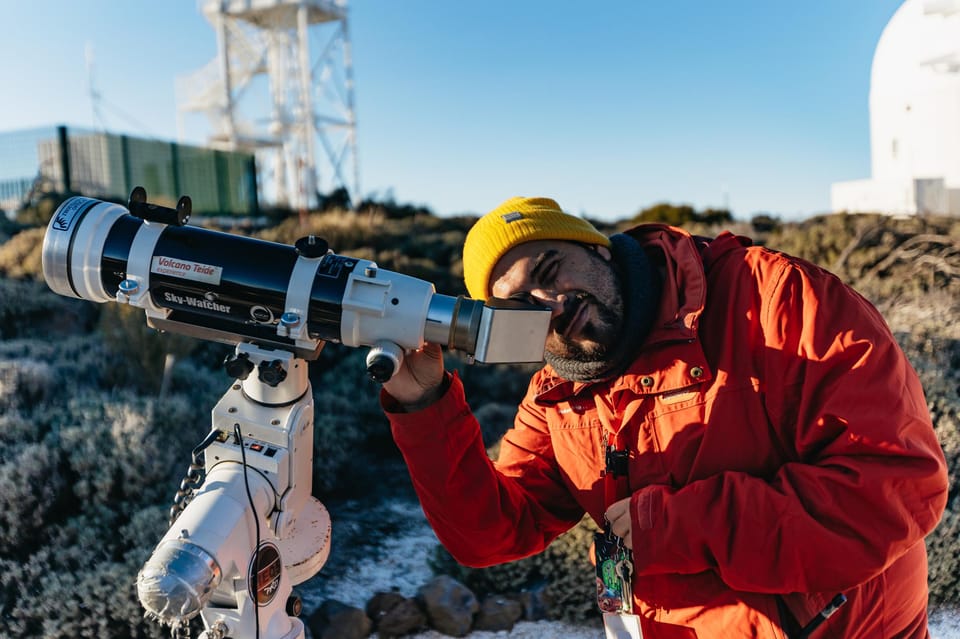
- Two different solar telescopes for separate Sun targets, with safe observing filters
- A guided flow that explains observatory zones and how nighttime observing works
- A stop at an actual night telescope, so the scale hits you in person
- Cold at altitude plus strong sun: bring warm layers and sun protection
- Guides can be funny and highly engaged, with explanations that work even if you’re not a science person
- The experience is short, so arriving ready to move helps
Why Mount Teide Feels Like a Science Workshop (Not a Museum)
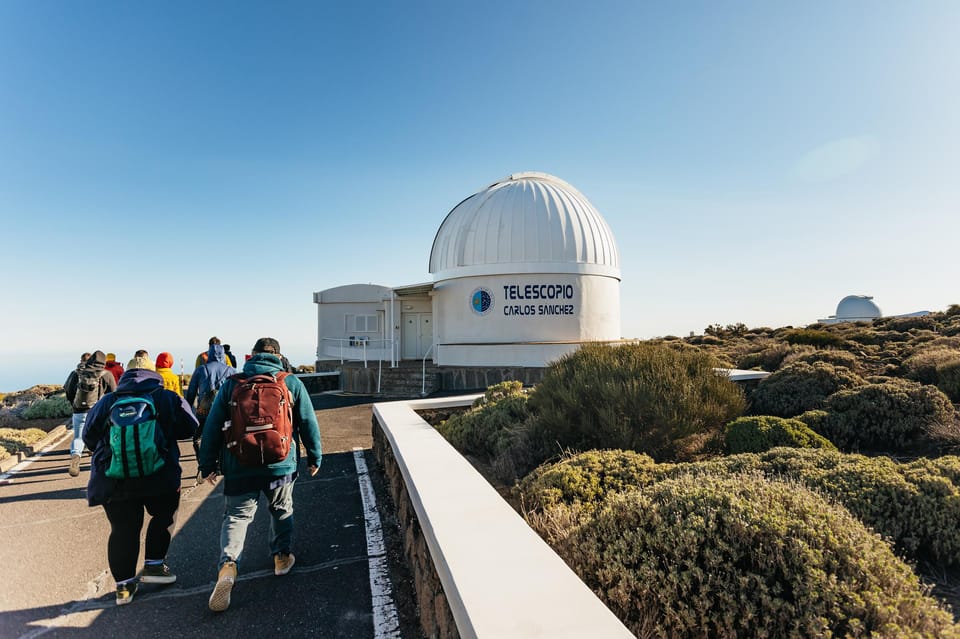
Teide’s observatory isn’t about static exhibits. It’s about what scientists do: aim, observe, record, and interpret. On this tour, you get an explanation of how an observatory is organized, what each area is for, and why the location matters.
You’re going to feel that “this is real” vibe when you stand among the telescopes. Multiple guides in the reviews are described as passionate—so you’ll often get more than facts. You’ll get context that helps you connect what you’re seeing to what researchers care about. In particular, people repeatedly mention enthusiastic guides such as Jesus, Raquel, Steffi, and Rachel (spelled that way in at least one booking), each bringing their own style while staying focused on practical science.
The tour also has a good pace: it’s structured enough to keep you oriented, but not so rushed that you miss the point. At a one-and-a-half-hour duration, it’s ideal if you want a memorable Teide add-on without committing to a half-day.
You can also read our reviews of more guided tours in Tenerife
The 2,400m Reality Check: What to Wear and What to Watch For
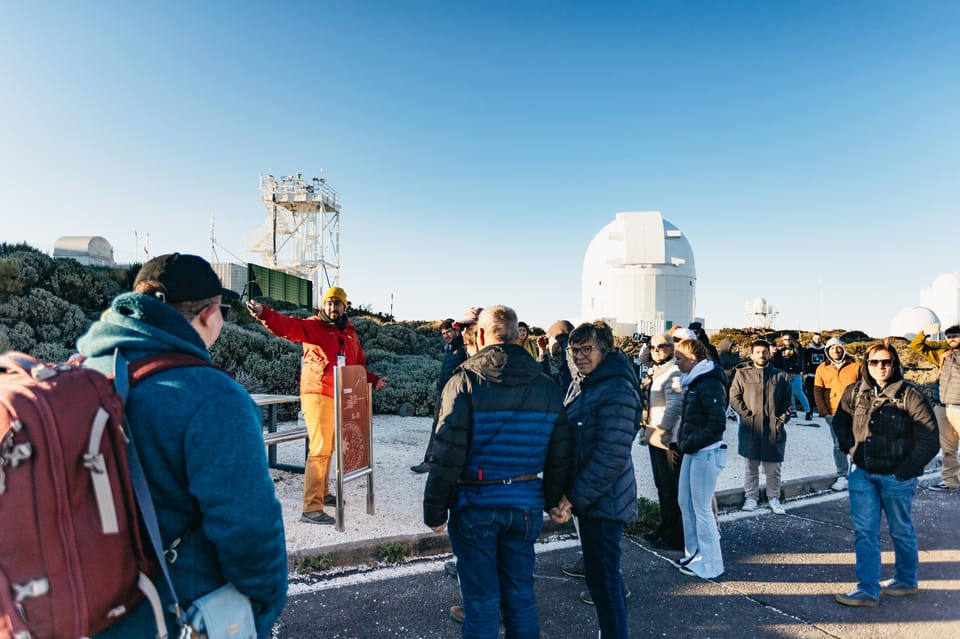
The observatory sits at about 2,400 meters above sea level. That’s high enough that oxygen can feel noticeably lower. You also move around on gravel paths, so it isn’t just a smooth sidewalk stroll.
Here’s how to plan like a pro:
- Bring warm clothing. Reviews mention cold, wind, and the need for jackets and hats.
- Use sunscreen and sunglasses. At altitude the Sun is intense, and one review even notes sun protection being provided (like sun umbrellas).
- Wear comfortable clothes and sturdy footwear. Cold plus wind equals stiff legs fast.
- If you’re traveling with kids, remember that children must confirm their age with a passport or ID card.
Who should think twice: the activity is not suitable for children under 8 and isn’t recommended for people with mobility impairments or respiratory issues. If you’re generally limited by breathing, heart conditions, anemia, or similar concerns, it’s worth skipping and choosing a lower-altitude Teide experience.
Practical note: if you’re worried about cold, it’s smart to layer. One review points out it can be cold and windy in exposed spots, but shade can feel cooler less intense—so layering helps you adjust.
Your Guided Intro: Video, Zones, and How Telescopes Actually Help
You start with an introduction to the observatory and its different areas. This matters because telescopes aren’t just “big tubes.” Each setup has a job, and the tour is built to explain that in plain language.
A short video is part of the experience, focused on the Canary Islands sky and how scopes work at night. Even if you don’t consider yourself an astronomy person, you’ll likely benefit from this stage because it gives you a mental map before you start looking through instruments.
Then you meet your astronomy expert guide for the facility walk. The best guides here don’t just name equipment. They help you understand what observations mean. One review mentions audio-visual presentations that made the technical material easier to follow, and another highlights guides who could answer lots of questions.
If you like asking why things work, this part is where you’ll feel the payoff. If you prefer a quieter experience, the pacing is still manageable, but you’ll need to be comfortable listening and moving between stops.
The Sun Session: Spotting Sunspots and Solar Flares Safely
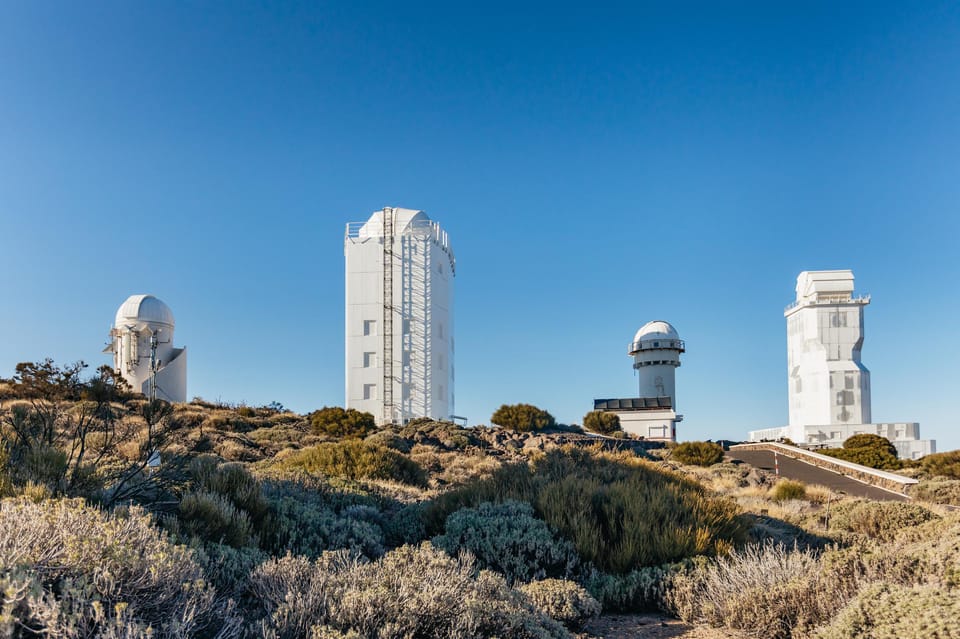
This is the star of the tour—literally. You observe the Sun through two different solar telescopes during the guided visit.
The tour is set up to show:
- Sunspots (dark, cooler regions on the solar surface)
- Solar flares (active, bright eruptions)
That “two telescopes” detail is more meaningful than it sounds. It reflects how different solar features require different viewing setups and filters. You’re not just collecting pretty images—you’re learning how scientists distinguish phenomena that look similar at first glance.
One review specifically mentions an infrared telescope as part of the observing setup. Even if you don’t remember the exact tech term, you’ll get the idea: the Sun isn’t just one color. Scientists can analyze it using different wavelengths and instruments, and the observatory is built to do that work.
What you should expect visually:
- It won’t be like watching movies or seeing explosions in dramatic Hollywood style.
- You’ll see clear solar features through the professional equipment, and the guide helps you interpret what’s on your view.
That’s where the guided component really earns its keep. One lower score notes that the solar views through the particular telescopes used on tours can look less dramatic than people expect. So if you’re arriving hoping for instant wow-panels, calibrate expectations: the “wow” here is scientific clarity and safe direct viewing, not special effects.
Night Telescope Stop: The Big Scopes Feel Different Up Close
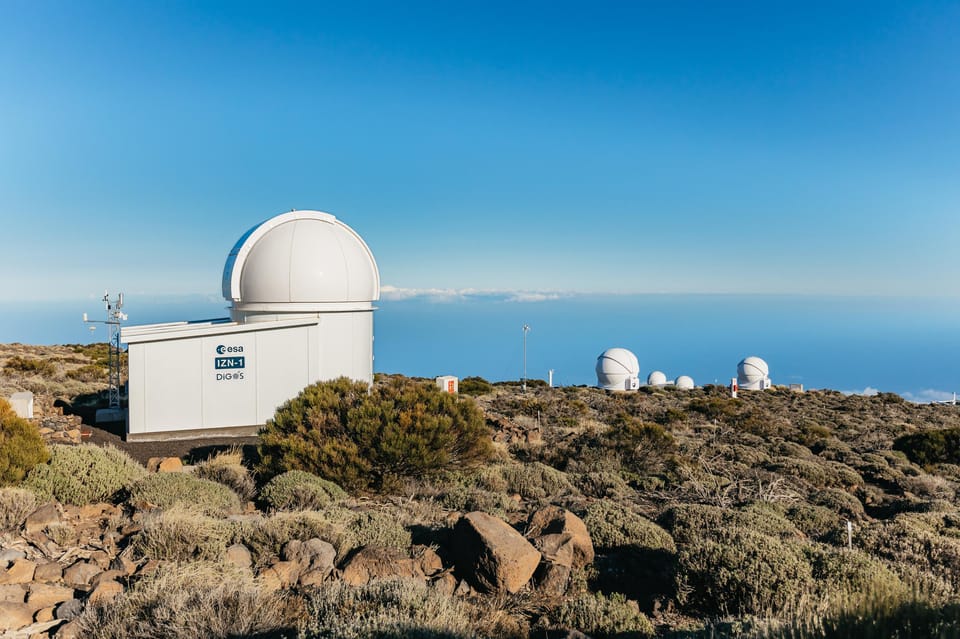
After the solar observing, the tour shifts to a night perspective. You’ll head to one of the nocturnal telescopes to understand how massive structures observe the night sky.
Even though it’s not a full nighttime stargazing session (the tour is short and timed), the night-telescope stop is still powerful. You get a feel for scale and seriousness. Telescopes for night observing aren’t just larger—they’re designed for different conditions, stability needs, and ways of capturing faint light.
This stage is also where the earlier video about night observing makes more sense. You start connecting the dots between the explanation and the hardware.
A small caution based on experience from the tour feedback: some visitors felt they didn’t see every telescope up close. That doesn’t mean the experience is weak; it often comes down to how the tour flow works in a working facility. Still, it’s good to know: you’re getting a curated walkthrough, not an open-ended wander.

Views From Teide and the Pleasant Wait Time Factor
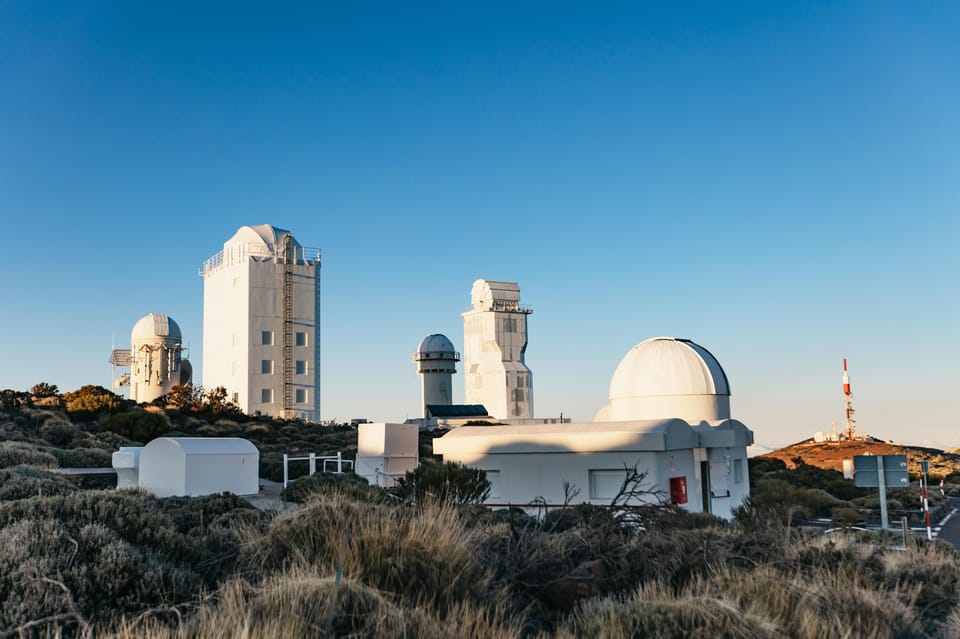
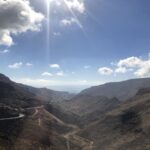
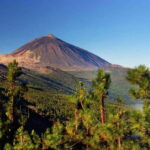
The observatory area is high and exposed, so the setting hits hard. One review calls the surroundings like something out of Mars. Another mentions a drive up that looks wild as you ascend past clouds and vegetation.
Also, the tour can feel smoother if you arrive a bit early. One review notes there’s a spot to sit and buy water while waiting for the tour to start. That’s helpful because once you’re on-site, you’ll want to settle in—especially if you’re sensitive to cold or wind.
Keep in mind the “short tour” part: with only 1.5 hours, there isn’t a lot of time to absorb the whole place slowly. If you’re eager, arrive ready to move and listen.
Price and Value: Is $25 Worth It?
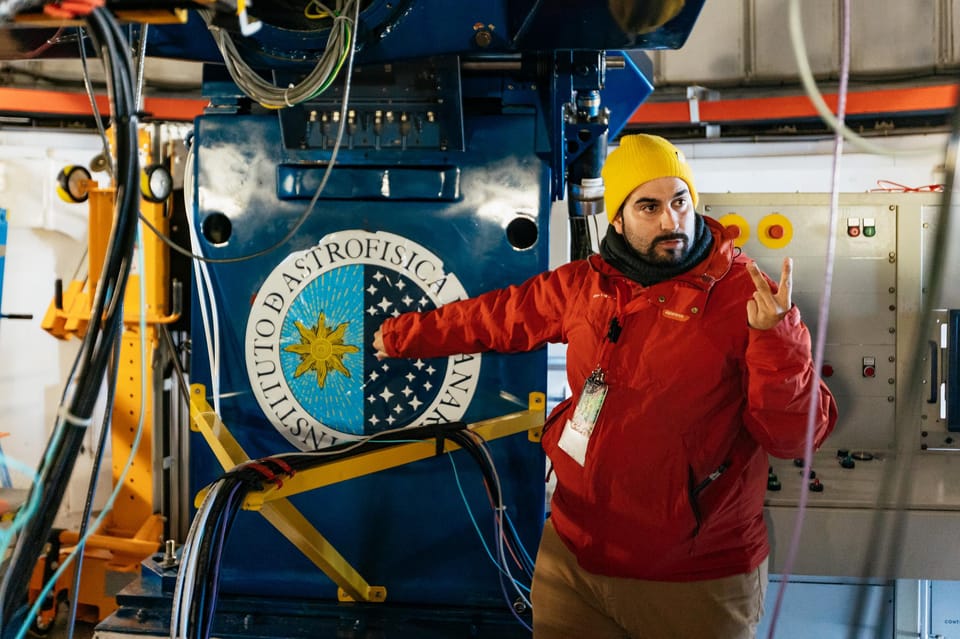
At about $25 per person for roughly 1.5 hours, this is strong value if your goal is a genuine, guided science experience at Teide. You’re not paying for a generic museum ticket. You’re paying for:
- Entrance to the observatory
- a guided tour
- use of two solar telescopes
- access to a professional night telescope
For a busy Tenerife itinerary, that bundle is hard to beat. The money is doing three jobs: it funds the guide, it funds time at the observatory, and it funds the safe, regulated observing experience.
The main trade-off is your limited time. If you want a longer stargazing session with more sky viewing time, this one may feel like the “high-impact sampler.” But as an add-on to Teide, it’s a very efficient use of a couple hours.
Who Should Book This Tour (and Who Might Skip)
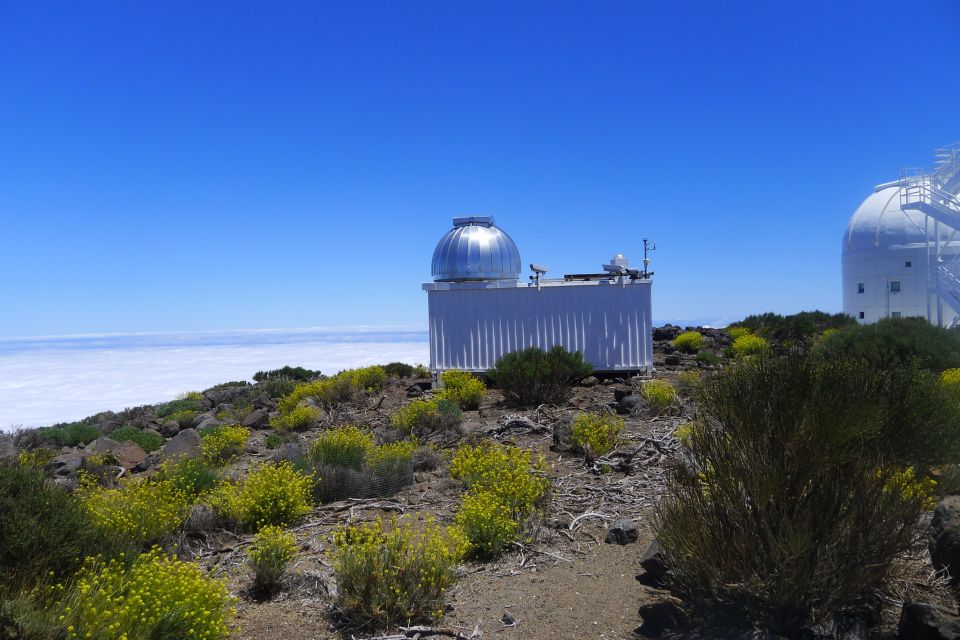
You’ll likely love this tour if:
- you’re curious about astronomy and want the science explained in a friendly, structured way
- you want safe direct solar observing with professional telescopes
- you like guided interpretation more than wandering on your own
- you enjoy seeing how observatories work, not just looking at “stuff”
You might skip it if:
- you have respiratory issues or you’re worried about exertion at altitude
- you need an itinerary that avoids walking gravel paths
- you expect dramatic visuals rather than clear scientific viewing
It also fits well for mixed groups because the guide explanations can make the material understandable. Multiple reviews mention that explanations were accessible to both young and older visitors.
Should You Book the Tenerife Mount Teide Observatory Guided Tour?
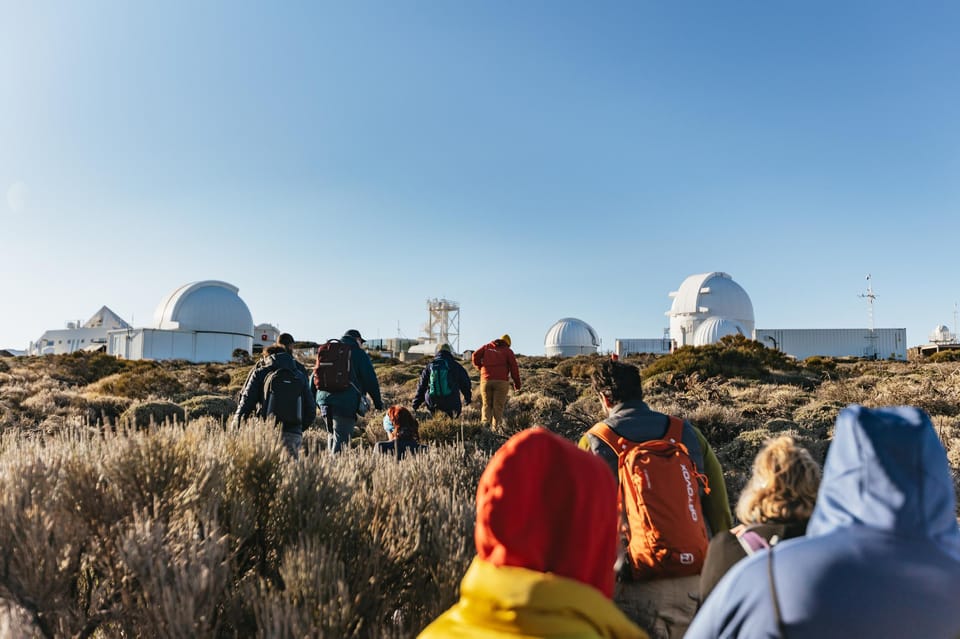
Yes—if you’re going to Teide anyway and you want a focused experience that mixes safe Sun viewing, real equipment access, and strong guide-led explanation.
I’d especially recommend booking if:
- you want to see the Sun through purpose-built telescopes (and not just look at photos)
- you’re the type who asks questions and enjoys learning while you watch
- you want a high-value activity that fits into a short window
I’d think twice if you’re very sensitive to cold/wind or high altitude, or if you can’t handle gravel walking and limited viewing time.
Bottom line: this is one of those Tenerife experiences where the wow comes from the combination—Teide altitude, professional observing, and a guide that makes the science make sense.
FAQ
How long is the Mount Teide Observatory guided tour?
The tour duration is 1.5 hours.
What does the tour include?
It includes entrance to Mount Teide Observatory, a guided tour, use of two solar telescopes, and access to a professional night telescope.
Will I be able to observe the Sun?
Yes. You’ll observe the Sun using two different solar telescopes during the tour.
What should I bring for the tour?
Bring warm clothing, sunglasses, sunscreen, and comfortable clothes. Children should bring a passport or ID card to confirm age.
Is the tour suitable for young children or people with mobility or breathing issues?
The tour is not suitable for children under 8. It is also not recommended for people with mobility impairments or respiratory issues.
What languages are the live guides available in?
Live tour guides are available in English, Spanish, German, and French.