REVIEW · TENERIFE
Small-Group Half-Day Canyoning in La Orotava
Book on Viator →Operated by Outdoor Activities Tenerife · Bookable on Viator
If you like your day outside with a little risk control, this is it. This La Orotava canyoning outing mixes a forest walk with rope rappels and that unmistakable Tenerife volcanic look.
I especially loved the way the guide sets you up before you ever hang on a rope: equipment first, then clear safety and progression instructions. And the canyon itself is a treat, with orange-and-yellow tones from volcanic ash and years of erosion. The main drawback is simple: it’s not for people who hate heights or can’t move easily on rocky, uneven ground.
In This Review
- Key things I’d focus on before you book
- From Mirador de La Bermeja to pine-forest start: the approach
- Gear check and safety briefing that actually helps
- The first rappel: a clear taste of the real thing (about 22 meters)
- 7–8 rappels with different techniques in a volcanic canyon
- Hiking segments that keep the experience moving
- Who should do this La Orotava canyoning tour (and who shouldn’t)
- What to pack: shoes, water, warmth, and a rain plan
- Small-group value: what you’re paying for at $96.55
- Weather and conditions: plan for flexibility
- Should you book this canyoning experience in La Orotava?
- FAQ
- How long is the canyoning tour in La Orotava?
- What’s included in the tour price?
- What should I bring with me?
- How many people are in the group?
- Is the tour offered in English?
- Where does the tour start, and do I return to the same place?
Key things I’d focus on before you book
- Small group cap: kept to a tight size (about seven, with a maximum around eight), so you get more attention during the technical parts.
- A real progression day: you start with a forest approach, then a first rappel of about 22 meters, then multiple more descents with different techniques.
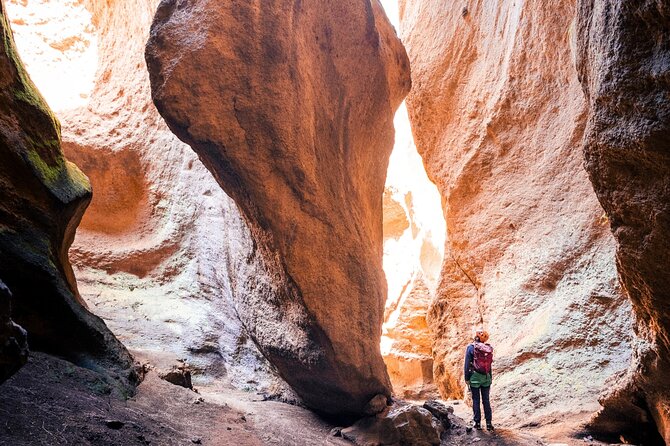
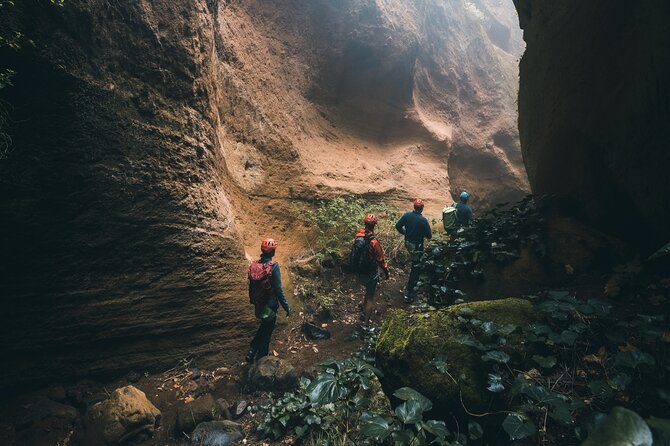
- Volcanic color canyon: you’ll see how ash buildup and erosion shape the canyon walls in warm tones.
- Gear is handled for you: harness, helmet, gloves, and safety equipment are included, so you can travel lighter.
- You still need the right shoes and water: you’ll be walking and rappelling, and you must bring trail-ready footwear plus a 1.5L water backpack.
From Mirador de La Bermeja to pine-forest start: the approach
The day kicks off in the La Orotava area at Mirador de La Bermeja (38300), Santa Cruz de Tenerife with a 9:30 am start. You’ll end back at the same meeting point, so you can keep your logistics easy—no complicated route changes, just a full loop in the local outdoor zone.
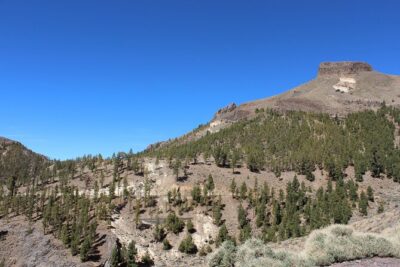
Before you touch a rope, you earn the views with a 45-minute forest track. This isn’t just scenic window dressing. The walk through Canary pine trees helps you settle into the rhythm of the day: you start moving, your legs wake up, and you get your footing dialed in for what comes next.
It also matters because canyoning is part hiking, part technical movement. By the time you reach the first rappel point, you’re already warmed up and less likely to feel rushed.
You can also read our reviews of more tours and experiences in Tenerife


Gear check and safety briefing that actually helps
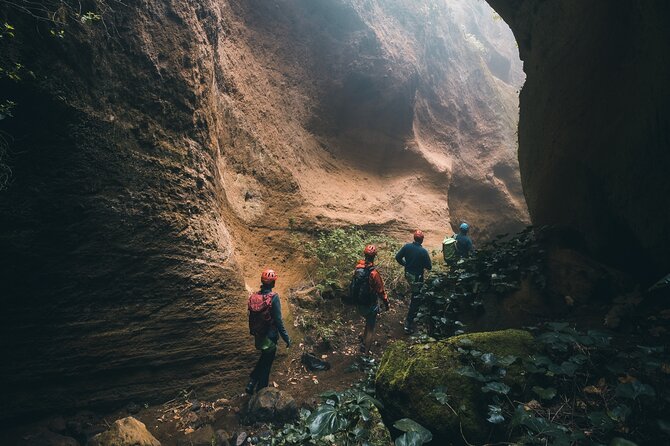
Before the descent, your guide lays out the gear you’ll use during the descent—harness, helmet, gloves, plus the necessary safety equipment. You should pay attention here. This isn’t a vague “good luck” situation; it’s a structured setup for a specific canyon and specific conditions.
Then you get a short briefing covering technical instructions for progression and safety regulations. One of the best parts of this tour style is that it doesn’t assume you already know what to do. The process is hands-on: you’re shown how to get into position and how the rope work connects to safe movement.
If you’re new to canyoning, that confidence-building stage is huge. It’s also the moment to ask questions—about where to place your hands, how to manage your stance, or what to do if you feel unsure about a step. The guide’s job is to keep the day fun and controlled.
The first rappel: a clear taste of the real thing (about 22 meters)
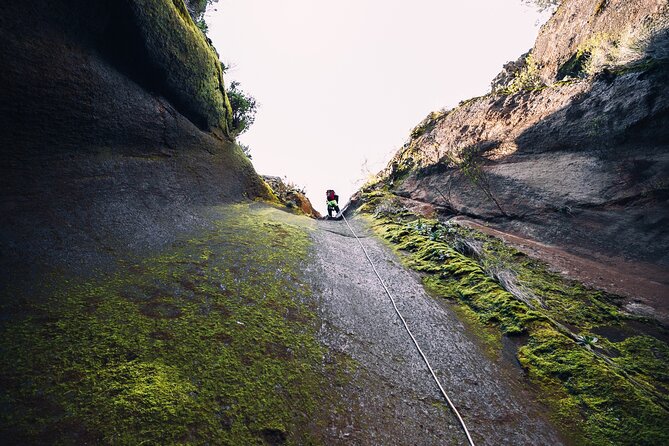
After the forest approach, the action starts with your first rappel of about 22 meters. That’s a big enough first step that you’ll remember it, but it’s also early enough that you’ll learn the flow of the technique before the day becomes more complex.
Think of this as your “training rappel,” but with the real height and real commitment you came for. If you’re worried about heights, this is the point where that fear will show up. The tour is simply not suitable for people afraid of heights—and that’s not a marketing line. It’s a safety reality for anyone who freezes when they look down.
On the positive side, this first rappel sets expectations for everything after. Once you understand how you’ll control your descent and how the guide communicates timing, the rest of the rappels feel more like a sequence than an unknown test.
7–8 rappels with different techniques in a volcanic canyon
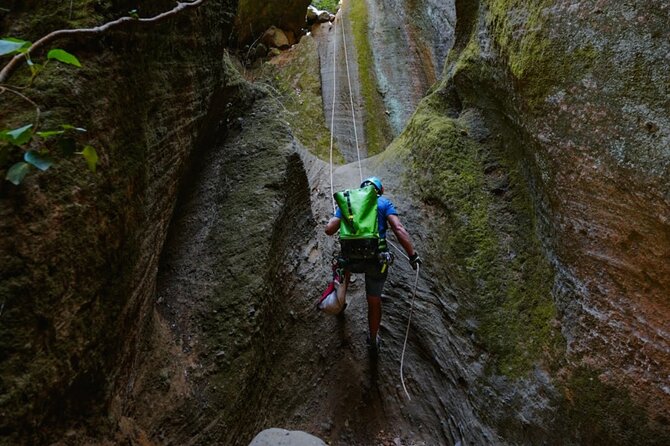
Inside the canyon, you’ll do several different rappels—about 7 to 8 in total. The day’s format is built so each rappel feels like its own mini-adventure, not the same repetition. You’ll use ropes, and each rappel brings a different technique, meaning you’ll keep adapting rather than going on autopilot.
That variety is one of the reasons this tour scores so high for active outdoor folks. It’s not just “go down a rope.” It’s problem-solving with your body and your balance, under a guide’s watch and instructions.
And then there’s the setting. You’ll notice how volcanic ash has accumulated over time, and how erosion shaped it into a canyon with orange and yellow tones. The warm colors aren’t just pretty—they’re visual proof of the island’s geology and how weather and water carve the rock over long periods.
As you move through the canyon, you’re not only descending. You’re constantly adjusting your position, reading the route, and following the guide’s cues. That keeps attention high and makes the day feel skill-based rather than purely scenic.
Hiking segments that keep the experience moving
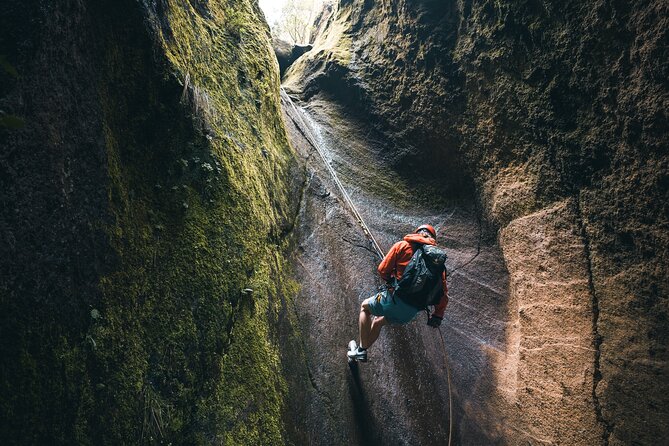
Canyoning tours that feel too short can be all action and no rhythm. This one balances technical moments with hiking.
After you finish the last rappels, you’ll head to another forest track that returns you toward the end of the activity. Expect about 20 minutes of hiking to close out the day. It’s usually a good way to come down mentally and physically—shift from rope focus back to steady steps, breathe, and let your legs reset.
You’ll also be moving for another chunk at the start (the 45-minute approach), so overall you should treat this as a full-body outdoor workout, not a quick thrill stop.





Who should do this La Orotava canyoning tour (and who shouldn’t)
This tour has a clear target: people with moderate physical fitness and decent agility. You should be comfortable walking on uneven ground and managing your balance while wearing a harness.
It also comes with restrictions that are worth taking seriously:
- Not suitable for people afraid of heights
- Not suitable for people with mobility impairments
- Not suitable for children under 13
- Expect it to require more than basic walking skills because you’ll be doing multiple rappels
If you’re an active traveler who likes outdoor challenges—especially the kind where you learn skills rather than just watch—this fits well. It’s also a solid choice if you enjoy small-group days, because smaller groups generally mean more attention during the technical steps.
In practical terms, you’ll get more out of the tour if you:
- wear proper shoes (not regular sneakers)
- can handle warm-up hiking before the rope work
- take safety instructions seriously, even if you’re confident
What to pack: shoes, water, warmth, and a rain plan
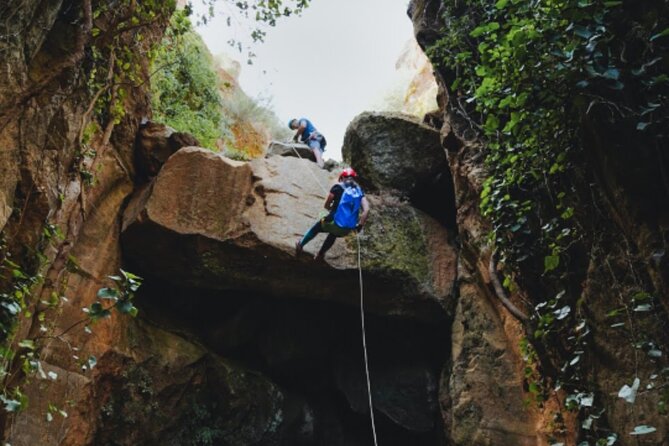
This is where people often get tripped up—mostly by thinking it’s “just hiking.” You’ll be in the canyon, near vegetation, and exposed to changing weather.
You’re required to bring a backpack with 1.5 liters of water per person and some snacks. Water and food are not included, and you’ll want fuel for the hike segments and the effort of rappelling.
Footwear is strict for a reason. You must wear hiking boots or trail running shoes. Normal running shoes or urban shoes are not allowed. Plan for traction and support, especially on rock and in wet areas.
Dress like you’ll meet cooler air and some plants you’d rather not touch:
- Bring warm clothes and long pants
- There are nettles plants in the canyon that you may touch accidentally
- Bring a raincoat, because sudden weather changes can happen
Also, the tour does not include a personal bag. If you bring a small backpack, keep it practical and dry. The goal is to stay organized while still bringing the water and snacks you’re responsible for.
Small-group value: what you’re paying for at $96.55
At $96.55 per person, you’re not just buying a view. You’re paying for:
- a guide who provides technical safety instructions
- fitted gear: harness, helmet, gloves, and safety equipment
- the use of ropes and canyon-specific setup
- a guided route that includes multiple rappels (about 7–8) plus the approach and hike out
A big part of the value is that the group stays small—capped at seven, with a max around eight. That size matters when you’re learning rope technique and getting into position. Fewer people means less waiting around and more direct help.
One more practical detail: the tour tends to be booked ahead. On average, it’s reserved about 25 days in advance, so if you’re traveling in peak times, don’t leave it to the last minute.
Weather and conditions: plan for flexibility
This kind of activity depends on conditions. The tour requires good weather, and if it’s canceled due to poor weather, you’ll be offered a different date or a full refund.
That’s not annoying red tape. It’s the honest reality of canyoning—wet surfaces, changes in visibility, and safety requirements all matter. If you’re the type who hates plan changes, just build flexibility into that day.
If weather shifts mid-tour, follow your guide’s instructions and assume they’ll keep safety first.
Should you book this canyoning experience in La Orotava?
Book it if you want a real outdoor skill day: forest hiking, then multiple rappels in a volcanic canyon with warm orange-and-yellow colors. It’s best for people who can handle heights in a controlled setting and who’ll wear the right shoes and clothing.
Skip it if you:
- are afraid of heights
- have mobility limitations that make uneven terrain hard
- want a purely relaxed stroll (this is active, and you’ll be focused)
If you’re on the fence, here’s my practical advice: this is the kind of tour where proper footwear and listening during the briefing can turn uncertainty into confidence fast. The guide’s approach—gear setup plus safety instructions and hands-on guidance—helps you move with control, not panic.
If that sounds like your idea of a great Tenerife day, then yes—this is an easy one to recommend.
FAQ
How long is the canyoning tour in La Orotava?
It runs for about 6 hours (approx.). You’ll spend time hiking to the canyon, doing rappels, and then hiking out again.
What’s included in the tour price?
The tour includes equipment rental for safety gear: harness, helmet, gloves, and safety equipment. Water, food, and a bag are not included.
What should I bring with me?
Bring a backpack with 1.5L of water per person and some snacks. Wear hiking boots or trail running shoes (urban shoes or regular sneakers are not allowed). Also pack warm clothes, long pants, a raincoat, and note that nettles plants may be present.
How many people are in the group?
It’s a small-group tour capped at seven travelers, with a maximum of eight participants.
Is the tour offered in English?
Yes, it’s offered in English.
Where does the tour start, and do I return to the same place?
The meeting point is Mirador de La Bermeja, 38300 La Orotava and the tour ends back at the same meeting point. The start time is 9:30 am.