REVIEW · TENERIFE
La Gomera Day Trip from Tenerife
Book on Viator →Operated by Viajes Teide S.L. · Bookable on Viator
La Gomera in one long day. This trip strings together Tenerife-to-La Gomera ferry time with UNESCO Garajonay National Park and a real local moment (Silbo whistling). I like how it handles the logistics for you, and I like that the day isn’t just bus-window scenery. One drawback to consider: guides often speak in multiple languages, so the narration can be hard to follow if the sound system or your seat position isn’t great.
You’ll start early, ride a comfortable coach around Tenerife, and then cross the water on a high-speed ferry. On La Gomera, you’ll see the capital San Sebastián, pass through classic villages on the way back, and stop at major viewpoints like Roque de Agando. Expect a packed schedule with short stops, plus some walking in the park that’s not ideal if mobility is limited.
In This Review
- Key things to know before you go
- Tenerife pickup, Los Cristianos start, and the ferry ride that sets the tone
- San Sebastián: capital city time and Columbus connections
- Garajonay National Park: mossy forests and the UNESCO focus
- La Laguna Grande lunch: included, but treat it as a solid base meal
- Roque Agando viewpoint and the best quick photo stop
- Silbo whistling: a cultural moment you can actually hear
- The multilingual guide factor: names you might hear and how to manage it
- Bus comfort, winding roads, and what the day pacing really feels like
- Timing, ferry schedules, and the risk of a late return
- Who should book this La Gomera day trip (and who should consider another option)
- Value check: is $125.82 a good deal?
- Should you book this tour?
Key things to know before you go
- Ferry + coach handled for you: less planning stress, especially if it’s your first time crossing to La Gomera.
- Garajonay National Park is the main event: UNESCO-listed forests, dramatic mountains, and a very different feel from Tenerife.
- Silbo whistling demo: a hands-on cultural moment tied to how locals communicate across rugged terrain.
- Short photo stops, not long hikes: you’ll get views and photo time, but don’t expect hours of wandering everywhere.
- Guide delivery can make or break the experience: multiple languages and microphone quality are common variables.
Tenerife pickup, Los Cristianos start, and the ferry ride that sets the tone
Your day kicks off early, with a typical start time around 7:30 am and pickup coordinated for the south side of Tenerife (places like Los Cristianos, Los Gigantes, Costa del Silencio, and others in that zone). The operator reconfirms the exact pickup spot by email, and it might be very near your hotel rather than directly at the front door. That detail matters because the bus is moving early—so when the email lands, check spam too.
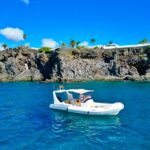
Once you’re on the coach, you can relax. The bus is described as air-conditioned and comfortable, and the driver’s skill shows on narrow, winding roads once you’re on La Gomera. The high point before you even reach the island is the crossing: the high-speed ferry is quick enough to keep momentum, and the sea view helps you shake out the morning rush.
Practical tip: plan to be flexible. This is one of those tours where the day’s rhythm depends on ferry timing and how smooth pickup is. If you’re the type who hates rushing, build patience into your mindset.
You can also read our reviews of more tours and experiences in Tenerife
San Sebastián: capital city time and Columbus connections
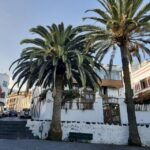
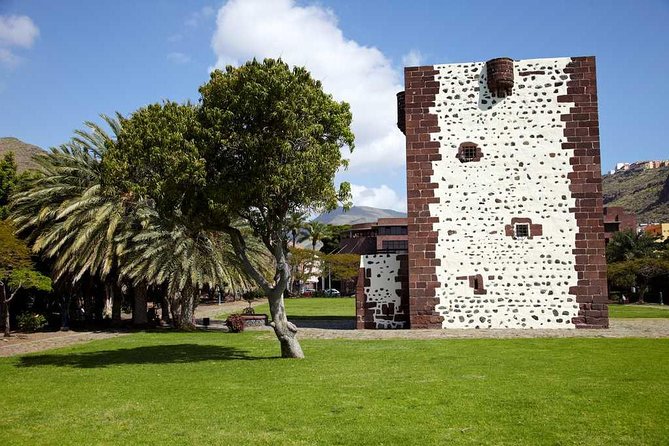
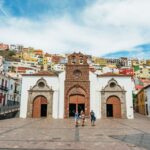
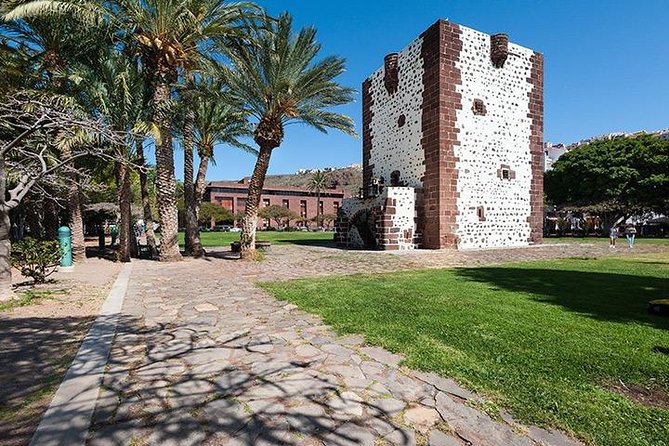
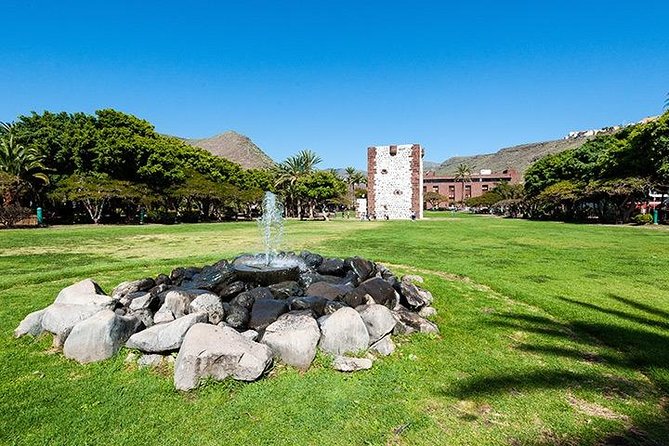
When you arrive, you head to San Sebastián, the island’s capital. This stop is where the tour slows down just enough to feel like you’re in a real place, not just passing through. Expect sun-dappled streets and plazas—plus the story of Christopher Columbus, tied to La Gomera through local association and tradition.
What I like about this kind of stop: you get a chance to look up from your camera and actually read the island. A lot of day trips jump straight to nature. Here, you get a city moment first, even if it’s not long.
You should still keep expectations realistic. This is not a full-on city walking tour with long museum time. It’s more about atmosphere and orientation. One review mentioned around 45 minutes of time to walk around San Sebastián before heading back toward the ferry and the return coach.
Garajonay National Park: mossy forests and the UNESCO focus
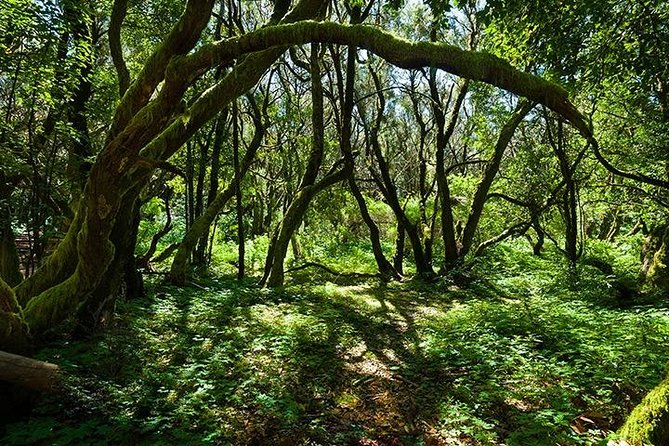
If you only remember one thing from the day, make it Garajonay National Park. This is the UNESCO-listed core of the experience, and it’s where the island’s “green” reputation isn’t just marketing. In practical terms, you’ll spend about an hour in the park area—long enough to feel the change in terrain and vegetation, not long enough to turn it into a long hike.
Why it works as a tour stop:
- The park’s views and forest feel are dramatic even when you’re moving on a schedule.
- You don’t have to figure out entry points, transport between sites, or how to structure your day around weather and timing.
There’s some walking, and reviews suggest it may be not for beginners or limited mobility, especially if you’re expecting totally flat, minimal-stairs paths. If that’s you, consider bringing a backup plan for comfort: shoes with grip, layers, and the willingness to take slower routes.
Also, keep in mind that wind and temperature can shift quickly in higher areas. One useful tip from reviews: bring jumpers or coats, because it can feel chilly and windy even if Tenerife felt warm.
La Laguna Grande lunch: included, but treat it as a solid base meal
Lunch is included, and it happens at La Laguna Grande at a local restaurant. You’re not just eating. This meal is part of the route design, often tied to the park area and timing, so it functions as a reset button before you tackle viewpoints and the return trip.
Here’s the honest expectation-setting:
- It’s described as a local restaurant inside or connected to the national park area, with a multi-course setup reported by multiple guests.
- Vegetarian options exist, but you need to advise at booking if you want it.
- Alcohol is not part of the included package in the basic terms, though some guests reported that water and even a glass of wine showed up with the meal.
What I like is the value logic: for many people, the hard part of visiting La Gomera on a day trip isn’t just transportation—it’s also making sure you get fed without losing time. Including lunch keeps the schedule tight and reduces the stress of hunting for food after a long ferry and park walk.
If you’re picky about food quality, you might find the meal is “good and filling” rather than a culinary highlight. Reviews mention everything from very positive meals to disappointment with seasoning or sweetness levels. The safe takeaway: go in hungry, expect a straightforward local style menu, and treat it as part of the day’s rhythm rather than a destination meal.
Roque Agando viewpoint and the best quick photo stop
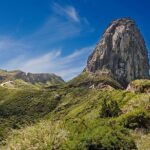
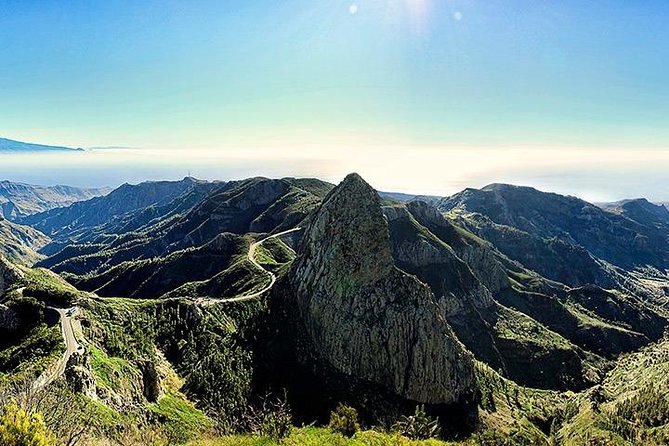
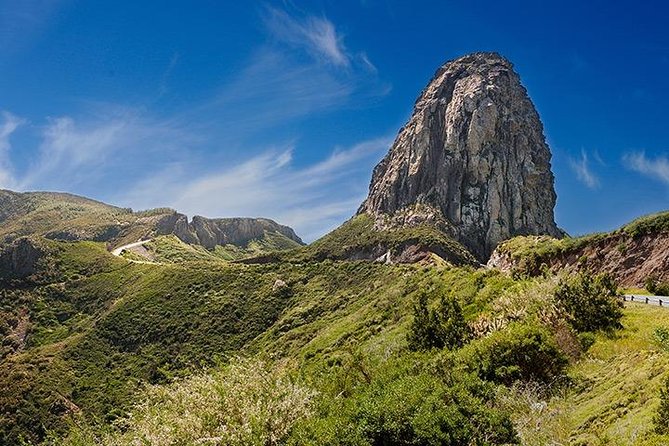
After the park, the route typically includes a viewpoint stop at Mirador Morro de Agando, for about 10 minutes, centered on Roque Agando. This is one of those moments where time feels short but the payoff is big.
Roque Agando is a protrusive rock formation that stands out immediately in photos and even more so in person. The short duration is deliberate: the tour tries to fit a key sight without turning the whole day into a long loop of stops.
Here’s how to get more out of a short viewpoint:
- Put on your “photo first” brain. If you’re waiting until the end of the stop to take pictures, 10 minutes evaporates fast.
- Wear something warm enough to stand still. Wind shows up here.

Silbo whistling: a cultural moment you can actually hear
One of the most memorable parts of the tour is a performance of Silbo, the whistling language used by locals to communicate across rugged terrain. It’s the kind of cultural activity that doesn’t require museum time or a deep background reading session. You just get to experience it.
Why it’s a smart inclusion:
- It breaks up the day between nature stops.
- It connects directly to why this island looks and feels the way it does—steep terrain, long distances, and the need for communication.
If your guide’s translation is hard to follow during bus commentary, don’t let that scare you off. Silbo is visual and auditory, and it tends to land even when the rest of the narration is a bit too much.
The multilingual guide factor: names you might hear and how to manage it
The tour is often described as English plus other languages. In other words: you’re not just listening to one track all day. That can be fascinating if you love learning. It can also get exhausting if the sound system is poor or the guide is speaking while switching languages constantly.
Some guides are specifically mentioned by name in the experience feedback:
- Teresa: praised by some for providing information in three languages and keeping things engaging.
- Antonio: praised for shaping the day with stories rather than just facts.
- Marcel: some found him easy to understand when speaking face to face, others said the constant language switching made things hard.
- Jose: noted for driving skill on narrow roads and smooth handling.
If you want the best chance of enjoying the commentary:
- Try to get a seat where you can see the guide clearly and hear the microphone (if there is one).
- Don’t force yourself to catch every word in multiple languages. Aim to catch themes: what the park is about, why the rock formation matters, what Silbo represents.
- When the guide is explaining the nature stops while you’re standing outside, it tends to be easier to follow than while you’re rattling on the bus.
This is also where you should decide what kind of experience you want. If you’re hoping for a quiet, single-language narrative, this tour may feel noisy. If you want a structured day and don’t mind translation style being a variable, it can still be a great way to see La Gomera.
Bus comfort, winding roads, and what the day pacing really feels like
Most of the “how was it?” comments boil down to pacing and comfort.
On the positive side, you’ll likely appreciate:
- Air-conditioned bus comfort
- Highly skilled drivers who handle narrow, winding roads safely
- Plenty of windows for photo stops on the way between major points
On the practical side, this tour is intentionally time-efficient. That means fewer long, unstructured breaks and more “arrive, see, regroup.” One review mentioned road disruptions due to an event that forced earlier arrival at the national park. That’s a real possibility on a remote island: roads can close, and timing can shift.
You’ll also likely pass through villages on the descent back toward sea level, including Chipude and El Cercado. These pass-through moments are short, but they help you understand the island’s scale—how quickly the environment changes from forested areas to more settled zones.
Bathroom reality check: with tour buses, restroom stops can depend on the venue. If you’re the type who hates waiting, be proactive. Use facilities at the park or at planned breaks rather than counting on a last-minute chance.
Timing, ferry schedules, and the risk of a late return
Because this is a ferry-based day trip, you’re operating under real clock pressure. The main schedule elements are designed to fit the transport chain: Tenerife pickup, ferry crossing, park and viewpoint stops, then the return ferry and coach drop-off.
Some guests reported pickup and drop-off hiccups, including a very late return and drop-off location constraints under overpasses when drivers couldn’t get closer. Those stories are not the norm in every account—but they are a reminder to stay flexible if you book. If you have dinner reservations back on Tenerife, don’t put them at the exact hour you’re landing.
What I recommend:
- Plan a relaxed evening back in Tenerife.
- Keep your energy for the ferry and the park, not for arguing about timing at the end of a long day.
Who should book this La Gomera day trip (and who should consider another option)
This tour is a strong match if you want:
- A first-timer friendly way to see La Gomera without self-planning
- A day centered on Garajonay National Park plus a capital stop
- A cultural stop like Silbo that feels connected to place
It’s a weaker match if:
- You hate multilingual commentary and depend on clear, single-language narration
- You struggle with walking and uneven forest paths
- You need long, independent time in each stop rather than short, structured visits
- You’re very sensitive to sound quality and microphone clarity
If you’re traveling with someone who needs accessibility accommodations, ask about what “moderate physical fitness” means in practice for the park walk on that day. The tour is not described as fully step-free.
Value check: is $125.82 a good deal?
Let’s talk value without hand-waving.
At $125.82 per person, you’re paying for:
- round-trip ferry transport
- a coach with hotel pickup/drop-off in selected areas
- a professional guide
- lunch at a local restaurant tied to the park day
- major entry points like Garajonay National Park visits (described as free in the stop notes)
The key value point is that you’re not paying separately for ferry logistics, guide interpretation, and lunch while trying to manage timing. For many visitors, that bundled convenience is worth a lot—especially on islands where transport planning can eat your day.
Is it risk-free? No. If the guide’s voice is hard to understand due to multi-language delivery or microphone issues, you may feel like you paid for a bus day with some nature stops. But if the narration clicks for you, the included structure saves real effort and gets you to the island’s top sights.
Should you book this tour?
I’d book it if you’re excited to see Garajonay National Park, want an organized day that includes San Sebastián and Silbo, and you don’t mind that the narration might be split across multiple languages. It’s a practical way to sample La Gomera without turning your vacation into spreadsheets.
I’d skip or switch to something else if you’re very picky about audio clarity, you want a long time in just one or two places, or you know you’ll struggle with park walking. In those cases, the structured pace and multilingual delivery can feel like friction.
Bottom line: this is a good-value “big highlights in one day” trip, with one recurring variable—how well you can follow the guide over the day. If that doesn’t bother you, La Gomera is waiting.