REVIEW · TENERIFE
Guided Tour with 6 Wine Tasting
Book on Viator →Operated by Bodega Viñátigo · Bookable on Viator
A wine tour that moves at a human pace. You get a guided walk through Bodegas Viñátigo, starting in the variety garden, then stepping through the wine-making process on the terrace, and finishing indoors with architecture, methods, and a commented tasting of 6 wines. The best part is that it feels built for real questions, not just photo stops.
I love how clearly the guide connects grape growing to what’s in your glass, and I really like the small group size. One possible drawback: if you go during the harvest period, you may hear and see extra activity from the team working around you.
In This Review
- Key Things to Know Before You Go
- First Stop at Bodegas Viñátigo: What the 2-Hour Visit Feels Like
- Variety Garden Walk: Canarian Grapes and Where They Fit
- Terraced Wine-Making Stages You Can See Up Close
- Inside the Winery: Architecture, Family Craft, and Ongoing Work
- The Commented Tasting of 6 Wines (and How to Enjoy It)
- Price, Group Size, and What You Leave With
- Who This Tour Suits Best (and Who Should Pick Something Else)
- Should You Book This Viñátigo Wine Tour in Tenerife?
- FAQ
- FAQ
- Where does the tour start?
- How long is the guided tour?
- How many people are in the group?
- What is included in the price?
- Is private transportation included?
- Are snacks included?
- What language is the tour offered in, and how do I get my ticket?
- Are service animals allowed?
- What are the alcohol age rules?
- Is there free cancellation?
Key Things to Know Before You Go
- Variety Garden first: You start by meeting the grapes before anyone talks technique.
- Terrace stages you can see: The tour explains parts of the process outside, not just in a lecture room.
- Inside the winery has stories: You’ll learn why the building and layout matter for the craft.
- Carolina’s guidance: Guests praised Carolina for being attentive and genuinely good at explaining.
- 6-wine tasting with commentary: You’re not left alone with a sample tray.
- Small groups (max 12): Easier pace and more chances to ask questions.
First Stop at Bodegas Viñátigo: What the 2-Hour Visit Feels Like
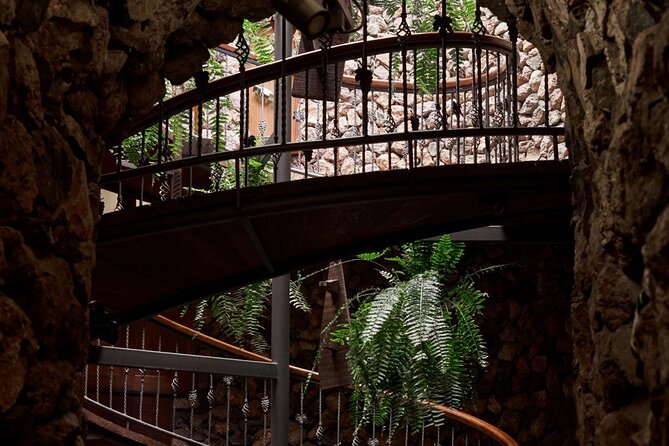
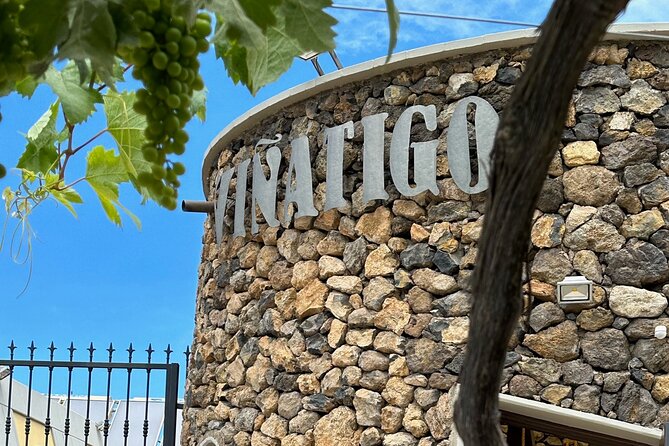
This is a tight, well-structured 2-hour winery visit. You meet at Bodegas Viñátigo (Tr.ª Juandana, s/n, Santa Cruz de Tenerife) and you’ll finish back at the same place—so you’re not stuck figuring out a new endpoint. The tour runs in English, and you get a mobile ticket, which makes last-minute schedule changes less annoying.
What I like about the format is the flow. It starts outside, shifts to the terrace for hands-on process talk, then moves inside for the architecture and how the winery operates. It ends with the part most people care about: tasting 6 wines with the guide commenting as you go. You’re basically getting a short “from vine to bottle” story arc—without a full-day commitment.
The group size also matters. With a maximum of 12 people, you’re less likely to get herded like a unit, and you’ll have a better shot at hearing the guide over the chatter. During harvest season, though, there can be more noise and movement than you’d expect in a quiet tour—one guest noted workers were active throughout the visit.
You can also read our reviews of more food & drink experiences in Tenerife



Variety Garden Walk: Canarian Grapes and Where They Fit
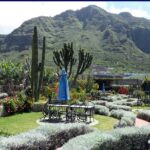
The tour begins in the variety garden, and I think that’s the smartest choice for a first-time wine visitor. Instead of starting with the barrel room or a random tasting table, you learn about the varietals the winery grows and the way history and geography connect to them. Even if you don’t know wine terms yet, this part gives you a mental map.
You’ll get context for the grapes before the guide talks methods. That makes the later parts easier to follow. When you later hear about how wine is made, you’re not starting from scratch. You can ask more meaningful questions too, like why certain methods work better for a particular style.
Also, the variety garden sets a calm rhythm at the beginning. It’s a chance to orient yourself and slow down before you go into the more technical areas. If you like learning with your eyes—seeing how a winery thinks—this first stop does a good job.
What to consider: since this is a guided visit, you’ll want comfortable walking shoes. The tour is short, but you’ll be moving between outdoor points and indoor spaces.
Terraced Wine-Making Stages You Can See Up Close
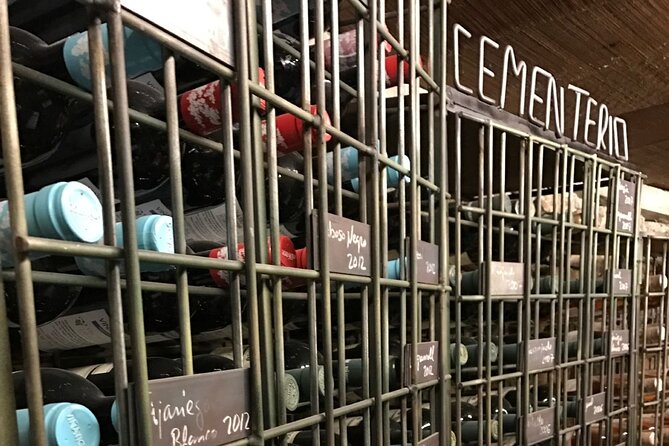
Next comes the terrace, where you learn the first stage of wine creation. The value here is simple: you get an explanation tied to an actual place. Instead of hearing about “stages” in the abstract, you see where that work happens and why it’s done that way.
For me, this terrace portion is the bridge between the garden and the winery interior. The garden gives you the grapes; the terrace gives you the process; the winery building gives you the culture and system behind it. By the time you’re heading indoors, you’re already thinking like a maker, not just like a drinker.
If you’re the kind of person who likes to understand what affects taste, watch for how the guide links steps to outcomes. Even without a technical background, you can usually pick up the basic idea: the process influences aroma, texture, and overall style.
One more reality check: because harvest work can be in progress, this terrace stage may include extra bustle. A guest mentioned noise from workers moving around. That doesn’t mean the tour is disrupted, but it’s a good reminder that you’re visiting a working winery, not a museum set.
Inside the Winery: Architecture, Family Craft, and Ongoing Work
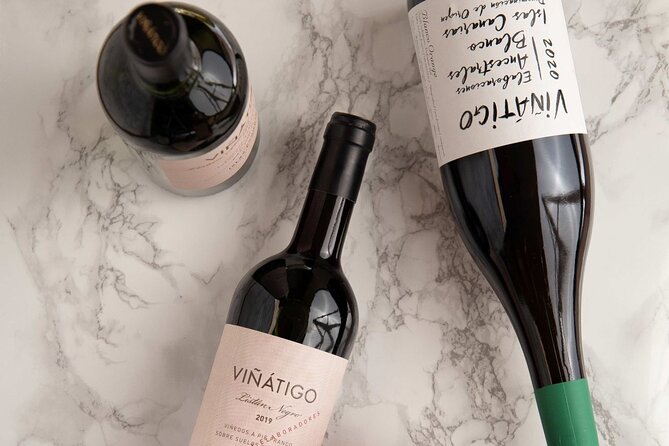
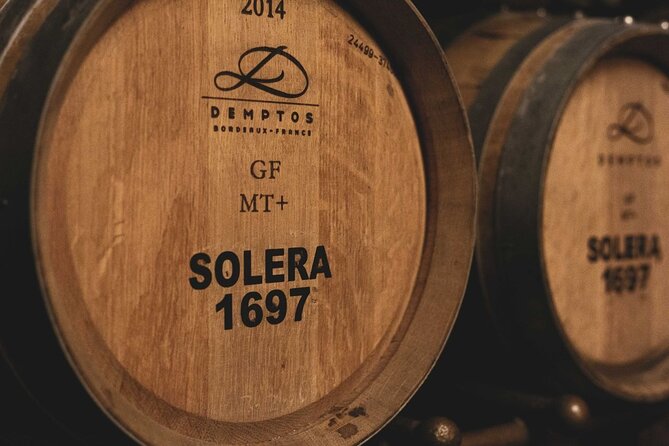
Once you’re inside, you’ll see the winery’s unique architecture and hear more about the history and the different methods the winery uses to produce quality wines. This is where the tour shifts from “what happens” to “why it’s done here.”
I especially like this indoor segment because it’s about the bigger picture. The guide helps connect craft and space—how the winery’s design supports the way wine is made. That kind of context tends to stick, and it makes the tasting feel less like a random sampling.
Also, one of the strengths of Viñátigo-style family wineries is that the story isn’t just marketing. A guest described it as a good four-generation family winery. Even if you don’t go hunting for genealogical details, you’ll feel that the place runs on continuity—people learning and improving over time.
Practical note: during vendimia (harvest), you might see team members working or equipment moving. The good news is that it can add authenticity. The tradeoff is that it may feel less quiet than you’d expect. If you’re sensitive to noise, plan on the fact that this is a live production site.
The Commented Tasting of 6 Wines (and How to Enjoy It)
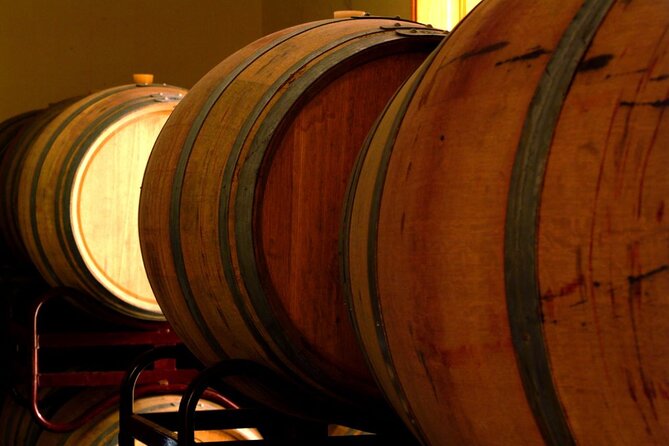
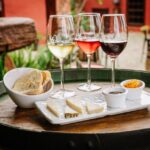
The tour finishes with a commented tasting of 6 wines, and that commentary is the difference between simply drinking and actually learning. The guide talks you through what you’re tasting and how to connect each wine to the earlier process explanations.
Here’s how to get more value from the tasting part:
- Take small notes in your phone if you want to remember what you liked. It’s easier than trying to reconstruct it later.
- Taste with your senses in order: smell first, then sip, then think about finish. The guide’s comments become clearer when you give your brain a simple framework.
- If one wine doesn’t fit your style, don’t panic. Use the guide’s explanation to understand what that wine is trying to do.
This tasting structure also helps you compare styles. When you have 6 wines in a row with explanation, you start noticing patterns: which ones are lighter or fuller, which feel more aromatic, and how the production methods may show up in the glass.
One more tip: the tour includes wine tasting, and the minimum alcohol consumption age is 18. If you’re 18+ but you don’t plan to drink, the tour says to book the child ticket. That’s not about age limits for you as a person; it’s about how they handle the tasting component.
You can also read our reviews of more guided tours in Tenerife




Price, Group Size, and What You Leave With
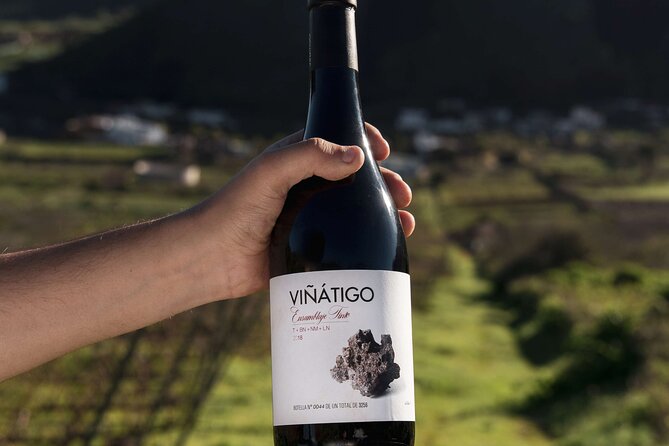
At $48.19 per person for about 2 hours, you’re paying for three things: a guided visit, a wine tasting of 6 samples, and the structure that turns a winery visit into a learning experience. You’re not just paying for wine. You’re paying for someone to connect the dots for you.
The math usually works best if you like guided experiences. If you’re the type who enjoys asking questions and learning how choices affect taste, a guided format saves you time and confusion. If you prefer to wander freely and sample at your own pace, you might feel boxed in—though with only up to 12 people, the pace is generally manageable.
Also pay attention to what isn’t included. Private transportation isn’t part of the price, and snacks aren’t provided. Plan your day so you’re not starving before you start. If you need food, grab a bite before the tour or plan something right after.
The tour does include:
- a winery visit
- a guided tasting of 6 wines
- a guide
The meeting point is the winery itself, and it ends back there. That’s helpful. You won’t be hunting down a new pickup after tasting.
Who This Tour Suits Best (and Who Should Pick Something Else)
This tour is a great fit if you want a focused introduction to winemaking on Tenerife. It’s also ideal for people who like a mix of outside views and inside storytelling—variety garden, terrace process explanation, then architecture and methods indoors. The tasting is guided, so you’re not left with 6 glasses and a blank face.
You’ll likely enjoy it most if:
- you’re curious about how geography and grape choices connect to wine
- you want a short, high-information experience (not a half-day of logistics)
- you value a small group and Q&A time
Who might rethink it?
- If you hate noise during harvest, go in mindfully. The winery can be active, and some workers may be present during your visit.
- If you want a self-guided tasting only, this is built around narration and structure.
Should You Book This Viñátigo Wine Tour in Tenerife?
I’d book it if you want a solid, guided sampler of how this winery thinks and makes wine. The format is efficient: start with the grapes, see a process stage on the terrace, understand the winery space indoors, then end with a guided tasting of 6 wines. The small group (max 12) is a real quality-of-life upgrade, and the guide style seems to matter here—Carolina was specifically praised for being attentive and excellent at explaining.
Before you reserve, just set expectations about working harvest energy. If you’re the type who needs total quiet, look for a different kind of tour. If you’re okay with some movement and you’d rather see a winery in action, that’s when this experience shines.
FAQ
FAQ
Where does the tour start?
The tour starts at Bodegas Viñátigo, Tr.ª Juandana, s/n, 38441, Santa Cruz de Tenerife, Spain.
How long is the guided tour?
It runs for about 2 hours.
How many people are in the group?
The tour has a maximum of 12 travelers.
What is included in the price?
You get a visit to the winery, a tasting of 6 wines, and a guide.
Is private transportation included?
No. Private transportation is not included.
Are snacks included?
No. Snacks are not included.
What language is the tour offered in, and how do I get my ticket?
The tour is offered in English, and you receive a mobile ticket.
Are service animals allowed?
Yes, service animals are allowed.
What are the alcohol age rules?
The minimum age for alcohol consumption is 18. If you’re over 18 and do not drink alcohol, the tour information says to book the child ticket.
Is there free cancellation?
Yes, there is free cancellation. You can cancel up to 24 hours in advance of the experience for a full refund.