REVIEW · TENERIFE
DEEP DIVING SPECIALITY – Discover a new world up to 40m depth !
Book on Viator →Operated by LJ Diving Tenerife · Bookable on Viator
In This Review
- Tenerife’s 40m specialty is small, focused, and serious.
- Key Things That Make This 40m Program Worth Your Time
- Where You Start in Tenerife (Las Galletas, Near the Marina)
- Two Days, Four Training Sessions, and a Clear “40m” Goal
- Who’s Teaching and How the Small Group Works
- Planning at Depth: The Decompression Computer Is the Real Star
- What You’ll Actually Do Underwater (Beyond the Depth Number)
- Gear, Photos, Coffee, and the Between-Session Rhythm
- Certification Support: PADI Process and Getting Paperwork Done
- Price and Value: Is $439.13 Fair for Two Days to 40m?
- Weather, Fitness, and Other Real-World Considerations
- Should You Book This 40m Specialty in Tenerife?
- FAQ
- How deep does the program go?
- How long is the experience?
- How many training descents are included?
- What certification is included?
- Is scuba equipment included?
- Is personal scuba insurance included?
- Where do we meet?
- When will I get confirmation after booking?
- What happens if weather is poor?
Tenerife’s 40m specialty is small, focused, and serious.
This two-day scuba specialty in Tenerife is built for people curious about the deep. You’ll work toward 40m depth under a PADI-style structure, with Ludo and Julie guiding you through the safety math and the calm body skills that matter at altitude under pressure. I like that it’s small-group by design—max 2 per course—so you’re not just along for the ride.
What I really like: the emphasis on planning and decompression procedure using a computer, not just reaching a number. You also get practical extras that make the whole experience easier: all gear use is included, and you receive photos after.
One consideration: it’s non-refundable and can’t be changed, so pick your dates with real weather awareness. The provider also notes the activity needs good conditions, and poor weather can shift things.
Key Things That Make This 40m Program Worth Your Time
- Max 2 per course: instruction stays personal, not crowd-management.
- Four training descents across two days: you get repetition, not one-and-done exposure.
- Decompression computer focus: planning is treated like a skill, not paperwork.
- Ludo and Julie’s safety watch: they monitor you before and during the sessions, and switch turns on the boat.
- Photos plus simple comfort: gear is handled, and coffee/tea is included, with extras noted by past students like shower amenities.
You can also read our reviews of more scuba diving tours in Tenerife
Where You Start in Tenerife (Las Galletas, Near the Marina)
You’ll begin at LJ centre in Las Galletas (Calle Consuelo Alfonso Diaz-Flores, 16, 38631 Santa Cruz de Tenerife). It’s a straightforward meeting point, and the location is described as near public transport, which helps if you’re not driving. The shop hours run daily 9:00 AM to 6:00 PM, so you’re not stuck hunting for a pickup window.
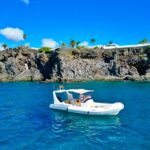
If you’re planning your trip, Las Galletas is a good base because it’s close to where the boats operate. One of the nicest practical notes from past students: there’s a shower setup on-site after sessions, and toiletries like soap/shampoo and towels are mentioned. That’s a small detail, but it saves you hassle when you’re moving on to dinner, not lounging on a beach.
Two Days, Four Training Sessions, and a Clear “40m” Goal
The program runs about 2 days and centers on a single aim: help you handle the mindset and procedures of going to up to 40m safely. You’ll complete four training descents. The point isn’t only depth—it’s mastering what makes deep water different:
- safety habits that stay consistent under stress
- planning that you can repeat without guessing
- autonomy skills so you’re not dependent on constant hand-holding
This structure is valuable because deep water is not just “more down.” You’ll be managing more variables at once—air use, buoyancy stability, and time/pressure awareness. Doing multiple descents over two days builds muscle memory. One lesson learned the hard way in many sports is that one successful attempt doesn’t equal skill; this format tries to fix that by giving you several chances to practice the same core tasks.
Who’s Teaching and How the Small Group Works
This is led by a dedicated, experienced instructor and designed for a small group (2 max per course). In practice, that “small” changes everything. You can ask questions without feeling like you’re delaying a schedule designed for a larger crowd. It also means the instructors can watch your body position and decision-making closely.
Past students repeatedly mention Ludo and Julie taking turns and staying attentive—watching you before and especially during the sessions. That matters because deep-water safety isn’t only about following rules. It’s also about noticing small issues early, like buoyancy wobble or timing problems, before they become real concerns.
There’s also a friendly team feel onshore. One name that comes up is Lucie, who appears as part of the support group. When a center runs like a team, it usually means gear setup and transitions are smoother—less waiting around, fewer “where do I go next?” moments.
Planning at Depth: The Decompression Computer Is the Real Star
The program specifically includes a decompression procedure tool (computer). That detail is more important than it sounds. At depth, it’s not just about reaching a target; it’s about managing time and pressure so your body comes up safely.
In plain terms, you’ll learn to treat decompression planning as a process you can understand and execute. That’s exactly the kind of training that supports independence later—especially if your goal is to build toward bigger certifications or more advanced underwater work.
Past students also highlight the message that these deeper sessions must be planned carefully and followed to the letter. That isn’t just instructor talk. It’s a reminder that deep water punishes casual thinking. The value here is that you’re practicing the discipline while you still have strong supervision.



What You’ll Actually Do Underwater (Beyond the Depth Number)
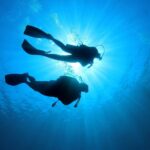
The description is straightforward: you’re attracted by the abyss and want to discover what’s there—then the program opens the door to a deeper way of scuba training up to 40m. But the experience isn’t just about the view.
You’ll do four descents, focused on safety, planning, and autonomy. That usually means repeated skills and checks: how you prepare, how you manage your routine mid-session, and how you handle your own responsibilities while staying inside the safety framework.
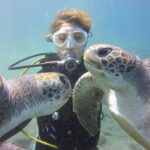
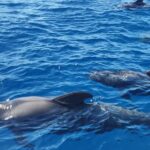
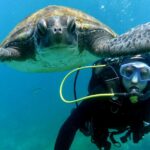
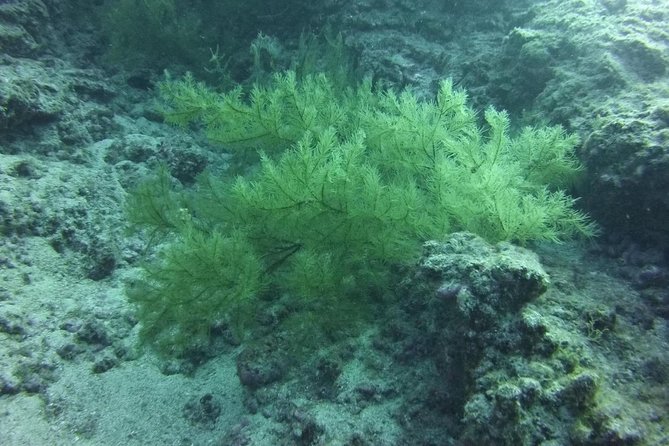
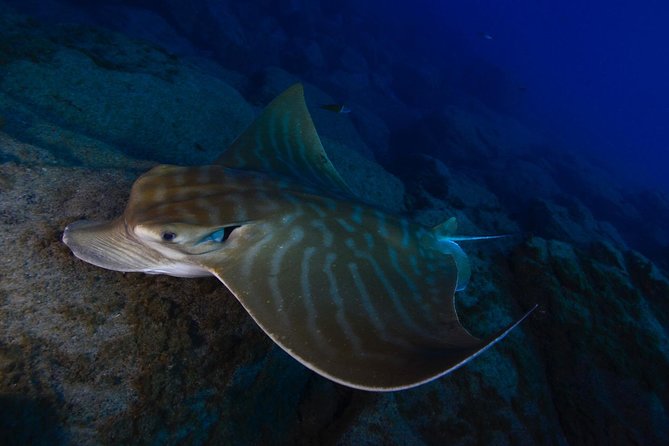
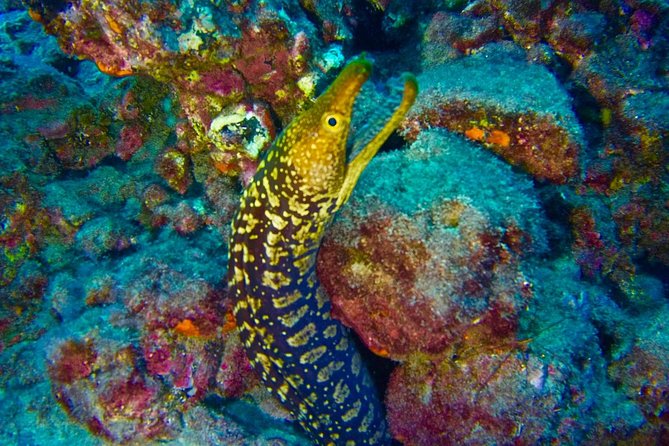
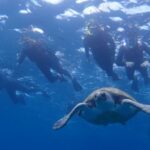
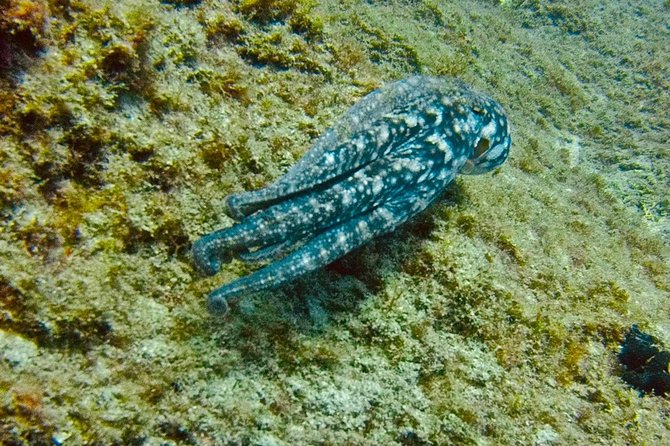
One of the most fun and specific “what you might see” notes: some sessions include caves and turtles as highlights. Tenerife’s water can be wonderfully alive, and when instructors steer you toward meaningful features, the whole day feels less like training homework and more like a real expedition—just with smart structure.
Gear, Photos, Coffee, and the Between-Session Rhythm
You’re not bringing your own equipment for this one. Scuba equipment use is included, which removes a big chunk of uncertainty when you arrive on vacation. Instructors can fit and prepare gear to match the course plan, and you can focus on learning instead of troubleshooting.
Included extras are simple but helpful: photos and coffee and/or tea. After a full day on the water, being able to relax with something warm and then get photos later is genuinely nice. It means you’ll have proof of what you accomplished without chasing a waterproof camera at the same time.
Also, small logistics details matter. Past students mention the on-site shower setup and a comfortable rhythm between sessions. That’s the difference between a course that feels exhausting and one that feels like you still have energy for an evening walk and dinner in Tenerife.
Certification Support: PADI Process and Getting Paperwork Done
This specialty includes PADI certification processes, plus theoretical support materials. In other words, you’re not just doing underwater practice. You get the theory support that helps you understand what you’re doing and how it fits the credential.
Past students mention “bridges” between levels and ongoing training requests. One highlight stands out: a student with a specific ongoing instructor-track training request felt other centers weren’t delivering what they asked for. This center’s response was to fit the training needs more closely while still keeping sessions appropriate. Even if your situation isn’t identical, it signals a good training mindset: they don’t just toss you into the most exciting option and call it done.
Price and Value: Is $439.13 Fair for Two Days to 40m?
At $439.13 per person for about two days, you’re paying for more than a boat ride. The value comes from the combo of:
- small-group instruction (max 2 per course)
- four structured training descents
- PADI certification support and theory materials
- decompression computer use as part of the learning
- included equipment and photos
Compared with tours that simply take you to depth for a sightseeing-style experience, this is more training-heavy. That typically costs more, and that’s fair—because the center is giving you time, attention, and structured coaching rather than only access to water.
The only clear extra you need to plan for: personal scuba insurance is not included. That’s common, but it’s important. If you don’t already have insurance that covers this type of activity, you’ll need to buy it separately.
Weather, Fitness, and Other Real-World Considerations
The experience requires good weather. The provider states that if it’s canceled due to poor weather, you’ll be offered a different date or a full refund. Since deep water days are weather-dependent, I’d treat this like a “weather-first” activity, not something you schedule like a museum ticket.
You should also have moderate physical fitness. This matters because even if you’re not running marathons, you’ll be working in gear, managing your breathing, and staying calm through procedure. If you have mobility limits or health concerns, it’s smart to talk with the instructor ahead of time—deep water training should never feel like you’re powering through.
Finally, since it’s non-refundable and cannot be changed, protect yourself by booking with some flexibility in your overall itinerary.
Should You Book This 40m Specialty in Tenerife?
Book it if you want:
- small-group, high-attention instruction
- a structured program focused on planning and decompression procedures
- repetition across four descents over two days
- a team vibe with instructors like Ludo and Julie who actively monitor safety
- included gear, photos, and simple comforts like coffee/tea
Skip it or think twice if:
- you’re uncomfortable committing to dates because it’s non-refundable
- you’re not able to meet the moderate fitness requirement
- you don’t have (or don’t want to arrange) personal scuba insurance
FAQ
How deep does the program go?
The specialty is designed for underwater training up to 40m depth.
How long is the experience?
It runs for about 2 days.
How many training descents are included?
You’ll do 4 training descents as part of the program.
What certification is included?
The program includes PADI certification processes and theoretical support materials.
Is scuba equipment included?
Yes, use of SCUBA equipment is included.
Is personal scuba insurance included?
No. Personal scuba diving insurance is not included, so you’ll need to arrange it yourself.
Where do we meet?
You meet at LJ centre in Las Galletas, Calle Consuelo Alfonso Diaz-Flores, 16, 38631 Santa Cruz de Tenerife, Spain.
When will I get confirmation after booking?
Confirmation is received within 48 hours of booking, subject to availability.
What happens if weather is poor?
If it’s canceled due to poor weather, you’ll be offered a different date or a full refund.