REVIEW · TENERIFE
Bonadea II Ecological Whale Watching, 2 hours
Book on Viator →Operated by Bonadea II - Diomedea · Bookable on Viator
Two hours, close to whales. Bonadea II runs ecological whale watching in Tenerife’s protected waters, aiming for real viewing instead of chasing. I love the small group (max 6) and the respect-first approach; the main thing to consider is that the trip needs good weather, and the boat can’t take passengers over 130 kilos.
In practice, you’re set up for sightings like pilot whales and dolphins, with the chance of turtles and even seabirds such as Cory’s shearwater. The guide, Sergio, delivers clear English explanations and helps you understand what you’re seeing and why the rules matter.
For $78.64 per person, it feels like you’re paying for quality time on the water: quieter viewing, a close-feeling boat, and conservation-minded behavior. You meet at Av. de Colón, 4 in Costa Adeje, and the outing ends back there.
In This Review
- Key things to know before you go
- Bonadea II in Teno-Rasca: ecological whale watching with real rules
- Where you start in Costa Adeje and how the 2 hours usually feel
- What you can realistically spot: pilot whales, dolphins, and turtles
- Sergio’s approach: close viewing without chasing
- The Santa Cruz reference and why the protected zone matters
- Price and value: is $78.64 a fair deal for 2 hours?
- Who should book Bonadea II, and who should think twice
- Should you book this ecological whale watching tour?
- FAQ
- How long is Bonadea II ecological whale watching?
- How much does the tour cost?
- Where do I meet for the tour?
- Does the tour run in English?
- What is the maximum group size?
- Is there a weight limit for passengers?
- What kind of wildlife is the tour designed to see?
- Is service animals allowed?
- What happens if the tour is canceled due to weather?
- Is there free cancellation?
Key things to know before you go
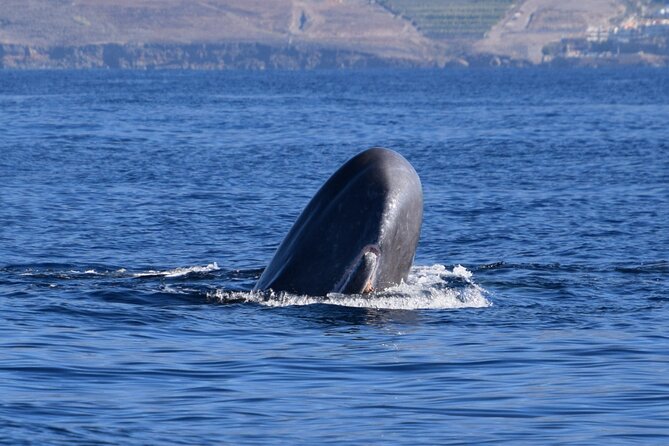
- Protected-zone sailing: operating in the ZEC Teno-Rasca marine strip within the Natura 2000 network
- Max 6 people: a small boat feel, with more attention and less chaos
- Low-disturbance whale watching: animals are approached in a careful way, often with the engine turned off
- Sergio’s guiding in English: clear spotter-style guidance and respectful animal behavior lessons
- Conservation actions on the ride: plastic and floating debris picked up along the way
- Real odds for highlights: pilot whales, dolphin pods, and occasional turtle sightings
Bonadea II in Teno-Rasca: ecological whale watching with real rules
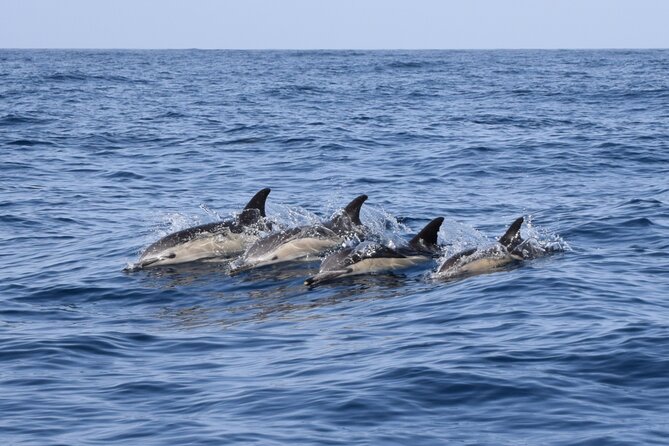
This trip is built around one idea: watch marine life in a protected place, and don’t treat it like a theme-park show. Bonadea II operates in a Special Conservation Zone (ZEC) called Teno-Rasca, part of the Natura 2000 network. That matters because it’s not just marketing—it’s the framework that shapes how you’re allowed to behave on the water.
The operation is also tied to official eco-recognition in the Canary Islands. You’ll hear about the Blue Boat flag—an authorization connected to the Tourism Department of the Government of the Canary Islands and the Spanish Ministry for environmental activities. That’s the kind of detail you want to see when you’re booking whale watching, because it signals that someone is tracking compliance, not just chasing photos.
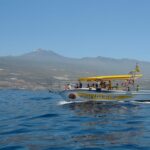
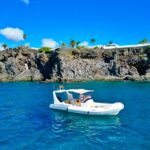
On a practical level, the “ecological” part shows up in how the boat behaves near animals. People often talk about how quiet the boat is and how the captain works to keep distance and reduce stress. The best sign: when animals are nearby, the focus shifts from motion to observation.
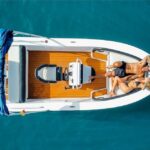
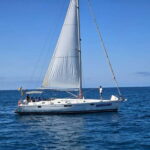
And since it’s a small craft with a maximum of 6 people, the whole trip has less noise and less bumping around. It’s easier to keep a steady gaze on the water instead of constantly turning your head to see over shoulders.
You can also read our reviews of more whale watching tours in Tenerife


Where you start in Costa Adeje and how the 2 hours usually feel
The meeting point is Av. de Colón, 4, 38660 Costa Adeje (Santa Cruz de Tenerife), Spain. The activity ends back at the same place, so you don’t need a second transfer plan or a complicated “meet us here, end there” shuffle.
Timing is short: about 2 hours on the water. For many people, that’s a sweet spot. You get enough time to search and circle, but you’re not stuck for a full half day if the sea is choppy or you’d rather do other Tenerife plans afterward.
A couple more practical notes that affect your comfort:
- You’ll want good weather. If conditions are poor, the experience can be rescheduled or refunded.
- The boat can’t carry passengers above 130 kilos, so check this before you commit.
- Service animals are allowed, and the meeting area is near public transportation.
- You’ll receive confirmation at booking time, and you’ll use a mobile ticket.
The vibe is closer to a guided field trip than a loud sightseeing race. It also tends to be more personal because there are so few people aboard.
What you can realistically spot: pilot whales, dolphins, and turtles
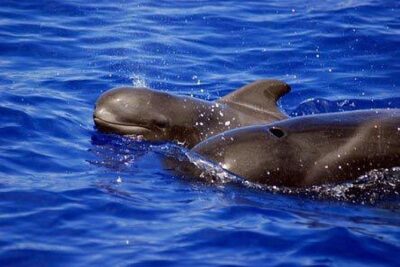
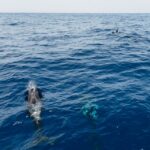
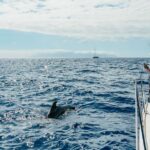
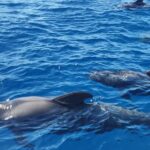
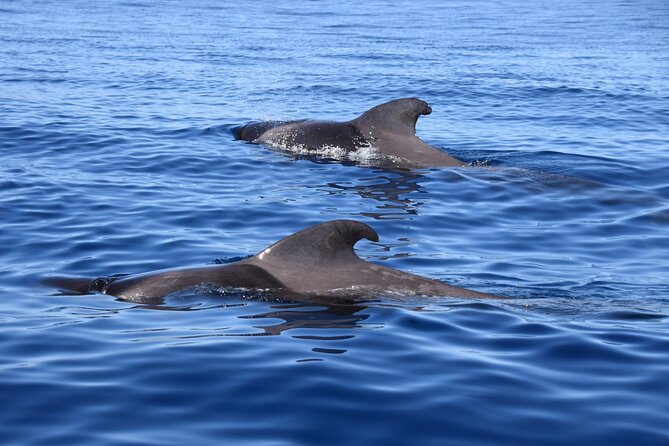
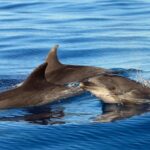
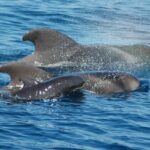
Tenerife is famous for cetaceans, and this outing is aimed at seeing them in their natural patterns—not just passing by and hoping. The most repeated highlight is pilot whales, especially when mothers and young calves are around. When a pod is calm enough to surface near the boat’s path, you often get time to watch behavior rather than only brief moments.
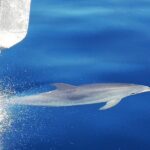
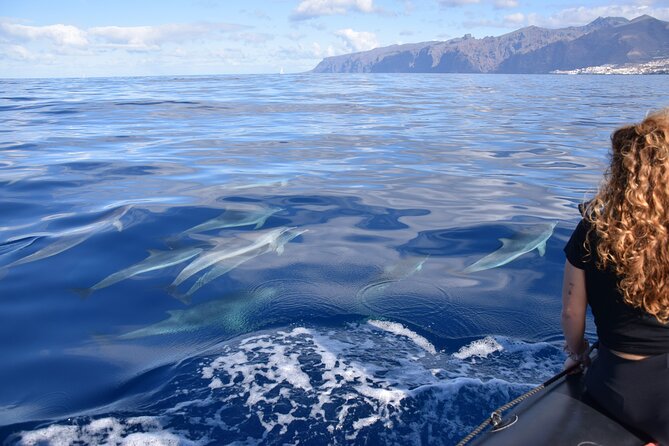
You’ll also have good odds for dolphins. Depending on the encounter, you might see bottlenose dolphins and other dolphin pods. A common theme in accounts is how close you can get while still keeping a respectful distance.
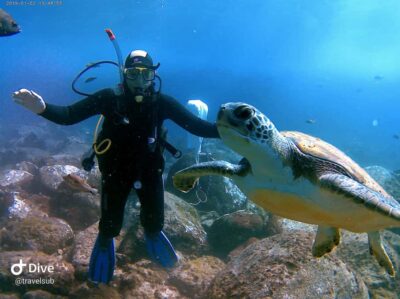
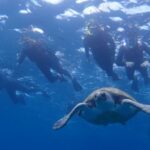
Turtles are the “nice bonus” when conditions line up. One of the sightings reported is a leatherback turtle, and there are also accounts of the captain sharing a turtle story connected to rescue and recovery. The takeaway for you: if a turtle shows up, you’ll want to watch quietly and let the guide direct you on how to observe.
Even if the big mammals are shy, seabirds can give clues about where life is active. Cory’s shearwater is one example mentioned during tours.
A key point: animal sightings aren’t guaranteed on any whale-watching trip. What you can control is choosing an operator with the right behavior and the flexibility to re-position when the ocean offers better chances. The best sign here is how the captain handles time on the water—circling the protected zone and staying patient when animals aren’t immediately visible.
Sergio’s approach: close viewing without chasing
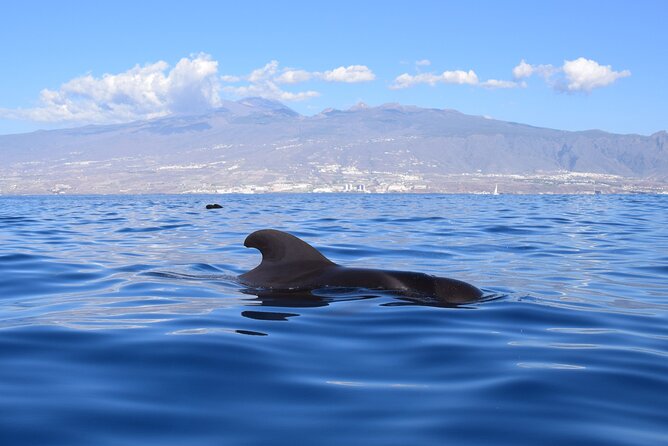
This is where the experience often wins or loses. The captain’s method is built on respect: the animals are not forced to come to you, and the boat isn’t treated like a magnet.
A few specifics that stand out:
- The captain aims to approach in a way that reduces disturbance, sometimes turning the engine off to lower noise. That’s a big deal with whales and dolphins, because sound plays a role in how they communicate and coordinate.
- When animals are nearby, the boat behavior shifts. You’re not constantly speeding up and slowing down. Instead, you get steadier observation.
- The captain also explains why certain behavior by other boats can harm animals. For example, people describe discussion about illegal or reckless navigation inside protected areas, including boats using loud music and open bars that affect animal wellbeing.
There’s also a strong “care for the ocean” streak. Along the ride, floating plastic debris can be collected. That’s not the main reason to book a whale tour—but it’s a meaningful extra, especially if you care about the marine environment beyond just seeing the animals.
And yes, sometimes the interaction is playful. One account describes a curious pilot whale swimming close on its own, almost like curiosity took over. When that happens, the best operator is the one that knows when to stay still and let the moment be theirs.
The Santa Cruz reference and why the protected zone matters
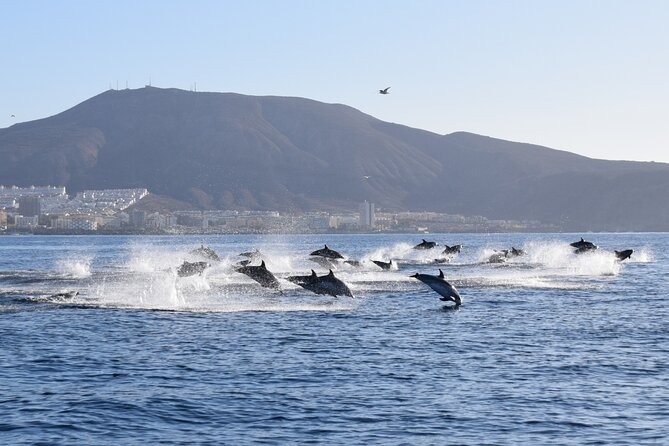
The activity details reference Santa Cruz de Tenerife as the main stop, but the real “action” happens out on the water where the boat searches within the ZEC Teno-Rasca marine strip. Think of Santa Cruz as the regional anchor for the trip, while the conservation zone is the engine behind the experience.
Why does that matter for you? Because protected zones shape what’s possible. They also guide how captains plan routes, how they time searching, and how they decide when to stay put versus move on.
In practical terms, it means you’re not just doing random sightseeing. You’re targeting a known ecological area where cetaceans feed, rest, and move through predictable patterns. And it increases the chance that your whale watching will be focused on real sightings rather than just looking for shapes in the distance.
You can also read our reviews of more tours and experiences in Tenerife

Price and value: is $78.64 a fair deal for 2 hours?
At $78.64 per person, this isn’t the cheapest option in Tenerife. But you’re not only paying for the boat ride. You’re paying for:
- A small group (max 6), which usually means more attention, quieter viewing, and less competition for the best angles
- Operation in an approved conservation context (ZEC Teno-Rasca, Natura 2000)
- A captain who prioritizes animal-safe behavior, including quieter approach techniques
- English-language guiding and on-water explanation that helps you understand the encounter
- Conservation actions such as collecting floating plastic
When you compare that to larger boats that can feel more like a busy tour line, the value is easier to defend. Two hours also helps the math. You get a concentrated experience without draining half your day.
A small tip: plan for this to be a popular slot. The average booking lead time is about 16 days, so if you’re traveling during peak weeks, locking it in ahead of time is smart.
For most people, the “value” question isn’t only price. It’s how much of the time feels like you’re actually watching whales and dolphins, with the boat behavior supporting the wildlife instead of interrupting it. This one is set up to do that.
Who should book Bonadea II, and who should think twice
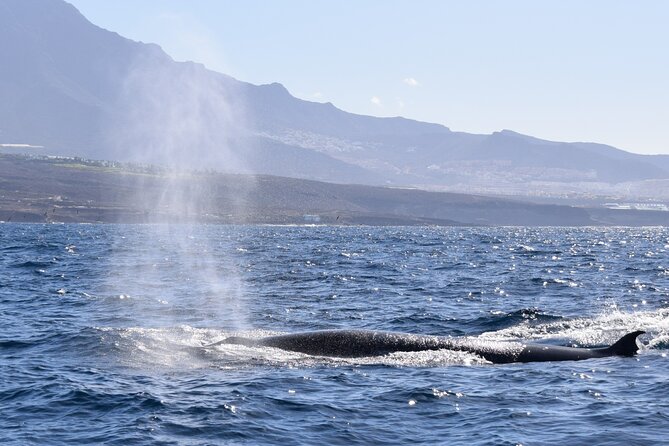
This experience is a great fit if you:
- Want wildlife-focused whale watching in Tenerife’s protected waters
- Prefer a smaller boat and a more calm atmosphere
- Like guides who explain what you’re seeing and why the rules exist
- Appreciate eco-minded details like not chasing animals and picking up debris
Families often do well here because the group stays small and the time is manageable at around 2 hours. The captain’s energy also helps people stay engaged while waiting for sightings.
You might reconsider if:
- You’re above the 130-kilo limit for the boat
- Weather is a big unknown in your schedule. This experience requires good conditions, and a rough sea can affect the ability to run the tour
If you’re hoping for constant guaranteed action every minute, no whale watch can promise that. But if your goal is responsible observing and your priority is animal wellbeing, this checks the boxes.
Should you book this ecological whale watching tour?
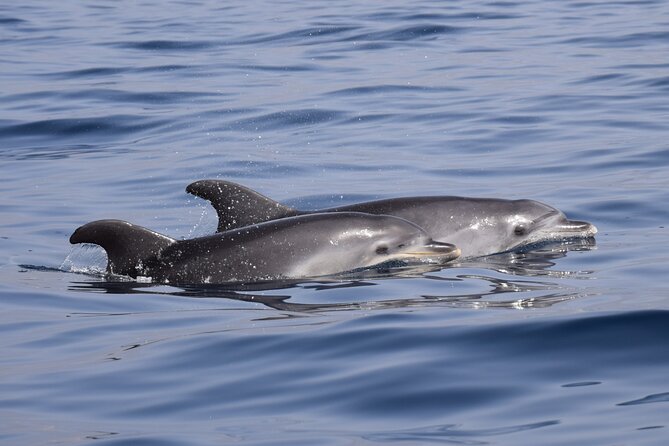
I’d book it if you want a Tenerife whale watch that feels like watching nature, not staging an attraction. The small group size, the protected-zone context, and the captain’s animal-safe habits make it a strong choice—especially if you care about what kind of boat behavior is happening when you’re out there.
Book it sooner rather than later if your dates are fixed. And on the day, come ready for a short, focused session: you’re signing up for two hours on the water with a clear plan and a captain who stays patient when the animals aren’t immediately showing.
If your top priority is seeing pilot whales and dolphins in a respectful way, Bonadea II is exactly the kind of outing that makes whale watching feel worth it.
FAQ
How long is Bonadea II ecological whale watching?
The tour lasts about 2 hours.
How much does the tour cost?
The price is $78.64 per person.
Where do I meet for the tour?
The meeting point is Av. de Colón, 4, 38660 Costa Adeje, Santa Cruz de Tenerife, Spain.
Does the tour run in English?
Yes, the tour is offered in English.
What is the maximum group size?
There is a maximum of 6 travelers.
Is there a weight limit for passengers?
Yes. Due to the boat’s characteristics, passengers over 130 kilos can’t be carried.
What kind of wildlife is the tour designed to see?
The experience is designed for sightings of dolphins, whales, and other marine fauna.
Is service animals allowed?
Yes, service animals are allowed.
What happens if the tour is canceled due to weather?
If it’s canceled due to poor weather, you’ll be offered a different date or a full refund.
Is there free cancellation?
Yes. You can cancel up to 24 hours in advance for a full refund.