REVIEW · TENERIFE
Bodegas Monje Winery Ticket w/Wine Tasting & Mojo Sauce Workshop
Book on Viator →Operated by Bodegas Monje Wine&Tours · Bookable on Viator
Mojo sauce class at a real Tenerife winery. You get a guided winery walk, then hands-on cooking with a chef—plus a structured wine tasting with smart pairings. The focus on making three mojos the Canarian way (coriander, parsley, and red) is the main draw.
I like that the tasting is built into the workshop: you’re not just sipping in the corner. You’ll also be served a small flight of young wines—Dragoblanco, Hollera, and MonjeTradicional—matched with local bites while you cook. One thing to consider: the timing is set, and the experience can run a bit before or after the listed slot, so plan some flexibility around your day.
In This Review
- Key Highlights Worth Your Time
- Bodegas Monje in El Sauzal: wine country with a work-at-the-counter vibe
- How the 11:00 slot (and other times) plays out in real life
- Winery tour first: what you’re seeing before the kitchen begins
- Wine tasting with three young Tenerife pours and real pairings
- Mojo workshop: making coriander, parsley, and red the Canarian way
- A small safety/practical note about tools
- Eating your own mojo: the meal part that seals the experience
- Price and value: why this is more than a standard tasting ticket
- Language, group size, and the small details that change your day
- Who should book this mojo workshop, and who might skip it
- Tips to get the most out of your visit
- Should you book the Bodegas Monje mojo workshop?
- FAQ
- What’s included with the Bodegas Monje ticket?
- How long does the experience take?
- What time does the tour start?
- What languages are available?
- What mojo sauces will I make?
- What wines are included in the tasting?
- Is there a vegetarian option?
- Is bottled water included?
- Is the tour for adults only?
- Where does the tour start and end?
Key Highlights Worth Your Time
- Three mojo styles you’ll actually make: coriander mojo, parsley mojo, and red mojo, using traditional family recipes
- Wine tasting is part of the cooking rhythm with three included pours and pairings while you work
- Small-group feel with a maximum of 12 people, so you get real attention during the workshop
- You’ll sit down with what you made, not just taste it and rush out
- Language options are limited by day, with weekends in English at 3pm and other languages depending on selection
- Knife-and-sauce work is hands-on, so comfortable footing matters
Bodegas Monje in El Sauzal: wine country with a work-at-the-counter vibe
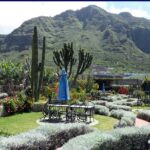
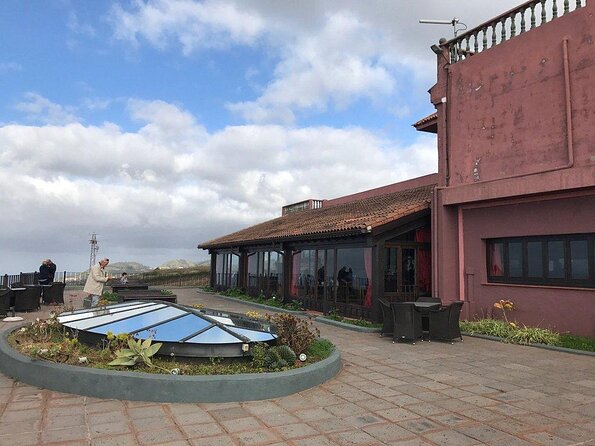
Bodegas Monje is in El Sauzal, in Tenerife, at a working winery address you’ll want to find easily: C. Cruz de Leandro, 36, 38360 El Sauzal. This matters because the experience is designed around doing, not watching. The day flows from guided winery viewing into a cooking workshop where you’re expected to participate.
The best part is the “two-track” format: you learn about how the wine is made (or at least how it’s produced and presented at the winery) and then you jump into food. That combination is great value on a vacation because you don’t have to choose between a wine tour and a cooking class—you get both in one session.
The setting also works well if you like local food that’s practical and not overly fussy. Mojo isn’t a trendy sauce here; it’s part of everyday Canarian flavor, and you’ll end up with a real recipe you can repeat.
You can also read our reviews of more tours and experiences in Tenerife



How the 11:00 slot (and other times) plays out in real life
The experience runs about 1 hour 30 minutes, typically in the 90–120 minute range. Tours are scheduled at 11:00h–13:00h–15:00h, and you start at 11:00 am for the slot listed on this booking type.
One practical note: even though tours have set times, the activity can happen a bit before or after the slot you pick. That means you’ll feel calmer if you don’t schedule a tight connection right after. If you’re doing other things in Tenerife the same day, give yourself a buffer.
There’s also a small but important detail: you’ll be with a maximum of 12 people. That small group size helps the chef actually guide you while you chop and mix, instead of doing a demo for a big crowd.
Winery tour first: what you’re seeing before the kitchen begins
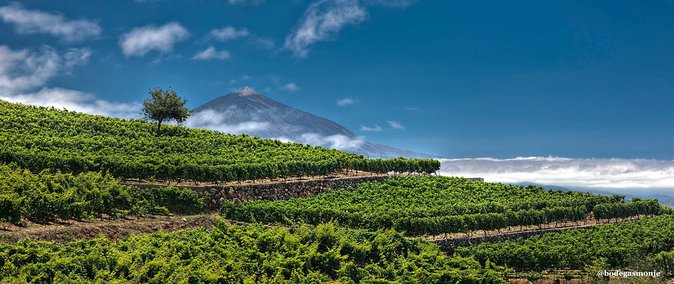
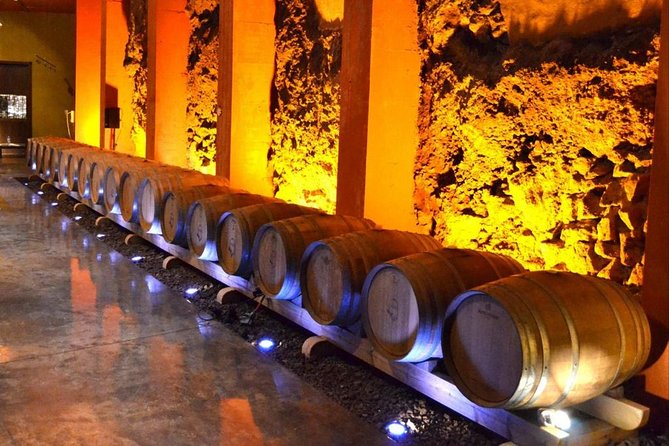
The day starts with a guide showing you around the winery. Expect a walk that includes the working parts of the facility—time spent in the cellars and an explanation of wine-growing and winemaking processes. This isn’t the kind of tour where you get one photo and a quick explanation. The tone is more like: here’s how production works, and here’s what you should pay attention to when tasting.
This “tour first” order is smart for two reasons:
- You start understanding the wines before you drink them.
- Then the tasting makes sense in context, because you’ll be using those same flavors in how you think about your meal.
Also, the tour is offered in multiple languages. Visits are given in Spanish and English, and depending on the day selected you can also get French and German. English has a specific pattern—weekends only in English at 3pm—so if language matters, check the day you book.
Wine tasting with three young Tenerife pours and real pairings
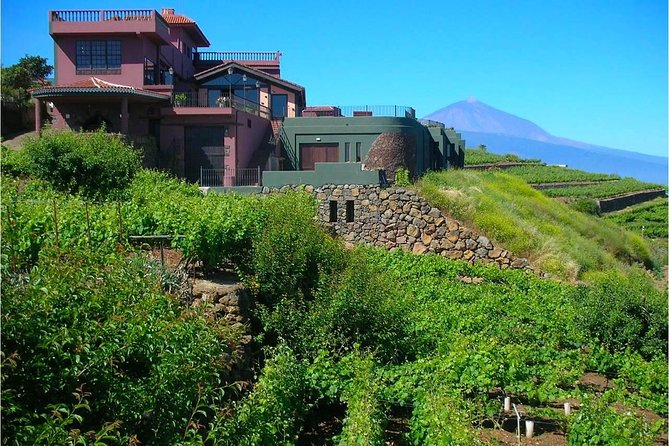
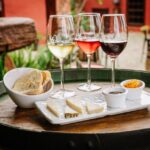
After the winery intro, the workshop gets underway and you’ll be served three glasses of young wines while you cook. These included wines are part of the structure of the experience, and each one has a pairing that ties into Canarian food habits.
Here’s the lineup you should look for:
- Dragoblanco (young white) with watercress butter
- Hollera (red wine made using carbonic maceration) with Almogrote
- MonjeTradicional (young red) with Canarian chorizo and wrinkled potatoes
Why this pairing style is useful: it teaches your palate in steps. White wine with a herby, buttered bite helps you notice freshness. Carbonic-maceration red is often fruit-forward, and pairing it with Almogrote (a Canarian cheese-based preparation) helps you understand richness and texture. Then the young red alongside chorizo and wrinkled potatoes gives you something more hearty—so your mojo-making isn’t happening in a vacuum.
If you like tasting, but you also care about value, this setup is a win. You’re not just getting a generic flight of wines. The pairing bites are integrated, and the timing keeps you engaged while you cook.
Mojo workshop: making coriander, parsley, and red the Canarian way
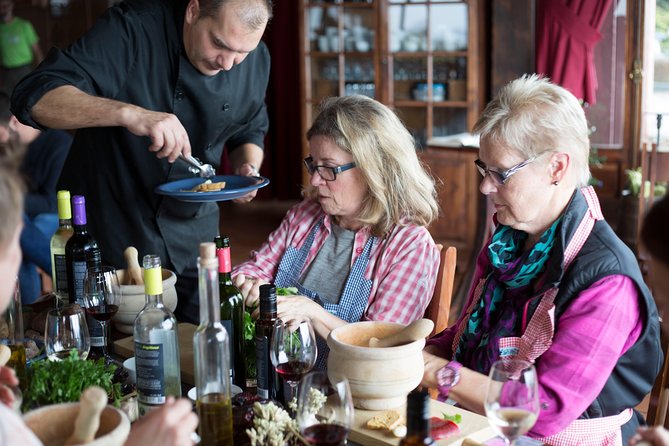
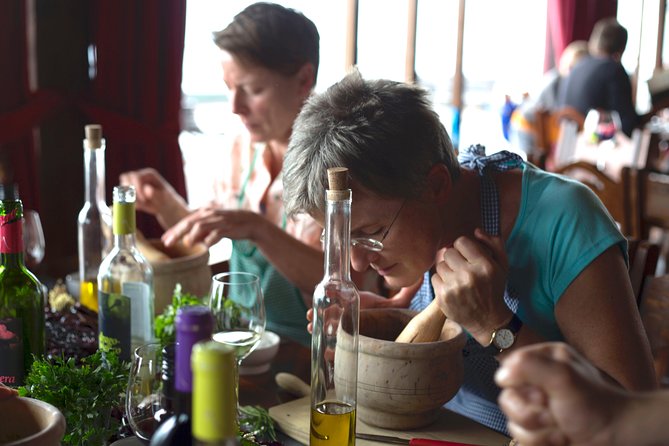
This is the main event, and it’s hands-on. You’ll make three types of mojo using traditional family recipes. The mojos are:
- Coriander mojo
- Parsley mojo
- Red mojo
What makes the workshop feel more authentic is the way it’s taught: a chef leads the process and then you get to do it yourself with guidance. In practice, that means you’ll work through technique—how the herbs and ingredients come together, what to look for as you mix, and how to balance flavor so it tastes like it should, not like a jar you opened in a hurry.
You may also find that the chef tests your first attempts and helps you correct details. That kind of coaching is a big deal if you’ve never made mojo before. It turns the workshop from “fun activity” into “I’ll actually do this again at home.”
You’ll also receive a recipe. That’s key if you want to recreate the sauces after your Tenerife trip without relying on memory.
You can also read our reviews of more food & drink experiences in Tenerife





A small safety/practical note about tools
Mojo making is done with real prep work, including chopping and stirring. One review comment mentioned that knife quality could be something to watch. The realistic takeaway for you: wear comfortable shoes, keep your pace steady, and don’t treat this like a quick demo. You’re cooking while tasting wine, so staying focused matters.
Eating your own mojo: the meal part that seals the experience
Once your mojos are ready, you’ll sit down to enjoy the meal you’ve made with your group. This part is more satisfying than it sounds because the food is built around what you actually produced.
The pairing components show up in the flow of the session, too—like wrinkled potatoes and Canarian chorizo—so you taste the mojo alongside the kinds of local staples it’s meant for. And because the tasting was integrated earlier, you’ll understand why the sauces work with those flavors.
If you’re vegetarian, you’re not out of luck. A vegetarian option is available—just advise the team at booking. For other dietary requirements, let them know when you book so they can plan appropriately.
Also included: bottled water. That helps you stay comfortable, especially since this is a full hands-on session rather than a quick lounge experience.
Price and value: why this is more than a standard tasting ticket
The price is $55.51 per person and it includes 7% I.G.I.C tax. That total matters because it’s not a “base price then extras” situation for the core experience.
What you get for that cost:
- A professional guide for the winery portion
- Wine tasting with the three specified young wines
- Mojo workshop instruction and hands-on cooking
- Food tasting and a seated meal
- Bottled water
- Alcoholic beverages described in the itinerary
What’s not included: alcoholic drinks not described in the description, plus food and drinks you choose to purchase.
So where’s the value? In the combination. A typical wine tasting often gives you pours and a quick snack. Here, you get structured tasting plus a real cooking class plus a meal. If you’re someone who likes to learn one skill and eat what you made, this format is unusually efficient.
It also helps that the group is capped at 12. Smaller groups often mean better attention during cooking, and you won’t feel lost while mixing sauce.
Language, group size, and the small details that change your day
If you’re booking and language matters, take it seriously. The experience is offered in Spanish and English, and French and German depending on the selected day. English is limited—weekends only in English at 3pm—so you may need to plan around the day you want.
Group size is small (max 12), which makes the pacing feel more relaxed. You’re not waiting forever for your turn, and the chef can answer questions while you’re working.
Dress code is practical: comfortable coat and footwear. That’s worth following. Even if it’s sunny outside, wineries often mean cool cellar spaces and surfaces that don’t love flip-flops.
One more check before you go: this activity is for those 18 and older.
Who should book this mojo workshop, and who might skip it
I’d book this if you:
- Want a Tenerife activity that’s not just scenic photos
- Like wine, but also want a food skill you can take home
- Enjoy hands-on cooking with a chef guiding you
- Prefer small-group experiences
- Like pairing learning: wine + local bites + the sauce that connects them
You might skip it if you:
- Don’t like cooking or prefer a purely passive tour
- Have dietary needs you haven’t discussed with the team in advance
- Need strict, no-flex timing for your entire afternoon (since the workshop can run slightly before/after the listed slot)
Tips to get the most out of your visit
- Pick your language early. If you want English, look carefully at the time/day options.
- Wear sturdy shoes. You’ll be moving and prepping, not just standing.
- Go with an appetite for learning. Mojo is simple, but it’s easy to make bland if you skip steps—follow the chef’s guidance.
- Ask about vegetarian options when booking. The tour can accommodate it if you notify them.
- Consider taking the recipe seriously. The whole point is that you can recreate it after you get home.
- Arrive a bit ahead if you can. One comment mentioned the possibility of on-site brunch offerings. Not every day will match that exact suggestion, but arriving early generally gives you time to settle in.
Should you book the Bodegas Monje mojo workshop?
Yes, if you want an experience that mixes wine knowledge with a real cooking takeaway. This ticket isn’t just for the tasting—it’s for the moment you mix, correct, and then eat your own mojo alongside young Tenerife wines and local food. The small group size and the hands-on chef instruction are exactly what make it feel worth the money.
If language access and timing are key for you, double-check the day you select—especially for English (weekend at 3pm). Otherwise, this is one of the more practical ways to spend 90 minutes in Tenerife: you leave with better wine context, a belly full of Canarian flavors, and a recipe you’ll actually use.
FAQ
What’s included with the Bodegas Monje ticket?
You get a professional guide, food tasting, wine tasting, bottled water, and the alcoholic beverages described in the experience. The meal portion is included after the workshop.
How long does the experience take?
It’s approximately 1 hour 30 minutes, with an estimated duration of 90–120 minutes.
What time does the tour start?
The listed start time is 11:00 am, and the experience also runs at 13:00h and 15:00h depending on the selected slot.
What languages are available?
Tours are offered in Spanish and English. Depending on the day selected, French and German may also be available. English is offered on weekends at 3pm.
What mojo sauces will I make?
You’ll make three types: coriander mojo, parsley mojo, and red mojo.
What wines are included in the tasting?
Three young wines are served: Dragoblanco (white) with watercress butter, Hollera (red made using carbonic maceration) with Almogrote, and MonjeTradicional (young red) with Canarian chorizo and wrinkled potatoes.
Is there a vegetarian option?
Yes, a vegetarian option is available. You should request it at the time of booking.
Is bottled water included?
Yes, bottled water is included.
Is the tour for adults only?
Yes. The activity is available only for those 18 years old and older.
Where does the tour start and end?
It starts at Bodegas Monje, C. Cruz de Leandro, 36, 38360 El Sauzal, Santa Cruz de Tenerife, Spain, and it ends back at the same meeting point.