REVIEW · TENERIFE
Try diving for the first time in turtle area
Book on GetYourGuide →Operated by Meerjungfrau Apnoe Akademie ES · Bookable on GetYourGuide
Turtles and training, all in one. A first-time scuba try-out in Tenerife’s turtle area is interesting because you get real instruction plus a very real chance to see wildlife, without feeling rushed or overwhelmed. I like the private group setup and the calm, safe approach led by instructors such as Natalie and Andrés.
You’ll start on the beach with dry practice, then move into the water to learn the key movements before you head out to see what’s swimming around. Expect a mix of learning and fun, plus a built-in souvenir package of underwater photos and videos you get after the tour.
One thing to plan around: you need to meet the health requirements, and you can’t fly for 12 hours after the session.
In This Review
- Key highlights to know before you book
- Where the turtle area meets first-timer scuba confidence
- Price and what you actually get for $100
- Before you go: swim ability, health limits, and the 12-hour no-fly rule
- From Café Magilu to the beach: your first steps in turtle territory
- Gear-up and learning the key movements at a calm pace
- What you’ll likely see: turtles, starfish, reefs, and an octopus
- The memento: underwater photos and videos after your session
- How a private group changes the entire experience
- Languages and the comfort factor for non-French or non-Spanish speakers
- What to bring (and what people often forget)
- Who this first-time scuba try-out is best for
- Should you book this in Tenerife?
- FAQ
- Where do we meet for the Tenerife scuba try-out?
- How long is the experience?
- Is this a private group or shared activity?
- What’s included in the price?
- Will I get photos or videos from the trip?
- Can I fly right after the experience?
- What do I need to bring, and do I need to be able to swim?
Key highlights to know before you book
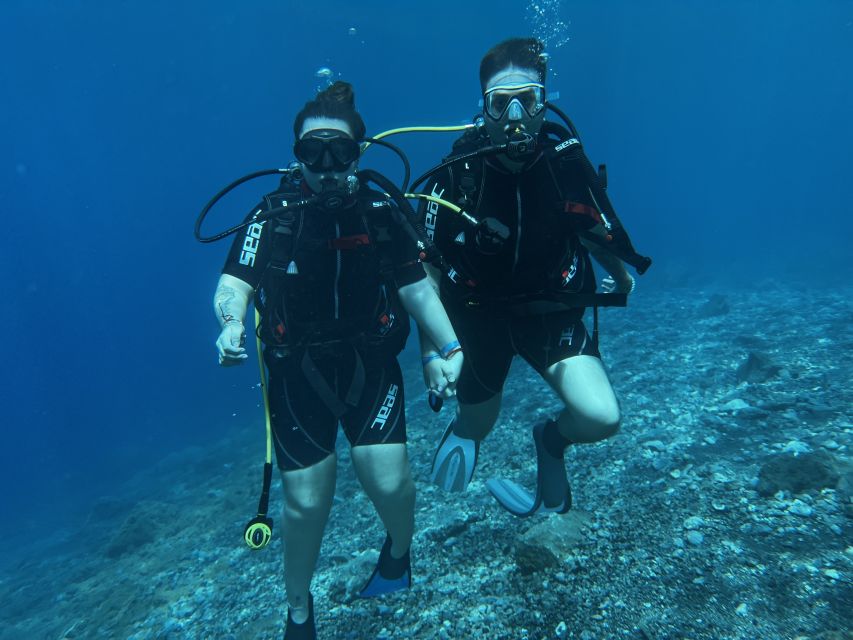
- Private group only so you’re not mixed into a larger crowd
- CMAS-led coaching with simple, patient explanations for beginners
- Turtle area wildlife that can include turtles, starfish, fish, reefs, and even an octopus
- Dry drills + in-water skills practice before you’re sent off to enjoy the scenery
- Photos and videos included for a real memento of your first time underwater
- Site may change with wind and water to keep conditions safe
Where the turtle area meets first-timer scuba confidence
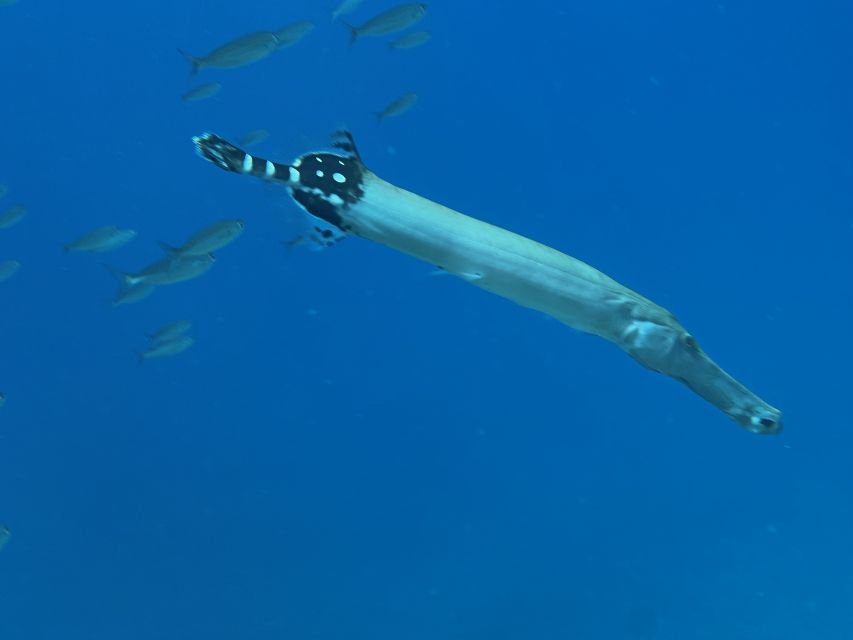
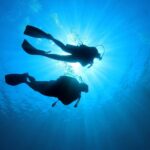
Tenerife is one of Spain’s easiest places to try scuba for the first time, and this experience focuses on a very practical goal: help you feel comfortable quickly. The plan is built around calm conditions, so your attention stays on the basics—breathing, buoyancy, and moving safely—rather than panic or big, chaotic motions.
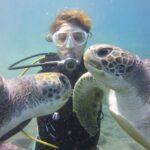
The big attraction is the turtle area theme. You’re not just going “because it’s underwater.” You’re going because there’s a good chance of seeing turtles and lots of other marine life nearby—fish, starfish, reefs, and sometimes a reclusive octopus. It’s the kind of mix that keeps the experience fun even while you’re learning.
And the vibe matters. The instructors are repeatedly described as warm and patient, with a family-like feel that makes it easier to ask questions. That matters for beginners, because your brain is busy learning new sensations.
You can also read our reviews of more scuba diving tours in Tenerife
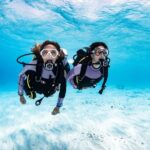
Price and what you actually get for $100
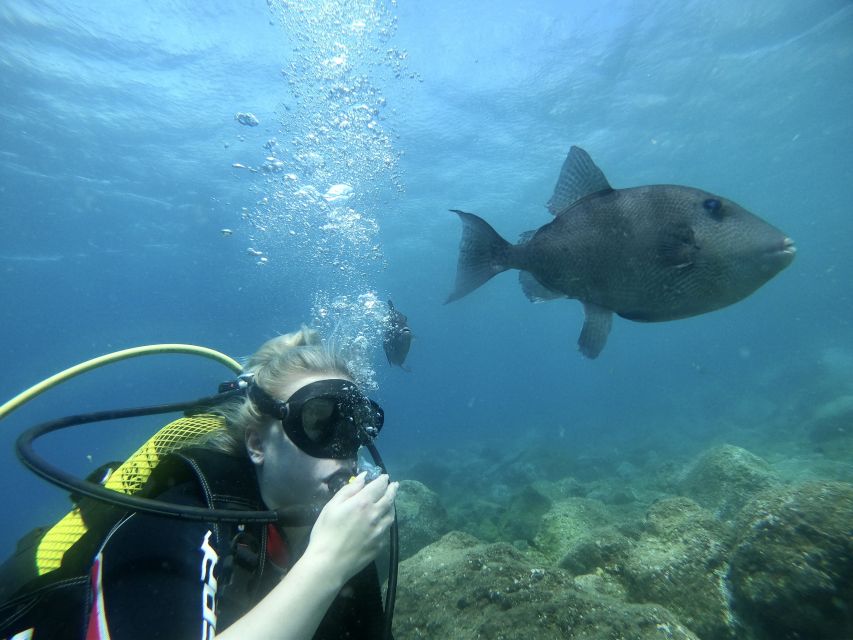
At around $100 per person for a 2.5-hour session, this isn’t just “gear + a quick swim.” The included package is what makes the price feel reasonable:
- Scuba equipment (plus neoprene and fins)
- An instructor to guide your skills step-by-step
- Underwater photos plus videos as a keepsake
- Diving insurance included
- A course component, not just a tourist pass
For many first-timers, the real value is that you’re paying for safety coaching and a structured introduction. If you’ve never done this before, a guided learning format usually beats “winging it” every time.
Also, you’re not sharing the experience with strangers. Since it’s a private group, you get more instructor attention and a steadier pace—one of the most overlooked parts of value.
Before you go: swim ability, health limits, and the 12-hour no-fly rule
This is the part you should read carefully, because it’s not a casual splash. The activity notes that you must be able to swim, and it also says it’s only possible if you don’t have problems with lungs, heart, or ears. You should also avoid it if you have a cold, epilepsy, are pregnant, or have had recent surgeries.
Plan around timing too: you cannot fly within 12 hours of completing the session. It also says not to mountain climb or drive (with Teide mentioned) for 12 hours after. If your day after includes a flight or a big outing, build buffer time.
One more practical point: glasses must be removed for underwater activities. If you wear contact lenses, the info notes they are recommended but can be lost underwater—so think through your comfort level with that.
From Café Magilu to the beach: your first steps in turtle territory
Your meeting point is Café Magilu, which has coffee and an outdoor playground nearby. That’s handy because you can arrive early, settle in, and not stress about finding the group.
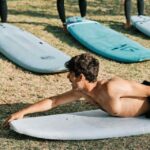
From there, you’ll go to the beach for the start of the session. The schedule is designed to reduce uncertainty. You don’t jump straight into the water and hope for the best. Instead, you’ll do important dry exercises on land first, which helps you understand what you’ll be asked to do with your body underwater.
This “dry to wet” rhythm is exactly what you want as a beginner. It turns the first minute in the water from a surprise into something familiar.
Gear-up and learning the key movements at a calm pace
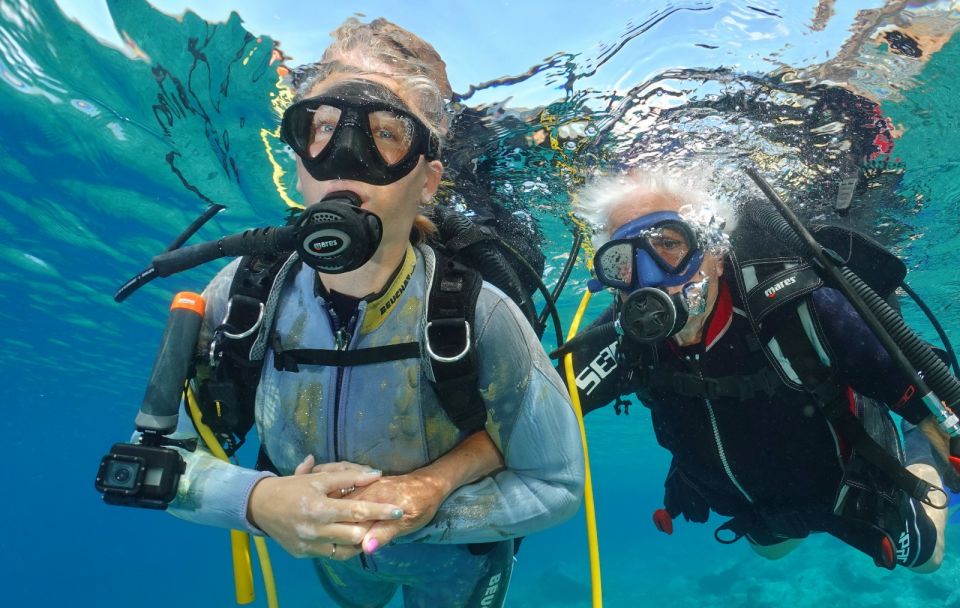
Once you’re at the water, you’ll get comfortable with scuba basics through a sequence of instruction. The experience is built around key scuba movements you’ll practice with your instructor—both on land and then in the water.
The pace is intentionally relaxed. The plan describes going down together at a gentle speed and then practicing the first movements once you’re under. That matters because your body needs a little time to adjust to breathing equipment and water pressure.
You’ll also learn what to focus on while swimming—how to control your motion so you don’t kick up sand or drift into the wrong area. Good beginner instruction isn’t just about safety. It’s also about giving you enough control that the wildlife sightings actually feel exciting instead of stressful.
And because it’s a private group, the instructor can keep the pace matched to your comfort level, rather than forcing you to follow a mixed group.



What you’ll likely see: turtles, starfish, reefs, and an octopus
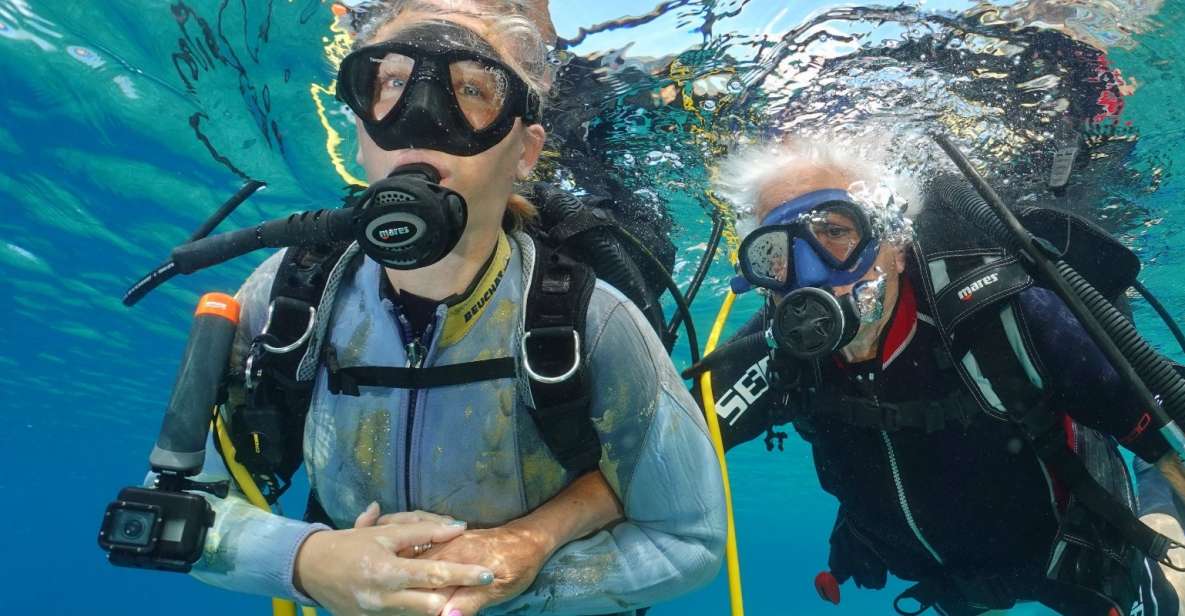
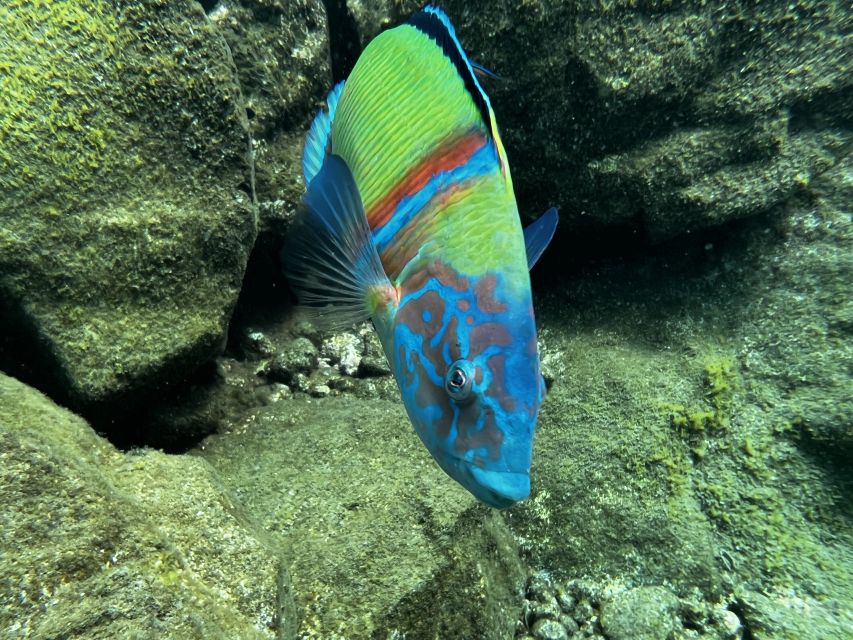
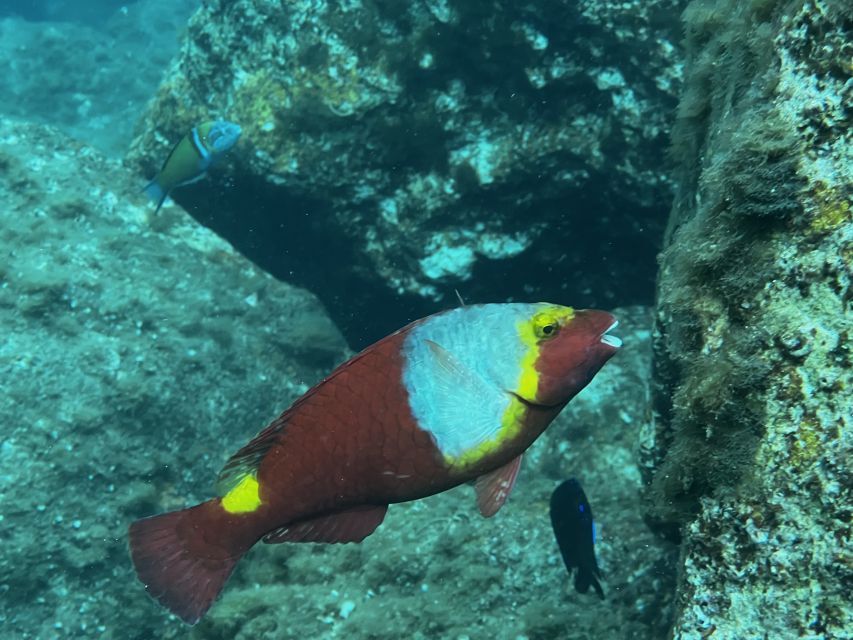
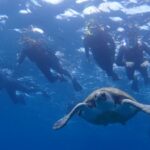
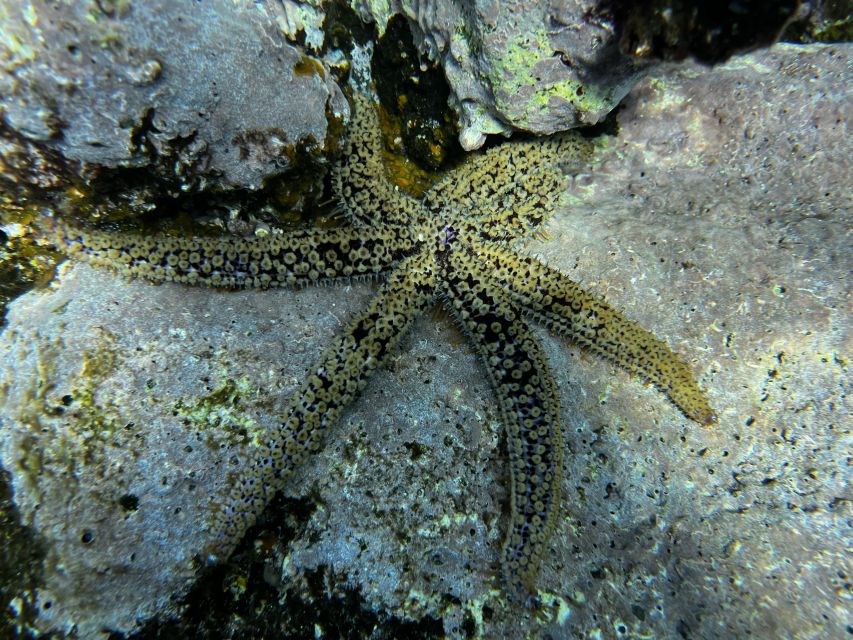
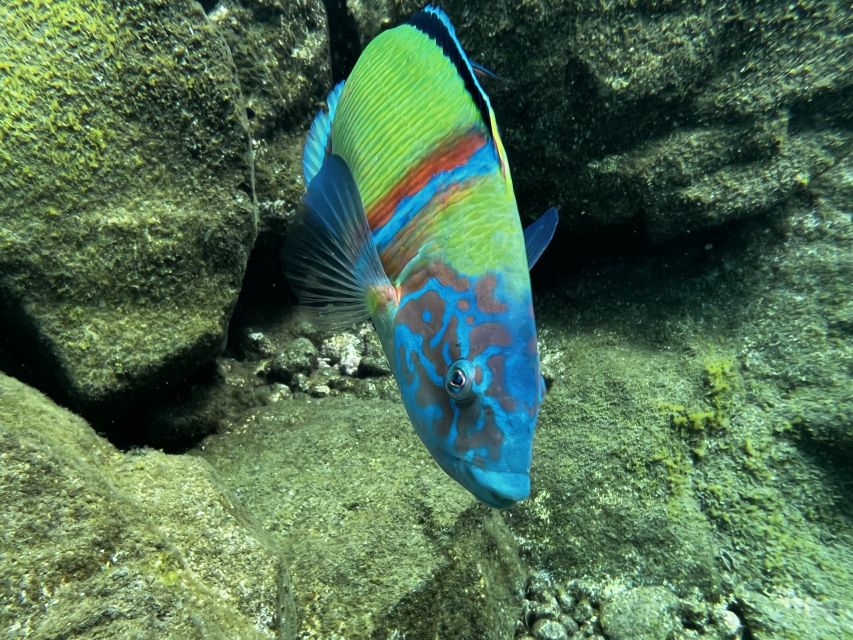
The underwater aim here is simple: see marine life while you’re still learning. The experience specifically mentions you might encounter hundreds of colorful fish, plus turtles in the turtle area. It also calls out starfish and reefs, and even notes the possibility of a reclusive octopus.
Here’s the practical way to think about it: wildlife spotting depends on the day, weather, and where conditions allow the group to go. The tour info says the place of diving can change depending on wind and water. That’s not a problem—it’s safety and comfort. Your best chance of meaningful sightings comes when conditions stay stable enough for beginners.
So don’t expect a guaranteed zoo tour. Do expect a guided, beginner-friendly route that prioritizes you feeling steady in the water first, then enjoying the surroundings second.
The memento: underwater photos and videos after your session
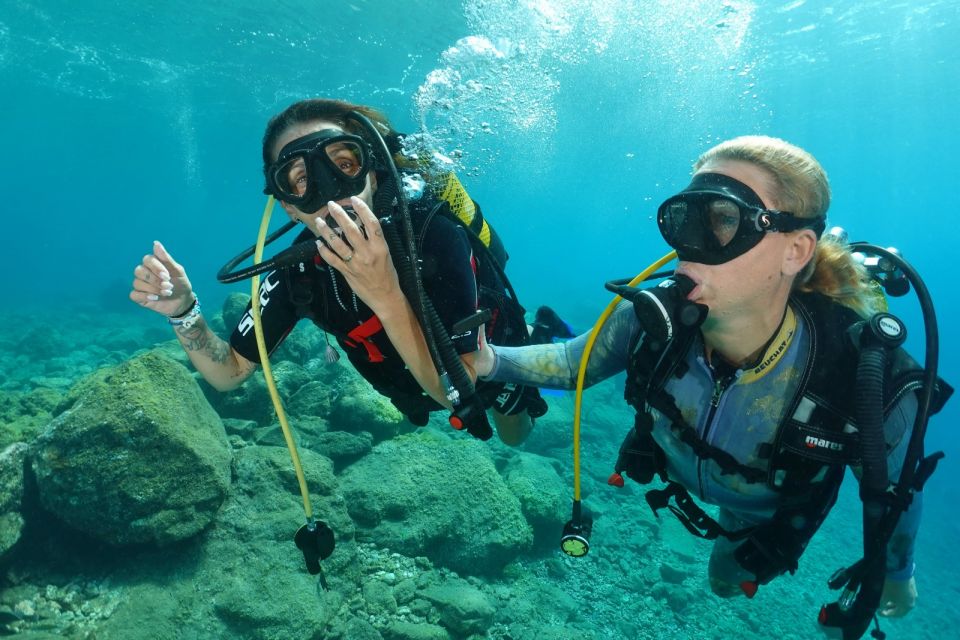
Most first-time scuba experiences leave you with either blurry memories or nothing at all. This one includes photos and videos as part of the tour package, which is a big plus.
The info says you’ll receive the videos and photos after the tour via mail or transfer. That means you’re not stuck waiting on-the-spot while the group is trying to keep moving. You get to focus during the session, then you get the keepsake afterward.
If you’re going with a partner, friends, or family, this also reduces the awkwardness of trying to film underwater with a phone. You’ll still see your own footage, but with professional documentation style.
How a private group changes the entire experience
This is where the experience feels different from crowded, conveyor-belt sightseeing. You only dive with your private group, not mixed with others.
That affects several things:
- You get more time to ask questions without feeling rushed
- The instructor can repeat explanations in a way that matches your learning pace
- The group stays calm, which is huge when you’re learning how to breathe underwater
In the written feedback, people specifically mention close, friendly attention and a feeling of safety from the first moments. That lines up with the private format: the instructor can watch you more closely and adjust on the spot.
Languages and the comfort factor for non-French or non-Spanish speakers
The instructors can work in English, German, and Spanish. That’s a practical detail that can make or break a beginner experience.
When you’re learning new movements, you don’t want misunderstandings about simple hand signals or basic safety instructions. Multiple language options also help if you’re traveling with a mixed group.
What to bring (and what people often forget)
You’ll want to come prepared. The tour asks you to bring:
- Swimwear
- Towel
- Flip-flops
Towels and bath clothes are not included, so plan for that. Also remember that glasses need special handling underwater. If you wear contacts, consider whether you’re comfortable with the risk of losing them underwater.
One more small tip: keep your change of clothes simple. You’ll likely want quick comfort after the water part is done, and that’s easier if you don’t pack a complicated post-swim outfit.
Who this first-time scuba try-out is best for
This experience is a strong match if you:
- Want a structured introduction with dry practice + in-water instruction
- Like the idea of a calm pace for your first time underwater
- Want a good chance at turtles, starfish, and reef life in Tenerife
- Care about having photos and videos afterward
It’s also described as suitable for nearly every age from 10 years on, while noting it isn’t suitable for children under 8. So for families, it can work well when kids meet the minimum age and the ability-to-swim requirement.
It’s less suitable if you’re dealing with any of the health conditions listed (lungs, heart, ears, cold, epilepsy), or if you’re pregnant or have had recent surgery.
Should you book this in Tenerife?
If you’re a first-timer and you want a guided, beginner-first scuba try-out where safety and comfort come before showing off, I think you’ll be happy with this setup. The private group format, the emphasis on practicing the basics, and the included underwater photos/videos make it good value, not just a fun activity.
I’d only hesitate if you can’t meet the swim or health requirements, or if your travel plans don’t allow the 12-hour no-fly window. If you can plan around that, this is one of the cleaner ways to experience Tenerife’s underwater life—turtle territory included—without feeling out of your depth.
FAQ
Where do we meet for the Tenerife scuba try-out?
Meet at Café Magilu, which has coffee and an outdoor playground near the meeting point.
How long is the experience?
The duration is 2.5 hours.
Is this a private group or shared activity?
It’s a private group, and you do not mix with other people.
What’s included in the price?
It includes diving equipment, instructor, neoprene, fins, course, diving insurance, and underwater photos/videos.
Will I get photos or videos from the trip?
Yes. The tour includes photos and videos, and you receive them after the tour via mail or transfer.
Can I fly right after the experience?
No. You cannot fly within 12 hours after completing the scuba session.
What do I need to bring, and do I need to be able to swim?
Bring swimwear, a towel, and flip-flops. You must be able to swim, and the activity isn’t suitable if you have specified issues with lungs, heart, or ears (or if you have a cold, epilepsy, recent surgery, or are pregnant).