REVIEW · TENERIFE
Tenerife: La Casa de Los Balcones Entrance Ticket
Book on GetYourGuide →Operated by La Casa de Los Balcones · Bookable on GetYourGuide
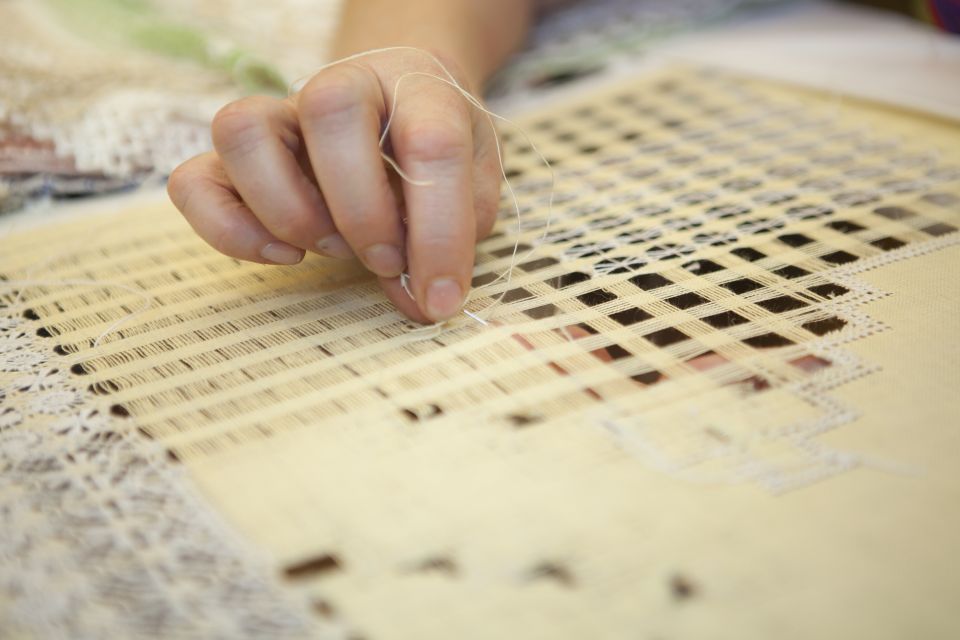
A townhouse museum, done the old-school way. La Casa de Los Balcones turns a 19th-century Canarian townhouse into a museum where you can walk through preserved rooms and see how a family lived, right down to their personal objects. I especially loved the sense of privacy and everyday feel from the preserved antiques, and the intricate Calados threadwork that shows serious patience as craft.
One consideration: it is a compact visit. If you want a long, high-energy museum day, you might feel the stop is too short. Also, the included audio guide depends on your phone and headphones, and there’s at least one report of trouble with Apple devices.
You’ll spend your time inside the house, moving from room to room with a downloadable audio guide in English, French, German, and Spanish. It’s a perfect match for people who enjoy domestic details—customs, household objects, and the craft traditions of the Canary Islands. It’s also not suitable for wheelchairs or people with mobility impairments, since it’s a house museum.
In This Review
- Key highlights you’ll care about
- Inside a 19th-century Canarian townhouse museum
- A note on your visit style
- Getting your ticket and starting the right way
- The audio guide: included, but plan for your phone setup
- Walking through the rooms: personal antiques and daily-life clues
- What to look for as you go
- Calados threadwork: the craft exhibit with real technique
- How Calados fits into the bigger picture
- Art, antiques, and the feel of preserved belongings
- The shop at the end: buying craft without rushing
- A smart way to shop here
- Price and value: is $7 worth an hour in a house?
- Who should book this (and who might skip it)
- Should you book La Casa de Los Balcones?
- FAQ
- How much does the La Casa de Los Balcones ticket cost?
- How long is the visit?
- What’s included with the entrance ticket?
- What languages are available for the audio guide?
- Do I need to bring my own headphones?
- Where do I show my voucher?
- Is the museum suitable for wheelchair users?
Key highlights you’ll care about
- A former 19th-century Canarian home turned museum you walk through like a preserved interior
- Personal antiques collection from the former homeowners, not just generic display cases
- Calados threadwork exhibits with explanations of the craft and how it’s made
- Audio guide included in 4 languages, using your own mobile phone and headphones
- End-of-visit gift shop with local crafts like embroidery, lace, pottery, and regional costumes, plus La Orotava miniature balconies
Inside a 19th-century Canarian townhouse museum
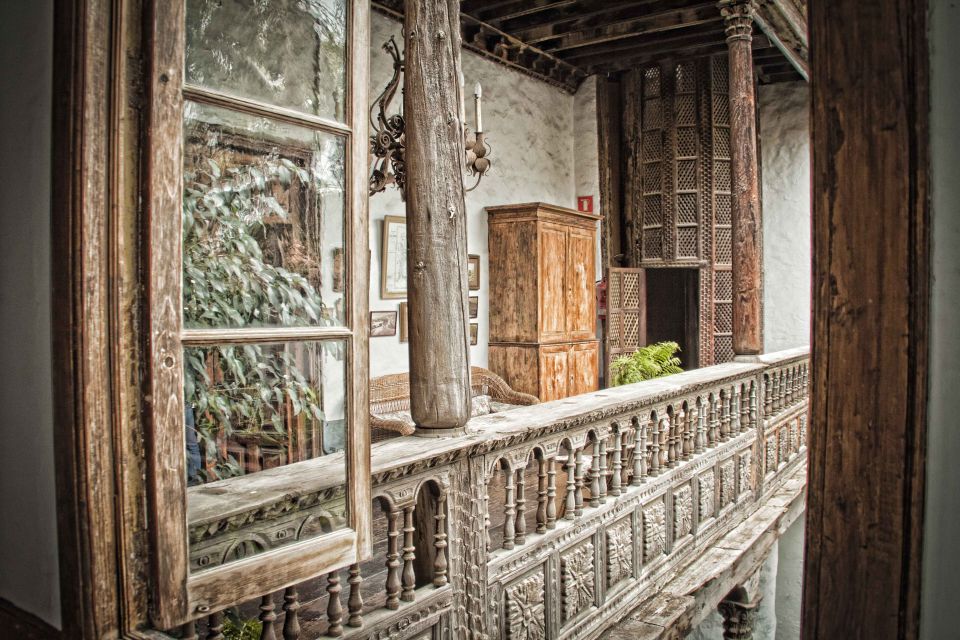
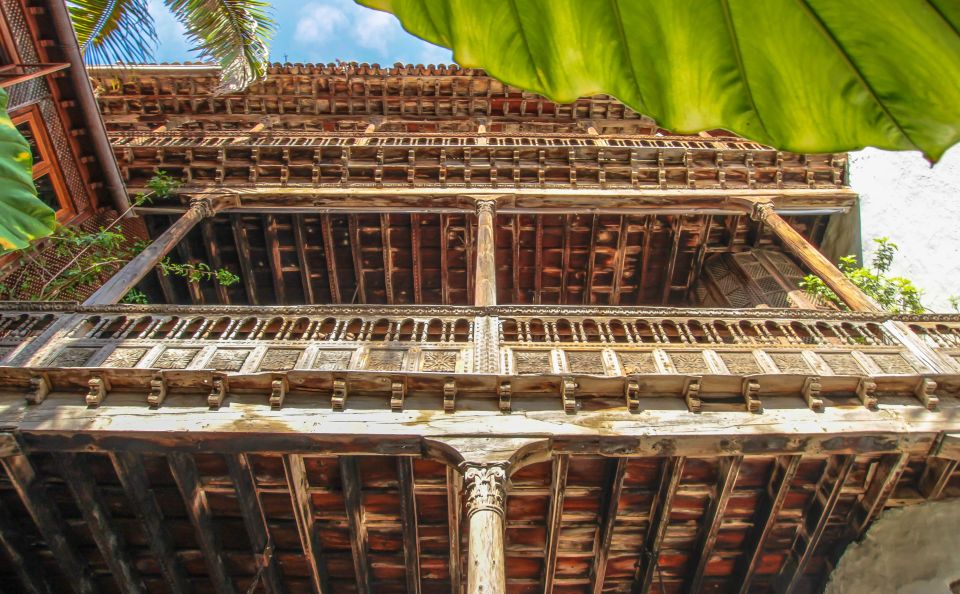
La Casa de Los Balcones is the kind of place that makes you slow down. The whole experience is built around one simple idea: instead of viewing history through big reconstructions or large exhibits, you’re shown the real feel of a home. The museum preserves the interior of a 19th-century Canarian townhouse, so you’re not just looking at objects—you’re noticing how people arranged and lived with them.
What I like most is that the museum doesn’t try to overwhelm you. You’re guided by space. Each room feels like a chapter: the home’s furnishings and personal antiques set the scene, and then the museum shifts toward art and traditional craft. If you enjoy the quiet kind of learning—how households worked, what people valued—this is a strong match.
You also get a clearer sense of local identity. The museum touches on the town’s ancient roots and cultural traditions, so the craft displays don’t feel like random souvenirs. They feel connected to everyday life and local history.
You can also read our reviews of more tours and experiences in Tenerife



A note on your visit style
This is not a museum where you race through to hit the highlights. You’ll get more from it if you like reading labels, listening to an audio guide at your own pace, and taking time with small details. If your ideal Tenerife day is all beaches and long scenic drives, you might treat La Casa de Los Balcones as a break stop—something to add, not the main event.
Getting your ticket and starting the right way
Your ticket is straightforward. Pre-book so you have your voucher, then show it at the museum’s entrance ticket collection point. That’s the key step to avoid waiting.
The visit is labeled as valid for 1 day, and you’ll want to check available starting times. In practice, that means you should pick a time that fits your day so you’re not rushing. A house museum is more satisfying when you can go room by room without thinking about your next reservation five minutes away.
This site includes an audio guide, which is great because it keeps the experience flexible. You won’t need to chase a live guide or follow a strict group tempo. You can move as slowly—or as quickly—as you want.
The audio guide: included, but plan for your phone setup
You’ll get a downloadable audio guide included with your entrance ticket, available in Spanish, French, German, and English. The catch is simple: you need your own mobile phone and headphones to use it.
That matters more than it sounds. In a house museum, sound quality and comfort can affect how much you enjoy the details. If your headphones are uncomfortable or your phone volume is inconsistent, you’ll start skipping sections. Bring the headphones you know work well, and make sure you can actually play audio inside—old houses can be a little echo-y.
Also, there’s a reported issue that the audio guide may not work well with Apple devices. I can’t promise it will happen to everyone, but if you use an Apple phone, it’s smart to test your setup in advance or be ready to switch to reading labels if audio playback fails.
Walking through the rooms: personal antiques and daily-life clues
Once you’re inside, you’re basically touring a preserved family home—then layering on context through art and craft. The museum includes the personal antiques collection of the former homeowners. That’s a big deal. Generic display collections can feel like a showroom. Personal antiques feel like someone’s life.
As you walk through, you’ll see clues about customs and daily habits as they relate to Canarian culture. The museum is designed to give you a glimpse of what a 19th-century family might have owned, valued, and displayed. Even when objects don’t have a dramatic story, the overall arrangement helps you picture the household as a functioning place, not a stage set.
You’ll also encounter art displays inside the home. The mix of domestic antiques plus art works well because it bridges two worlds: the private world of home objects and the public world of culture and creativity. It’s a reminder that craft and art weren’t separate from everyday life.



What to look for as you go
Instead of trying to absorb everything at once, aim for three things:
- Note how different rooms shift from antiques to displays.
- Spend extra time on the craft-related areas, since those are where the museum explains techniques.
- Let the audio guide help you connect objects to customs and local traditions, not just dates.
If you do that, you’ll leave with a clearer mental picture of how the place fits into Tenerife’s cultural story.
Calados threadwork: the craft exhibit with real technique
The standout technical part of the visit is the Calados exhibit. Calados are traditional Canarian thread works, and the museum doesn’t just show finished pieces—it also explains the history of Calados and the techniques used to make them.
This is where the museum becomes more than decorative. Threadwork like this rewards close attention. You’ll want to look slowly at the patterns, because the design is doing the work. The museum’s audio guide can help you understand what’s hard about it: the care required for the thread manipulation, the precision of the technique, and the time involved in producing the result.
Even if you’re not a craft person, Calados is a great place to train your eye. You start noticing how delicate work can still look sturdy. You also begin to appreciate why these traditions matter. They’re not just “pretty.” They represent knowledge passed down, with a recognizable style tied to place.
How Calados fits into the bigger picture
The museum ties craft to local identity. The Calados pieces sit within a context of Canarian cultural traditions and the town’s deeper roots. That connection is part of the value: you’re not just buying the idea of tradition—you’re seeing a specific technique and learning what it means.
If you’re the type who loves learning how things are made (even from a visitor angle), this section will probably be your favorite.
Art, antiques, and the feel of preserved belongings
The museum’s charm is that it feels lived-in, even though it’s obviously curated for visitors. The preserved belongings of the former owners help you understand what history looks like when it’s not behind glass and labeled as purely distant.
This is also where you may notice differences between the museum experience and more formal museum settings. Instead of sweeping halls, you’re navigating a townhouse. Instead of one giant exhibit theme, you’re moving through a series of domestic spaces. That changes how you remember the visit. You’ll likely remember specific rooms and the objects that belonged to them.
One of the most positive signals from the experience overall is how lovingly the house is set up. People consistently respond to the care in the interior and the atmosphere it creates. That matters, because you’re visiting a place, not just reading facts.
The shop at the end: buying craft without rushing
After you’ve seen the house and craft exhibits, you’ll end at the gift shop. This is where the experience becomes practical—you can turn what you learned into a real item you can take home.
You can buy local products such as:
- embroidery and lace
- pottery
- regional costumes
- souvenirs including miniature balconies of La Orotava
Even if you’re not planning to spend much, it’s worth using this section to understand what the local craft traditions look like in commercial form. If you liked Calados, for example, you’ll often find related needlework styles and patterns in the shop. If you enjoyed the domestic antiques angle, pottery and small home-related crafts tend to feel like the right kind of souvenir.
A smart way to shop here
Don’t buy immediately on the first glance. Take a quick look, then return after you’ve finished your main walk-through. You’ll be in a better position to decide what matches what you actually enjoyed inside the museum.
Price and value: is $7 worth an hour in a house?
At about $7 per person, La Casa de Los Balcones is priced for a low-commitment cultural stop. That price point is important because it changes the risk. You’re not paying premium museum money for a small building.
The trade-off is time. Some people may feel there isn’t enough to visit if they expect a large museum with lots of sections and long scrolling displays. Still, if you like compact, detail-heavy visits, the value can feel strong: you get preserved 19th-century domestic atmosphere, personal antiques, and a craft exhibit with technique explanations, plus a multilingual audio guide.
Think of it like this: you’re paying for access to a specific kind of experience—house-museum history plus traditional threadwork—at a price that keeps it easy to fit into a Tenerife day.
Who should book this (and who might skip it)
La Casa de Los Balcones is a good match if you:
- love homes, antiques, and the everyday feel of history
- enjoy craft exhibits where you learn technique, not just admire finished products
- want a calm indoor stop on Tenerife that doesn’t require a big time commitment
- appreciate self-paced listening with an audio guide in English, French, German, or Spanish
It’s not a great match if you:
- need full wheelchair access or have mobility limitations (the museum is not suitable for wheelchair users)
- hate audio guides that require your phone and headphones
- expect a long, blockbuster museum day
If you’re traveling with kids, this can work if they enjoy hands-on-looking crafts, but the main pull is still the indoor atmosphere and quiet details.
Should you book La Casa de Los Balcones?
Yes, if you want a short, meaningful cultural stop in Tenerife. For the money, you’re getting a preserved 19th-century Canarian townhouse experience, a personal antiques collection feel, and Calados threadwork with technique-focused explanation—plus an audio guide in four languages.
I’d hesitate only if you need accessibility for mobility impairments, you rely on Apple audio playback and can’t test in advance, or you’re chasing a long, high-content museum program.
If your day includes time for one smaller indoor activity, this is a solid choice. It’s the kind of place where you leave thinking about materials and everyday life, not just checking off a sight.
FAQ
How much does the La Casa de Los Balcones ticket cost?
The entrance ticket is listed at $7 per person.
How long is the visit?
The experience is valid for 1 day. You’ll choose a starting time based on availability.
What’s included with the entrance ticket?
Your ticket includes entrance to La Casa de Los Balcones and a downloadable audio guide.
What languages are available for the audio guide?
The audio guide is available in Spanish, French, German, and English.
Do I need to bring my own headphones?
Yes. To use the audioguide, you’ll need your own mobile phone and headphones.
Where do I show my voucher?
Show your voucher at the museum’s entrance ticket collection point.
Is the museum suitable for wheelchair users?
No. It is not suitable for people with mobility impairments or wheelchair users.