REVIEW · TENERIFE
Tenerife: Canary History and Color Potatoes
Book on GetYourGuide →Operated by A donde vamos hoy · Bookable on GetYourGuide
A potato tour in Tenerife sounds simple—until you walk the paths. This small-group ecotour in Icod el Alto connects Canarian potato heritage with farm traditions you can actually see along the way.
I love how the route is built around real places (the historic Camino Real) instead of just sitting and listening. You also get to hear what sustainable farming means in daily life, not as a slogan.
What I like most is the focus on food culture: the tour leads to the birthplace of the colored potato, where 29 varieties have been cultivated by local families since the 17th century. The main drawback to plan for is physical: you’ll be walking on uneven ground for about 2 hours, and the altitude can mean cooler air—so shoes and a light jacket matter.
In This Review
- Key Highlights You’ll Care About
- Tenerife’s Potato Heritage Begins in Icod el Alto
- Where You Meet: Parroquia de Nuestra Señora del Buen Viaje
- The Historic Camino Real: Walking Tenerife’s Old Route
- The Potato Heritage Stop: 29 Varieties Since the 17th Century
- Sustainable Farming Practices: What Local Care Looks Like
- Potato Tasting: Seasonal and Organic, When It’s Ready
- What the 2 Hours Actually Feel Like
- Price and Value: Why $29 Can Make Sense
- Getting There: Car or Bus 354
- What to Bring (So You Don’t Waste the Day)
- Who This Tour Is Best For
- Should You Book This Tenerife Potato and Color Tour?
- FAQ
- How long is the Tenerife Canary History and Color Potatoes tour?
- Where does the tour start?
- What is included in the tour price?
- Is the tour a walking tour?
- What languages are the guides?
- What group size should I expect?
- How do I get to Icod el Alto for the tour?
- What should I bring for this tour?
Key Highlights You’ll Care About
- Historic Camino Real on foot: a walk tied to Canary Islands culture and events, not a quick photo stop.
- Birthplace of the colored Canarian potato: 29 varieties cultivated since the 17th century.
- Sustainable farming practices explained on-site: how local farmers protect land and community life.
- Potato tasting when available: seasonal and dependent on organic varieties being ready.
- A guide who shares extra Tenerife tips: Sara is one guide who’s been praised for practical advice beyond the tour.
- Small group (max 8 people): more time to ask questions while you walk through the village and fields.
Tenerife’s Potato Heritage Begins in Icod el Alto
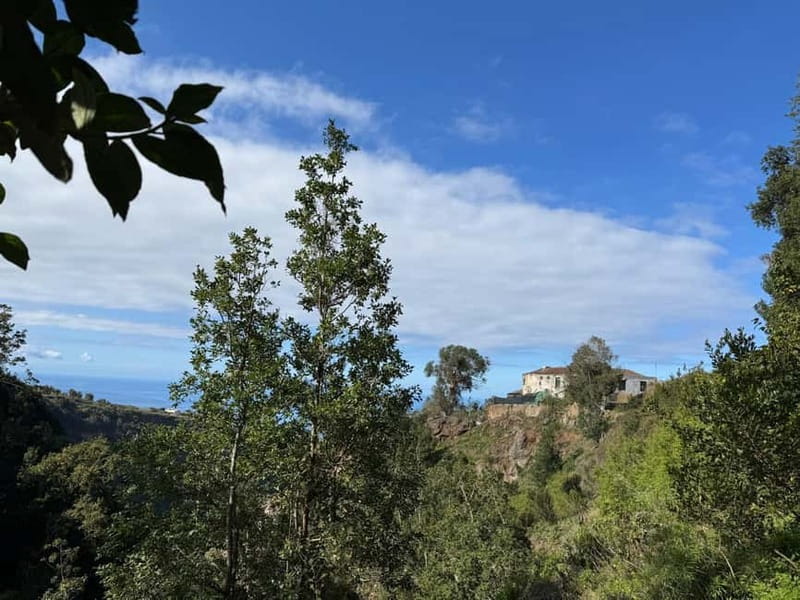
Icod el Alto (Los Realejos) is where this tour finds its theme. You’re not just learning about potatoes in theory—you’re learning them where they belong: in an agricultural village shaped by generations of planting, sorting, and using what grows well there.
This is also why the tour feels different from the standard sightseeing loop. You start in a local community space, then move through a walking route that connects culture, land, and food. If you like travel that has a clear “why,” this one gives you a direct thread: the island’s history shows up in farming choices, and those choices show up on your plate later (when tasting is possible).
You’ll get a structured 2-hour guided experience, built around three big ideas: historic paths, potato variety heritage, and sustainable farming practices.
You can also read our reviews of more historical tours in Tenerife

Where You Meet: Parroquia de Nuestra Señora del Buen Viaje
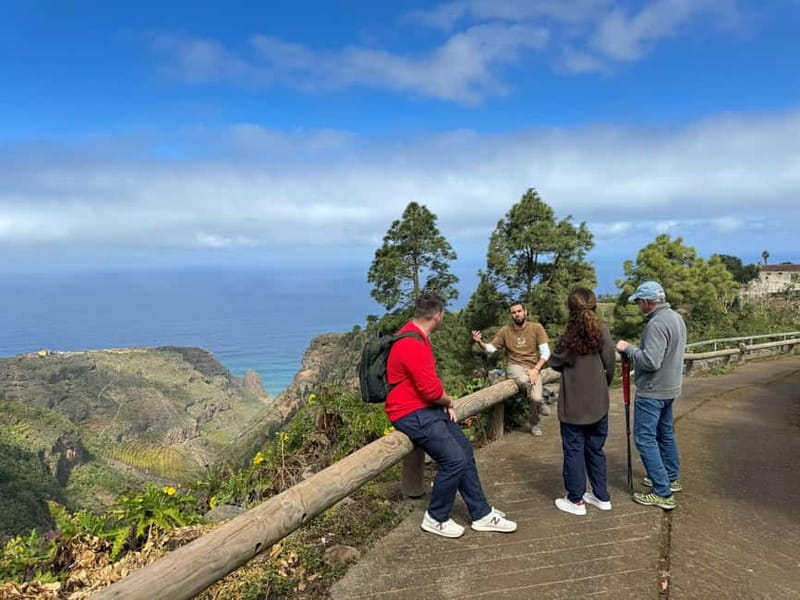
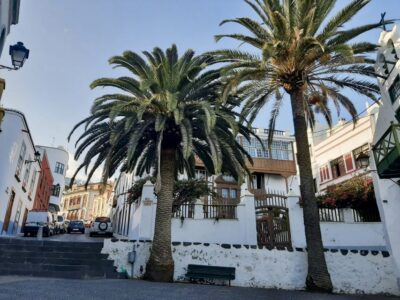
The meeting point is the Parroquia de Nuestra Señora del Buen Viaje in Icod el Alto, specifically under the flags at the church. It’s a useful landmark because it makes the start easy: you’re not guessing where a tour begins in an unfamiliar neighborhood.
From there, you’ll follow the guide on foot and learn the story behind what you’re seeing. The tour is designed for small groups (limited to 8 participants), so you’re not stuck listening over other voices. And because the tour is guided in Spanish and English, you can expect the guide to keep instructions clear while still giving you the details that make the story stick.
Two practical notes: you’ll want comfortable clothes and you should be ready for a bit of walking outside smooth sidewalks. This is a farm-and-path style outing.
The Historic Camino Real: Walking Tenerife’s Old Route
One of the tour’s core stops is the Historic Camino Real. This is the kind of path you’d miss if you only drove past. On this walk, the guide ties the route to the culture and key events that shaped the region—so you’re not just counting steps, you’re learning the “human reason” the road exists.
I like this part because it turns a scenic walk into something you can remember later. You’ll come away with a better sense of how people moved through the island’s terrain and how traditions formed around land use and daily routines.
What to watch for here: the ground can be uneven, and you may be on footpaths that don’t feel like city promenades. Comfortable walking shoes are not optional if you want to enjoy the day instead of concentrate on your footing.
The Potato Heritage Stop: 29 Varieties Since the 17th Century
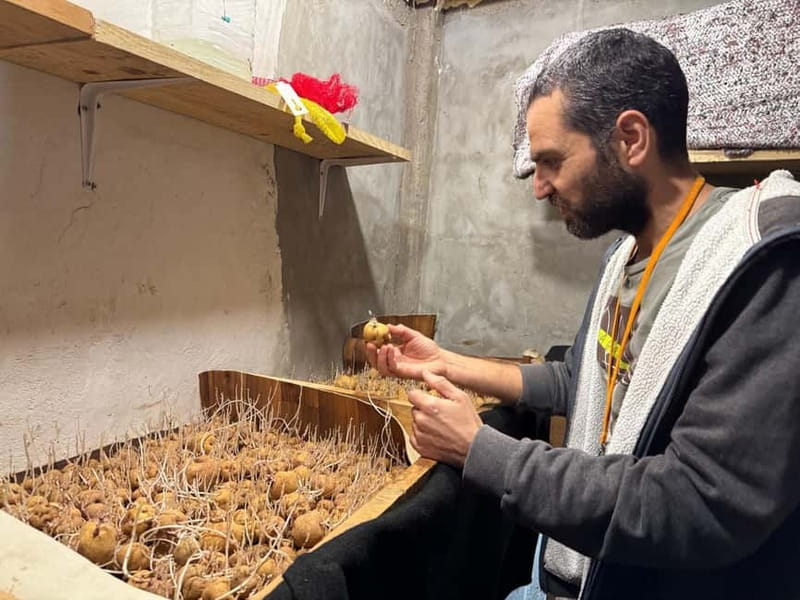
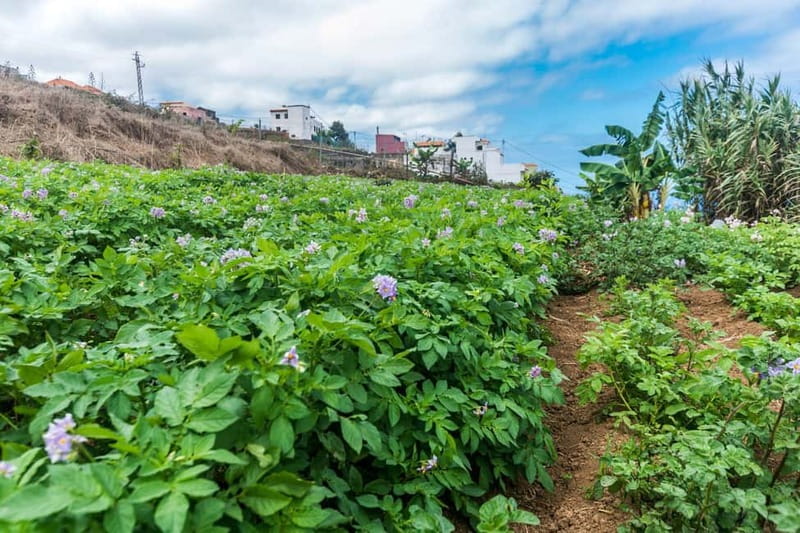
The star of the tour is the visit to the birthplace of the colored Canarian potato. The tour focuses on a fact that instantly reframes how you think about “potato history”: local families have cultivated 29 unique varieties since the 17th century.
That’s not just trivia. It explains why the Canarian potato matters culturally and agriculturally. When a place grows many varieties, it’s often because different types handle slightly different conditions and cooking needs. In other words, diversity isn’t random—it’s practical.
During this stop, you learn how these varieties link to Canary Island cuisine and agriculture. Even if you’re not a food historian, the story makes sense: people grow what works, they keep what performs well, and they pass knowledge down through households.
Sustainable Farming Practices: What Local Care Looks Like
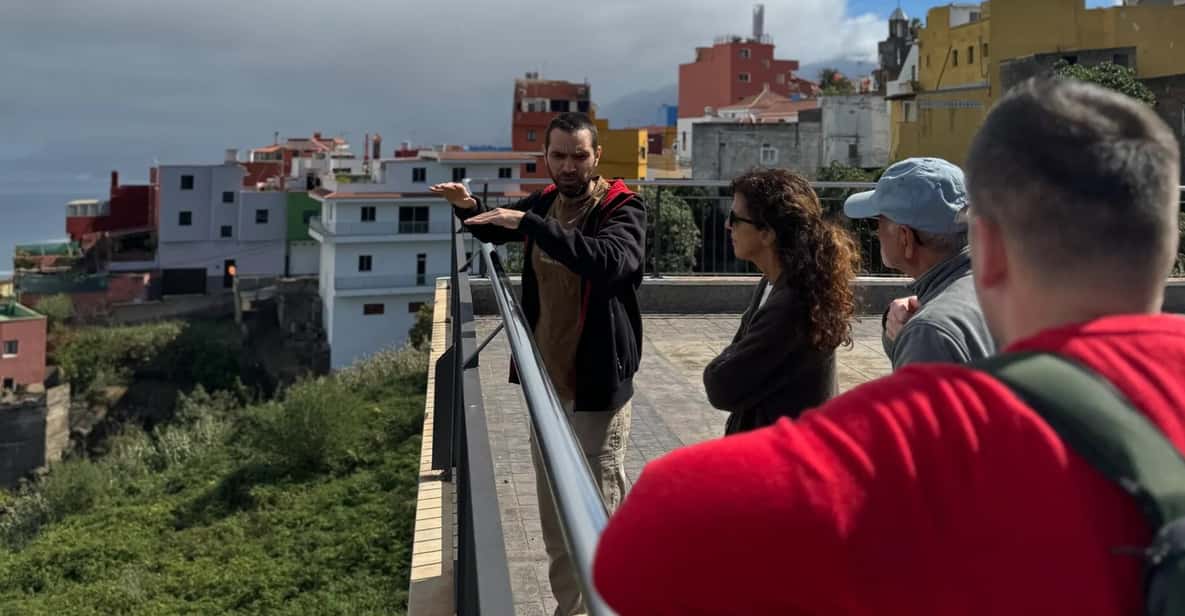
After the historical and potato-focused parts, the tour shifts into sustainable farming practices. This is where the tour earns its “ecotour” label. Instead of saying sustainability in abstract terms, the guide explains how local farmers use methods that help preserve the environment and support community life.
I like how this segment makes you pay attention to the landscape as a working system. You’re not just admiring views. You’re noticing how agricultural choices affect the land over time.
Consideration: if you’re expecting a lot of formal technical farming explanations, this tour is more “on-the-ground understanding.” It’s still very informative, but it’s meant to fit into a 2-hour walk in a village setting.






Potato Tasting: Seasonal and Organic, When It’s Ready
Depending on season and availability, you may get a tasting of some of these rare and organic colored potatoes. That timing piece matters. You’re not guaranteed the same variety lineup every day, because the tour’s tasting depends on what’s available at that moment.
Still, this is exactly why tasting on-site feels more authentic. When the tour gives you samples, it’s tied to real harvesting and real cultivation conditions. You’ll likely notice differences in flavor and texture between varieties, which helps the whole story land in a personal way—food learning beats textbook learning almost every time.
If tasting is a priority for you, keep your expectations flexible. Even without tasting, the heritage and farming context is the main point. But if tasting happens on your date, it’s a highlight worth arriving for.
What the 2 Hours Actually Feel Like
This is an efficient tour. It’s short enough to fit neatly into a Tenerife day, but long enough to feel like you covered something meaningful on foot.
A typical flow looks like this:
- You start at the church meeting point in Icod el Alto.
- You walk along the historic Camino Real, with context from the guide.
- You shift to the potato heritage area and learn the story behind the colored potato varieties.
- You wrap up with sustainable farming insights, and tasting may happen depending on season and supply.
Because the group is limited to 8, it’s easier to ask questions when you hit something that interests you—like how the varieties are maintained or what sustainable practices look like in the day-to-day work of farmers.
Price and Value: Why $29 Can Make Sense
At about $29 per person for a 2-hour guided walk, the price is reasonable for a few reasons.
First, you’re paying for an expert guide, not a self-guided audio route. The guide connects the “what” (potatoes, farming) with the “why” (history and culture) as you move through the area.
Second, the size matters. A small group means you’re less likely to feel rushed or lost in the back. The tour is also structured around multiple learning moments, including the potato heritage focus, the Camino Real walk, and sustainable farming practices.
Third, tasting can add real value—because food costs add up fast on vacation. If the day includes organic colored potato tasting, you’re getting a built-in food component without having to plan it separately.
If you already love food, local agriculture, and short hikes, you’ll feel like the price matches what you get. If you want zero walking and prefer only paved surfaces, you might consider whether the uneven ground fits your comfort level.
Getting There: Car or Bus 354
You’ll need a car or you can use bus line 354 from Puerto Cruz or Icod de los Vinos. That makes the tour accessible if you’re staying in the broader north Tenerife area.
Because the meeting point is in Icod el Alto near the church flags, a car is often the simplest option if you’re planning your day around multiple stops. But if you’re traveling by bus, give yourself a little extra time so you’re not sprinting to meet the group.
What to Bring (So You Don’t Waste the Day)
This tour asks for practical preparation. The essentials:
- Comfortable shoes (walking on uneven ground is required)
- A hat and sunscreen (and choose biodegradable sunscreen)
- A jacket or weather layer (anything can happen at around 500 meters altitude)
- Weather-appropriate clothing for rain or sun
- If you have them, hiking shoes
The tour operates rain or shine, but severe weather may lead to rescheduling. In other words, pack for outdoors, not for a museum inside.
Who This Tour Is Best For
I’d point you to this experience if you:
- Want an authentic Tenerife activity tied to agriculture and local tradition
- Like small-group walks with a clear theme
- Appreciate food culture that has a “place-based” story
- Don’t mind 2 hours of uneven ground if the learning payoff matters
It may be less ideal if you need fully flat, paved routes the whole time. The tour is described as suitable for all ages, but the walking conditions are still real.
Should You Book This Tenerife Potato and Color Tour?
If you want something better than another bus stop with a photo and a timeline, book it. The tour’s value comes from how it connects three things: the historic route (Camino Real), the colored potato story (29 varieties since the 17th century), and sustainable farming practices you can understand while walking through the village setting.
I’d especially recommend it early in your Tenerife stay if you like getting practical island tips. One guide, Sara, has been praised for sharing helpful advice for the rest of your time on the island, and that kind of follow-through can make your next meal and your next day plan easier.
Only hold back if uneven ground and outdoor walking would genuinely frustrate you. If that’s the case, you’ll probably enjoy a different style of tour more.
FAQ
How long is the Tenerife Canary History and Color Potatoes tour?
It lasts 2 hours.
Where does the tour start?
You meet under the flags of the Parroquia de Nuestra Señora del Buen Viaje in Icod el Alto (Los Realejos).
What is included in the tour price?
You get a guided tour. Depending on the season and availability, you may also get a tasting of different varieties of organic color potatoes.
Is the tour a walking tour?
Yes. It includes sightseeing and a walk, and it requires walking on uneven ground.
What languages are the guides?
The live tour guide speaks Spanish and English.
What group size should I expect?
It’s a small group limited to 8 participants.
How do I get to Icod el Alto for the tour?
You can get there by car, or you may use bus line 354 from Puerto Cruz or Icod de los Vinos.
What should I bring for this tour?
Wear comfortable clothes and shoes for walking. Bring a hat and sunscreen (biodegradable sunscreen is recommended). Also consider a jacket since weather can change around 500 meters altitude.