REVIEW · TENERIFE
PADI Open Water Diver Course (OWD) – 2.5 days
Book on Viator →Operated by Scubanana Dive Center · Bookable on Viator
Confidence starts in calm Tenerife water. This PADI Open Water Diver course with Scubanana turns nervous first-timers into people who can handle the basics confidently, step by step. What makes it interesting is the mix of classroom learning, surface practice, and hands-on skills time—done with a certified PADI instructor and a small group size of up to 8 students.
I especially like how the team builds confidence before asking you to perform underwater skills. The instruction is calm, detailed, and patient, with instructors such as Cedric and Sergio teaching while keeping the atmosphere friendly and reassuring. A second big win for me is that you get support to repeat exercises until they click, even if you start tense.
One thing to consider is the pace and the psychological jump of certain skills. The course can feel intense, with theory and practice alternating quickly, and you may have to get comfortable with exercises like taking off your mask underwater and switching air. Also, you’ll need to be medically fit for diving and plan around travel timing, including not diving within 12 hours of a flight.
In This Review
- Key highlights you’ll feel on day one
- Tenerife is a smart start for PADI Open Water skills
- Meet your training base in Radazul (and how that helps)
- What the 2.5-ish days actually feel like
- Surface coaching is where your confidence gets built
- Underwater skills: what to expect when nerves show up
- Skills practice happens in a small group of up to 8
- What you’ll see underwater in Tenerife (and why it matters)
- Gear and materials included (the value of not shopping)
- Weather, timing, and the flight rule you must take seriously
- Price and value: is $724.41 a fair deal?
- Where this course shines (and where it may not)
- Should you book Scubanana for PADI Open Water in Tenerife?
- FAQ
- What is the duration of the PADI Open Water Diver course?
- Where does the course start?
- How much does it cost?
- Is prior scuba experience required?
- What are the age and swimming requirements?
- What health rules should I know before booking?
- Can I fly soon after the course?
- Does the tour include gear and learning materials?
- How many people are in a group?
- What’s the cancellation policy?
Key highlights you’ll feel on day one
- Beginner-friendly PADI OWD with no prior scuba experience required
- Small group (max 8), which means more attention during skills practice
- Clear coaching on the surface before you’re asked to perform underwater tasks
- Gear and learning materials included, so you can travel lighter
- Real confidence from repetition, not just one-time demonstrations
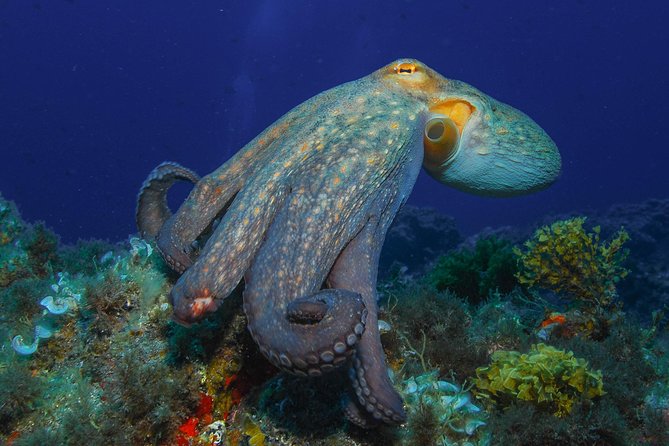
- Tenerife sea life on your first underwater sessions, with sightings like octopus and cuttlefish
Tenerife is a smart start for PADI Open Water skills
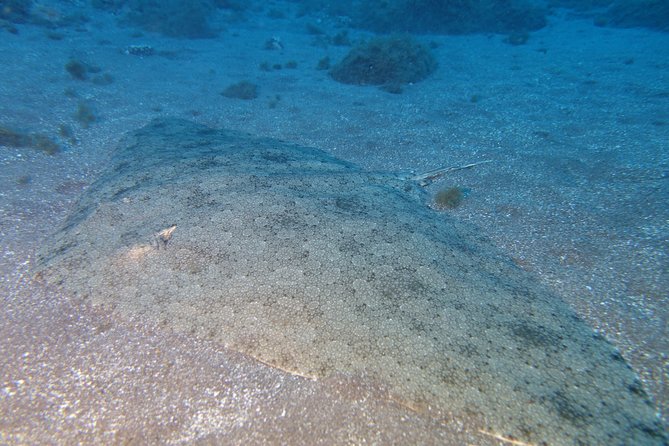
Tenerife is a solid choice for starting scuba skills because it’s set up for beginner-friendly training. You’re not just paying for a credential—you’re paying for coaching that helps you understand what’s happening in your body and in your gear. That matters, because your first course is where good habits form.
This course follows the PADI Open Water Diver structure, which is one of the most widely recognized scuba qualifications worldwide. That global recognition is practical: it can make planning future trips and courses easier later on. And since PADI requires you to be at least 10 years old (with adequate swimming skills and good physical health), it filters for people who can actually participate safely.
You can also read our reviews of more tours and experiences in Tenerife.

Meet your training base in Radazul (and how that helps)
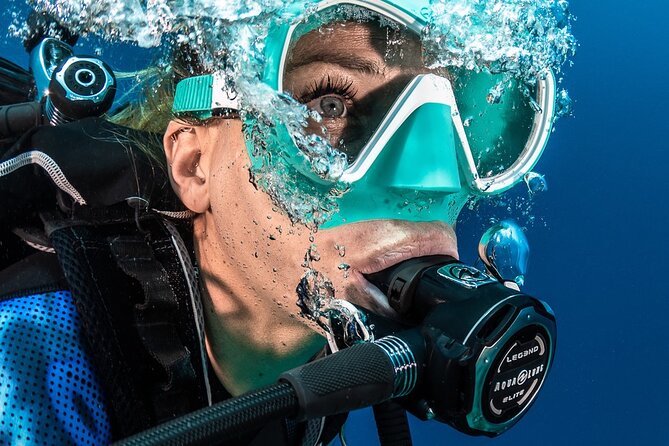
You start at Scubanana in Puerto Deportivo, at Av. Colón nº1, 38109 Radazul, Santa Cruz de Tenerife. The location is near public transportation, which is a nice edge if you’re staying without a car. And since the experience ends back at the same meeting point, it’s not one of those travel-day puzzles where you’re left wondering how to get home.
The most practical part of a good training base is comfort. Instructors can only keep you calm if the shop environment supports it, and the setup here comes across as clean and organized. You’ll also likely feel the social side of a small operation: the team atmosphere is friendly, and yes, there are dogs around the shop, which turns waiting time into something a bit less stressful.
What the 2.5-ish days actually feel like
The course is listed as about 2 days and 3 hours (roughly 2.5 days). In real life, that usually means a fast rhythm rather than a slow, leisurely pace. One review notes the training can be intense, with theory and practice alternating quickly. So if you’re the type who likes breathing room between activities, plan to be mentally flexible.
Still, the structure is exactly what you want for learning scuba. You’ll start with instructions, then practice, then get feedback, then repeat. That repetition is where beginners gain control. One student described doing exercises once, then again, until they could do them satisfactorily. That’s the real value of good instruction: it doesn’t move on simply because time passed—it moves on when you’re ready.
Surface coaching is where your confidence gets built
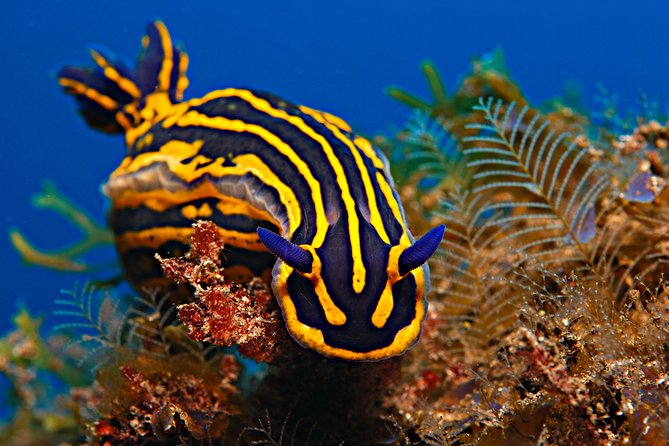
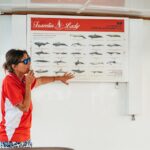
A strong part of this course is the way it teaches on the surface first. You’re not thrown in underwater with only hope and guesswork. Instructors explain equipment, the physics side of what you’ll experience, and the exercises you’ll do in the water. That surface stage is also where your instructor can spot your questions early and adjust pacing.
The instructor team includes people like Marc, Paulina, Saskia, and others named such as Cedric and Sergio. Across the experiences described, the common theme is calm, competent, and patient guidance—the kind that makes you less focused on panic and more focused on doing the next step correctly. If you learn best when you understand the why, this surface coaching style is a big plus.
Underwater skills: what to expect when nerves show up
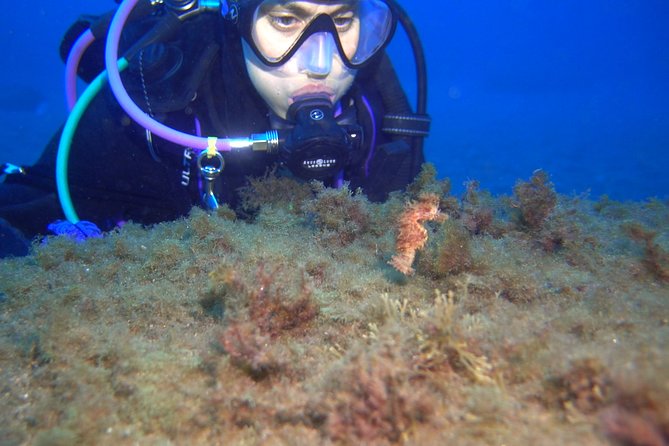
The underwater part is where your brain learns a new set of rules. One student put it plainly: it’s not natural to manage your mask underwater and then switch air while submerged. That kind of skill can feel weird at first, especially if you have anxiety about water or masks. If you’re concerned about that, it helps to know this course doesn’t ignore the fear—it trains through it with direct guidance.
You should expect to practice core skills repeatedly until they feel manageable. And because the instructors are calm, that practice time is not chaotic. You’re supported, re-taught, and given chances to get it right without pressure. That’s especially important because learning scuba requires comfort with controlled discomfort.

Skills practice happens in a small group of up to 8
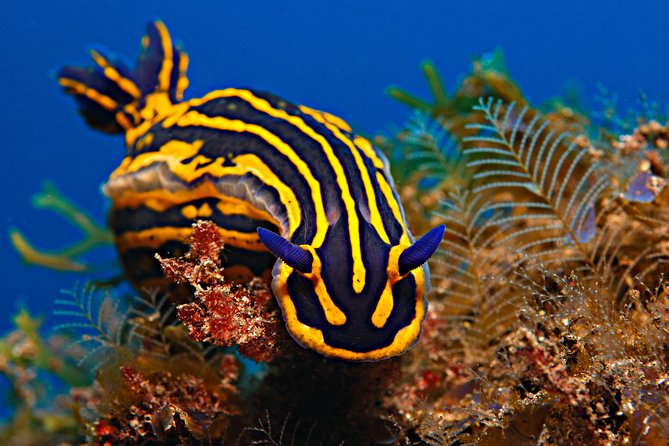
Group size is capped at 8 travelers, and that changes the whole learning vibe. In larger groups, you spend more time waiting for your turn. Here, you’re more likely to get hands-on attention and quicker corrections. That helps you progress faster and reduces the chance that you misunderstand something for the next exercise.
It also makes the course feel more human. When instructors remember your specific sticking point, you don’t repeat the same mistake all day. This is the kind of detail that matters on a short course, where each day counts.
What you’ll see underwater in Tenerife (and why it matters)
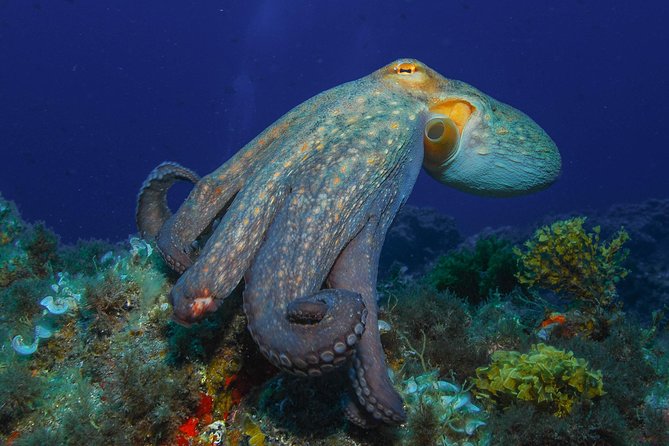
Even though this is a certification course, it’s not only drills. Students describe immediate sea life sightings, including trumpet fish, cuttlefish, starfish, and octopus. One person described seeing an octopus with a basketball-sized head, which is the sort of detail that sticks because it’s so out-of-the-ordinary.
Why does this matter for you? Because the underwater experience is what makes people want to keep going after the course. If you come out of training feeling both safe and impressed by wildlife, you’re more likely to put time into future sessions and courses. The course seems designed to give you that first sense of wonder early, not just after everything feels too difficult.
Gear and materials included (the value of not shopping)
This experience includes diving gear and learning materials. For many first-timers, that’s a bigger deal than it sounds. Buying or renting scattered items on your own can turn into wasted time and extra stress. When gear is included, you can focus on learning and building comfort.
It also helps because your instruction depends on the way your equipment fits and works. If the team supplies appropriate gear, you’re more likely to get a setup you can manage while learning core skills. That’s one less variable between you and success.
Weather, timing, and the flight rule you must take seriously
You’ll need to plan around practical health and travel rules. The info is clear: you must be physically in conditions to dive, and if you’re unsure, you should check with a doctor first. Also, you should not dive 12 hours before a flight.
That rule matters for two reasons. First, it protects your safety after scuba exposure. Second, it prevents last-minute schedule stress from wrecking your trip plans. If your itinerary includes flying soon after your training ends, build in that buffer. It’s not the part to gamble on.
Price and value: is $724.41 a fair deal?
The price is listed at $724.41 per person. On its face, that’s not a casual purchase. The value comes from what’s included and what you’re buying: a globally recognized PADI qualification start, certified instruction, course materials, and equipment support for beginners.
You’re also getting a short, structured training timeline, which can be efficient if Tenerife is your main vacation. If you’re already in the area and want one focused burst of instruction, the course format can be a good deal compared to spreading training over multiple trips or trying to arrange everything yourself.
What could make it less good value for you? If you want a slow pace or you already know you’ll need extra time to feel comfortable with mask-off or air-switching skills, you might feel the course is intense. Still, the instruction style described is patient and supportive, which usually means extra practice doesn’t feel like you’re being punished.
Where this course shines (and where it may not)
This is a strong fit if you want:
- Beginner-friendly scuba certification with no prior experience needed
- Small-group instruction where you’re not ignored
- A training team that stays calm while you learn awkward skills
- A course location where you can see sea life quickly and often
It may be less ideal if you:
- Have serious medical concerns or aren’t sure you meet the physical requirements
- Need more time between activities to process learning without stress
- Are very uncomfortable with exercises that involve taking off your mask underwater and managing air while submerged
On the other hand, if your biggest concern is nerves, that’s also exactly what good instructors are for. People describe feeling safe the whole time, and being guided very well and patiently until they could complete the exercises.
Should you book Scubanana for PADI Open Water in Tenerife?
I’d book this course if you want a beginner-appropriate start to scuba certification in a place built for training, with clear instruction in English and a small maximum group size. The combination of calm coaching, repetition, and the chance to see real sea life like octopus and cuttlefish makes the course more than a checklist.
I would pause and think if you can’t meet the safety/health conditions to dive, if your travel timing doesn’t allow for the 12-hour flight rule, or if you know the course pace will overwhelm you. But if those boxes are checked, this looks like a straightforward, confidence-building way to earn your first scuba credential.
FAQ
What is the duration of the PADI Open Water Diver course?
It’s listed as about 2 days 3 hours (approximately), and the overall program is presented as 2.5 days.
Where does the course start?
The meeting point is Scubanana in Puerto Deportivo, Av. Colón nº1, 38109 Radazul, Santa Cruz de Tenerife, Spain.
How much does it cost?
The price is $724.41 per person.
Is prior scuba experience required?
No. The course is designed for beginners and requires no prior scuba diving experience.
What are the age and swimming requirements?
You must be at least 10 years old and have adequate swimming skills.
What health rules should I know before booking?
You must be physically in conditions to dive, and if you’re not sure, you should check with a doctor first.
Can I fly soon after the course?
You should not dive 12 hours before a flight.
Does the tour include gear and learning materials?
Yes. Diving gear and learning materials are included as part of the course experience.
How many people are in a group?
The group size is capped at a maximum of 8 travelers.
What’s the cancellation policy?
Free cancellation is offered if you cancel up to 24 hours in advance for a full refund; changes within 24 hours aren’t accepted.