REVIEW · TENERIFE
Icod de los Vinos: Casa del Plátano Entry Ticket
Book on GetYourGuide →Operated by Casa del Plátano · Bookable on GetYourGuide
You can learn banana farming fast, and in a real place. Casa del Plátano pairs an old hacienda setting with clear info on Tenerife’s main crop, plus a look at how fruit grows from plant to bunch. It’s one of those stops that feels simple on paper, but satisfying once you’re walking through it.
I especially like the self-guided pace. You can move through the house, read the panels, and then take your time on the plantation section without feeling rushed. I also like that the experience is grounded in the local context of the Canary Islands’ banana culture, not just generic “fun facts.”
One thing to consider: this is not a guided talk with live explanations. Explanations are provided via panels in English and Spanish, so if you were hoping for another language (like French), you may find it limited.
In This Review
- Key things to know before you go
- Casa del Plátano in Icod de los Vinos: what your ticket really covers
- Entering the historic house: architecture plus bilingual panels
- The plantation tour section: seeing banana growth up close
- Banana varieties, how they mature, and why that matters in Tenerife
- The included banana and the shop: snack now, souvenirs later
- Price and value: is $5 a fair deal?
- Timing, pacing, and a realistic way to plan your visit
- Who this experience fits best (and who should think twice)
- Should you book Casa del Plátano entry?
- FAQ
- What is the Casa del Plátano ticket for?
- How much does the ticket cost?
- How long is the experience valid?
- Is the visit guided?
- What languages are available for the explanations?
- What time is the last entry?
- Is a banana included with the ticket?
- Can I get a refund if I change my plans?
Key things to know before you go
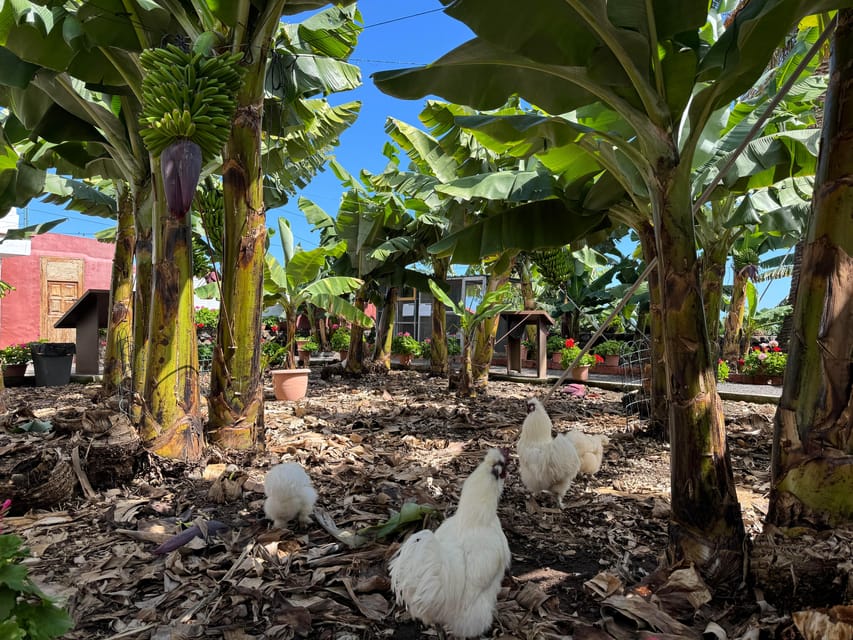
- Old hacienda setting: Explore Casa del Plátano’s historic house in Icod de los Vinos before you ever see a banana plant.
- Read-and-walk format: Explanations are delivered through panels in English and Spanish, letting you go at your own speed.
- Plantation tour component: You’ll learn how bananas are grown through a visit to an authentic banana plantation.
- Growth stages and varieties: You can see bananas in different stages and spot different banana varieties.
- Included fruit: Your ticket includes a Canarian banana to eat.
- Shop for Canaries flavors: You can buy local banana-based gourmet products in the store (purchases not included).
Casa del Plátano in Icod de los Vinos: what your ticket really covers
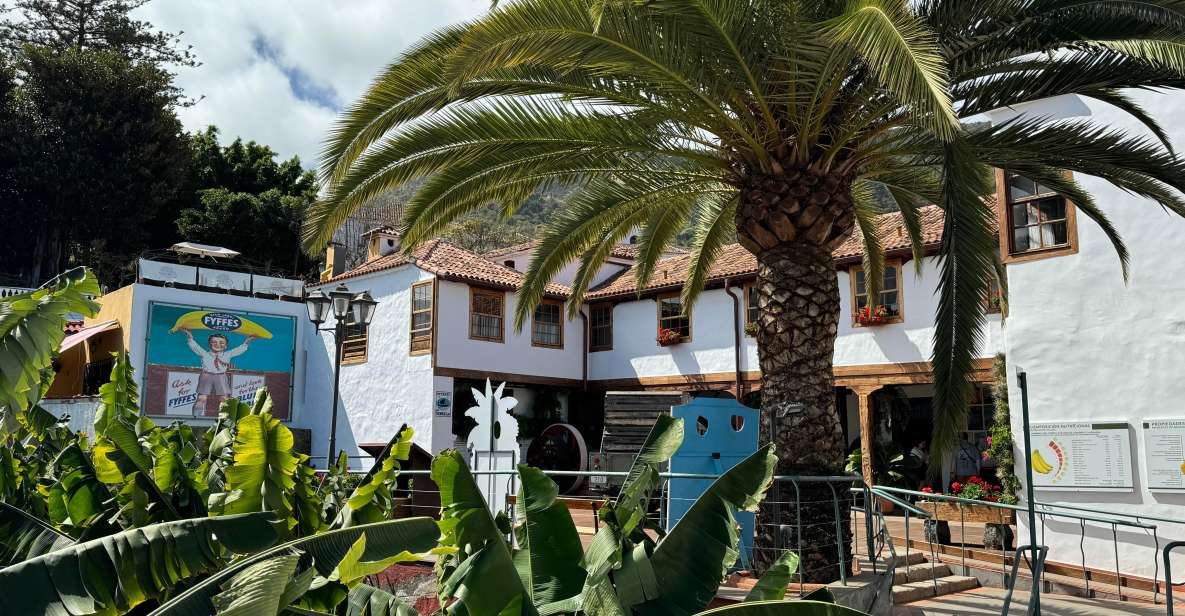
For about $5 per person, this ticket is basically a focused, low-cost education stop. You get entry to Casa del Plátano and the chance to experience the banana story from house to plantation. It’s sold as a 1-day valid ticket, and the actual visit works like a self-paced route you follow inside the site.
What’s included is important for value. In addition to the entry ticket, you also get a Canarian banana included with your visit. That small extra turns it from a “just read about it” stop into something more complete, especially for kids who need an actual payoff.
Timing matters a little. The site notes last entry at 18H30, so plan your day so you’re not arriving late. Also check availability for starting times, since you’ll want to pick a slot that fits your itinerary.
You can also read our reviews of more tours and experiences in Tenerife


Entering the historic house: architecture plus bilingual panels
Casa del Plátano is set in an old hacienda, and the architecture is part of the show. Before you get to the plantation, you’ll want to slow down in the house because this is where the banana story is framed. It’s a good lead-in because it connects the crop to local life rather than treating it like an abstract theme.
Your main learning tool here is the explanation panels. They’re available in English and Spanish, so you can choose the language that works for you. Expect the information to focus on the history of bananas in Tenerife and the broader role of the Canary Islands’ main crop.
This format also gives you control. If you’re the kind of person who likes to read every sign, you can. If you just want the key ideas, you can skim and still leave with a clear picture of how the plant fits into Tenerife’s story.
The plantation tour section: seeing banana growth up close
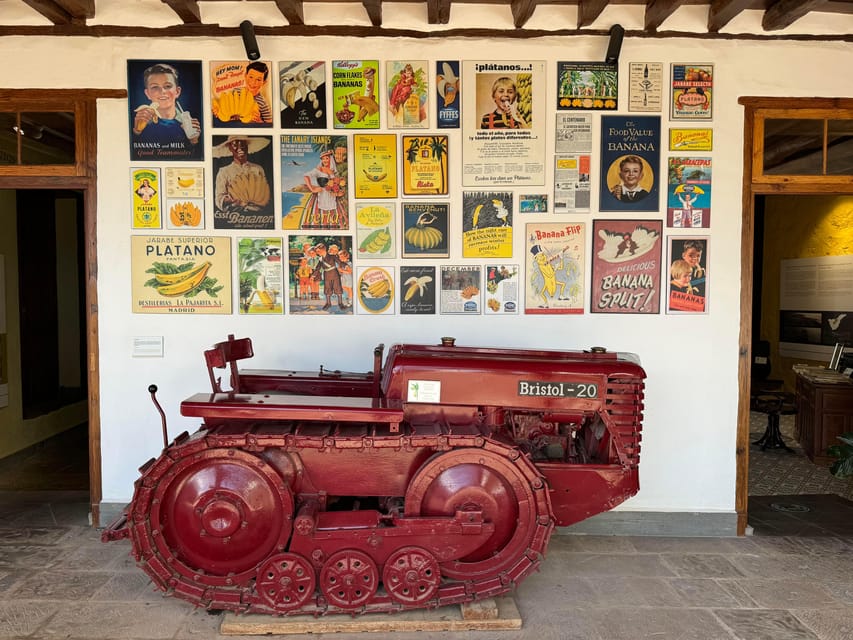
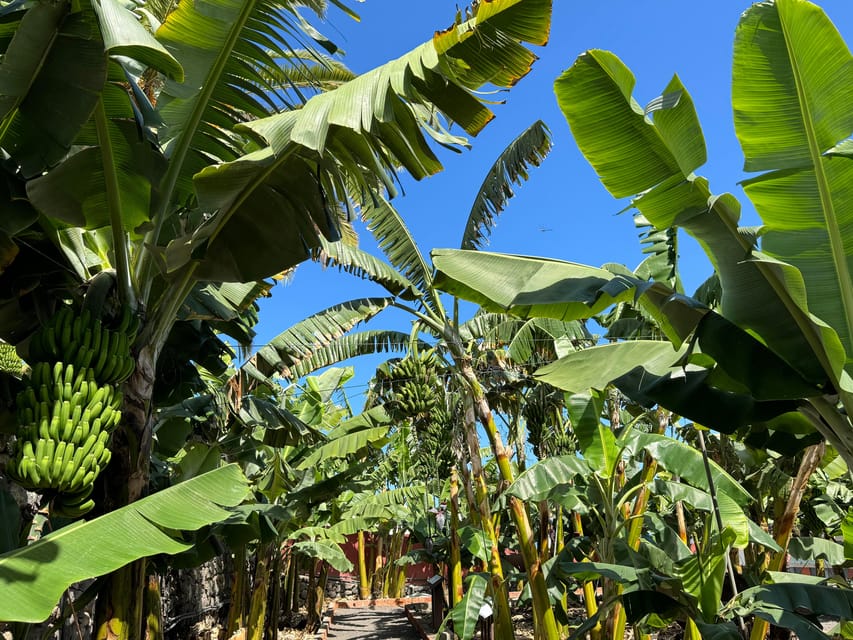
The best part for many people is the plantation portion. You don’t just learn about bananas in a room. You visit an authentic banana plantation and learn how bananas are grown through that on-site experience.
One detail that makes this feel real is that you can see bananas developing at different points. The experience is set up so you can connect the dots between the plant, the formation process, and how fruit matures. In plain terms: you get to watch the crop in stages instead of seeing only a finished bunch.
The size and feel of the plantation are worth noting. Some people describe it like a small museum-style plantation where you can read along while you look at the plants. That’s a plus if you like short, controlled experiences. It can be a downside if you were hoping for a huge sprawling farm walk.
For families, this is a strong match. Kids often enjoy seeing living plants change over time, and a plantation visit makes that easier than a textbook. It’s also a nice break from city walking because the rhythm is slower and more visual.
Banana varieties, how they mature, and why that matters in Tenerife
You’ll also be able to see different banana varieties during the visit. That’s not just a trivia win. Seeing varieties helps you understand that bananas aren’t all the same appearance or story, which makes the plantation visit feel more educational and less like a single-plant exhibit.
The information includes how bananas form and mature in Tenerife’s context. Even without getting technical, the panels help you connect what you’re seeing with what’s happening to the fruit and plant over time. If you’ve ever wondered why bananas look different at different stages, this kind of staged viewing usually clears it up fast.
And the history angle matters, too. This isn’t presented as a random world crop that happened to land on an island. The emphasis is on bananas as Tenerife’s main crop and on the long relationship between the Canary Islands and banana cultivation. That’s exactly what makes the visit feel grounded rather than generic.
The included banana and the shop: snack now, souvenirs later
This ticket doesn’t end with information. It includes a Canarian banana you get during your visit. That’s a great move because it turns learning into a sensory experience. You get to taste the product tied to what you just saw.
After that, there’s a store where you can buy local banana-based gourmet products. Purchases are not included in the ticket price, so you’ll decide based on your budget. But the shop is a practical way to bring flavors home if you want something different from standard tourist souvenirs.
If you like food-focused stops, I’d treat the shop as part of the experience, not an afterthought. Knowing the crop history first makes the products feel more connected. Instead of buying “banana stuff,” you’re buying items tied to a specific place and cultivation story.


Price and value: is $5 a fair deal?
At around $5 per person, this is priced like an affordable education stop. The value comes from three things working together:
- Entry + included banana: You’re not paying just to walk through a building.
- Self-guided structure: You can match it to your pace and still get the full story.
- Plantation component: A lot of ticketed “theme” stops stay indoors. This one includes an on-site plantation visit.
If you’re on a tighter budget in Tenerife, this is the kind of attraction you can fit without stress. Even if you don’t read every panel slowly, you’ll still come away with a clear sense of banana cultivation and why the crop is so central to the island.
The only “cost” you should account for is time. This is a self-guided route, so if you prefer a live guide with spoken explanation, you might feel like you’re doing some of the work yourself. But for many people, that’s exactly why it’s good value.
Timing, pacing, and a realistic way to plan your visit
Because it’s self-guided, you don’t need a complicated schedule. You just need to arrive during operating hours and with enough daylight (or at least enough time before last entry at 18H30). The ticket notes valid 1 day, which gives you flexibility if your plans shift.
A smart approach is to mentally split the visit into three parts:
- Start with the historic house and the bilingual panels.
- Move to the banana plantation section and focus on the growth stages and varieties.
- Finish at the shop after you’ve tasted your included banana, so the browsing feels grounded in what you saw.
If you’re visiting with kids, build in small breaks. The site is family-friendly by design, and the slower pace of reading signs plus walking the plantation usually works well for younger attention spans.
Who this experience fits best (and who should think twice)
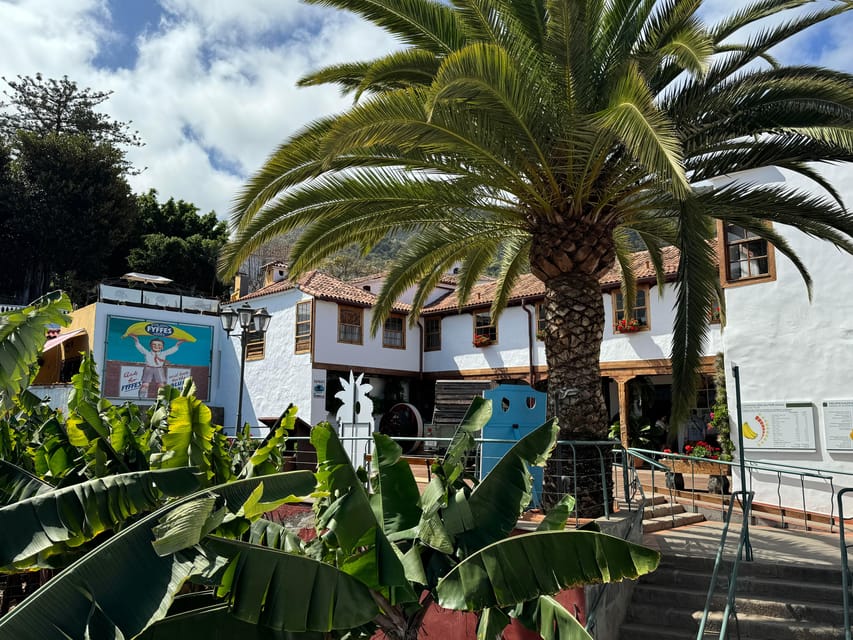
This is a great fit if you want something hands-on without committing to a long excursion. The combination of hacienda architecture, banana history panels in English/Spanish, and an on-site plantation visit makes it useful for both learning and simple sightseeing.
It’s also a strong pick for families. With a self-guided setup and an included banana, it naturally supports a “look, read a bit, snack, move on” flow that kids tend to enjoy.
Consider passing or adjusting expectations if you’re looking for a fully guided, narration-heavy tour. The visit is explained through panels, and the provided languages are English and Spanish. If you need French, there’s no stated French option in the tour info, so you may miss some parts.
Should you book Casa del Plátano entry?
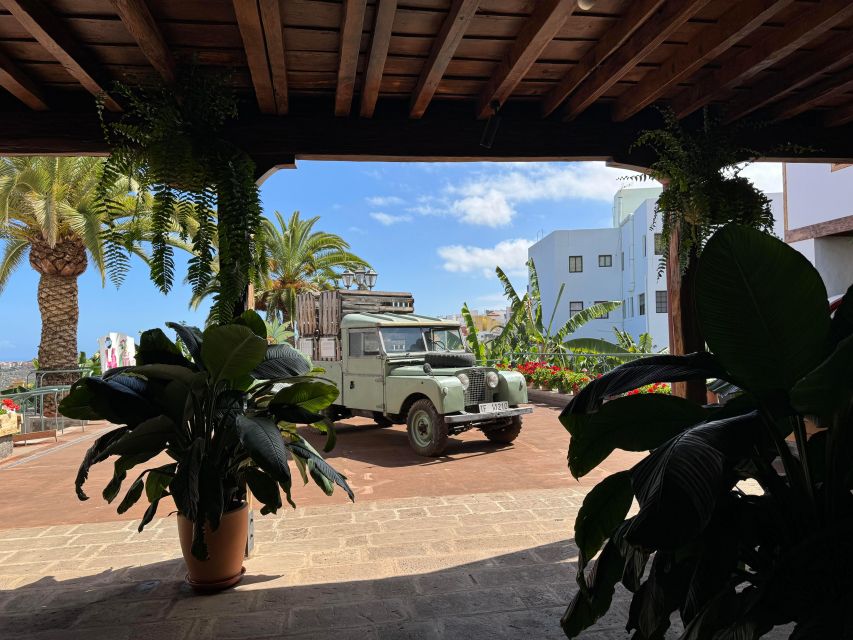
If you’re in Icod de los Vinos and you want a meaningful stop that doesn’t eat your whole day, I’d book it. The low price, the included Canarian banana, and the fact that you can see banana plants and growth stages in person make it feel like more than a quick photo stop.
If you’re comfortable reading and you don’t mind learning at your own pace, this is a very safe choice. And if you’re traveling with kids, the mix of plantation viewing plus an actual snack makes it easier to keep everyone interested.
FAQ
What is the Casa del Plátano ticket for?
It’s an entry ticket to Casa del Plátano in Icod de los Vinos, including access to the house and the banana plantation experience, plus a Canarian banana.
How much does the ticket cost?
The price listed is $5 per person.
How long is the experience valid?
The ticket is valid for 1 day. Starting times depend on availability.
Is the visit guided?
No. This is a self-guided visit with explanation panels.
What languages are available for the explanations?
The explanation panels are provided in English and Spanish.
What time is the last entry?
The last entry time is 18H30.
Is a banana included with the ticket?
Yes. The ticket includes one Canarian banana.
Can I get a refund if I change my plans?
Yes. The activity offers free cancellation up to 24 hours in advance for a full refund.