REVIEW · TENERIFE
Full-Day Gomera Jeep Safari Excursion from Arona
Book on GetYourGuide →Operated by TAMARAN · Bookable on GetYourGuide
Jeep roads and UNESCO air on Gomera. This day trip pairs Garajonay National Park with the living tradition of the island’s whistled language, a UNESCO-recognized cultural feature that’s part show, part history. One thing to keep in mind: the morning start can feel slightly hectic if ferry timings shift, since everyone gets sorted into language groups fast.
I also like that you’re not stuck watching Gomera from a bus window. The Jeep safari format gets you to tight viewpoints and back-road stops, and the best days tend to come down to the guide energy—people have had great runs with names like Frankie (Jose) and Terry, plus drivers such as Bruno, Nancy, and Nicolas.
Plan for an early start and a physical day. The pickup is at 08:20 at X-sur shopping center in Costa Adeje, and the ferry requires original ID or a passport, so don’t roll the dice on a photo or photocopy. Also, jeeps can feel snug—if you’re sensitive to cramped seats, pack a little patience for the ride.
In This Review
- Key takeaways
- A ferry morning and then real roads in La Gomera
- Garajonay National Park: UNESCO forest stops, not a drive-by
- Quick comfort tip
- The whistled language of La Gomera, explained the right way
- 4×4 Jeep safari: why this tour feels different than a coach
- Lunch, villages, and the New World story on the road
- Price and value for about $171 per person
- What to expect on the day: timing, group feel, and comfort
- Who this Gomera Jeep safari suits best
- Should you book this full-day Gomera Jeep safari excursion?
- FAQ
- How long is the Gomera Jeep safari day trip?
- Where do I meet for pickup?
- Is ship transfer included?
- What’s included in the price?
- Do I need a passport or ID card?
- What should I bring?
- What languages is the live tour guide available in?
- Is there free cancellation?
- Is there a reserve now and pay later option?
- What are the main things you do on the tour?
Key takeaways
- Garajonay National Park’s UNESCO setting with lots of stops for views and short walks
- Whistled language demonstration tied to everyday communication on the island
- 4×4 Jeep driving that reaches places coaches can’t
- A built-in ferry day (Tenerife to San Sebastián de la Gomera and back) with food included
- Small-group feel that varies by Jeep, with tight seating possible
A ferry morning and then real roads in La Gomera
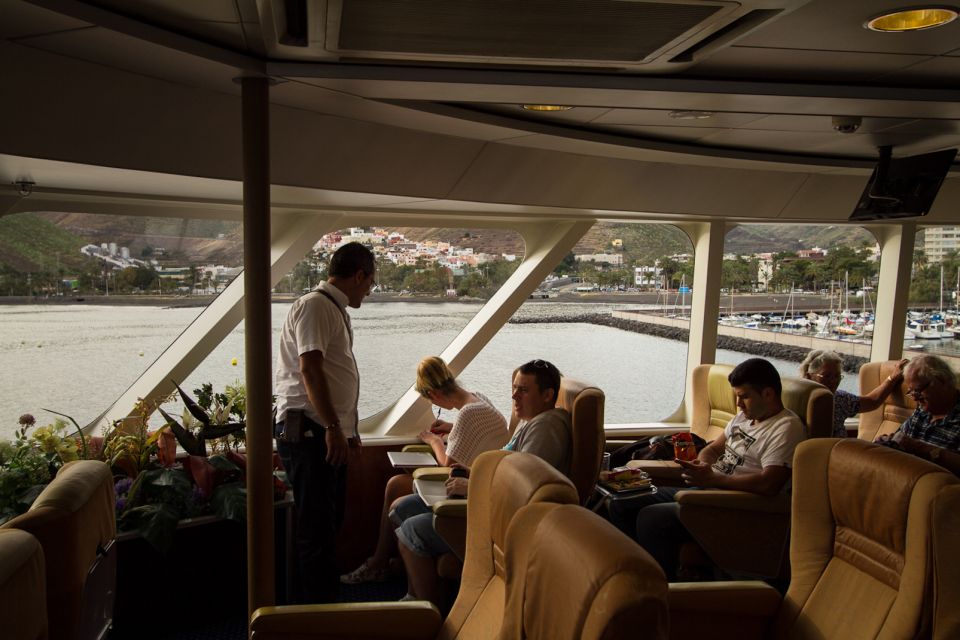
This tour is built around a simple idea: leave Tenerife early, cross by ferry, then switch to 4×4 Jeeps for the parts of Gomera that feel remote and rugged. The full day starts with pickup at 08:20 AM on the free parking of X-sur shopping center, Calle Lisboa, 2, in Costa Adeje (Costa Adeje).
Before you go, the practical rule is clear: you need your original ID card or passport to board the ferry. If you’re traveling with kids, they need ID too. I’d treat that as the number one “don’t forget” item—missing it can derail the whole day.
Once you’re on the ferry, you’re not just transferring. You’re buying time to get the day’s rhythm right. You get a calm start, then the pace ramps up after landing in San Sebastián de la Gomera. From there, the jeeps take over and the island feels more like a place you’re driving through rather than a checklist you’re watching from afar.
One more real-world note: a few people have mentioned the start can feel a bit chaotic if ferry schedules change. That’s not a dealbreaker, but it is why I’d show up early, keep your paperwork ready, and expect quick sorting into the right language group.
You can also read our reviews of more tours and experiences in Tenerife

Garajonay National Park: UNESCO forest stops, not a drive-by
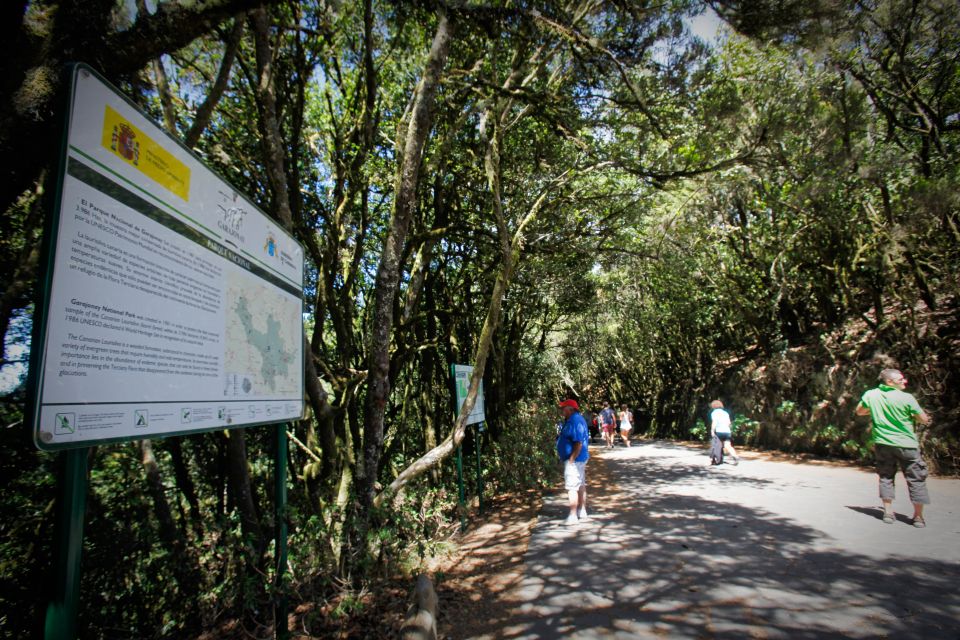
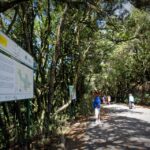
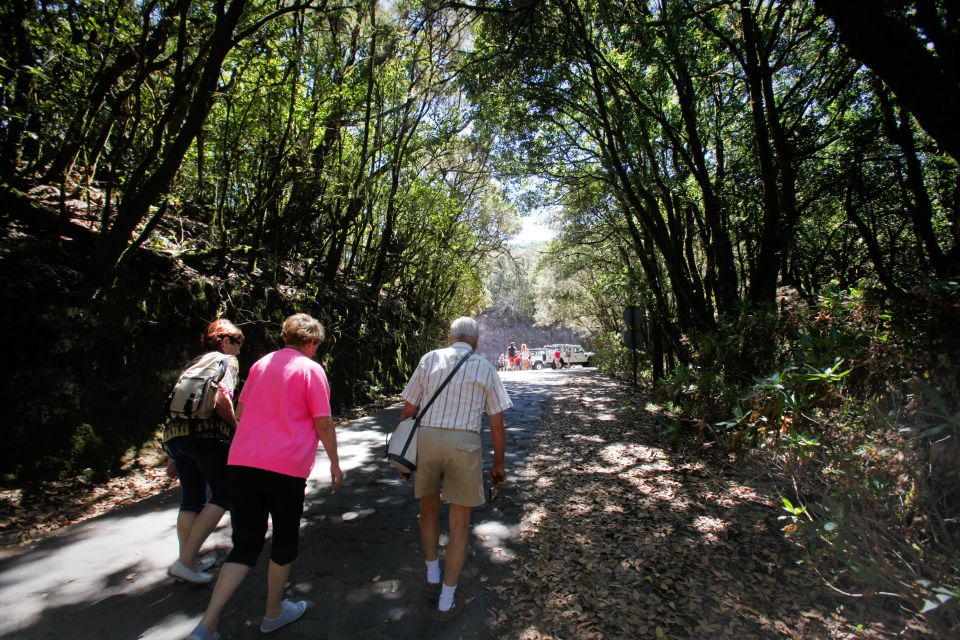
Garajonay National Park is the centerpiece, and you’ll spend the day moving through the park area at a pace that allows for frequent viewpoints and short stops. The park is UNESCO-protected, and it’s the kind of place where the air and the vegetation feel different once you start climbing.
You’ll also hear plenty of context from the guide while you’re on the road. One highlight that comes up often is the time spent in what the guides call the live fossil forest—an older, prehistoric-feeling forest area that makes Gomera feel like it’s held onto something rare.
What that means for you on the ground:
- You’re not just passing through. You’ll stop often enough to take photos without turning every stop into a sprint.
- Expect a mix of scenery views and pauses that let you look, breathe, and understand why this place matters.
Garajonay is one of those stops where the guide’s explanations change your experience. If you’re the type who enjoys learning how a landscape shaped human life, you’ll get more out of it than if you only want pretty photos. Either way, the park is a main reason this tour is worth considering over a more basic day trip.
Quick comfort tip
Wear comfortable shoes. You won’t need hiking boots for everything, but you will benefit from good traction for uneven ground during park stops.
The whistled language of La Gomera, explained the right way
One of the coolest parts of Gomera is the island’s whistled language. It’s not just a random trick—this form of communication is recognized as Intangible Cultural Heritage of Humanity, and the tour builds it into the day with time for a demonstration.
In practice, this is usually what makes the tour feel more authentic than a typical “drive and snack” excursion. The whistling connects to the island’s geography and how people used distance and terrain to communicate. You’ll get the explanation from the guide, then you’ll get to see (and sometimes hear) how it works.
What I like about this component: it turns Gomera from a place you visit into a place you understand. The whistled language demo gives you a cultural anchor while the rest of the day is all roads, views, and moving from village to village.
It also tends to be memorable because it’s hands-on in a way photos never are. If you love hearing how locals make use of their environment—especially on islands—this will land well.
4×4 Jeep safari: why this tour feels different than a coach
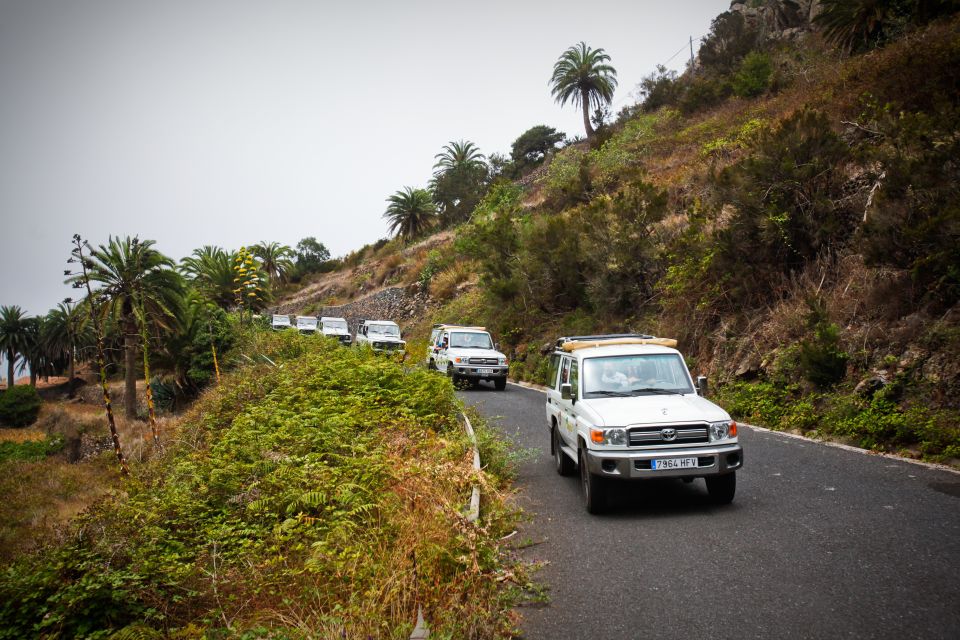
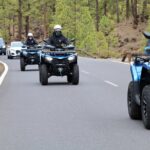
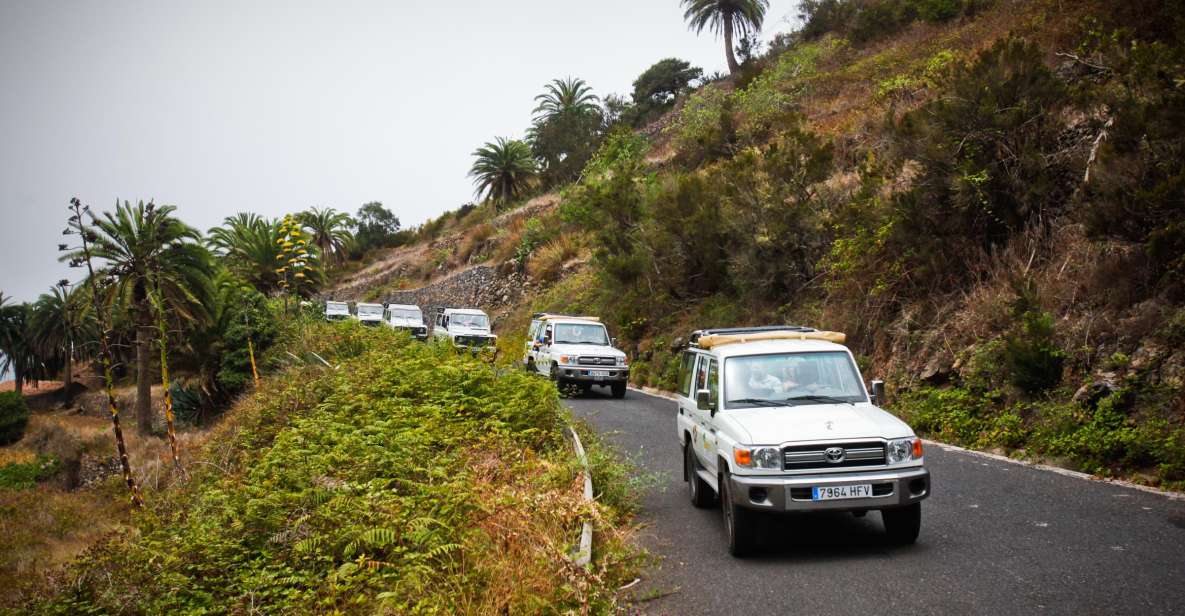
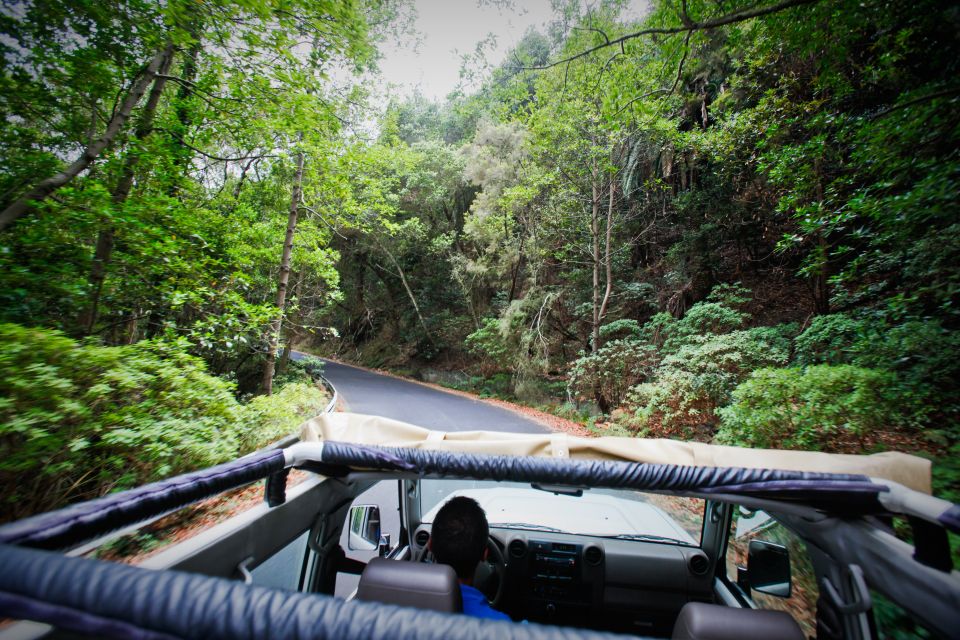
Let’s talk vehicles. The Jeep format is a major reason this tour scores well. Multiple guides and drivers emphasize that Jeeps are the only practical way to reach many of the island’s scenic corners, especially when roads narrow or change quickly.
Safety and driving style matter here, and the better days hinge on the driver. People have praised drivers like Bruno and Nancy for being careful and confident. There are also mentions of a fun, lively tone from guides—Frankie (Jose) is one name that shows up with that combo of humor and pride for the island. Terry also comes up as a guide who stayed engaged and answered questions.
Now for the downside you should actually plan for: the jeeps can be cramped. One person mentioned being in a Jeep with 8 other people, and another suggested smaller Jeep occupancy would make the ride more comfortable. If you’re tall, prone to motion discomfort, or sensitive to narrow seating, this is the part to take seriously.
How to handle it:
- Bring motion-sickness basics if you need them.
- Pack a light layer, since island weather and time in the park can mean quick temperature changes.
- Expect lots of short stops. Those breaks are your friend.
Also, vehicle types can vary by departure. A review mentioned a VW Transporter being used instead of a Land Rover, which can affect feel more than function. Function stays the same—small-group touring on roads bigger vehicles can’t handle as easily—but your comfort may depend on which vehicle you get.
If you’re choosing between this and a coach-style tour, the Jeep safari is the better bet when you want access and flexibility rather than maximum comfort.
You can also read our reviews of more tours and experiences in Tenerife

Lunch, villages, and the New World story on the road
This day isn’t only about nature. You also get traditional food and village time. Lunch is included, and it’s generally described as good, enjoyable, and well-portioned—some people noted water and wine on the tables.
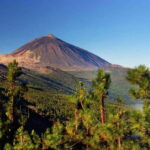
The restaurant stop can come with a view. At least one person mentioned the restaurant having especially impressive views toward Teide. That’s not guaranteed, but it gives you a sense of the typical vibe: you’re not eating in a parking lot feeling like this is a chore. You’re eating while you’re still in the middle of the experience.
There’s also a culture-and-story angle. On the road, the driver shares history tied to Gomera’s role as a bridge in the discovery of the New World. It’s the kind of information that works best if you like connecting geography to history—like how sea routes and island stopovers mattered.
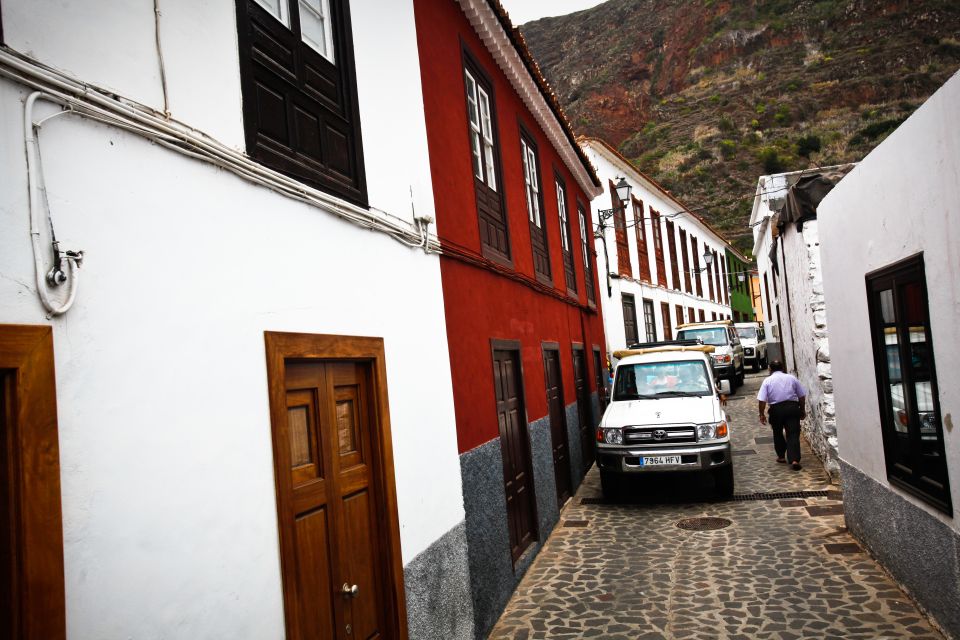
The day includes stops in what guides describe as picturesque villages. Even without village-name details here, the point is clear: you see Gomera at different elevations and in different forms, not just one “pretty spot” repeated for marketing photos.
One lunch detail I’d keep in mind: some people have mentioned there may be an option for a set menu versus buying your own at the restaurant stop. Since the tour’s “food included” is stated, I’d ask your guide what the lunch setup will be when you’re on board—then you can plan around your preferences.
Price and value for about $171 per person
At $171 per person for a full-day excursion, the value comes from what’s bundled together. You’re paying for:
- A ferry ship transfer between Tenerife and Gomera
- Guided driving around the island in a vehicle suited for the roads
- Time in Garajonay National Park
- A whistled language cultural moment
- Food at lunch
If you were to piece those parts together independently—especially the guided element—costs typically stack up fast. Here, the driver and guide coverage matters because the day is not just transport. It’s explanation, timing, and access to areas you’d struggle to coordinate alone on mountainous roads.
Where the value can drop a little is if you’re picky about comfort or if you end up in a group that doesn’t match your language expectations. One person thought the tour would be stronger with an English-speaking guide, suggesting language can vary by how the group is formed.
My take: for most people, $171 is fair when you want a structured day with ferry + 4×4 access + UNESCO park time. If you prefer to control every hour yourself, a rental car day could be cheaper—but it won’t give you the cultural interpretation and the same access rhythm.
What to expect on the day: timing, group feel, and comfort
This is a one-day format, so you should expect a full schedule and a long day. Even with frequent stops, you’re still stacking:
- Morning ferry time
- Driving and park stops
- Cultural time for whistled language
- Lunch and village viewing
The good news is that the day is organized to keep you moving. People have called the operation slick once groups are sorted, and guides have stayed engaged during stops rather than using a silent “here’s your photo time” approach.
Group size is the big variable that affects comfort. Many departures run small enough to feel more personal than big coach trips, but still large enough that you’ll share a Jeep with other people. If you want quiet, ask for the best possible seating arrangement when you board, or just plan to use stop breaks as your recovery.
Also, if you’re expecting a specific language, don’t assume every departure has the same exact lead. The tour lists live tour guide options across languages including German, French, English, Italian, Dutch, Polish, and Spanish. In real life, your experience depends on how the day’s groups are formed.
Who this Gomera Jeep safari suits best
This tour fits you well if you want:
- UNESCO Garajonay National Park time without complicated planning
- A cultural moment beyond photos, especially the whistled language demonstration
- A more active way to get around than a coach, with access to roads coaches can’t handle
- A day trip built as a full package, including ferry transfer and lunch
It’s less ideal if:
- You’re very sensitive to cramped seating
- You want maximum control over timing and stops
- You dislike group sorting at the start of the day
If you’re traveling as a couple or small group, the Jeep format can feel especially fun because you’re not stuck in a giant herd. If you’re traveling solo, it can be a great way to meet people from different countries while still getting real driving time.
Should you book this full-day Gomera Jeep safari excursion?
Book it if you want an organized day where Gomera’s big highlights are handled for you: ferry crossing, Garajonay National Park, the whistled language culture, and a traditional lunch. The $171 price is easiest to justify when you’d otherwise struggle to coordinate all of this yourself, especially the 4×4 access.
Don’t book it if comfort is your top priority or if you strongly need a specific guide language and can’t tolerate the possibility of different group formations. If that’s you, consider what compromises you’ll accept: a slightly cramped ride for better access, or a different style of tour that prioritizes comfort.
If you’re okay with a full day and you like learning while you travel, this is a smart choice.
FAQ
How long is the Gomera Jeep safari day trip?
It runs for 1 day.
Where do I meet for pickup?
You meet at 08:20 AM in the free parking of X-sur shopping center, Calle Lisboa, 2, Costa Adeje.
Is ship transfer included?
Yes. Ship transfer is included as part of the day.
What’s included in the price?
The tour includes a driver, ship transfer, and food.
Do I need a passport or ID card?
Yes. Original ID card or passport is compulsory to get on board the ferry.
What should I bring?
Bring a passport or ID card (and ID for children), and wear comfortable clothes.
What languages is the live tour guide available in?
The live tour guide is offered in German, French, English, Italian, Dutch, Polish, and Spanish.
Is there free cancellation?
Yes. You can cancel up to 24 hours in advance for a full refund.
Is there a reserve now and pay later option?
Yes. You can reserve your spot and pay later.
What are the main things you do on the tour?
You sail from Tenerife to Gomera, then explore by 4×4 Jeep. You visit Garajonay National Park, learn about the whistled language, see picturesque villages, and enjoy a traditional lunch.