REVIEW · TENERIFE
From South Tenerife: VIP Gomera Tour
Book on GetYourGuide →Operated by TAMARAN · Bookable on GetYourGuide
Gomera feels like a small island with big stories. You ride over from Tenerife by boat with an VIP-style setup, then switch to a 4-wheel drive to reach the Garajonay National Park. The day doesn’t stop at scenery; it connects Gomera to its whistling-language heritage and the island’s role in the New World story.
One possible drawback is that the lunch is included, but at least one past guest wasn’t happy with the meal quality. If food matters to you, plan to treat lunch as a convenience, not a highlight.
In This Review
- Key things that make this tour work
- VIP boat to La Gomera: starting in San Sebastián instead of rushing
- Why a 4-wheel drive changes the Gomera experience
- A quick practical note
- Garajonay National Park: the centerpiece stop
- What to expect from the timing
- Traditional villages and the whistling-language heritage
- The village stops: what you should watch for
- Lunch, snacks, and the onboard food setup
- How to handle lunch expectations like a pro
- Your guide makes or breaks the day (and this tour takes that seriously)
- One caution about guide fit
- Meeting point and timing: be on time for the 08:20 start
- What to bring
- Value check: is $188 worth it for a 10-hour VIP-style loop?
- Who should book this tour, and who should consider driving instead?
- Should you book the South Tenerife VIP Gomera Tour?
- FAQ
- Where is the meeting point?
- How long is the tour?
- Does the tour include transportation on La Gomera?
- Do I take a ferry from Tenerife?
- Do I need my passport or ID for the ferry?
- What food and drinks are included?
- What languages are the live guides?
- Is the tour wheelchair accessible?
- What should I bring?
- What are the flexibility options if plans change?
Key things that make this tour work
- VIP ferry comfort: reserved boat area plus snacks and drinks on board for the crossing
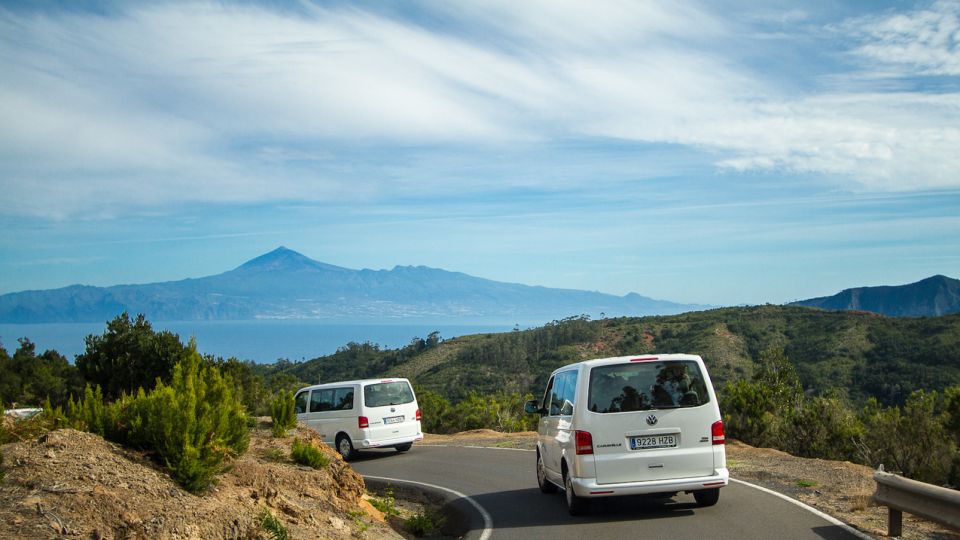
- 4-wheel drive access: the off-road approach helps you see more of Gomera than you’d get by sticking to the main roads
- Garajonay National Park visit: a dedicated stop in one of the island’s most important protected areas
- Culture with context: explanations tied to Gomera’s heritage, including the whistling language
- Guide energy: standout guides like Thomas and Manuel combine facts with humor and lots of Q&A
- Manageable group vibe: people describe the group as small and pleasant
VIP boat to La Gomera: starting in San Sebastián instead of rushing
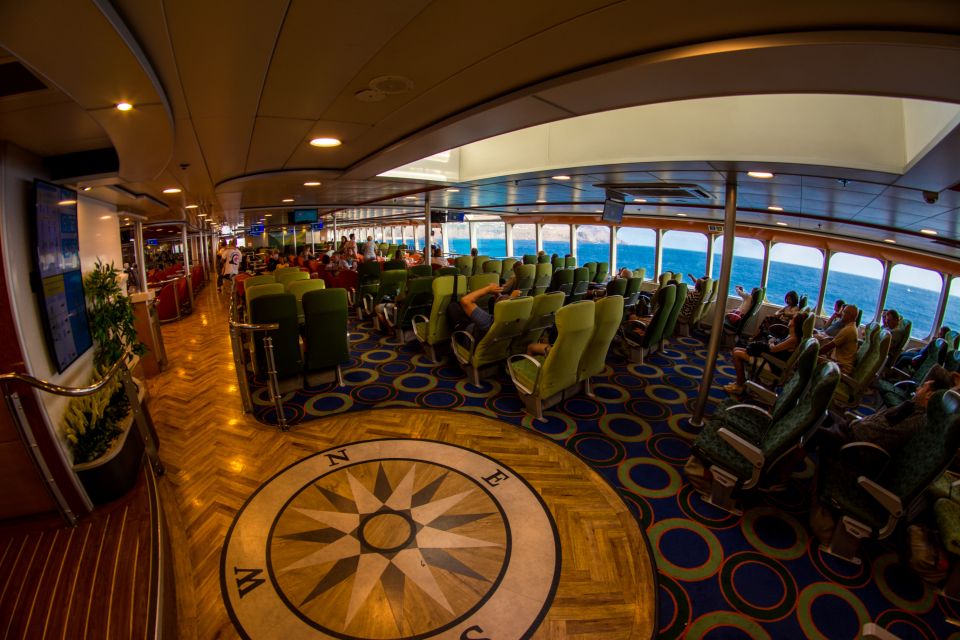
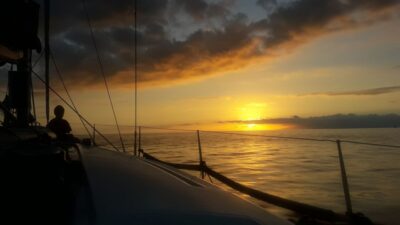
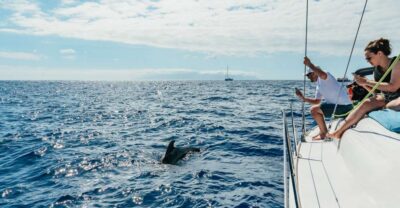
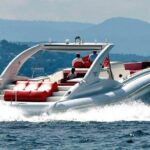
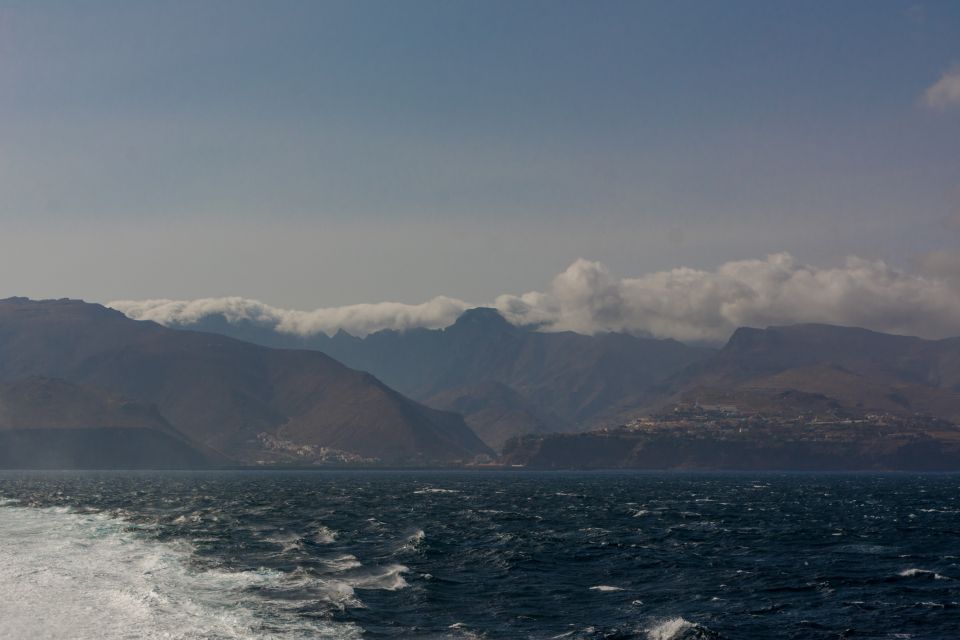
This tour begins the way good islands days should: with a water crossing that sets the mood. You leave the south of Tenerife by boat from Playa de las Américas in the morning, then arrive in San Sebastián de la Gomera. That matters because it saves you the stress of transit once you’re already on Gomera. You’re not figuring things out while everyone else is; you’re just moving.
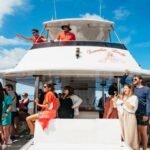
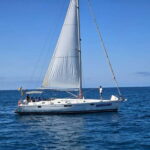
The boat part also has a comfort angle. You get access to an exclusive area on the ship, with food and drinks included as part of the crossing experience. In plain terms: it’s less like a crowded commute and more like a planned start to a long day.
If you’re the type who gets cranky when mornings are chaotic, this is a big win. You’re given a clear meeting time, and the rest of the day has a guided rhythm: ferry out, vehicle exploring, then a return ferry at the end.
You can also read our reviews of more tours and experiences in Tenerife

Why a 4-wheel drive changes the Gomera experience
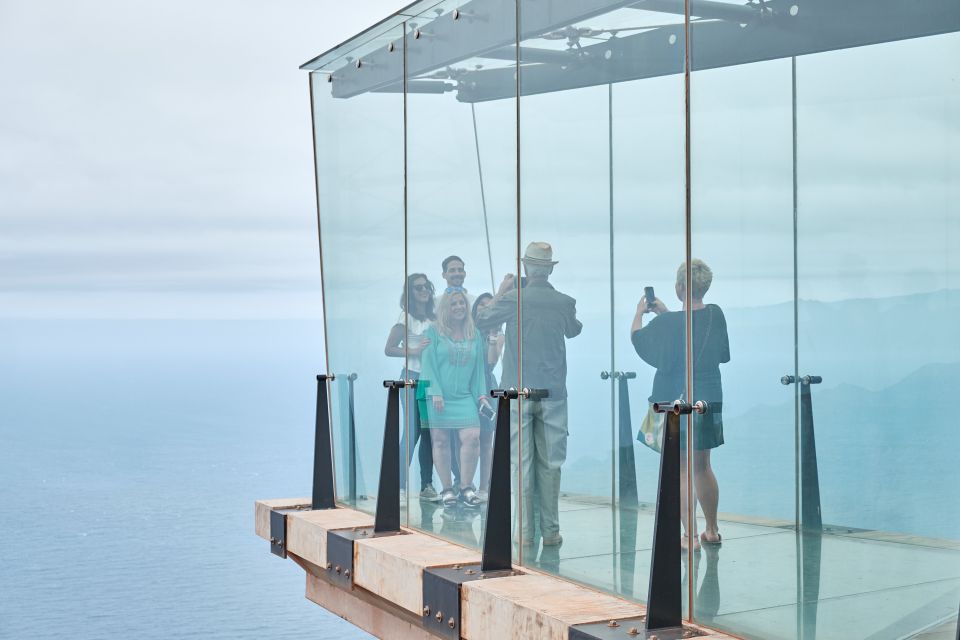
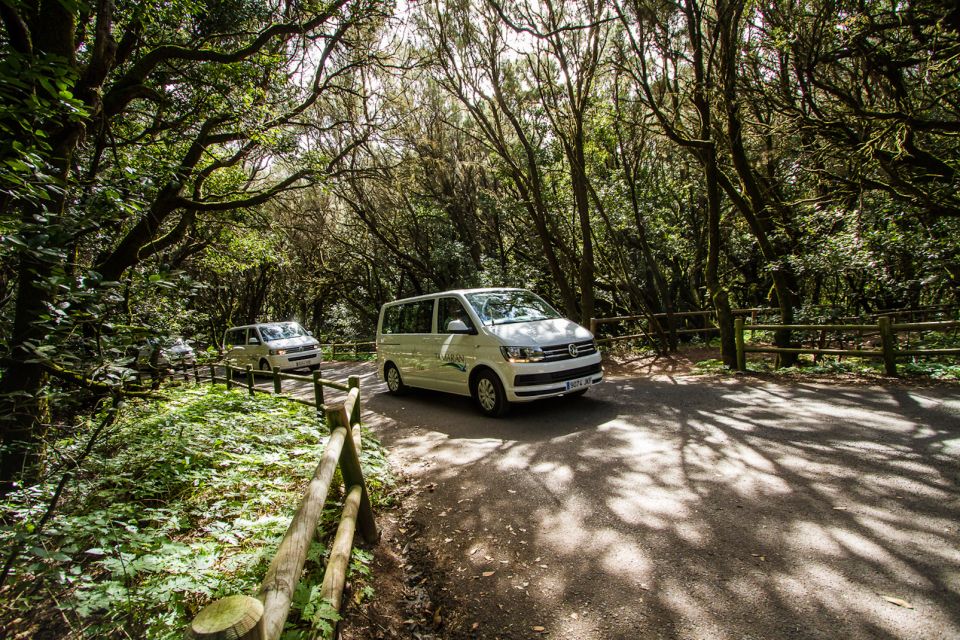
On La Gomera, the “how” matters as much as the “where.” A regular rental car can get you around, but it doesn’t always give you the same access to the island’s more dramatic roads and viewpoints. This tour uses air-conditioned 4-wheel drive transportation with a driver, so your day is built around getting to places where the island feels different.
That’s especially important for two reasons:
First, Gomera’s appeal is partly about variation—changes in terrain, vegetation, and how communities live with the island’s contours. When you have a vehicle designed for the roads (and a driver who’s doing it regularly), you spend less time worrying about routes and more time paying attention.
Second, a good guide turns the ride into learning time. One of the strongest themes from the experience is that the guide doesn’t just talk at you. People highlight guides like Thomas and Manuel for detailed explanations—about how Gomera formed, how the island developed economically and socially, and how the local natural world works (including examples such as non-burnable trees, specific fruit types, and even references to the canary scale insect). Those are the kinds of details that make the vehicle time feel purposeful.
A quick practical note
The tour is 10 hours. That means you’ll want comfortable shoes and a jacket even if it feels warm when you leave. You’re on a ferry and in vehicles throughout the day, and weather on the Atlantic can shift.
Garajonay National Park: the centerpiece stop
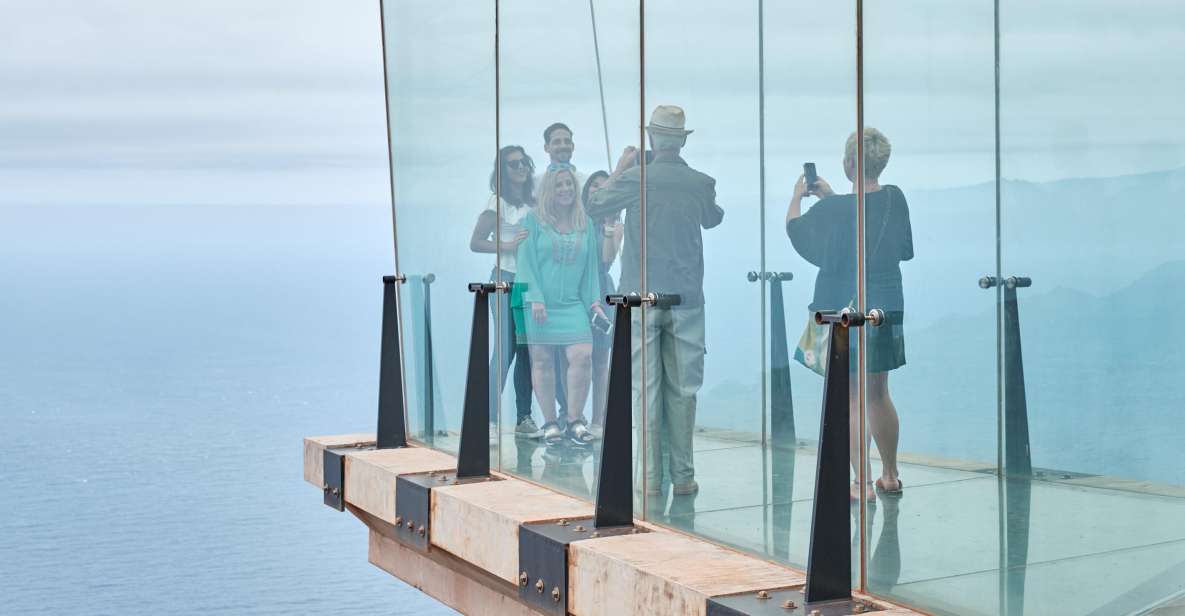
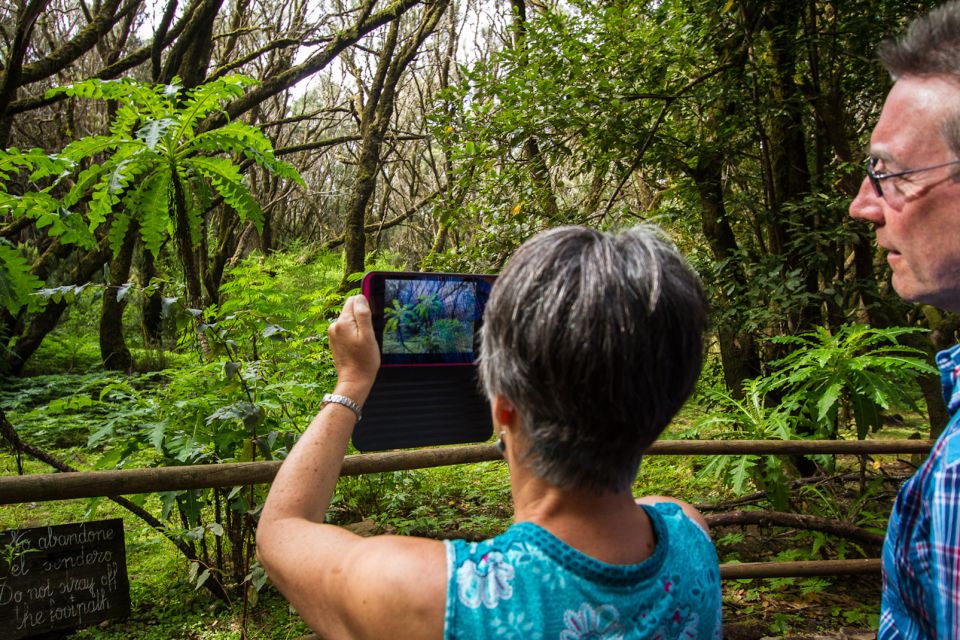
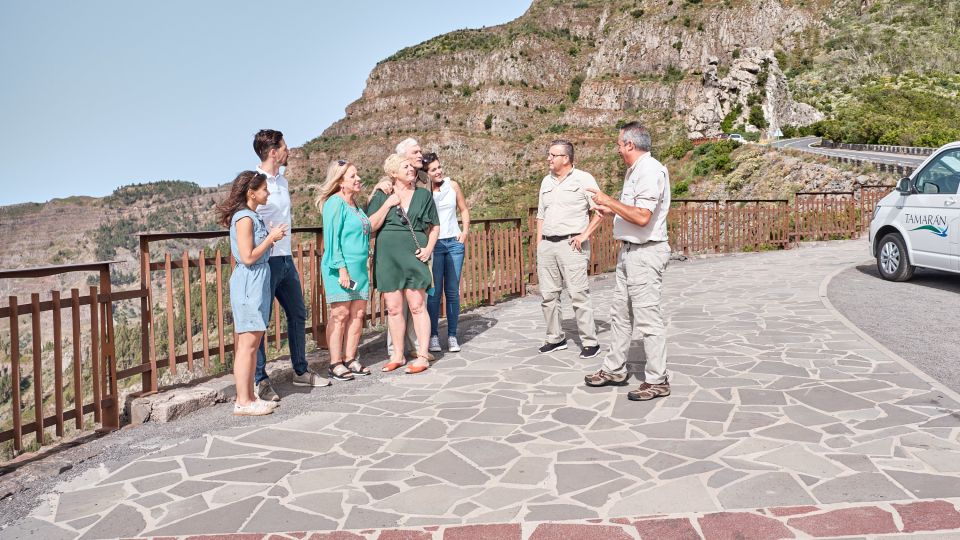
If you want one reason this tour exists, it’s Garajonay National Park. The day gives Garajonay real attention instead of treating it like a quick photo stop. You’re not just driving by; you’re set up to visit the park as a distinct part of the itinerary.
Why does that matter? Garajonay is one of the island’s most important protected areas, and it’s also where you get a sense of how Gomera’s environment shapes daily life. In the best guides’ hands, this stop becomes the bridge between what you see and what you understand—how the island’s ecology connects to the communities, and how the park fits into the larger picture of conservation and identity.
Based on what guests praise, this is where the guide’s knowledge shows up. Thomas, for example, is singled out for covering not only history and society but also botany-level details. That’s valuable for you because it helps you move from “pretty place” to “why this place matters.”
What to expect from the timing
The park visit is structured into a full-day loop that includes lunch and village time, then returns by boat. So plan to use your time at Garajonay efficiently: bring sunscreen, wear grippy shoes, and don’t assume you’ll have unlimited time to wander. You’re there because the day is paced to cover multiple experiences.

Traditional villages and the whistling-language heritage
After the park, the tour shifts from natural wonder to human scale. You’ll have time to stop and visit some of Gomera’s traditional villages. This is where you see how the island’s culture sits inside its geography—how communities developed and how everyday life reflects the terrain.
One of the tour’s specific thematic strengths is cultural storytelling. It highlights Gomera’s whistling language as part of the island’s cultural heritage. That’s not just trivia. The whistling tradition is tied to how people communicated across distance in a mountainous environment, and it gives you a different way to read the island. Even if you don’t hear a performance during your visit, the explanations help you understand why this kind of tradition could exist here at all.
The tour also frames Gomera through its “bridge to the New World” story. You don’t need to be a history buff to appreciate what that narrative does: it connects the island to larger movements of time and exploration, while still keeping the focus on local identity.
The village stops: what you should watch for
Because the itinerary mentions “picturesque villages” rather than a strict set of landmark sites, treat these stops as chances to:
- walk slowly and look at how people use outdoor space
- pause for photos of town edges and viewpoints
- ask your guide how the stories connect to the places you’re standing in
If you’re the type who likes to explore without rushing, this portion is likely to feel like a relief after the park.
Lunch, snacks, and the onboard food setup
This day runs long, so food planning is not optional. You get a selection of snacks and drinks onboard during the ferry crossing, and lunch is included during the day.
Here’s the balanced truth: the onboard snacks and drinks generally sound like a straightforward win because they’re part of the planned comfort level of the VIP-style ferry. Some descriptions also mention sweets and refreshments on the return crossing, which fits the idea of keeping everyone fed during long gaps.
But lunch is the one part that comes with a warning label. At least one past guest said the midday meal wasn’t good. That doesn’t mean lunch will be terrible for everyone, but it does mean you should calibrate expectations.
How to handle lunch expectations like a pro
- If you have dietary needs, check what’s offered before you commit. (The data confirms lunch is included, but it doesn’t list menu details.)
- If you’re picky, consider bringing your own small snack for the “just in case” moment. The tour info even suggests bringing snacks.
- Hydrate early. You’ll be outside and on the move.
Your guide makes or breaks the day (and this tour takes that seriously)
A tour can have a great route and still feel flat if the guide is reading notes. This one has a track record of people feeling they got more than just logistics.
Guides like Thomas and Manuel show up in feedback as standouts. Thomas gets praise for extensive knowledge spanning history, botany, and island life, delivered with humor and the ability to answer questions. Manuel is repeatedly linked to a VIP-feeling ferry setup and a more personalized atmosphere—people describe a reserved placement on the boat and a friendly, question-friendly style.
Even when you’re just passing time in the vehicle, that guiding style matters. It turns stops into learning moments. It also means you can ask a question when something catches your eye—like a type of tree, a local product, or a cultural note connected to what you’re seeing.
One caution about guide fit
Not every tour experience hits the same note for every person. One account described the day as more chaotic than expected and suggested the guide leaned into jokes instead of detailed island facts. That’s not a universal theme, but it’s worth keeping in mind if you’re traveling specifically to maximize information and structure.
Meeting point and timing: be on time for the 08:20 start
You’ll want to be ready early. The meeting point is 08:20 AM at the free parking of X-sur shopping center, Calle Lisboa, 2, in Costa Adeje. The tour also includes pickup at your hotel or nearby meeting point, but this time and location are the anchor you should use to plan.
Here’s why timing matters: you’re leaving Tenerife by boat in the morning, and the whole day is built around that ferry schedule. If you miss the meeting, you can’t exactly “catch up” later without messing up the itinerary.
What to bring
Plan around comfort and documents. You should bring:
- Passport or ID card (required for the ferry crossing)
- comfortable shoes
- sunglasses and sun hat
- sunscreen
- water
- a jacket
- snacks (even though you’ll have onboard snacks and lunch included)
That list is small, but it covers the real needs for a long outdoor day with a boat connection.
Value check: is $188 worth it for a 10-hour VIP-style loop?
At $188 per person for a 10-hour experience, you’re paying for several components at once:
- hotel pickup or a nearby meeting point
- a driver and air-conditioned 4-wheel drive transport
- ferry return from Tenerife to La Gomera
- snacks and drinks during the boat crossing
- lunch included
- a live guide in French, German, or Spanish
If you tried to do this on your own, you’d likely spend time (and money) stitching together ferry tickets, vehicle transport, a guide, and a park visit that fits into a single day. This tour packages those moving parts into one plan with a guide directing the “why” behind each stop.
Where value can wobble is in the one weak spot: lunch quality. If you’re someone who views meals as part of the travel experience, you might feel less value. If you care more about having a route and learning content handled for you, $188 starts looking more reasonable.
Who should book this tour, and who should consider driving instead?

This is a smart choice if you want:
- a guided day with context (history, culture, nature)
- park access without planning a route yourself
- transport that handles the island roads via 4-wheel drive
- a smoother island transition thanks to the ferry start in Tenerife
You might feel less satisfied if:
- you’re extremely picky about lunch and expect restaurant-level quality
- you prefer total independence and don’t want a fixed pace
If you’re traveling with someone who loves asking questions, this tour tends to pay off. Multiple guide names come up with the same theme: people appreciated the ability to learn and still enjoy the ride.
Should you book the South Tenerife VIP Gomera Tour?
I’d book it if your priority is a well-run, full-day La Gomera introduction that combines ferry comfort, 4-wheel drive exploration, a real Garajonay National Park visit, and village time tied to culture like the whistling language.
If you only care about one thing—say, just the park—and you don’t want to spend most of your day on transit, then think harder. And if lunch quality is a make-or-break factor for you, go in with adjusted expectations or plan a backup snack.
Bottom line: for many visitors, the strongest payoff is the combination. You’re not just crossing water and taking photos—you’re getting a guided story of Gomera that’s designed for a single day.
FAQ
Where is the meeting point?
The meeting point is at 08:20 AM at the free parking of X-sur shopping center, Calle Lisboa, 2, in Costa Adeje.
How long is the tour?
The duration is 10 hours.
Does the tour include transportation on La Gomera?
Yes. You’ll travel in an air-conditioned 4-wheel drive vehicle with a driver.
Do I take a ferry from Tenerife?
Yes. The included ferry covers return travel from Tenerife to La Gomera.
Do I need my passport or ID for the ferry?
Yes. For the ferry from Tenerife to La Gomera, you need your original identity document or passport. Passengers are not admitted on board without it.
What food and drinks are included?
There is a selection of snacks and drinks onboard the ship, and lunch is included.
What languages are the live guides?
The live tour guide speaks French, German, and Spanish.
Is the tour wheelchair accessible?
Yes, it is listed as wheelchair accessible.
What should I bring?
Bring a passport or ID card, comfortable shoes, sunglasses, sun hat, snacks, sunscreen, water, and a jacket.
What are the flexibility options if plans change?
The tour offers free cancellation up to 24 hours in advance for a full refund, and it also offers a reserve now & pay later option.