REVIEW · TENERIFE
From San Juan beach : Marine Life Cruise
Book on GetYourGuide →Operated by Sea Passion Tenerife · Bookable on GetYourGuide
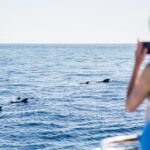
Three hours at sea, and the ocean does the talking. From Puerto Playa San Juan, you head out on Sea Passion Tenerife to look for Calderón Tropical (pilot whales) and other marine life near La Gomera. Along the way, the crew keeps it practical and educational, sharing what you’re seeing and what to expect from the water.
I love the small-boat feel. It makes the spotting experience easier, and you’re not fighting crowds to hear the captain’s guidance. I also love the onboard touches: snorkeling masks are provided, and you get a sandwich plus drinks while the day is still in motion.
One thing to plan for: conditions can limit swimming and snorkeling. When the water is choppy or windy, you may have to choose between watching and getting in the water, and there can also be some time spent at the harbor with food before you fully count the hours.
In This Review
- Key highlights to know
- Leaving Puerto Playa San Juan: the best kind of start
- The cruise route: La Gomera, the pilot whale zone, and what you’re actually hunting
- Sea Passion Tenerife onboard: comfort, group size, and the snack plan
- Whales and dolphins spotting: what to watch for and how to stay patient
- Snorkeling and swimming: masks are included, but conditions call the shots
- The captain’s science lessons: marine life, plus vulcanology and weather
- What to bring (and what to skip) for a smooth 3 hours
- Price and value: is $77 a good deal?
- Who should book this cruise, and who might want alternatives
- Should you book the Marine Life Cruise from Playa San Juan?
- FAQ
- How long is the Marine Life Cruise?
- Where does the cruise depart from?
- What marine life might I see?
- Are snorkeling masks included?
- What’s included with the ticket?
- What languages does the host or greeter speak?
- What is the cancellation policy?
Key highlights to know
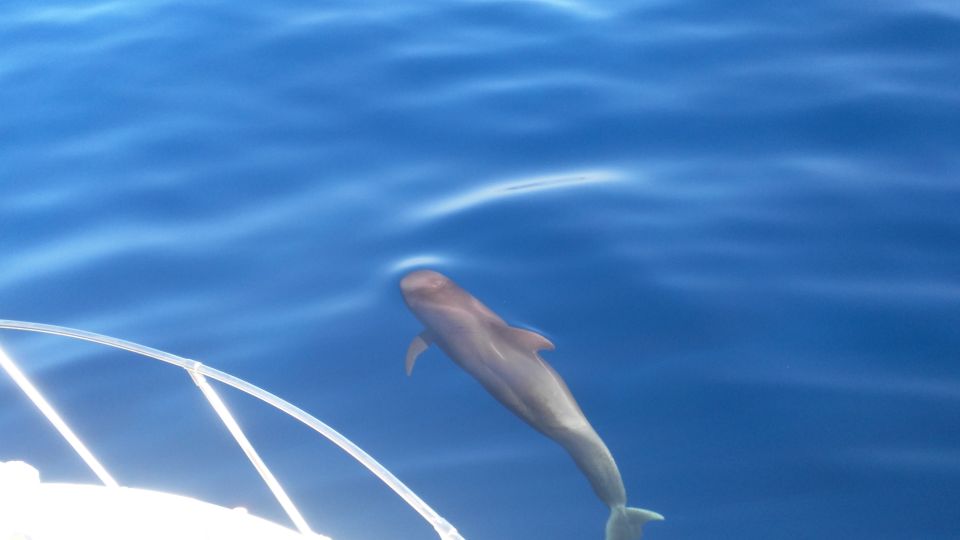
- Target zone for pilot whales: you enter the Calderón Tropical area when you’re about 1,000 meters from shore near La Gomera
- Captain-led marine spotting: the narration blends science with local knowledge so sightings make sense
- Small group energy: a tighter group makes it easier to move, look, and follow instructions
- Snorkeling masks included: you’re set up with gear onboard for a possible swim/snorkel moment
- Food and drinks included: sandwich plus soft drinks and red/white wine keep you fueled
- Worth it for the route: departing from one of Tenerife’s last traditional fishing ports adds atmosphere fast
Leaving Puerto Playa San Juan: the best kind of start
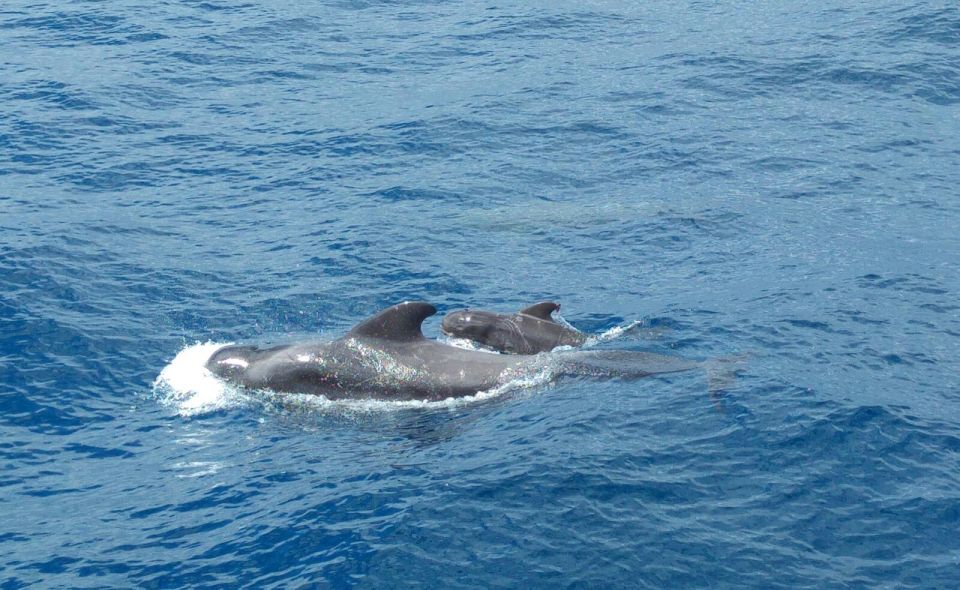
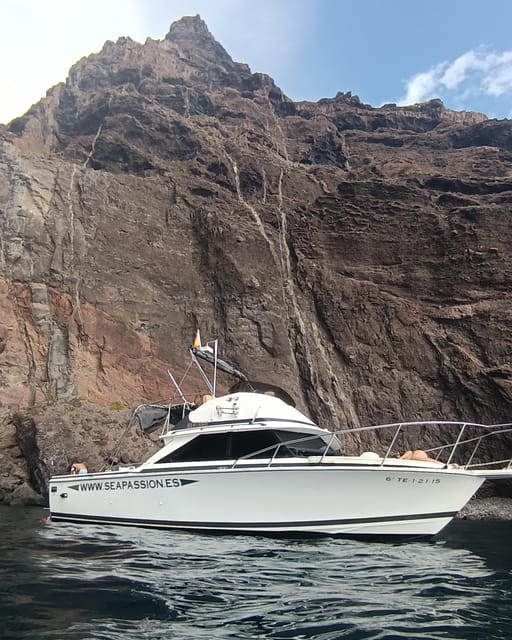
The tour’s whole vibe begins on shore, at Puerto Playa San Juan, one of Tenerife’s last traditional fishing ports. That matters more than you’d think. You get a real sense you’re joining local sea life, not just boarding a random excursion boat in a generic marina.
From here, you’ll head for the open water with the goal of finding whales and dolphins. The captain’s job is to put you in the right place, then explain what you might be seeing. I like that the tour doesn’t treat wildlife as a lottery ticket. It treats it like a process: location, timing, and observation.
Also, the departure spot is a quick win for your day. You’re not losing time commuting across the island before anything interesting happens. You’re out looking early, when your eyes are fresh and the sea isn’t already exhausting.
You can also read our reviews of more boat tours in Tenerife

The cruise route: La Gomera, the pilot whale zone, and what you’re actually hunting
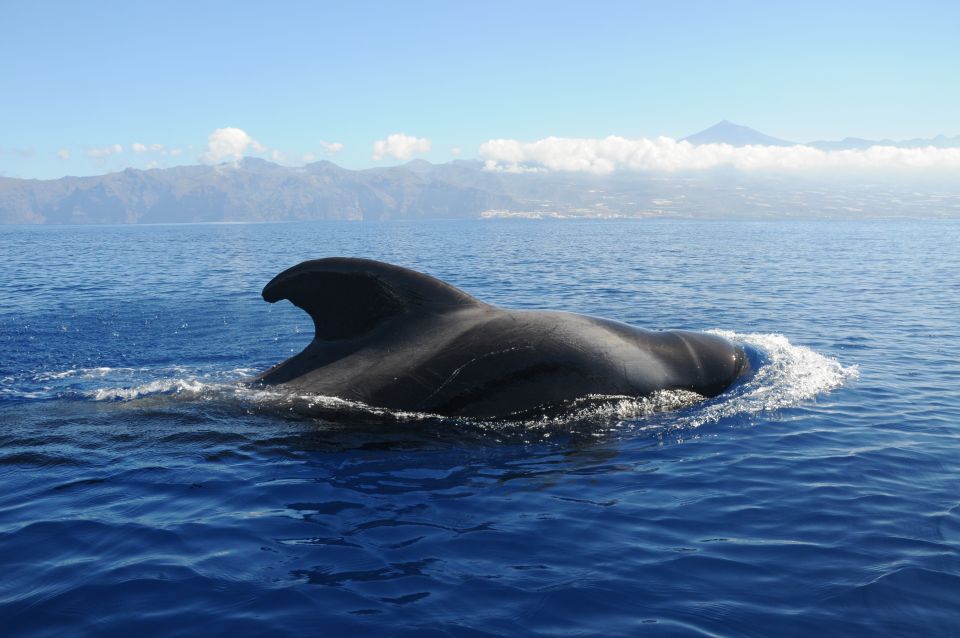
Here’s the practical roadmap. The boat departs from Puerto Playa San Juan, then heads toward the south of La Gomera. The distance is about 3 nautical miles, and then you reach a key point: when you’re around 1,000 meters from shore, you enter the area known for Calderón Tropical, or pilot whales.
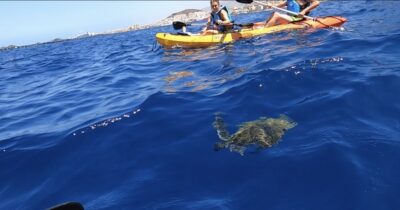
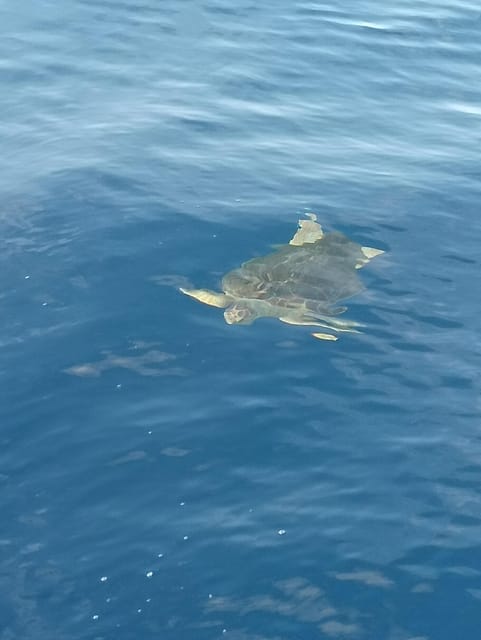
That detail is useful for your expectations. You’re not cruising in search of something vague. You’re working a defined zone. In that area, you may also encounter other marine life, including turtles, flying fish, sardines, and tuna schools, plus other sightings that come with being in the right water at the right time.
Why this matters for you: whale-watching tours can feel like waiting. This one leans into a structured search, with the captain actively using local knowledge to keep the boat positioned. That structure is one reason people come away feeling like they got value, not just time at sea.
Sea Passion Tenerife onboard: comfort, group size, and the snack plan
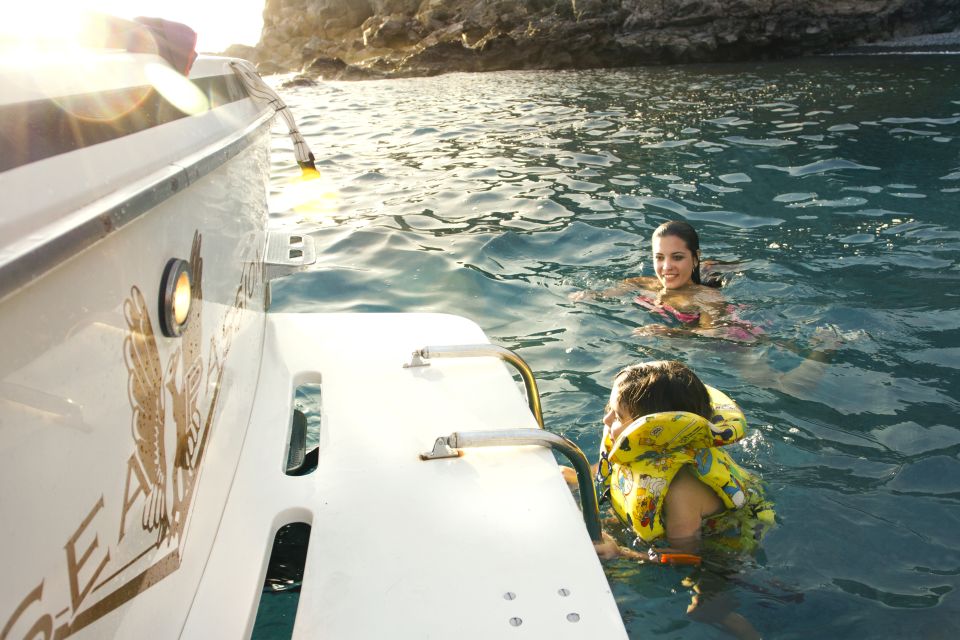
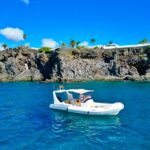
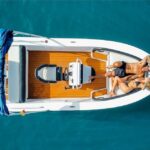
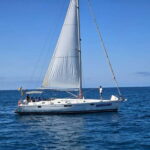
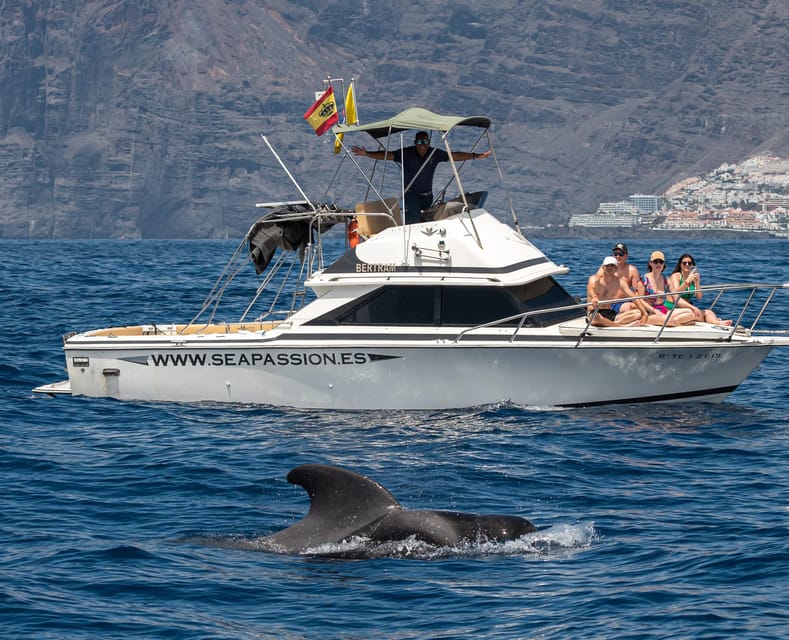
The experience is run by Sea Passion Tenerife on the Sea Passion boat. The big advantage is the size and feel of the trip. More than one person’s feedback circles the same theme: a smaller boat and a smaller group make it more manageable and more fun. You’re not getting separated into hearing-distance chaos.
Onboard, you’re there for the wildlife, but you also need to be comfortable enough to stay focused. The cruise includes a sandwich and drinks—soft drinks, plus red and white wine. That’s not just about eating. It helps you settle in during the time you’re scanning the water, which can take longer than your excitement wants.
One practical note: expect that food time is part of the overall experience. Even though the cruise is marketed around 3 hours, plan your day as if there may be a stretch of time at the harbor with sandwiches and drinks. It’s not necessarily a deal-breaker, but it can affect how you feel about the clock.
I also like that the tour includes snorkeling masks onboard. That turns the outing into more than just a passive viewing session. It gives you a real choice once conditions allow.
Whales and dolphins spotting: what to watch for and how to stay patient
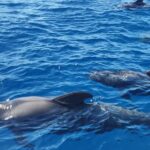
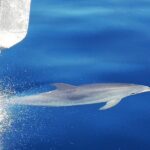
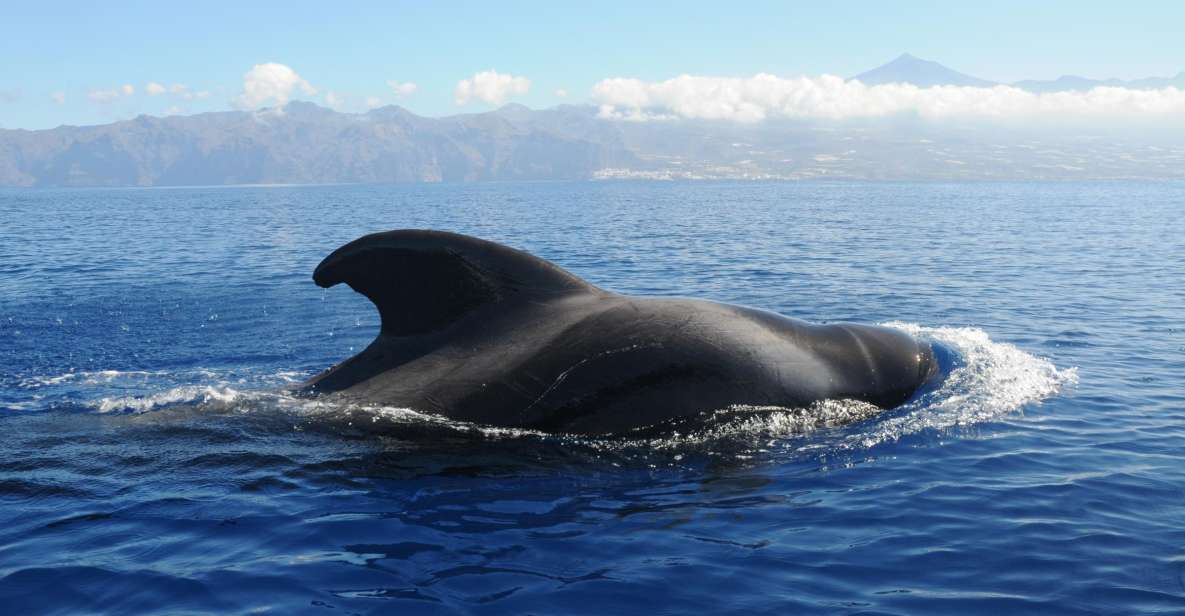
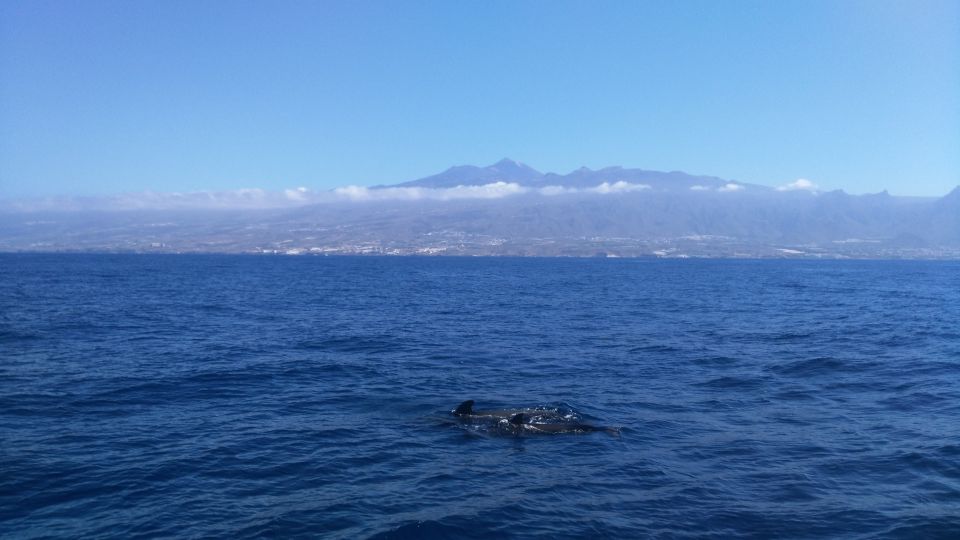
The goal is whale watching, with dolphins as a strong possibility. The tour focuses on the pilot whale zone, and when pods are around, you can get some very close, exciting encounters.
From the feedback, there’s a pattern: sightings often happen as the captain actively tracks where the animals are. That’s why you might hear lots of information while you’re waiting—because the captain isn’t just guessing. They’re working the area.
Here’s how you’ll get the most out of it:
- Stay ready with your camera, but also give your eyes a break from the screen.
- Listen to the captain’s instructions before you move or shift positions.
- Be patient with the rhythm. Wildlife doesn’t perform on a tourist timetable.
One small, but important mindset shift: you’re not controlling the sea. Your job is to be attentive and flexible. When you do that, the tour becomes a real marine encounter instead of a checklist.
Snorkeling and swimming: masks are included, but conditions call the shots
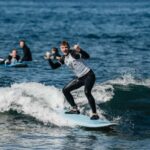
This is one of the most important parts to set expectations correctly. You’ll have snorkeling masks provided onboard, and you may have the chance to swim in a designated spot. That’s the theory—and it can be great when the water cooperates.
But the ocean is the ocean. If the water is too windy or too rough, snorkeling might be limited or not work as planned. In those moments, the value of the tour still holds because the primary focus is spotting whales and dolphins, and the captain’s commentary keeps you engaged even if swimming isn’t your day.
So here’s my practical advice: go in with two plans. Plan A is snorkeling if conditions allow. Plan B is staying on board, getting the best viewing you can, and enjoying the snacks while you wait for a good moment.
And since the boat provides masks, you don’t need to pack much beyond the basics. Still, it helps to be comfortable changing clothes and staying warm if you get in.

The captain’s science lessons: marine life, plus vulcanology and weather
I love tours where the explanation actually helps you watch. This one does that. The captain isn’t only pointing at the water. They provide timely information about what’s happening during the cruise and explain scientific context for cetaceans (whales and dolphins), along with vulcanology, meteorology, and local history.
Why that matters: weather affects the sightings and the sea conditions. If you understand why the wind changes what you’ll be able to do (and why it changes what you can see), you stop feeling frustrated and start feeling prepared.
It’s also a nice touch that the tour frames the marine environment as something to observe with care. The goal is connection with the sea, without disruptive behavior or interference. That’s the kind of wildlife etiquette you want on any whale-watching outing.
What to bring (and what to skip) for a smooth 3 hours
The packing list is refreshingly realistic. Bring:
- Hat
- Camera
- Biodegradable sunscreen
- Comfortable clothes
- Beachwear
For comfort, I’d also suggest you wear layers you can adjust. Even if it’s sunny at the start, conditions can change once you’re out in open water.
What’s not allowed helps keep the experience safe and calm:
- No intoxication
- No smoking indoors
- No feeding animals
- No fireworks, explosive substances, and no making fire
This matters because wildlife viewing is easier when everyone follows simple safety rules. You’re on the water with people who care about the same thing: seeing animals without stressing them.
Price and value: is $77 a good deal?
At $77 per person for a 3-hour outing, you’re paying for three things:
- Boat time out in the pilot whale zone near La Gomera
- Onboard guidance from an experienced captain
- Food and drinks included, plus snorkeling masks
Most whale-watching tours either include food or include a meaningful chance to do more than look. This one includes both: you get snacks and drinks (soft drinks, wine) and snorkeling masks. That turns the price into something closer to a full experience rather than just time on a deck.
Is it perfect value every minute? Not always. If you end up spending extra time at the port eating and drinking, you might feel like the out-on-water portion is shorter than you hoped. Still, the wildlife part is the reason you’re there, and when pods are around, the experience tends to feel like it justifies the cost.
Also worth noting: the tour offers free cancellation up to 24 hours in advance for a full refund, and you can reserve now and pay later. That lowers your risk if you’re still juggling weather plans.
Who should book this cruise, and who might want alternatives
This tour is a great fit if you:
- Want a focused pilot-whale zone itinerary instead of random drifting
- Prefer a smaller boat feel over big catamaran crowds
- Like wildlife plus explanation, especially with local science context
- Appreciate included food and drinks so you can stay relaxed during scanning time
It might be less ideal if you:
- Only care about snorkeling and would be disappointed if water conditions are rough
- Are very schedule-tight and don’t want any chance of extra harbor time with food
- Expect a guaranteed whale sighting every single trip. Nature doesn’t sign contracts.
Should you book the Marine Life Cruise from Playa San Juan?
Yes, I think you should book it if you’re the type who enjoys being out on the water and paying attention to the details. The combination of a pilot whale-focused route, a captain who gives practical science talk, and the added comfort of food, drinks, and snorkeling masks makes it feel like a well-rounded 3-hour marine outing.
If you’re sensitive to wind and chop, treat snorkeling as a bonus, not the main event. If you want guaranteed action on camera, keep expectations flexible. But if your goal is a genuine, guided wildlife search with solid value at $77, this is the kind of tour that delivers more than a quick look.
FAQ
How long is the Marine Life Cruise?
The duration is 3 hours.
Where does the cruise depart from?
It departs from Puerto Playa San Juan.
What marine life might I see?
The tour focuses on whales and dolphins (including pilot whales in the Calderón Tropical area) and may also include turtles, flying fish, sardines, tuna schools, and other marine life.
Are snorkeling masks included?
Yes. Snorkeling masks are provided onboard, and there may be a chance to swim in a special area depending on conditions.
What’s included with the ticket?
You get a 3-hour boat cruise, plus a sandwich and drinks (soft drinks and red and white wine).
What languages does the host or greeter speak?
English and Spanish.
What is the cancellation policy?
You can cancel up to 24 hours in advance for a full refund.